
Yes, you can absolutely talk to a vet about cat anxiety online, and doing so might be one of the best decisions you make for your stressed feline friend. If you’ve noticed your cat hiding more than usual, displaying destructive behavior, or showing signs of stress, reaching out to a veterinarian through telehealth is a practical and compassionate first step.
Table of Contents
- Why Online Vet Consultations Work Well for Cat Anxiety
- Signs Your Cat May Be Experiencing Anxiety
- What Online Vets Can Help You With Regarding Cat Anxiety
- Behavioral Solutions Your Online Vet May Recommend
- When Your Online Vet Might Recommend In-Person Care
- How to Prepare for Your Online Cat Anxiety Consultation
- The Role of Calming Products and Supplements
- Understanding the Telehealth Platform Experience
- Cost Considerations for Online Vet Consultations
- Similar Behavioral Concerns You Can Address Online
- Next Steps After Your Online Consultation
- Frequently Asked Questions
- What To Do Now
- Summary
This article is for informational purposes only and is not a substitute for professional veterinary advice. Always consult a licensed veterinarian for diagnosis and treatment.
Cat anxiety is more common than many pet owners realize, and the good news is that help is available without the stress of a car ride or waiting room. Modern veterinary telehealth platforms make it easier than ever to discuss your cat’s behavioral and emotional health from the comfort of your home.
Why Online Vet Consultations Work Well for Cat Anxiety
Cats are notoriously sensitive to environmental changes, and a trip to the vet clinic can actually trigger or worsen anxiety. By consulting with a vet online, you’re removing one major stressor from the equation. Your cat stays in their safe, familiar environment while you get professional guidance.
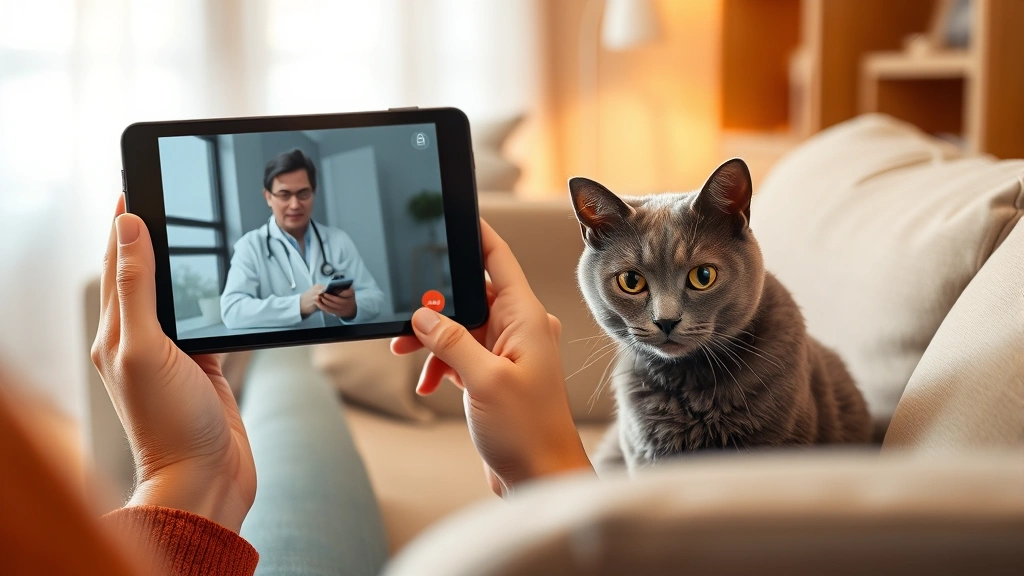
Online consultations also give vets the chance to observe your cat’s behavior in real-time through video, which can be incredibly valuable. They can see how your cat reacts to certain triggers, how they move around their space, and pick up on subtle signs of stress that might not be as obvious in a clinic setting.
Additionally, telehealth appointments tend to be more affordable and flexible than traditional vet visits, making it easier to get help sooner rather than waiting weeks for an appointment.
Signs Your Cat May Be Experiencing Anxiety
Recognizing anxiety in cats can be tricky because they often hide their discomfort. However, certain behaviors are telltale signs that something is bothering your furry friend emotionally.
Common signs of cat anxiety include:
- Excessive hiding or avoiding family members
- Destructive scratching or urine marking
- Overgrooming or hair loss in patches
- Loss of appetite or changes in eating habits
- Excessive vocalization or unusual meowing
- Aggression toward people or other pets
- Trembling, panting, or dilated pupils
- Litter box avoidance or accidents outside the box
If you’re seeing one or more of these behaviors, your cat could be dealing with anxiety. Catching this early puts you in a great position to help your cat feel more confident and comfortable.
What Online Vets Can Help You With Regarding Cat Anxiety
A veterinarian you consult online can do far more than you might expect. They can assess your cat’s anxiety symptoms, help rule out underlying medical conditions that might be causing stress, and discuss potential management strategies tailored to your cat’s specific situation.
During a telehealth consultation, your vet might:
- Ask detailed questions about when anxiety started and what triggers it
- Review your cat’s medical history and any recent changes
- Discuss environmental factors that could be contributing to stress
- Recommend behavior modification techniques
- Suggest calming products or supplements
- Discuss whether additional in-person evaluation is needed
Many vets also use telehealth as a stepping stone to more comprehensive care, ensuring your cat gets the right level of attention without unnecessary stress.
Behavioral Solutions Your Online Vet May Recommend
Before jumping to any medical interventions, most vets will discuss behavioral and environmental adjustments that can make a real difference in your cat’s anxiety levels. These are often the first line of defense and can be incredibly effective.
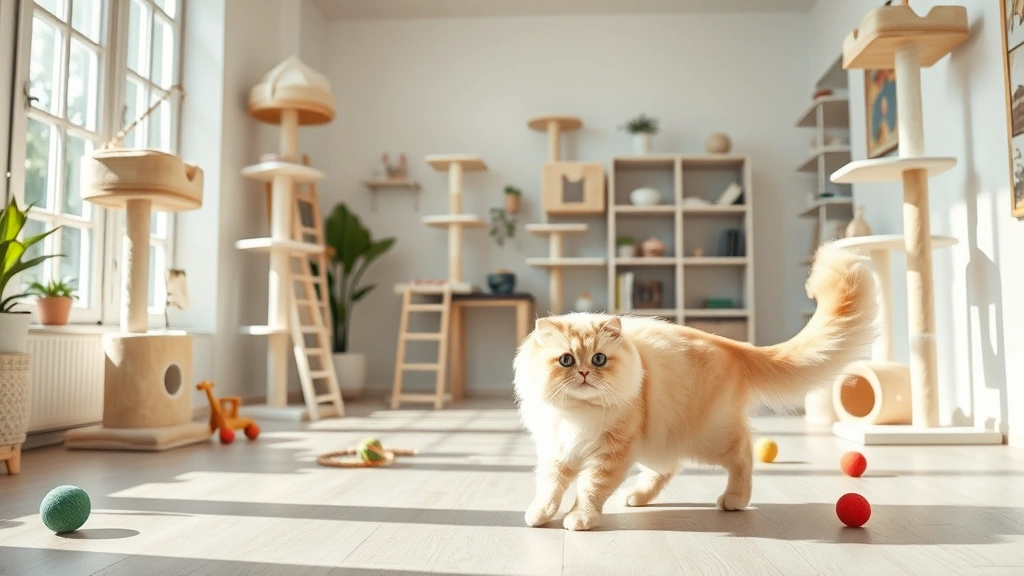
Your vet might suggest creating safe spaces in your home where your cat can retreat, maintaining a consistent routine, or using pheromone diffusers like those discussed in our guide on Feliway Classic Cat Calming Diffuser options. Environmental enrichment—think vertical spaces, puzzle feeders, and interactive play—can also reduce anxiety significantly.
Your online vet may also recommend gradually exposing your cat to anxiety triggers in a controlled, positive way, or adjusting your own behavior to help your cat feel more secure. Sometimes, the simplest changes have the biggest impact.
When Your Online Vet Might Recommend In-Person Care
While telehealth is wonderfully convenient, some situations do require a hands-on physical examination. Your online vet will be honest about this and guide you accordingly. If your cat needs bloodwork, a physical exam to rule out medical conditions, or if anxiety is severe, an in-person visit may be necessary.
Think of your online consultation as a smart first step that helps determine the best path forward for your cat. If you are unsure whether your pet needs urgent care, a quick telehealth check-in can give you peace of mind — no appointment needed.
The beauty of telehealth is that it often clarifies what comes next, saving you time and reducing unnecessary stress for both you and your cat.
How to Prepare for Your Online Cat Anxiety Consultation
Getting the most out of your telehealth appointment means doing a little prep work beforehand. The more information you can provide, the better your vet can help.
Before your appointment, gather:
- Your cat’s medical history and any recent vet records
- A list of symptoms you’ve noticed and when they started
- Information about any recent changes in your home or routine
- Details about your cat’s diet, sleep patterns, and bathroom habits
- Video clips of anxiety behaviors if you have them
- A list of any questions or concerns you want to address
Having a quiet space ready for the appointment—away from other pets and distractions—will also help. Your vet needs to hear and see your cat clearly, and you’ll want to focus on the conversation without interruptions.
The Role of Calming Products and Supplements
Many online vets discuss calming aids as part of an anxiety management plan. These products range from pheromone diffusers and sprays to supplements containing ingredients like L-theanine or tryptophan. Your vet can recommend options that align with your cat’s specific needs and your home environment.
It’s important to note that these products work best as part of a comprehensive approach that includes environmental changes and behavioral strategies. Your vet will help you understand how to use them safely and effectively alongside other interventions.
Never start any supplement or product without discussing it with your vet first, as some may interact with other treatments or conditions your cat may have.
Understanding the Telehealth Platform Experience
Most telehealth platforms are user-friendly and designed with pet owners in mind. You’ll typically download an app, create an account, upload your cat’s information, and schedule a video consultation at a time that works for you. The process is straightforward and usually takes just a few minutes to set up.
During the video call, you’ll connect with a licensed veterinarian who can see your cat, hear your concerns, and provide professional guidance. The entire experience is private, secure, and often more relaxed than an in-clinic visit.
After your consultation, you’ll usually receive a summary of recommendations and any follow-up instructions via the app or email. This documentation is helpful for tracking your cat’s progress and sharing information with other caregivers if needed.
Cost Considerations for Online Vet Consultations
One of the biggest advantages of telehealth is affordability. Online consultations typically cost significantly less than traditional vet visits, often ranging from $25 to $75 depending on the platform and vet. This makes it easier to seek professional advice without breaking the bank.
Many pet owners find that the lower cost encourages them to reach out sooner, which can prevent anxiety from escalating and potentially becoming more difficult to manage. Getting help early is often the most cost-effective approach in the long run.
Some platforms offer subscription plans or packages if you think you’ll need multiple consultations, which can provide even better value.
Similar Behavioral Concerns You Can Address Online
Cat anxiety isn’t the only behavioral or health concern you can discuss with an online vet. Similar to how you can talk to a vet about dog shaking online, you can address various cat health issues remotely. You might also consult about skin concerns like cat skin rashes, behavioral problems, or general wellness questions.
This versatility makes telehealth an excellent resource for ongoing pet health management and peace of mind.
Next Steps After Your Online Consultation
Once you’ve spoken with your vet, they’ll provide clear recommendations tailored to your cat’s situation. Your job is to implement these suggestions consistently and monitor your cat’s response over time.
Keep notes on your cat’s behavior, track improvements, and don’t hesitate to schedule a follow-up consultation if things aren’t improving or if new concerns arise. Many vets appreciate when pet owners provide updates on how their recommendations are working.
Remember, managing cat anxiety is often a gradual process. Be patient with your cat and yourself as you work through this together.
Frequently Asked Questions
Can a vet diagnose cat anxiety without seeing my cat in person?
Yes, vets can make a preliminary assessment through telehealth by discussing symptoms, observing your cat via video, and reviewing medical history. However, they may recommend an in-person visit if they need to rule out medical conditions or if anxiety is severe.
How long does an online vet consultation for cat anxiety typically take?
Most telehealth consultations last between 15 to 30 minutes, depending on the complexity of your cat’s situation and how many questions you have.
Is telehealth appropriate for urgent cat anxiety situations?
If your cat is showing signs of extreme distress or self-harm, an in-person emergency vet visit is more appropriate. Telehealth is best for ongoing management and mild to moderate anxiety concerns.
Will my online vet prescribe anxiety medication for my cat?
Many vets are willing to prescribe medications through telehealth, though some may require an initial in-person exam. This varies by vet and platform, so it’s worth asking during your consultation.
What if my cat won’t cooperate during the video call?
Don’t worry—vets understand that cats are unpredictable. Even if your cat hides during the call, you can describe their behavior, and the vet can still provide valuable guidance based on your observations and medical history.
What To Do Now
- Schedule a telehealth consultation: Choose a reputable platform, create your account, and book an appointment with a licensed veterinarian. Most platforms have availability within 24 hours.
- Gather your cat’s information: Compile medical records, note symptoms with dates, and document any recent changes in your home or routine to share during your consultation.
- Prepare your environment: Set up a quiet space for the video call where your vet can see and hear your cat clearly, and ensure you have a stable internet connection.
- Write down your questions: List specific concerns, triggers you’ve noticed, and any behavioral changes so you don’t forget to mention them during the appointment.
- Follow through with recommendations: After your consultation, implement the vet’s suggestions consistently and monitor your cat’s response over the next 2-4 weeks before scheduling any follow-up.
Summary
Yes, you can absolutely talk to a vet about cat anxiety online, and it’s a smart, accessible way to get professional help for your stressed cat. Telehealth consultations are affordable, convenient, and often effective for addressing behavioral and emotional health concerns. Your online vet can assess symptoms, recommend environmental changes and behavioral strategies, and determine whether further in-person care is needed. By taking this step, you’re showing your cat that you care about their emotional well-being and are committed to helping them feel more secure and comfortable. Start with a consultation today and take the first step toward a calmer, happier cat.