
Yes, you can absolutely talk to a vet about cat anxiety online, and it’s one of the most practical ways to get support when your feline friend is struggling. If you’ve noticed your cat hiding more than usual, excessive grooming, or sudden behavioral changes, a telehealth consultation can help you understand what’s happening and explore solutions—all from the comfort of your home.
Table of Contents
- Understanding Cat Anxiety and Why It Matters
- Why Online Vet Consultations Work Well for Cat Anxiety
- Common Signs Your Cat May Be Experiencing Anxiety
- What to Expect During an Online Vet Consultation About Cat Anxiety
- Behavioral Management Strategies Vets Often Recommend
- When Medication Might Be Discussed
- The Role of Destructive Behavior in Cat Anxiety
- How The Pet Vet Makes Online Consultations Accessible
- Related Health Issues to Discuss With Your Vet
- What to Prepare Before Your Online Consultation
- Summary: Taking the Next Step
- Frequently Asked Questions
- What To Do Now
This article is for informational purposes only and is not a substitute for professional veterinary advice. Always consult a licensed veterinarian for diagnosis and treatment.
Understanding Cat Anxiety and Why It Matters
Cat anxiety is more common than many pet owners realize. Unlike dogs, cats often hide their stress, making it harder to spot. Your cat might be experiencing anxiety if they’re avoiding family members, refusing food, or displaying destructive behavior.
Anxiety in cats can stem from environmental changes, loud noises, new pets, or even shifts in routine. The good news? Early recognition puts you in a great position to help your cat feel safer and more confident.
Understanding the root cause is the first step toward relief. That’s where online veterinary consultations shine—they give you quick access to expert guidance without the stress of a clinic visit.
Why Online Vet Consultations Work Well for Cat Anxiety
Telehealth appointments have real advantages for anxious cats. Many cats are already stressed by car rides and unfamiliar clinic environments, so staying home reduces additional anxiety triggers.
During an online consultation, your vet can:
- Ask detailed questions about your cat’s behavior and environment
- Review videos or photos you share showing anxious behaviors
- Discuss potential causes and management strategies
- Recommend lifestyle changes or behavioral modifications
- Determine if an in-person exam or further testing is needed
Telehealth also offers flexibility—you can book appointments around your schedule without waiting weeks for availability.
Common Signs Your Cat May Be Experiencing Anxiety
Recognizing anxiety early makes treatment more effective. Here are the most common signs to watch for:
- Excessive hiding: Spending most of the day in dark, enclosed spaces
- Changes in appetite: Eating less or refusing meals entirely
- Overgrooming: Licking excessively, sometimes causing hair loss
- Litter box issues: Accidents outside the box or avoiding it altogether
- Aggression or irritability: Swatting, hissing, or biting when normally gentle
- Vocalization changes: Excessive meowing or unusual quietness
- Destructive behavior: Scratching furniture or knocking things over more than usual
If your cat shows several of these signs, a conversation with a vet about cat anxiety online can help clarify what’s happening. Catching this early gives you more options for support.
What to Expect During an Online Vet Consultation About Cat Anxiety
Online appointments typically follow a straightforward format. You’ll connect via video call with a licensed veterinarian at a scheduled time.
The vet will ask questions about:
- When the anxious behavior started
- Any recent changes in your home environment
- Your cat’s daily routine and triggers
- Diet, water intake, and litter box habits
- Your cat’s medical history
Have your cat nearby if possible so the vet can observe their body language. If you’ve recorded videos of anxious behaviors, share those too—they provide valuable context.
The consultation usually lasts 15–30 minutes, and you’ll receive a summary of recommendations via email afterward.
Behavioral Management Strategies Vets Often Recommend
Before exploring other interventions, vets typically suggest environmental and behavioral adjustments. These are often the most effective first steps.

Create safe spaces: Set up quiet areas with hiding spots, perches, and familiar scents. Cats feel more secure when they control their environment.
Maintain consistent routines: Feed, play, and interact with your cat at the same times daily. Predictability reduces stress.
Use calming products: Pheromone diffusers, sprays, or treats designed for anxious cats can help create a calming atmosphere.
Increase enrichment: Puzzle feeders, window perches, and interactive toys keep your cat mentally stimulated and distracted from anxiety triggers.
Gradual exposure: If your cat is anxious about specific things (like new people), introduce them slowly in positive contexts.
Many cats respond well to these strategies alone, making them worth trying before considering additional options.
When Medication Might Be Discussed
Some cats benefit from additional support beyond behavioral management. During your online consultation, your vet may discuss whether medication could help your cat’s anxiety.
Your vet will explain the options, how they work, potential side effects, and what to monitor. They’ll also discuss the duration of treatment and whether it’s meant to be short-term support or longer-term management.
If medication is recommended, your vet will typically need to schedule a follow-up exam to monitor your cat’s progress and adjust as needed. If you are unsure whether your pet needs urgent care, a quick telehealth check-in can give you peace of mind—no appointment needed.
The Role of Destructive Behavior in Cat Anxiety
Destructive behavior is often a red flag for underlying anxiety. Cats may scratch excessively, knock items off shelves, or damage furniture when stressed. This is their way of self-soothing or marking territory to feel more secure.
During an online consultation about cat anxiety, your vet will help distinguish between normal scratching behavior and anxiety-driven destruction. Understanding the difference shapes the treatment plan.
For more on this topic, check out our guide on destructive behavior in cats to identify patterns and solutions.
How The Pet Vet Makes Online Consultations Accessible
The Pet Vet specializes in making veterinary care convenient and stress-free. Our telehealth platform connects you with licensed vets who understand cat behavior and anxiety.
Booking is simple: schedule an appointment, join the video call from home, and discuss your cat’s anxiety with a professional. No waiting rooms, no travel stress, and no pressure.
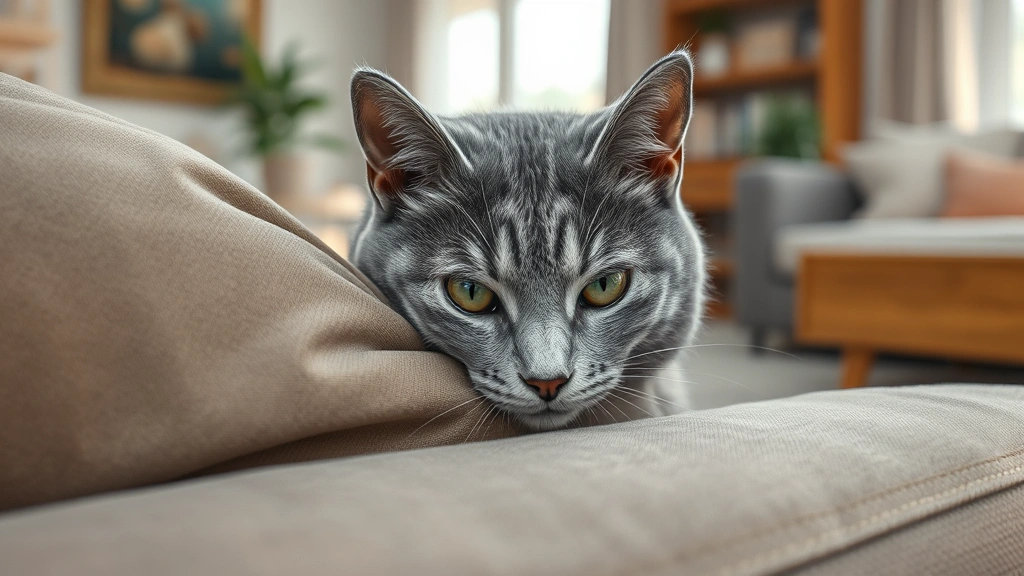
Our vets take time to understand your cat’s unique situation and work with you to create a personalized plan. Whether your cat needs behavioral guidance, a medication discussion, or simple reassurance, we’re here to help.
Related Health Issues to Discuss With Your Vet
Anxiety in cats can sometimes overlap with other health concerns. During your consultation, mention any other symptoms or behavioral changes you’ve noticed.
For example, if your anxious cat is also experiencing litter box issues, that’s worth discussing separately. You might also explore topics like cat vomiting or feline diarrhea if your cat shows digestive changes alongside anxiety.
A comprehensive conversation with your vet ensures nothing gets overlooked.
What to Prepare Before Your Online Consultation
Getting organized beforehand makes your appointment more productive. Here’s what to have ready:
- Medical history: Write down any past health issues, medications, or allergies
- Timeline of symptoms: Note when anxiety behaviors started and what triggered them
- Videos or photos: Capture your cat’s anxious behaviors to show the vet
- Questions list: Jot down concerns or observations you want to discuss
- Quiet space: Ensure you have a calm area for the call where you can focus
Coming prepared helps your vet give you the most accurate guidance in the time available.
Summary: Taking the Next Step
Cat anxiety is treatable, and talking to a vet about it online is one of the easiest ways to get started. You’ll gain clarity about what’s causing your cat’s stress and receive actionable advice tailored to their needs.
Online consultations remove barriers like travel and scheduling hassles, making it simpler to prioritize your cat’s mental health. Whether your cat needs behavioral strategies, environmental adjustments, or further evaluation, a telehealth appointment is a low-pressure way to explore options.
Your cat depends on you to notice when something’s off. Taking action now shows them they’re safe and cared for.
Frequently Asked Questions
Can a vet diagnose cat anxiety through a video call?
Yes, vets can assess anxiety through observation and detailed questions about behavior and environment. If they suspect underlying medical issues, they may recommend an in-person exam to rule out other causes.
How long does it take to see improvement in an anxious cat?
Behavioral changes can take 2–4 weeks to show improvement, especially with environmental modifications. Some cats respond faster, while others need more time and patience.
Is telehealth appropriate for all types of cat anxiety?
Telehealth works well for behavioral assessment and initial management. If your vet suspects medical causes or needs to examine your cat physically, they’ll recommend an in-person visit.
What if my cat won’t appear on camera during the appointment?
That’s completely normal! Describe your cat’s behavior and bring any videos you’ve recorded. Your vet can work with the information you provide without needing your cat on screen.
Can online vets prescribe medications for cat anxiety?
Many telehealth vets can discuss medication options and provide prescriptions, though some may require an initial in-person exam depending on local regulations and your vet’s policies.
What To Do Now
- Schedule a telehealth consultation: Book an appointment with The Pet Vet or another licensed telehealth provider to discuss your cat’s anxiety symptoms and concerns.
- Document your cat’s behavior: Keep notes or record short videos of anxious behaviors to share during your appointment—this helps your vet understand the situation better.
- Identify potential triggers: Think about recent changes in your home (new pets, loud noises, schedule shifts) that might be contributing to your cat’s stress.
- Prepare your questions: Write down specific behaviors, timeline of symptoms, and any other health changes you’ve noticed to discuss during the call.
- Create a safe space: While waiting for your appointment, set up a quiet, secure area where your cat can retreat and feel calm—this often helps reduce anxiety immediately.