
Yes, you can absolutely talk to a vet about cat anxiety online, and doing so might be one of the best decisions you make for your anxious feline friend. If your cat is showing signs of stress—hiding more than usual, excessive meowing, destructive behavior, or refusing to eat—you’re not alone in noticing these changes, and the good news is that help is just a few clicks away.
Table of Contents
- Why Online Vet Consultations Work for Cat Anxiety
- Common Signs Your Cat May Be Experiencing Anxiety
- What to Expect During an Online Vet Consultation for Cat Anxiety
- How Online Vets Can Help Reduce Your Cat’s Anxiety
- Environmental and Behavioral Solutions Your Vet Might Suggest
- When Online Consultation Isn’t Enough
- Understanding Cat Anxiety vs. Normal Cat Behavior
- The Advantages of Telehealth for Behavioral Issues
- Building a Long-Term Anxiety Management Plan
- Cost and Accessibility Benefits
- Questions to Ask Your Online Vet About Cat Anxiety
- Frequently Asked Questions
- What To Do Now
- Summary: Taking the First Step
This article is for informational purposes only and is not a substitute for professional veterinary advice. Always consult a licensed veterinarian for diagnosis and treatment.
Why Online Vet Consultations Work for Cat Anxiety
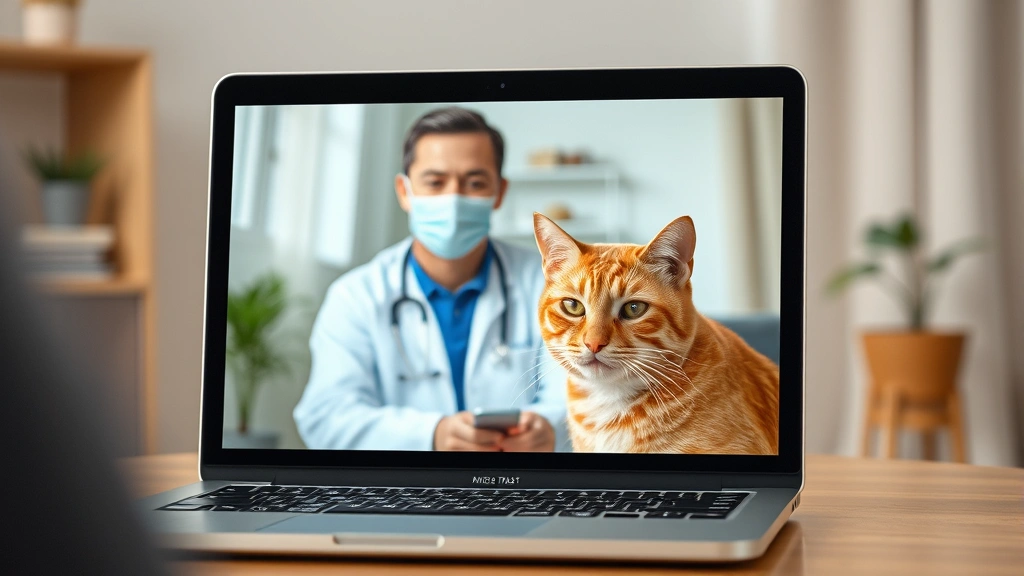
Online veterinary consultations have revolutionized how pet owners access care, especially for behavioral concerns like anxiety. A licensed vet can assess your cat’s symptoms through video, ask detailed questions about triggers and patterns, and help you understand what’s really going on behind those anxious behaviors. The beauty of telehealth is that your cat stays in their familiar environment—which is actually less stressful than a car ride and clinic visit.
Many cats experience heightened anxiety during vet visits themselves, so an initial online consultation removes that barrier entirely. You can describe your cat’s behavior in real-time, share videos if needed, and get professional guidance without the added stress of travel.
Common Signs Your Cat May Be Experiencing Anxiety
Recognizing anxiety in cats is the first step toward helping them. Cats express stress differently than dogs, often through subtle behavioral shifts that owners might initially overlook. Here are the most common signs:
- Excessive hiding – Spending most of the day in closets, under beds, or dark corners
- Changes in appetite – Eating less or refusing meals during stressful periods
- Over-grooming or hair loss – Licking excessively to the point of visible bald patches
- Destructive behavior – Scratching furniture, knocking things over, or attacking toys aggressively
- Litter box issues – Urinating or defecating outside the box, which can signal stress
- Excessive vocalization – Meowing, yowling, or crying more than their normal baseline
- Aggression or irritability – Swatting, biting, or hissing when normally friendly
- Dilated pupils and flattened ears – Physical signs of fear or stress
Catching these early puts you in a great position to help your cat before anxiety spirals into more serious behavioral or health issues.
What to Expect During an Online Vet Consultation for Cat Anxiety
When you schedule a telehealth appointment with The Pet Vet or another online veterinary service, here’s what typically happens. The vet will ask detailed questions about when the anxiety started, what triggers it, your cat’s daily routine, and how it’s affecting their quality of life. They may ask you to describe specific incidents or request short videos showing the anxious behavior.
The vet will also review your cat’s medical history to rule out underlying health conditions that could mimic anxiety—things like hyperthyroidism, pain, or urinary tract infections can cause behavioral changes. This thorough assessment helps distinguish true anxiety from other treatable medical issues.
Based on the consultation, the vet might recommend environmental changes, behavioral modifications, or in some cases, suggest a follow-up in-person exam if they feel a physical examination is necessary.
How Online Vets Can Help Reduce Your Cat’s Anxiety
A veterinarian consulted online can provide several types of support tailored to your cat’s specific anxiety triggers. They can help you identify what’s causing the stress—whether it’s a change in your home, a new pet, loud noises, or something else entirely. Understanding the root cause is half the battle.
The vet may recommend environmental enrichment strategies, such as creating safe spaces, using calming pheromone products, or adjusting your cat’s routine. They can also discuss whether your cat might benefit from additional support and what options are available. If you’re unsure whether your pet needs urgent care, a quick telehealth check-in can give you peace of mind—no appointment needed.
Environmental and Behavioral Solutions Your Vet Might Suggest
Before exploring other options, many vets recommend trying evidence-based environmental modifications first. These are often highly effective and completely non-invasive. Consider implementing these strategies:
- Create safe spaces – Designate quiet areas where your cat can retreat when feeling overwhelmed, complete with hiding spots, toys, and resources
- Maintain routine – Keep feeding times, play sessions, and sleep schedules consistent, as predictability reduces anxiety
- Use vertical spaces – Cats feel safer when they can climb and observe from high perches; install cat trees or shelves
- Minimize loud noises – Use white noise machines or soft music to mask startling sounds
- Try pheromone products – Feline Feliway mimics natural calming pheromones and comes in sprays or plug-in diffusers
- Provide enrichment – Interactive toys, puzzle feeders, and window perches keep cats mentally stimulated and engaged
- Control interactions – If your cat is anxious around guests or other pets, manage exposure gradually
These changes often make a significant difference within a few weeks. Your online vet can help you customize these strategies for your specific cat and situation.
When Online Consultation Isn’t Enough
While telehealth is excellent for initial assessment and many anxiety cases, some situations require an in-person veterinary visit. If your cat is showing signs of severe distress, refusing food for extended periods, or displaying aggressive behavior that puts anyone at risk, an in-person exam becomes necessary. Your online vet can recognize these red flags and recommend next steps.
Additionally, if the vet suspects an underlying medical condition—such as hyperthyroidism, dental disease, or pain—they’ll likely refer you to a local veterinarian for physical examination and diagnostic testing. The online consultation is often the perfect starting point that leads to the right care pathway.
Understanding Cat Anxiety vs. Normal Cat Behavior
Not every anxious moment means your cat has an anxiety disorder. Cats are naturally cautious animals, and some wariness is completely normal. The difference lies in intensity, frequency, and impact on daily functioning. An anxious cat might hide occasionally; a cat with anxiety disorder may refuse to come out for meals or social interaction.
During your online consultation, the vet helps you understand whether your cat’s behavior falls within the normal range of feline personality or represents a genuine concern. This distinction matters because it guides the treatment approach. Some cats are simply more reserved, while others genuinely struggle with fear and stress that affects their wellbeing.
The Advantages of Telehealth for Behavioral Issues
Behavioral consultations are uniquely suited to online platforms because the vet doesn’t need to physically handle your cat to understand the problem. In fact, seeing your cat in their natural home environment through video can be more informative than observing them in a stressful clinic setting.
Telehealth also offers flexibility—you can schedule appointments at times that work for you, and there’s no travel stress for your cat. The lower-stress environment often means your cat behaves more naturally, giving the vet a clearer picture of their actual anxiety patterns. Plus, you can reference notes from previous consultations easily and track progress over time.
Building a Long-Term Anxiety Management Plan
Managing cat anxiety is rarely a one-time fix. Instead, it’s an ongoing process of understanding your cat, adjusting their environment, and monitoring progress. Your online vet can help you create a structured plan with clear goals and checkpoints.
A good plan includes baseline observations (what does the anxiety look like right now?), specific interventions (which strategies will you try first?), and follow-up timelines (when will you reassess?). Regular check-ins with your vet—whether online or in-person—help ensure the plan is working and adjustments are made as needed.
Cost and Accessibility Benefits
Online veterinary consultations are typically more affordable than traditional clinic visits, and they eliminate travel costs and time away from work. For cat owners managing anxiety concerns, this accessibility means you can get professional guidance sooner rather than waiting for a clinic appointment weeks away.
Many telehealth platforms, including The Pet Vet, offer straightforward pricing with no hidden fees. This transparency helps you budget for your cat’s care and makes professional veterinary guidance accessible to more pet owners. You’re getting expert advice from a licensed veterinarian without the premium overhead of a physical clinic location.
Questions to Ask Your Online Vet About Cat Anxiety
Come prepared to your consultation with specific questions that will help you get the most from the appointment. Here are some key areas to explore:
- “What do you think is triggering my cat’s anxiety?”
- “Are there any medical conditions I should rule out?”
- “What’s the first thing I should try to help?”
- “How long before I might see improvement?”
- “When should I follow up with you?”
- “Are there any products or supplements you recommend?”
- “Could my cat’s anxiety get worse without intervention?”
Having these questions ready ensures you make the most of your consultation time and leave with clear, actionable guidance.
Frequently Asked Questions
Can a vet diagnose cat anxiety through video alone?
Yes, vets can assess behavioral anxiety through detailed questioning and observation during video consultations. However, they may recommend an in-person exam if they suspect underlying medical causes for the behavior.
Is online vet consultation reliable for behavioral issues?
Absolutely. Behavioral consultations are well-suited to telehealth because the vet doesn’t need to physically handle your cat—in fact, seeing them in their home environment is often more informative than a clinic visit.
How quickly can an online vet help my anxious cat?
Many cats show improvement within 2-4 weeks of implementing recommended environmental changes. Your vet can provide initial guidance immediately, though ongoing management may take longer.
What if my cat’s anxiety is severe?
If your cat shows signs of severe distress, refusal to eat, or aggression, your online vet will recognize this and recommend appropriate next steps, which may include an in-person evaluation.
Can online vets prescribe medication for cat anxiety?
Many licensed online vets can prescribe medications if warranted, though they may prefer to start with behavioral and environmental interventions first. Requirements vary by state and platform.
What To Do Now
- Schedule an online consultation – Book an appointment with The Pet Vet or another licensed telehealth provider to discuss your cat’s anxiety symptoms
- Document your observations – Write down when anxiety occurs, what triggers it, and how your cat behaves, then share these notes during your consultation
- Prepare your environment – Start creating safe spaces and removing obvious stressors while you wait for your appointment
- Gather medical history – Have your cat’s previous vet records and vaccination history ready to share with your online vet
- Follow through on recommendations – Implement the strategies your vet suggests and track changes over the next 2-4 weeks
Summary: Taking the First Step
Yes, you can absolutely talk to a vet about cat anxiety online, and it’s often the easiest, most convenient way to get professional help for your stressed feline. Online consultations remove the stress of travel, happen in your cat’s familiar environment, and provide expert guidance at an affordable price point.
Your cat’s anxiety is real and deserves professional attention. Whether the solution involves environmental changes, behavioral strategies, or additional support, a licensed veterinarian can guide you toward the right approach. The Pet Vet and similar telehealth platforms make accessing that expertise simple and stress-free.
Start by asking a vet about your cat’s anxiety through an online consultation. If you have a kitten experiencing similar issues, you can also talk to a vet about kitten anxiety online. For broader behavioral concerns, explore resources on cat behavior problems online. Additionally, anxiety often manifests through physical behaviors like excessive paw licking, which your vet can address comprehensively.
Your cat depends on you to notice when something’s wrong. By taking action today, you’re giving your anxious cat the best chance at a calmer, happier life. Reach out to a veterinarian now—your cat will thank you.