
Yes, you can absolutely talk to a vet about cat anxiety online, and doing so might be one of the most helpful steps you take for your anxious feline friend. If you’ve noticed your cat hiding more than usual, over-grooming, or acting jumpy around loud noises, you’re not alone—and the good news is that professional support is just a few clicks away.
Table of Contents
- Why Online Vet Consultations Work Well for Cat Anxiety
- Common Signs Your Cat May Be Experiencing Anxiety
- What to Expect During an Online Vet Consultation for Cat Anxiety
- How Vets Help Manage Cat Anxiety
- Related Symptoms and When to Seek Help
- Practical Steps to Take Before Your Consultation
- The Role of Environmental Changes in Reducing Anxiety
- Comparing Online Consultations to In-Person Visits
- Building a Long-Term Plan for Your Anxious Cat
- Frequently Asked Questions
- What To Do Now
- Summary
This article is for informational purposes only and is not a substitute for professional veterinary advice. Always consult a licensed veterinarian for diagnosis and treatment.
Cat anxiety is incredibly common, yet many pet owners struggle to recognize it or know where to turn for help. Online veterinary consultations have transformed pet care, making it easier than ever to discuss behavioral concerns without the stress of a car ride or waiting room visit. Whether your cat is experiencing situational anxiety or chronic stress, a telehealth vet can help you understand what’s happening and create a plan to ease your cat’s worries.
Why Online Vet Consultations Work Well for Cat Anxiety
One of the biggest advantages of discussing cat anxiety with a vet online is the low-pressure environment. Your cat doesn’t have to leave home, which means no car ride anxiety, no unfamiliar clinic smells, and no stressful exam room interactions. This creates a calmer situation for both you and your pet.
Telehealth also gives vets a chance to observe your cat in their natural habitat. Many anxiety behaviors only show up when your cat is comfortable at home, so describing (or even showing) these behaviors on video can help a vet make a more accurate assessment.
Additionally, online consultations are often more convenient and faster to schedule than in-person appointments. If you’re unsure whether your pet needs urgent care, a quick telehealth check-in can give you peace of mind—no appointment needed.
Common Signs Your Cat May Be Experiencing Anxiety
Recognizing anxiety in cats can be tricky because they express stress differently than dogs. Here are some behaviors that could signal your cat is struggling:
- Excessive hiding – Your cat retreats to closets, under beds, or other dark spaces for extended periods
- Over-grooming or hair loss – Licking or chewing fur more than normal, sometimes to the point of bald patches
- Aggression or irritability – Swatting, hissing, or biting when normally affectionate
- Changes in appetite – Eating less, refusing favorite foods, or losing weight
- Excessive vocalization – Meowing, yowling, or other sounds more frequently than usual
- Litter box avoidance – Urinating or defecating outside the box, sometimes called inappropriate elimination
- Trembling or freezing – Physical signs of fear or stress during certain triggers
- Reduced playfulness – Loss of interest in toys, play, or interaction
Catching these signs early puts you in a great position to help your cat feel better sooner.
What to Expect During an Online Vet Consultation for Cat Anxiety
When you schedule a telehealth appointment to discuss cat anxiety, the vet will typically start with a detailed history. They’ll ask when the anxiety started, what triggers seem to set it off, and how it’s affecting your cat’s daily life.
During the video call, the vet may ask you to show them your cat’s behavior or the areas where your cat spends time. They might observe your cat’s body language, posture, and reactions to sounds or movements in your home. This real-world context is invaluable for understanding the full picture.
The vet will also rule out medical conditions that could mimic anxiety, such as thyroid disease or pain. They’ll ask about your cat’s medical history, current medications, diet, and environment. Be honest and detailed—every piece of information helps.
How Vets Help Manage Cat Anxiety
Your vet may recommend a multi-faceted approach to managing your cat’s anxiety. This could include environmental modifications, behavioral strategies, supplements, or other supportive care. The goal is to create a calming environment while addressing the root cause of stress.
Environmental changes often come first. This might include creating safe spaces, using pheromone diffusers, or adjusting lighting and noise levels. Your vet can guide you on what might work best for your specific cat.

Many vets also discuss behavioral techniques, such as gradual desensitization to triggers or enrichment activities that build confidence. These conversations are perfect for telehealth because you can implement them at home with ongoing guidance.
Your vet may also explore whether additional support—such as behavioral consultations or training resources—could help. Remember, every cat is unique, and what works for one may not work for another.
Related Symptoms and When to Seek Help
Sometimes cat anxiety overlaps with other health concerns. For instance, if your anxious cat is also breathing fast or rapidly, this could indicate stress or an underlying medical issue that needs prompt evaluation.
Similarly, if your cat is licking their paws excessively, it could be anxiety-related or a sign of allergies or skin irritation. An online vet can help you distinguish between behavioral and medical causes.
Other related concerns, like cat shaking or trembling, also benefit from professional evaluation. Anxiety, fear, pain, and medical conditions can all cause similar symptoms, so getting a professional opinion is important.
Practical Steps to Take Before Your Consultation
Preparing for your online vet visit makes the appointment more productive. Here’s what you can do:
- Document your observations – Note when anxiety occurs, what triggers it, and how your cat responds. Keeping a brief log for a few days is incredibly helpful.
- Gather medical records – Have your cat’s vaccination history, past health issues, and any current medications ready to share.
- List your questions – Write down specific concerns or behaviors you want to discuss so you don’t forget anything during the call.
- Set up your space – Ensure your cat is calm and visible during the video call, and minimize background noise and distractions.
- Have treats or toys nearby – Sometimes showing the vet how your cat reacts to certain stimuli is helpful, so have a few items on hand.
The Role of Environmental Changes in Reducing Anxiety
Beyond professional guidance, your home environment plays a huge role in managing cat anxiety. Cats thrive on routine, predictability, and safe spaces where they can retreat when stressed.
Creating a calm environment might include:
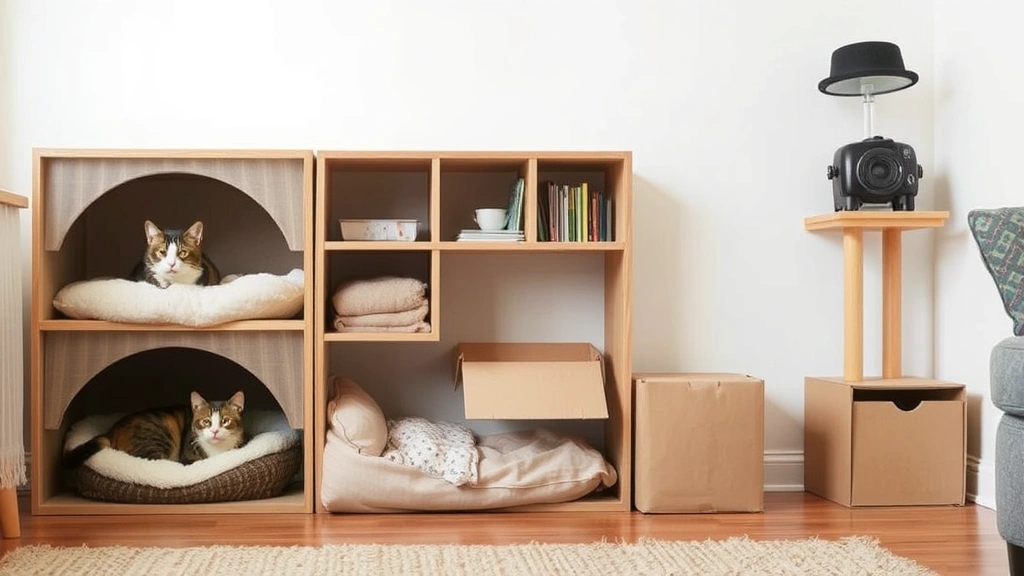
- Providing multiple hiding spots (cat trees, boxes, or covered beds)
- Using calming pheromone products designed for cats
- Maintaining a consistent daily routine
- Minimizing loud noises and sudden changes
- Offering vertical spaces where cats feel secure and in control
- Ensuring litter boxes, food, and water are in quiet, accessible locations
Your online vet can help you customize these suggestions based on your cat’s specific triggers and personality.
Comparing Online Consultations to In-Person Visits
While telehealth is excellent for discussing anxiety and behavioral concerns, some situations may still require an in-person examination. If your vet suspects a medical condition, they may recommend a follow-up visit for bloodwork, physical exam, or other diagnostics.
However, for initial consultations, follow-ups, and ongoing management of anxiety, online visits are often just as effective and far more convenient. Many pet owners find that starting with a telehealth appointment helps them decide whether an in-person visit is truly necessary.
The flexibility of online consultations also means you can get professional guidance quickly, without lengthy wait times. This is especially valuable when you’re worried about your cat’s wellbeing.
Building a Long-Term Plan for Your Anxious Cat
Managing cat anxiety is rarely a one-time fix. Instead, think of it as an ongoing partnership with your vet. Regular check-ins via telehealth allow you to monitor progress, adjust strategies, and address new concerns as they arise.
Your vet might recommend periodic follow-up appointments to see how your cat is responding to environmental changes or other interventions. These check-ins keep you accountable and give your vet a chance to refine the plan based on real-world results.
Over time, as your cat becomes more comfortable and confident, you may see gradual improvements. Patience and consistency are key—anxiety doesn’t disappear overnight, but with the right support, most cats show meaningful improvement.
Frequently Asked Questions
Can a vet diagnose cat anxiety through a video call?
Yes, vets can assess anxiety through video consultations by observing your cat’s behavior, listening to your detailed description of symptoms, and asking targeted questions about triggers and patterns. However, they may recommend an in-person visit if they suspect an underlying medical condition.
How much does an online vet consultation for cat anxiety cost?
Telehealth consultation costs vary by provider and your location, but they’re typically less expensive than in-person visits. The Pet Vet and other platforms often offer transparent pricing, so you’ll know the cost upfront before booking.
Is telehealth appropriate for severe cat anxiety?
Telehealth is great for initial assessment and mild to moderate anxiety. For severe cases, your vet may recommend an in-person evaluation or refer you to a veterinary behaviorist for specialized care.
What if my cat won’t cooperate during the video call?
Don’t worry—vets understand that cats don’t always cooperate on camera. Simply describing your cat’s behavior and answering the vet’s questions is often enough. You can also share videos of your cat’s anxious behaviors if you have them.
Can online vets prescribe medication for cat anxiety?
Yes, licensed vets can prescribe medications during telehealth consultations, though some states have specific regulations. Your vet will discuss whether medication might help and what options are available for your cat’s situation.
What To Do Now
- Schedule a telehealth consultation – Book an appointment with The Pet Vet or another licensed online veterinary service to discuss your cat’s anxiety symptoms and get professional guidance.
- Keep a symptom log – Spend the next few days noting when your cat shows signs of anxiety, what triggers these episodes, and how long they last. This information will be invaluable during your consultation.
- Assess your home environment – Look for ways to create safer, calmer spaces for your cat, such as adding hiding spots, reducing noise, or using pheromone diffusers before your vet appointment.
- Gather medical records – Collect your cat’s vaccination history, past health issues, and any current medications to have ready for your online visit.
- Prepare questions and observations – Write down specific behaviors, changes you’ve noticed, and any questions you want to ask so you make the most of your consultation time.
Summary
Yes, you can absolutely talk to a vet about cat anxiety online, and it’s often the easiest, most convenient way to get professional help for your stressed feline. Telehealth consultations allow you to discuss your cat’s anxiety in a low-pressure environment, observe your cat’s natural behaviors at home, and receive personalized guidance without the stress of a clinic visit.
By recognizing the signs of anxiety early, preparing for your consultation, and working with your vet to create an individualized plan, you can help your cat feel calmer, more confident, and happier. Whether through environmental adjustments, behavioral strategies, or other interventions recommended by your vet, improvement is absolutely possible.
Don’t let your cat’s anxiety go unaddressed. Reach out to an online vet today and take the first step toward a more peaceful life for your beloved pet.