
Yes, you can talk to a vet about cat diarrhea online, and it’s one of the fastest ways to get professional guidance when your feline friend isn’t feeling well. If your cat is experiencing loose stools or frequent bathroom trips, you’re probably worried—and reaching out to a veterinarian through telehealth is a smart first step that many cat owners are discovering today.
Table of Contents
- Why Online Vet Consultations Work Well for Cat Diarrhea
- What Information Your Vet Will Need About Your Cat’s Diarrhea
- Common Causes of Cat Diarrhea Your Vet Will Explore
- When Online Consultation Is Enough—and When You Need In-Person Care
- Steps to Take Before Your Online Vet Appointment
- What to Expect During Your Telehealth Consultation
- Home Management Strategies Your Vet Might Recommend
- When to Consider Follow-Up Care for Cat Diarrhea
- The Advantages of Telehealth for Digestive Issues
- Building a Relationship With Your Online Vet
- Frequently Asked Questions
- What To Do Now
- Summary
This article is for informational purposes only and is not a substitute for professional veterinary advice. Always consult a licensed veterinarian for diagnosis and treatment.
Why Online Vet Consultations Work Well for Cat Diarrhea
Online veterinary visits have transformed how pet owners address health concerns, and digestive issues like diarrhea are surprisingly well-suited to telehealth. A vet can ask detailed questions about your cat’s symptoms, diet, recent changes, and behavior patterns—often gathering enough information to provide initial guidance without an in-person exam.
The beauty of telehealth is convenience. You don’t need to wrestle your anxious cat into a carrier, wait in a clinic lobby, or rearrange your schedule. Instead, you can connect with a licensed veterinarian from your home in minutes, sometimes even same-day.
What Information Your Vet Will Need About Your Cat’s Diarrhea
When you connect with a vet online, be ready to describe what you’re observing. The more specific you are, the better the guidance you’ll receive.
- Frequency: How many times per day is your cat having loose stools?
- Consistency: Is it watery, mushy, or slightly soft?
- Color and appearance: Is there any blood, mucus, or unusual coloring?
- Duration: How long has this been happening—hours, days, or longer?
- Appetite and behavior: Is your cat eating normally and acting like themselves?
- Recent changes: New food, treats, medications, or stressful events?
- Other symptoms: Vomiting, lethargy, or signs of discomfort?
Having this information ready before your call will make the consultation more productive and help the vet assess whether your cat needs urgent care or can be monitored at home.
Common Causes of Cat Diarrhea Your Vet Will Explore
Feline diarrhea can stem from many sources, and your online vet will work through the most likely culprits. Food sensitivities or sudden diet changes are among the most common triggers—cats have sensitive digestive systems and don’t always tolerate new foods well.
Stress and anxiety can also upset your cat’s gut, especially during household changes or travel. Infections, parasites, and underlying conditions like inflammatory bowel disease or hyperthyroidism are other possibilities your vet may discuss. Catching this early puts you in a great position to help your cat feel better faster.
Environmental factors matter too. Some cats react to treats, table scraps, or even drinking water from new sources. Your vet will help narrow down the cause by asking targeted questions about your cat’s lifestyle and recent history.
When Online Consultation Is Enough—and When You Need In-Person Care
One of the biggest advantages of telehealth is that a vet can quickly determine whether your situation requires an urgent in-person visit. If your cat is showing signs of severe dehydration, bloody diarrhea, repeated vomiting, lethargy, or signs of pain, your vet will recommend immediate clinic care or emergency services.
However, if your cat is eating, drinking, and acting relatively normal with mild to moderate diarrhea lasting less than 24 hours, an online consultation may be all you need. Your vet can suggest home management strategies, dietary adjustments, or recommend monitoring before escalating to a physical exam.
If you are unsure whether your pet needs urgent care, a quick telehealth check-in can give you peace of mind—no appointment needed. This is exactly what platforms like The Pet Vet are designed for.
Steps to Take Before Your Online Vet Appointment
Preparation makes your telehealth visit more effective. Start by gathering the information listed above and writing it down so you don’t forget details during the call.
- Take a recent photo or short video of your cat’s stool if possible (yes, really—vets find this helpful).
- Note the exact time your cat last ate and what they consumed.
- Have your cat’s current diet information handy, including brand names and ingredients.
- Write down any medications or supplements your cat is currently taking.
- Be ready to describe your cat’s overall behavior and energy level.
Having these details organized will help your vet provide more accurate guidance in less time.
What to Expect During Your Telehealth Consultation
Most online vet visits follow a straightforward format. You’ll connect via video call at your scheduled time, and the vet will introduce themselves and ask about your cat’s symptoms. The consultation typically lasts 15 to 30 minutes, though complex cases may take longer.
Your vet may ask you to show them your cat on camera to observe their overall appearance and behavior. They’ll ask clarifying questions, explain what might be causing the diarrhea, and discuss next steps. These steps might include home care recommendations, dietary changes, or a prescription if needed.
At the end of the visit, you’ll receive a summary of the consultation, any recommendations, and instructions for follow-up. Many telehealth platforms provide this documentation in your account for future reference.
Home Management Strategies Your Vet Might Recommend
Depending on the cause and severity, your vet may suggest several at-home approaches. Dietary rest—offering small, bland meals or a temporary fasting period—can help reset your cat’s digestive system.
Hydration is critical, especially with diarrhea. Make sure fresh water is always available, and monitor your cat’s water intake. Some vets recommend adding bone broth or electrolyte solutions designed for cats to encourage drinking.
If your vet suspects food sensitivity, they may recommend a temporary switch to a limited-ingredient or prescription diet. Probiotics formulated for cats may also be suggested to support healthy gut bacteria. Always follow your vet’s specific recommendations rather than self-treating.
When to Consider Follow-Up Care for Cat Diarrhea
If your cat’s diarrhea doesn’t improve within a few days of following your vet’s recommendations, or if new symptoms develop, schedule a follow-up consultation. Some cases require in-person examination with blood work or fecal testing to identify underlying issues.
Chronic or recurring diarrhea may point to food allergies, parasites, or conditions that need more investigation. Your online vet can guide you on whether additional testing is necessary and help you decide between another telehealth visit and an in-clinic appointment.
Don’t hesitate to reach out again if you’re concerned. Vets understand that pet parents want the best for their cats, and follow-up communication is part of good care.
The Advantages of Telehealth for Digestive Issues
Telehealth shines for digestive complaints because so much information comes from observation and history rather than physical examination. Your vet doesn’t need to palpate your cat’s abdomen to begin narrowing down causes—they need your detailed description of what you’re seeing.
Cost is another advantage. Online consultations are typically less expensive than in-clinic visits, making it easier to get professional advice without breaking the bank. Speed matters too—you can often connect with a vet within hours rather than waiting days for an appointment.
Additionally, telehealth reduces stress for anxious cats. Some cats become so nervous at the vet clinic that their symptoms worsen. Staying home and talking to a vet on video can provide the guidance you need without that added stress.
Building a Relationship With Your Online Vet
Using telehealth doesn’t mean you’re sacrificing continuity of care. Many pet owners find that connecting with the same vet through multiple consultations builds a relationship where that veterinarian becomes familiar with their cat’s history and personality.
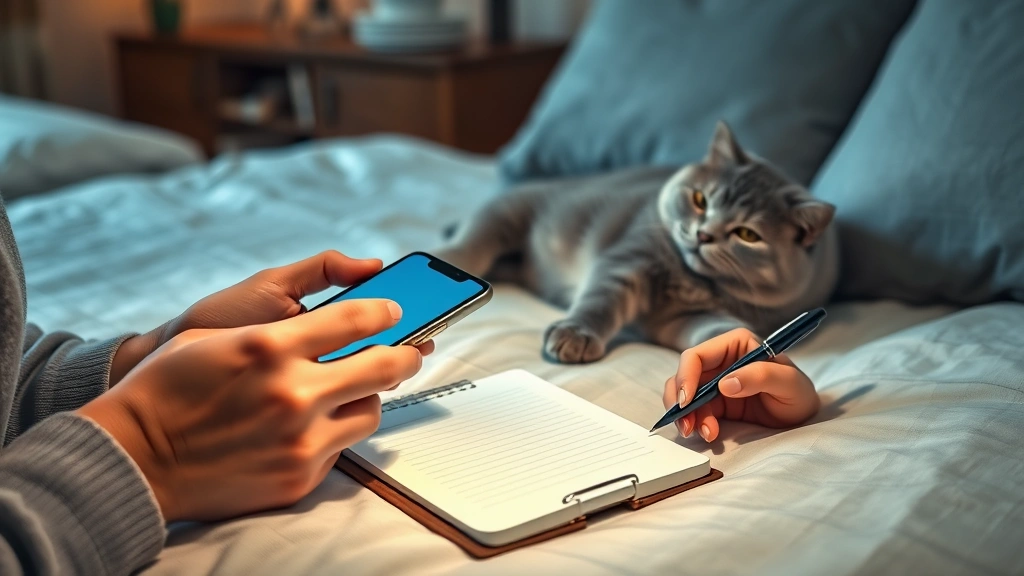
This familiarity is valuable. Over time, your online vet learns your cat’s baseline health, dietary preferences, and behavioral patterns—information that makes future consultations even more efficient and personalized.
Consider using The Pet Vet or similar platforms as a complement to your regular veterinarian, not a replacement. If you have an existing relationship with a local clinic, your telehealth vet can coordinate care and share notes.
Frequently Asked Questions
Can a vet diagnose the exact cause of diarrhea through a video call?
A vet can often determine the likely cause through detailed questioning and observation, but some conditions require blood work, fecal tests, or ultrasound for definitive diagnosis. Your telehealth vet will let you know if in-person testing is necessary.
Is cat diarrhea ever an emergency?
Yes, if your cat shows severe dehydration, bloody stools, repeated vomiting, extreme lethargy, or signs of pain, seek emergency veterinary care immediately. A telehealth vet can help you determine if your situation is urgent.
How long does it take to see improvement after following my vet’s recommendations?
Many cats improve within 24 to 48 hours of dietary changes or home management. However, some cases take longer depending on the underlying cause. Your vet will advise you on a reasonable timeline.
Can I get prescription medication through an online vet visit?
Yes, if your vet determines medication is appropriate, they can typically send a prescription to your pharmacy or recommend where to obtain it. Always confirm this with your specific telehealth platform.
What if my cat’s diarrhea comes back after treatment?
Recurring diarrhea may indicate a chronic condition or that the underlying cause wasn’t fully addressed. Schedule a follow-up telehealth visit to discuss further investigation or refer to an in-person vet for additional testing.
What To Do Now
- Schedule a telehealth consultation: Visit The Pet Vet or another licensed telehealth platform and book an appointment with an available veterinarian. Many offer same-day or next-day availability.
- Gather your cat’s information: Write down details about your cat’s diarrhea, diet, medications, and recent changes before your call to maximize the consultation’s value.
- Prepare your environment: Find a quiet space where you can talk to the vet and show your cat on camera if needed. Have your cat nearby but calm.
- Take notes during the visit: Write down your vet’s recommendations, any prescriptions, and follow-up instructions. Don’t rely on memory alone.
- Follow through on recommendations: Implement dietary changes, home care strategies, and monitoring as your vet suggests. Track improvements and be ready to report back if symptoms persist.
Summary
Yes, you absolutely can talk to a vet about cat diarrhea online, and it’s a practical, affordable option for many pet owners. Telehealth veterinarians can assess your cat’s symptoms, identify likely causes, and recommend home management or determine if in-person care is needed—all from the comfort of your home.
The key to a successful online consultation is preparation. Have detailed information about your cat’s symptoms, diet, and recent changes ready to share. Be honest about what you’re observing, and don’t hesitate to ask questions or schedule follow-up care if your cat doesn’t improve.
Your cat’s digestive health matters, and reaching out to a professional is the right instinct. Whether you choose telehealth as your first step or as a complement to your regular veterinarian, you’re taking an active role in your cat’s well-being. With guidance from a licensed vet and attentive home care, most cases of cat diarrhea resolve well.
For more information on related topics, check out our guides on kitten diarrhea online consultations and cat vomiting concerns. If your cat is showing other signs of illness, our article on cats not eating may also be helpful. For additional resources, the American Veterinary Medical Association (AVMA) and PetMD offer excellent information on feline health and telehealth options.