
Yes, you can absolutely talk to a vet about cat ear infection online, and it’s one of the smartest moves you can make when your feline friend is scratching and shaking their head at odd hours. If you’ve noticed your cat pawing at their ears, acting uncomfortable, or if there’s a funky smell coming from that area, your worry is completely valid—ear infections are genuinely uncomfortable for cats and need attention. The good news? You don’t have to wait days for an appointment or rush to an emergency clinic when a quick telehealth consultation can get your cat the help they need, often within hours.
Table of Contents
- Why Online Vet Consultations Work So Well for Cat Ear Issues
- Common Signs Your Cat May Have an Ear Infection
- What Information You’ll Need for Your Online Vet Visit
- How to Take Good Photos for Your Vet
- What to Expect During Your Online Consultation
- When You Might Need an In-Person Visit Instead
- Treatment Options Your Vet Might Recommend
- How to Support Your Cat’s Recovery at Home
- The Advantages of Choosing Telehealth for Your Cat’s Ear Concerns
- When to Seek Urgent or Emergency Care
- Frequently Asked Questions
- What To Do Now
- The Bottom Line
This article is for informational purposes only and is not a substitute for professional veterinary advice. Always consult a licensed veterinarian for diagnosis and treatment.
Why Online Vet Consultations Work So Well for Cat Ear Issues
Telehealth veterinary visits have transformed how pet owners address health concerns, and ear infections are a perfect example of why. Your vet can ask detailed questions about your cat’s symptoms, review photos or videos you send, and often make a preliminary assessment without your cat needing to endure a stressful car ride and waiting room experience.
The beauty of online consultations is that they’re low-pressure and flexible. You’re in your home where your cat feels safe, and your vet can guide you through what to look for and what steps come next. If your cat is showing signs of discomfort or behavioral changes related to ear problems, this approach helps you get answers quickly.
Common Signs Your Cat May Have an Ear Infection
Recognizing the early warning signs means you can reach out to a vet before things escalate. Cats with ear infections often display these behaviors:
- Excessive scratching, pawing, or rubbing at the ears
- Head shaking or tilting to one side repeatedly
- Visible redness or swelling inside the ear canal
- Dark, waxy, or crusty discharge from the ear
- Foul odor coming from the ear area
- Sensitivity to touch around the ears or head
- Balance issues or disorientation (in severe cases)
- Behavioral changes like irritability or hiding
If you’re seeing one or more of these signs, catching it early puts you in a great position to help your cat feel better quickly. Don’t wait if the symptoms seem to be getting worse—reach out to a vet sooner rather than later.
What Information You’ll Need for Your Online Vet Visit
Before you hop on a telehealth call or send photos to your vet, gather a few key details. Having this information ready will make the consultation smoother and more productive. Your vet will want to know about your cat’s medical history, any recent changes, and the timeline of symptoms.
Here’s what to have on hand:
- When you first noticed the ear problem (days, weeks, or months ago?)
- Whether the issue affects one ear or both
- Any discharge, odor, or visible changes you’ve observed
- Your cat’s behavior changes (lethargy, appetite changes, etc.)
- Previous ear infections or allergies in your cat’s history
- Current medications or supplements your cat is taking
- Clear photos or a short video showing the ear and any discharge
Having this ready shows your vet you’re organized and helps them give you the most accurate guidance possible.
How to Take Good Photos for Your Vet
Clear, well-lit photos are invaluable during a telehealth visit. Your vet needs to see what’s actually happening in and around your cat’s ear to make informed recommendations. Natural lighting is your best friend here—try positioning your cat near a window during the day.
Take photos from multiple angles: one of the outside of the ear, one looking into the ear canal if possible, and one showing any discharge or unusual coloring. Avoid using flash, which can create glare and make it harder for your vet to see details. Even if the photos aren’t perfect, they give your vet valuable context that helps them ask better follow-up questions.
What to Expect During Your Online Consultation
When you connect with a vet through telehealth for your cat’s ear infection, the process is straightforward and reassuring. The vet will start by asking you detailed questions about your cat’s symptoms, how long this has been going on, and whether your cat has had ear issues before.
Next, they’ll likely ask you to show them your cat’s ear using your phone camera or share the photos you’ve already taken. They may ask you to gently manipulate your cat’s ear (following their guidance) so they can see the canal more clearly. Throughout this process, your vet is building a picture of what might be happening and whether your cat needs additional care.
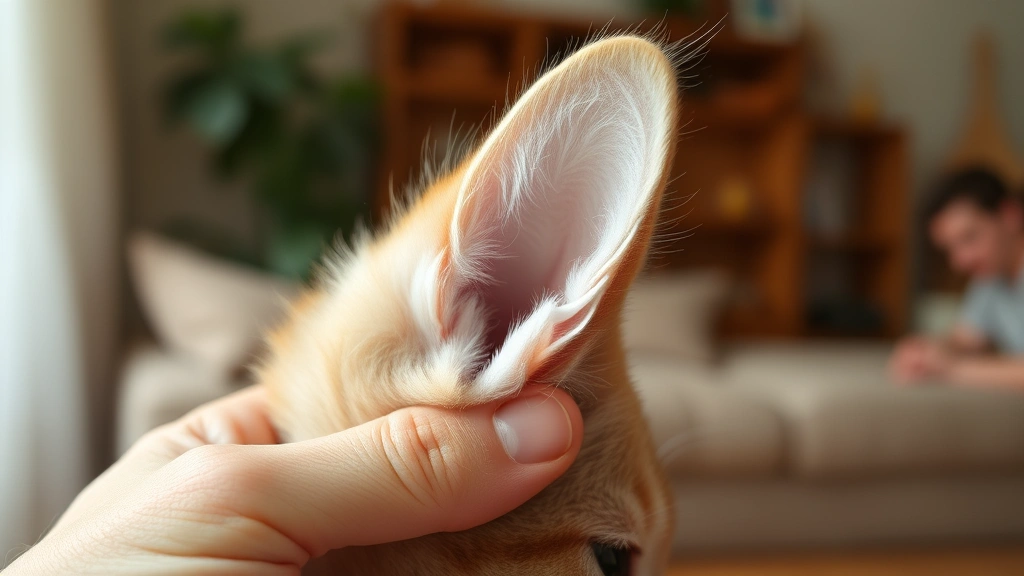
Finally, your vet will discuss their findings with you, explain what they think is going on, and outline next steps. This might include at-home care instructions, recommendations for a topical treatment, or a referral for an in-person exam if they suspect something more complex.
When You Might Need an In-Person Visit Instead
While telehealth is wonderful for many ear infection concerns, some situations really do require an in-person examination. If your vet suspects the eardrum might be damaged, they’ll need to use an otoscope to look deep into the ear canal. Similarly, if your cat has severe pain, balance problems, or signs of a deeper infection, hands-on assessment becomes necessary.
Your vet might also recommend an in-person visit if they need to clean out the ear canal, take a sample for testing, or if your cat isn’t responding to initial treatment. The good news is that your online consultation helps your vet determine whether an in-person visit is truly needed, potentially saving you an unnecessary trip while ensuring your cat gets appropriate care.
Treatment Options Your Vet Might Recommend
Once your vet has assessed your cat’s ear infection, they’ll discuss treatment options tailored to your cat’s specific situation. Most ear infections in cats respond well to targeted treatment, especially when caught early. Your vet will explain what they recommend and why.
Treatment approaches typically focus on addressing the underlying cause—whether that’s bacterial overgrowth, yeast, ear mites, or inflammation—and making your cat comfortable. Your vet might recommend ear cleaning, topical medications, or other interventions based on what they observe. They’ll also discuss whether any follow-up visits or checks are needed to ensure your cat is improving.
If you are unsure whether your pet needs urgent care, a quick telehealth check-in can give you peace of mind—no appointment needed. This is especially helpful when you’re not sure if the ear issue is serious or just a minor irritation.
How to Support Your Cat’s Recovery at Home
After your telehealth consultation, much of your cat’s recovery happens in your home. Following your vet’s instructions carefully is crucial, and there are also gentle things you can do to support your cat’s comfort during treatment.
Keep the ear area clean and dry as directed by your vet. If your vet prescribed ear drops or other topical treatments, follow the schedule precisely—consistency matters. Watch for any worsening of symptoms or new concerning signs, and don’t hesitate to reach back out if something doesn’t feel right.
Additionally, consider whether environmental factors might be contributing. If your cat has allergies or spends time in damp conditions, addressing those issues can prevent future ear infections. Your vet can guide you on whether these factors are relevant to your cat’s situation.
The Advantages of Choosing Telehealth for Your Cat’s Ear Concerns
Telehealth veterinary care offers real, practical benefits for worried cat owners dealing with ear infections. First, there’s convenience—you can schedule a consultation around your life, often getting seen the same day or next day rather than waiting weeks for an appointment.
Second, there’s the stress factor. Many cats find vet visits anxiety-inducing, so having a consultation happen at home where your cat feels safe can lead to better communication with your vet and a calmer experience overall. You’re also saving time and money on travel, parking, and waiting room time.
Finally, telehealth creates a documented record of your cat’s health journey. You and your vet can reference previous conversations, photos, and recommendations, which is invaluable if patterns emerge or if your cat needs to see a specialist. For something like ear infections, where follow-up is often important, this continuity of care is genuinely helpful.

When to Seek Urgent or Emergency Care
While most ear infections can be managed through telehealth consultations and routine care, certain situations require immediate attention. If your cat is showing severe pain, inability to eat or drink, signs of infection spreading (like facial swelling or fever), or sudden balance problems, don’t wait for a scheduled telehealth appointment—seek emergency care right away.
Similarly, if your cat has a ruptured eardrum or if you suspect a foreign object lodged in the ear, these are situations where hands-on emergency veterinary care is necessary. Your telehealth vet can help you determine if your situation falls into this urgent category, but when in doubt, it’s always better to err on the side of caution with your beloved pet.
Frequently Asked Questions
Can a vet diagnose an ear infection through video alone?
A vet can often make a preliminary assessment through video and photos, but a definitive diagnosis might require an in-person exam with specialized equipment like an otoscope. Your telehealth vet will let you know if they need to see your cat in person.
How quickly can I get a telehealth appointment for my cat’s ear infection?
Many telehealth services offer same-day or next-day appointments, depending on availability. This is one of the major advantages over traditional vet clinics where waits can stretch for weeks.
Will my cat need antibiotics for an ear infection?
Treatment depends on the cause of the infection. Your vet will assess whether your cat may be experiencing a bacterial, yeast, or parasitic issue and recommend appropriate care accordingly.
Can ear mites cause the same symptoms as bacterial infections?
Ear mites can cause very similar symptoms including scratching, head shaking, and discharge. Your vet will help determine the cause during your consultation so treatment targets the right issue.
What should I do if my cat’s ear infection gets worse after starting treatment?
Contact your vet immediately. Worsening symptoms might indicate the need for a different treatment approach or an in-person evaluation to rule out complications.
What To Do Now
- Document your cat’s symptoms: Write down when you first noticed the ear issue, what you’re seeing (scratching, discharge, odor), and any behavioral changes. This information is gold during your telehealth consultation.
- Take clear photos or a video: Capture images of your cat’s ear from different angles in good lighting. Include close-ups of any discharge or redness you can safely see.
- Schedule a telehealth appointment: Visit The Pet Vet or your preferred telehealth provider and book a consultation. Many offer same-day or next-day availability, so you won’t be waiting long for answers.
- Gather your cat’s medical history: Have information ready about previous ear issues, allergies, current medications, and any relevant health conditions. This helps your vet give you the most personalized guidance.
- Prepare your space: Make sure you’ll have good lighting and a quiet area for your consultation. Your cat should be nearby but calm—no need to stress them out before the call.
The Bottom Line
Yes, you can absolutely talk to a vet about your cat’s ear infection online, and doing so is often the smartest first step. Telehealth veterinary consultations offer convenience, reduce stress for your cat, and connect you with professional guidance quickly. Your vet can assess your cat’s symptoms through photos, videos, and detailed conversation, and help you determine whether at-home treatment is appropriate or if an in-person visit is needed.
Ear infections are uncomfortable for cats, but they’re also highly manageable when you catch them early and get proper veterinary guidance. By reaching out through telehealth, you’re taking action to help your cat feel better, and you’re doing it in a way that works with your schedule and your cat’s comfort level. Don’t let uncertainty keep you from getting your cat the care they need—a quick online consultation could be the relief you’re both looking for.
For additional guidance on ear concerns in young cats, check out our article on puppy ear infections online. If you’re dealing with other cat health concerns, we also have resources on cat lethargy and cat coughing that might be helpful. For urgent situations, our urgent vet consultation service is available when you need immediate professional guidance.
Your cat depends on you to notice when something’s wrong, and you’re already doing that by reading this. The next step is simple: reach out to a vet, get answers, and help your feline friend feel comfortable again. You’ve got this.