
Updated September 30, 2026. Fact-checked against veterinary sources; review by a licensed veterinarian is in progress. See our editorial policy.
Yes, you can absolutely talk to a vet about cat itching online, and it’s often the fastest way to get answers when your feline friend won’t stop scratching. If you’ve noticed your cat obsessively grooming, biting at their skin, or displaying patches of hair loss, that constant itching is likely causing them real discomfort—and you’re probably wondering what’s happening and how to help.
Table of Contents
- Why Your Cat Is Itching: Common Causes
- Can You Really Diagnose Cat Itching Online?
- Benefits of Talking to a Vet About Cat Itching Online
- What to Expect During an Online Vet Consultation for Cat Itching
- When Online Consultation Is Perfect for Cat Itching
- When You Might Need an In-Person Vet Visit
- Best Online Solutions for Cat Itching
- Recommended Treatments Your Online Vet Might Suggest
- How to Prepare for Your Online Cat Itch Consultation
- Related Skin Issues You Can Address Online
- Next Steps After Your Online Consultation
- Summary: Your Path to Relief for Your Itchy Cat
- Frequently Asked Questions
- What To Do Now
This article is for informational purposes only and is not a substitute for professional veterinary advice. Always consult a licensed veterinarian for diagnosis and treatment.
The good news? Telehealth veterinary consultations make it easier than ever to get professional guidance without leaving your home. Whether your cat’s itching is mild or severe, understanding your options for online vet consultations can help you act quickly and give your cat relief.
Why Your Cat Is Itching: Common Causes
Cat itching stems from several underlying causes, and pinpointing the reason is the first step toward relief. Allergies—whether food-related, environmental, or contact allergies—are among the most common culprits. Fleas, even just one or two, can trigger intense itching that seems out of proportion to the infestation size.
Skin infections caused by bacteria or yeast are also frequent offenders. Ear mites, ringworm (a fungal infection), and other parasites can drive cats to scratch relentlessly. Stress and anxiety sometimes manifest as excessive grooming too, creating a cycle of itching and self-trauma.
Catching the underlying cause early puts you in a great position to help your cat feel better fast.
Can You Really Diagnose Cat Itching Online?
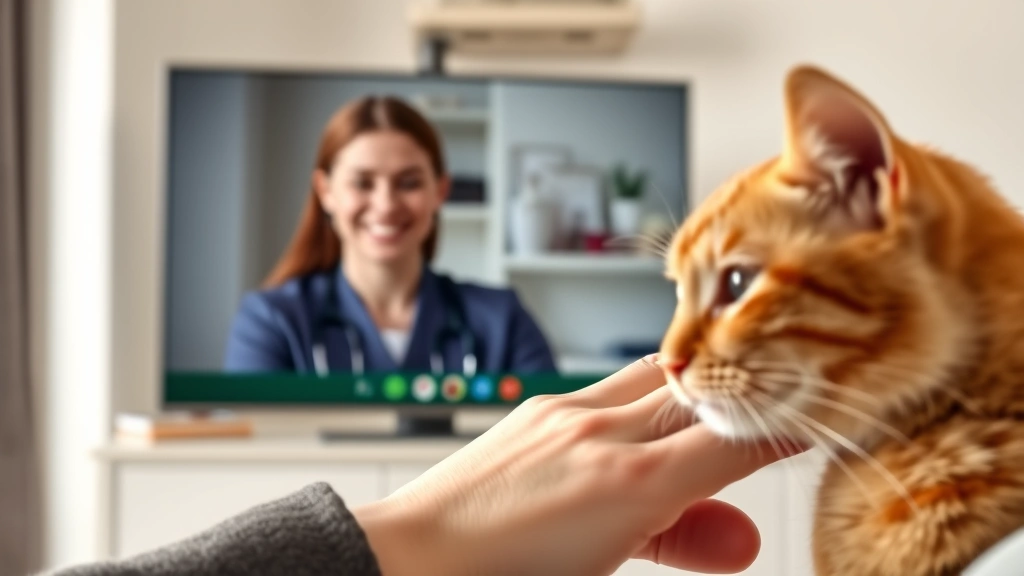
Telehealth vets can’t perform a physical examination in person, but they can gather a lot of valuable information through video consultation. Your vet will ask detailed questions about when the itching started, where on the body it’s most severe, and whether you’ve noticed any other symptoms like discharge, odor, or behavioral changes.
Many online vets ask you to show them your cat during the video call so they can observe the affected areas. They may request photos of any visible skin changes, rashes, or hair loss. This visual information, combined with your detailed description, often provides enough data for a preliminary assessment.
For straightforward cases—like flea allergy dermatitis or obvious environmental allergies—online diagnosis can be quite accurate. More complex cases involving potential infections might require follow-up testing or an in-person visit.
Benefits of Talking to a Vet About Cat Itching Online
Convenience is the biggest advantage. You don’t need to wrestle your cat into a carrier, sit in a waiting room, or take time off work. A telehealth consultation typically happens within hours, not days or weeks.
Cost is often lower than traditional veterinary visits. Online consultations can be 30–50% cheaper than in-clinic appointments, which matters when you’re managing an ongoing skin condition. You’ll also avoid travel time and stress—both for you and your cat.
Here are key benefits at a glance:
- Same-day or next-day availability in most cases
- Lower consultation fees compared to in-clinic visits
- No need to transport a stressed or uncomfortable cat
- Easy access to follow-up questions via messaging
- Prescription delivery options for recommended treatments
What to Expect During an Online Vet Consultation for Cat Itching
When you schedule a telehealth appointment, you’ll receive a link to join a video call at your appointment time. Have your cat nearby (though not necessarily restrained) and be ready to show the vet any affected areas.
The vet will typically start with questions about your cat’s medical history, current diet, indoor or outdoor lifestyle, and any recent changes in environment or routine. They’ll ask when you first noticed the itching and whether it’s constant or intermittent.
During the video portion, the vet may ask you to move your cat’s fur aside to inspect the skin, or show them the ears, paws, or other areas where itching is most noticeable. Be honest about what you’re observing—even small details help.
After the consultation, the vet will discuss their findings and recommend next steps, which might include topical treatments, dietary changes, or prescription medications. Many telehealth platforms allow you to upload photos before your appointment, which the vet reviews ahead of time.
When Online Consultation Is Perfect for Cat Itching
Telehealth works exceptionally well for mild to moderate itching, especially when you know the likely cause. If your cat is scratching but eating, drinking, and acting normally otherwise, an online consultation is ideal.
It’s also great for follow-up visits. Once your vet has examined your cat in person and diagnosed the issue, subsequent check-ins can happen online to monitor progress and adjust treatment as needed.
If you’re unsure whether your pet needs urgent care, a quick telehealth check-in can give you peace of mind—no appointment needed. Many online vets offer same-day emergency consultations for acute problems.
When You Might Need an In-Person Vet Visit
If your cat is severely itching to the point of bleeding, has widespread hair loss, or shows signs of infection (like pus or severe inflammation), an in-person examination is usually necessary. Your vet may need to take skin scrapings, cultures, or other diagnostic samples.
Cats with systemic symptoms—fever, lethargy, vomiting, or diarrhea alongside itching—should be evaluated in person. If your cat is in acute distress or you suspect a serious underlying condition, don’t delay an in-clinic visit.
Some conditions require hands-on assessment that video simply can’t provide. Trust your instinct: if something feels urgent or severe, call your local veterinary clinic or emergency hospital.
Best Online Solutions for Cat Itching
The Pet Vet and similar telehealth platforms connect you with licensed veterinarians who specialize in dermatology and general medicine. These services typically operate 24/7 or extended hours, so you can consult a vet when it’s convenient for you.
When you contact an online vet about your cat’s itching, have this information ready:
- Photos of affected areas (clear, well-lit images)
- A timeline of when itching started and how it’s progressed
- Your cat’s complete medical history and current medications
- Details about your cat’s diet and any recent dietary changes
- Information about flea and parasite prevention currently in use
This preparation helps the vet give you the most accurate assessment and recommendations.
Recommended Treatments Your Online Vet Might Suggest
Depending on the cause, your vet may recommend topical treatments like medicated shampoos or sprays that soothe irritated skin. For allergies, dietary changes or supplements may be suggested to reduce inflammation from the inside out.
Parasite prevention is often prescribed if fleas, mites, or other parasites are suspected. If a bacterial or yeast infection is present, antifungal or antibiotic treatments might be recommended. Your vet will explain how to apply or administer any treatments and what results to expect.
Many online vets can send prescriptions directly to your pharmacy or a pet pharmacy, making it easy to start treatment immediately after your consultation.
How to Prepare for Your Online Cat Itch Consultation
Before your appointment, take clear photos of your cat’s skin, focusing on areas where itching is most visible. Good lighting is essential—use natural daylight if possible. Include photos of your cat’s ears, paws, belly, and any other affected zones.
Write down a timeline of symptoms. When did you first notice the itching? Has it gotten worse, stayed the same, or improved? Are there any patterns—does it happen at certain times of day or after specific activities?
Gather your cat’s medical records, vaccination history, and a list of any medications or supplements your cat currently takes. Have information about your cat’s diet readily available, including brand names and ingredients if you know them.
Finally, make sure you have a quiet space for your video call and a stable internet connection. This helps the vet see and hear you clearly and makes the consultation more productive.
Related Skin Issues You Can Address Online
If your cat is itching, they might also have related skin concerns worth discussing. Kitten skin rashes are often connected to the same underlying causes as itching, so an online vet can address both issues in one consultation.
Ear problems frequently occur alongside itching. If your cat is scratching their ears excessively, discussing cat ear infections online with a vet is a smart next step. You might also explore whether excessive paw licking in kittens is related to allergies or parasites.
Some cats with severe skin issues develop secondary conditions. If your cat’s itching has progressed to a more serious concern, conditions like scabies in cats should be ruled out by a professional.
Next Steps After Your Online Consultation
Once you receive your vet’s recommendations, follow their treatment plan closely. If you’ve been prescribed medications or topical treatments, apply them exactly as directed—consistency matters for skin conditions.
Monitor your cat’s response to treatment over the next week or two. Is the itching decreasing? Are you seeing improvement in the skin’s appearance? Keep notes on what you observe so you can share updates with your vet.
Many online vets offer follow-up messaging or video check-ins to assess progress. Don’t hesitate to reach out if your cat’s condition worsens or doesn’t improve as expected. Skin issues sometimes require treatment adjustments.
Summary: Your Path to Relief for Your Itchy Cat
Yes, you can talk to a vet about cat itching online, and it’s often the fastest, most convenient way to get professional help. Telehealth consultations allow licensed vets to assess your cat’s symptoms, ask detailed questions, and recommend treatment—all from the comfort of your home.
Whether your cat’s itching is caused by allergies, parasites, infections, or stress, an online vet can help you identify the problem and create a plan to ease your cat’s discomfort. The process is straightforward: schedule an appointment, prepare photos and information, join a video call, and receive professional guidance.
Remember, while telehealth is excellent for many cases, severe itching with signs of infection or systemic illness may require an in-person visit. Trust your instincts about your cat’s health, and don’t hesitate to seek emergency care if needed.
Frequently Asked Questions
Can a vet prescribe medication for cat itching online?
Yes, most online vets can prescribe medications after a consultation. They’ll send the prescription to your pharmacy or a pet pharmacy, and you can start treatment right away.
How long does an online vet consultation for cat itching usually take?
Most telehealth consultations last 15–30 minutes, depending on the complexity of your cat’s case and how many questions the vet needs to ask.
Is online vet consultation cheaper than in-person visits?
Generally, yes. Online consultations often cost 30–50% less than traditional in-clinic appointments, though prices vary by platform and vet.
What if the online vet thinks my cat needs an in-person exam?
If the vet determines that your cat requires hands-on examination or diagnostic testing, they’ll recommend a local in-person visit and can provide referrals or guidance on next steps.
Can telehealth vets diagnose ringworm or other fungal infections?
Telehealth vets can suspect fungal infections based on symptoms and appearance, but confirming ringworm typically requires a fungal culture or other lab test, which may need an in-person visit.
What To Do Now
- Take clear, well-lit photos of your cat’s affected skin areas and any visible itching behavior to share with your online vet.
- Gather your cat’s medical history, current medications, and dietary information so you’re prepared for your consultation.
- Schedule a telehealth appointment with The Pet Vet or a similar platform—most offer same-day or next-day availability for cat skin concerns.
- During your consultation, describe the timeline of symptoms, where itching is worst, and any other changes you’ve noticed in your cat’s behavior or appearance.
- Follow your vet’s treatment recommendations closely and monitor your cat’s progress over the next 1–2 weeks, noting any improvements or concerns to share in follow-up messages.
This article is for general education and is not a substitute for care from your own veterinarian. Learn about The Pet Vet and our editorial policy.