
Yes, you can absolutely talk to a vet about cat licking paws online, and it’s one of the easiest ways to get answers when your feline friend won’t stop chewing or licking their feet. If you’ve noticed your cat obsessively grooming their paws, you’re probably wondering what’s causing it and whether it needs immediate attention—and that’s exactly what a telehealth vet can help you figure out from the comfort of your home.
Table of Contents
- Why Your Cat May Be Licking Their Paws Excessively
- How Telehealth Makes Diagnosing Paw Licking Easier
- Common Causes Behind Excessive Paw Licking in Cats
- When to Seek Online Veterinary Care for Paw Licking
- What to Have Ready Before Your Online Vet Appointment
- Treatment Options Your Vet Might Recommend
- How The Pet Vet Makes Online Care Convenient
- Related Conditions to Be Aware Of
- Tips for Managing Paw Licking at Home While Waiting for Vet Guidance
- Frequently Asked Questions
- What To Do Now
- Summary
This article is for informational purposes only and is not a substitute for professional veterinary advice. Always consult a licensed veterinarian for diagnosis and treatment.
Why Your Cat May Be Licking Their Paws Excessively
Cats groom themselves constantly, but when paw licking crosses the line into obsessive behavior, something’s usually going on. The causes range from minor irritations to underlying health conditions that deserve professional attention.
Allergies are one of the most common culprits. Just like humans, cats can develop allergies to food, environmental factors, or contact irritants. When allergies strike, their paws become itchy, and licking provides temporary relief—but it often makes things worse.
Parasites like fleas are another frequent reason. Even indoor cats can pick up fleas, and just one bite can trigger intense itching. You might not always see the fleas themselves, but excessive paw licking is a telltale sign something’s bothering your cat’s skin.
Skin infections—whether fungal, bacterial, or yeast-related—also cause cats to focus on their paws. These infections can develop after an injury, in warm and moist environments, or simply from your cat’s immune system being compromised.
How Telehealth Makes Diagnosing Paw Licking Easier
One of the biggest advantages of online veterinary care is that you can describe what you’re seeing in real time. A vet can ask detailed questions about when the licking started, whether it’s seasonal, if you’ve noticed any redness or swelling, and whether your cat seems uncomfortable or stressed.
During a telehealth consultation, your vet will likely ask you to show them your cat’s paws on video. This visual assessment helps them spot redness, hair loss, swelling, or other signs that point toward a specific cause. Catching these details early puts you in a great position to help.
Telehealth vets can also discuss your cat’s diet, living environment, and recent changes that might be contributing to the behavior. They’ll ask whether your cat has been licking just one paw or all four, and whether the behavior is constant or happens at specific times of day.
Common Causes Behind Excessive Paw Licking in Cats
Understanding what might be causing your cat’s behavior helps you feel more confident when talking to a vet online. Here are the most frequent reasons cats obsessively lick their paws:
- Allergies (food or environmental): Seasonal or year-round itching that drives cats to lick their paws repeatedly.
- Fleas or other parasites: Even one flea can cause intense itching; check for tiny black specks in your cat’s fur.
- Fungal infections like ringworm: These are contagious and require specific treatment; you may notice circular patches of hair loss.
- Bacterial skin infections: Often secondary to scratching or other skin damage; can cause redness and swelling.
- Yeast infections: Create itchy, uncomfortable paws; your cat may have a distinctive odor on their feet.
- Dry skin: Especially common in winter or dry climates; causes mild to moderate itching.
- Stress or anxiety: Some cats lick their paws as a self-soothing behavior when anxious; this is sometimes called psychogenic alopecia.
- Pain or injury: A splinter, cut, or joint pain might make your cat focus on one particular paw.
When to Seek Online Veterinary Care for Paw Licking
Not every instance of paw licking requires an emergency visit, but certain signs mean you should reach out to a vet sooner rather than later. If your cat has been licking their paws for more than a few days, or if the behavior is getting worse, a telehealth consultation is a smart first step.
Red flags that warrant prompt attention include visible swelling, discharge, a foul odor coming from the paws, hair loss around the affected area, or signs that your cat is in pain (limping, reluctance to walk, or vocalization when touching the paw).
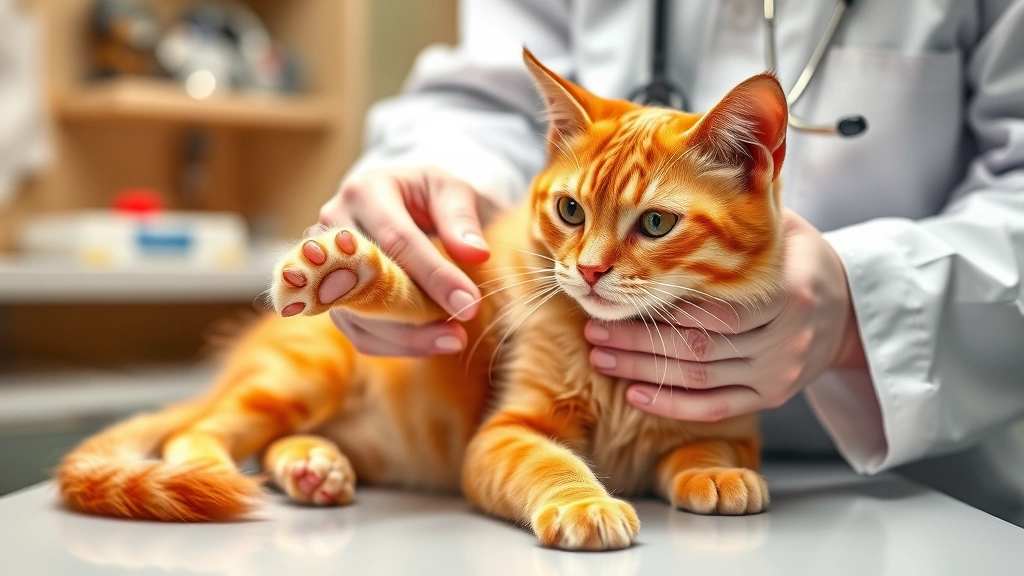
If you are unsure whether your pet needs urgent care, a quick telehealth check-in can give you peace of mind—no appointment needed. Many online vets can assess whether your cat needs in-person examination or lab work, or whether home management might be enough.
What to Have Ready Before Your Online Vet Appointment
Preparation makes your telehealth consultation more productive. Gather a few key pieces of information before you log in:
- Note when the paw licking started and how often it happens (constant, occasional, during specific times).
- Describe any changes in your cat’s environment, diet, or routine recently.
- Have your cat’s medical history and current medications (if any) available.
- Be ready to show your cat’s paws on video—good lighting helps the vet see any redness, swelling, or hair loss.
- Mention whether your cat is indoor-only, indoor-outdoor, or spends time with other animals.
- Note any other symptoms: scratching elsewhere, behavior changes, appetite changes, or bathroom habit changes.
Treatment Options Your Vet Might Recommend
Once your vet has assessed your cat’s paw licking, they’ll likely recommend a treatment plan tailored to the underlying cause. For allergies, this might include dietary changes, supplements, or environmental modifications.
If parasites are suspected, your vet will recommend an appropriate flea prevention or parasite treatment. Many of these are available through online prescription services, making it convenient to start treatment right away.
For skin infections, your vet may prescribe topical treatments like antifungal creams or antibacterial washes. In some cases, oral medications might be necessary. Your telehealth vet can explain exactly how to apply treatments and what results to expect.
Stress-related paw licking sometimes improves with environmental enrichment, calming aids, or behavioral modifications. You might find our article on cat calming supplements helpful if anxiety is a factor.
How The Pet Vet Makes Online Care Convenient
The Pet Vet’s telehealth platform is designed with busy pet owners in mind. You can connect with a licensed veterinarian via video, phone, or chat—whatever works best for your schedule. There’s no waiting room, no travel time, and no stress of loading your cat into a carrier.
Our vets understand that cat owners need quick answers without the hassle of traditional clinic visits. Whether you’re concerned about excessive paw licking or other symptoms like ear infections or digestive issues, we’re here to help you understand what’s happening and create a plan.
Related Conditions to Be Aware Of
Sometimes excessive paw licking is part of a broader pattern. If your cat is also shaking, trembling, or showing unusual sensitivity to touch, they might be experiencing something like feline hyperesthesia syndrome, which a telehealth vet can help clarify.
Similarly, if paw licking is accompanied by other skin issues, it’s worth mentioning to your vet. Cats with compromised skin barriers are more susceptible to secondary infections, so addressing the root cause early prevents complications.
Tips for Managing Paw Licking at Home While Waiting for Vet Guidance
While you’re arranging your telehealth consultation, a few gentle steps can help soothe your cat and prevent the behavior from worsening:
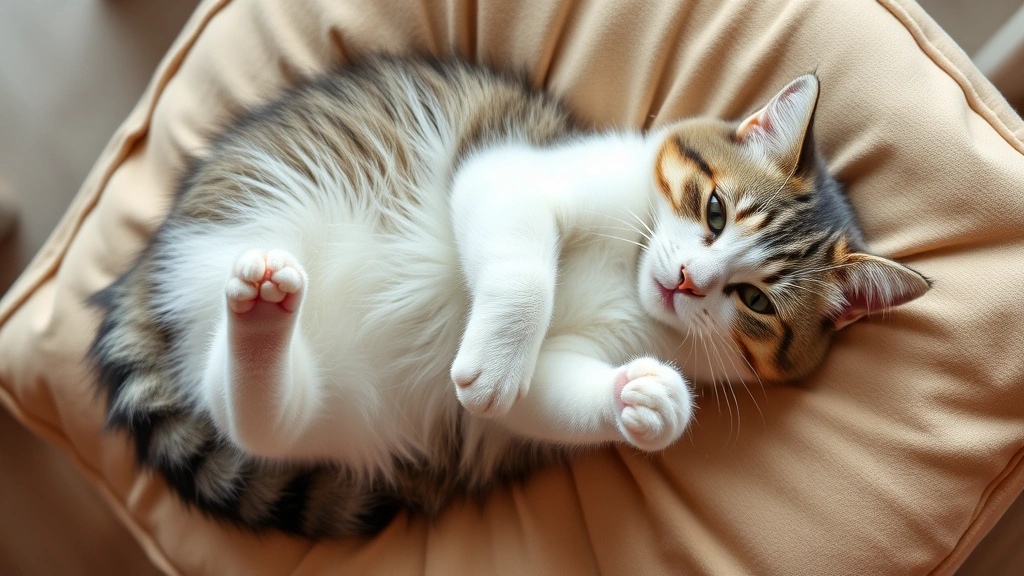
- Keep your cat’s paws clean and dry; moisture can worsen infections or irritation.
- Avoid harsh chemicals or scented litters that might irritate sensitive skin.
- Provide mental stimulation and play to reduce stress-related licking.
- Check your cat’s paws regularly for signs of infection, swelling, or injury.
- Avoid applying human medications or remedies without vet approval.
- If fleas are a concern, ensure your cat is on appropriate prevention (after consulting your vet).
Frequently Asked Questions
Can a telehealth vet diagnose ringworm or fungal infections through video?
A telehealth vet can assess for signs of fungal infection like circular hair loss or scaling, but they may recommend an in-person exam or lab culture to confirm diagnosis. Visual assessment combined with your description helps them determine next steps.
What if my cat’s paw licking is caused by stress?
Stress-related paw licking (psychogenic alopecia) can be managed through environmental enrichment, reducing stressors, and sometimes with calming supplements or medications your vet recommends. A telehealth vet can help identify stress triggers and suggest solutions.
Is it safe to treat paw licking at home without seeing a vet?
It depends on the cause. Minor dry skin might improve with environmental changes, but persistent licking usually needs professional evaluation to rule out infections, parasites, or allergies. A quick telehealth consultation can clarify whether home care is appropriate.
How quickly can I get a telehealth appointment for my cat’s paws?
Many telehealth platforms, including The Pet Vet, offer same-day or next-day appointments. You can often connect with a vet within hours, making it faster than scheduling a traditional clinic visit.
Will my vet prescribe medication through a telehealth visit?
Yes, if appropriate, your telehealth vet can prescribe medications and send them to a pharmacy or mail them directly to you. They’ll explain dosing, application, and what to watch for while your cat is being treated.
What To Do Now
Take action today to help your cat feel better:
- Schedule a telehealth consultation with The Pet Vet or another licensed online veterinarian to discuss your cat’s paw licking and get a professional assessment.
- Gather information about when the licking started, any environmental or dietary changes, and what you’ve observed about your cat’s behavior and paw appearance.
- Take clear photos or video of your cat’s paws in good lighting to share during your appointment—this helps your vet see what you’re seeing.
- Prepare a list of questions about treatment options, prevention, and what to do if the behavior worsens before your appointment.
- Start gentle home care by keeping paws clean and dry, and reducing stressors while you wait for professional guidance.
Summary
Yes, you can absolutely talk to a vet about cat licking paws online, and it’s one of the most convenient ways to get answers quickly. Excessive paw licking can stem from allergies, parasites, skin infections, stress, or injury—and a telehealth vet can help you narrow down the cause through detailed assessment and questions.
The Pet Vet and other online veterinary platforms make it easy to connect with licensed professionals without the hassle of travel or waiting rooms. Whether your cat’s paw licking is a minor annoyance or a sign of something more serious, reaching out for professional guidance puts you in the best position to help your feline friend feel comfortable again.
Don’t wait if the behavior is persistent or accompanied by visible signs of infection or pain. A quick telehealth check-in can give you peace of mind and a clear action plan—because your cat’s comfort and health matter.