
Yes, you can absolutely talk to a vet about cat licking paws online—and it’s often one of the fastest ways to get answers when your feline friend won’t stop grooming those paws. If you’ve noticed your cat obsessively licking or chewing at their paws, you’re probably wondering what’s going on and whether it’s something to worry about. The good news is that online veterinary consultations make it incredibly convenient to get professional insight without leaving your home.
Table of Contents
- Why Your Cat Might Be Licking Their Paws Constantly
- Allergies and Skin Conditions: The Most Common Culprits
- Parasites: Don’t Overlook the Tiny Troublemakers
- Behavioral and Emotional Causes: Stress and Anxiety Matter
- How Online Vet Consultations Work for Paw Licking
- What to Expect During Your Online Consultation
- When to Seek Immediate In-Person Care
- Practical Steps to Take at Home While You Wait
- The Advantages of Telehealth for Pet Parents
- Understanding the Difference: Cats vs. Other Pets
- Prevention Tips for the Future
- Frequently Asked Questions
- What To Do Now
- Summary: Getting Help for Your Cat’s Paw Licking Has Never Been Easier
This article is for informational purposes only and is not a substitute for professional veterinary advice. Always consult a licensed veterinarian for diagnosis and treatment.
Why Your Cat Might Be Licking Their Paws Constantly
Excessive paw licking in cats can stem from several different causes, and pinpointing the reason is key to helping your pet feel better. Sometimes it’s something simple like a stuck piece of debris or dried mud, but other times it signals an underlying health issue that needs attention. The behavior itself is your cat’s way of communicating discomfort or stress.
Common reasons include allergies, parasites, skin infections, anxiety, or even boredom-related behaviors. Since cats can’t tell us what’s wrong, they often show discomfort through excessive grooming. Catching this early puts you in a great position to help your cat get relief quickly.
Allergies and Skin Conditions: The Most Common Culprits
Allergies are one of the leading reasons cats lick their paws excessively. These could be environmental allergies (like pollen or dust), food allergies, or contact allergies from litter, cleaning products, or flooring materials. When a cat’s skin is irritated, they instinctively groom the area more intensely.
Skin conditions like dermatitis, fungal infections, or bacterial infections can also trigger constant paw licking. You might notice redness, swelling, or even a foul odor around the affected area. An online vet can help you describe these symptoms and determine whether your cat needs further evaluation or treatment.
Parasites: Don’t Overlook the Tiny Troublemakers
Fleas and mites are notorious for causing intense itching, and cats will often focus their licking on their paws and legs. Even indoor cats can pick up parasites, so don’t assume your cat is safe just because they stay inside. A single flea bite can trigger an allergic reaction that sends your cat into a licking frenzy.
During an online vet consultation, you can share details about your cat’s indoor or outdoor status, whether they’re on flea prevention, and any other pets in the home. This information helps your vet narrow down whether parasites could be the issue.
Behavioral and Emotional Causes: Stress and Anxiety Matter
Not all paw licking is physical. Cats experiencing stress, anxiety, or boredom may develop obsessive grooming habits as a coping mechanism. Changes in your home—like a new pet, moving, or even a shift in your routine—can trigger this behavior. Some cats also lick their paws as a self-soothing behavior when they’re feeling overwhelmed.
If you suspect emotional causes, an online vet can help you explore environmental factors and suggest behavioral strategies. Talking to a vet about cat anxiety is a great first step if stress seems to be playing a role.
How Online Vet Consultations Work for Paw Licking
Online veterinary consultations are straightforward and designed with pet owners in mind. You’ll typically start by describing your cat’s symptoms, when you first noticed the licking, and any other behavioral changes. Most platforms allow you to share photos or videos of your cat’s paws, which can be incredibly helpful for the vet to assess redness, swelling, or other visible signs.
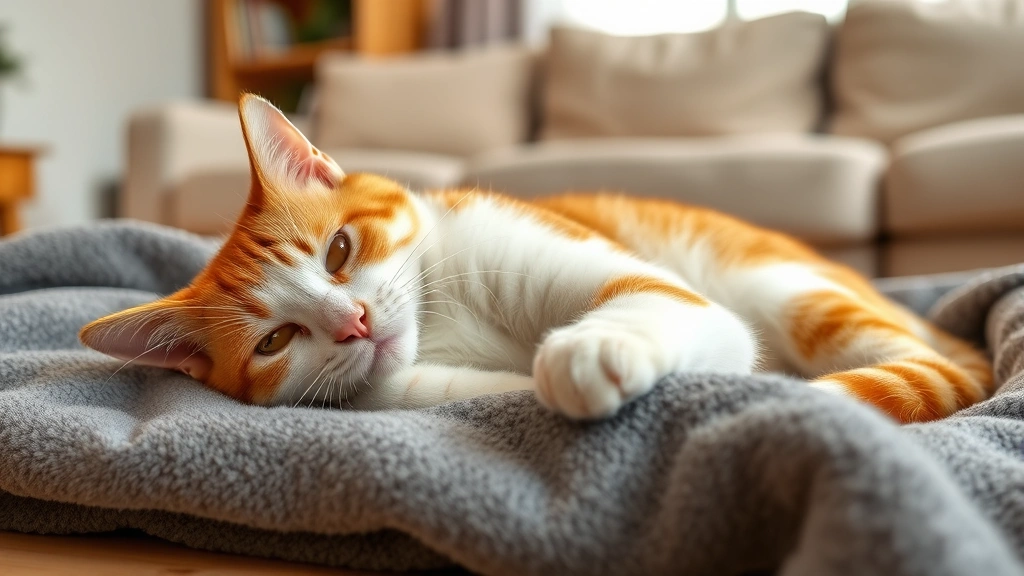
The vet will ask targeted questions about your cat’s diet, environment, recent changes, and medical history. Based on this information, they can provide preliminary guidance, recommend at-home monitoring, or suggest that your cat needs an in-person exam. If you are unsure whether your pet needs urgent care, a quick telehealth check-in can give you peace of mind—no appointment needed.
What to Expect During Your Online Consultation
When you connect with an online vet, have the following information ready:
- How long your cat has been licking their paws
- Whether the licking is constant or intermittent
- Any visible changes to the paws (redness, swelling, discharge, odor)
- Your cat’s current diet and any recent food changes
- Whether your cat is on flea and tick prevention
- Any other symptoms (scratching, hair loss, behavioral changes)
- Your cat’s age and medical history
Having this ready helps the consultation move smoothly and ensures the vet has all the context needed to give you the best guidance. The Pet Vet makes it easy to share photos and details through their platform.
When to Seek Immediate In-Person Care
While online consultations are fantastic for initial assessments, some situations require an in-person vet visit. If your cat’s paws are bleeding, severely swollen, have an open wound, or show signs of infection (like pus or a strong odor), your vet will likely recommend coming in right away. Similarly, if your cat seems to be in significant pain or the licking is accompanied by lethargy or loss of appetite, don’t wait.
Your online vet can help you determine urgency. They’ll guide you on whether a same-day in-person visit is necessary or if monitoring at home overnight is safe.
Practical Steps to Take at Home While You Wait
While you’re arranging an online consultation or waiting for guidance, there are some gentle steps you can take to help your cat:
- Gently inspect your cat’s paws for visible debris, mats, or signs of injury
- Keep your cat’s environment clean and free of irritants like harsh cleaning products
- Ensure your cat is on appropriate flea and tick prevention (if not already)
- Provide enrichment activities like toys or puzzle feeders to reduce boredom-related licking
- Avoid bathing your cat unless specifically advised by your vet, as this can worsen dry skin
These measures won’t replace professional diagnosis, but they can provide some comfort while you seek expert advice.
The Advantages of Telehealth for Pet Parents
Online vet consultations offer real convenience for busy pet owners. You don’t need to schedule weeks in advance, sit in a waiting room, or transport a stressed cat in a carrier. Many telehealth platforms offer same-day or next-day appointments, which means faster answers and faster relief for your cat.
Additionally, online consultations are often more affordable than traditional vet visits, making professional advice more accessible. You can also consult from anywhere—whether you’re at home, at work, or traveling. For concerns like kitten itching, an online vet can provide quick initial guidance that helps you decide on next steps.
Understanding the Difference: Cats vs. Other Pets
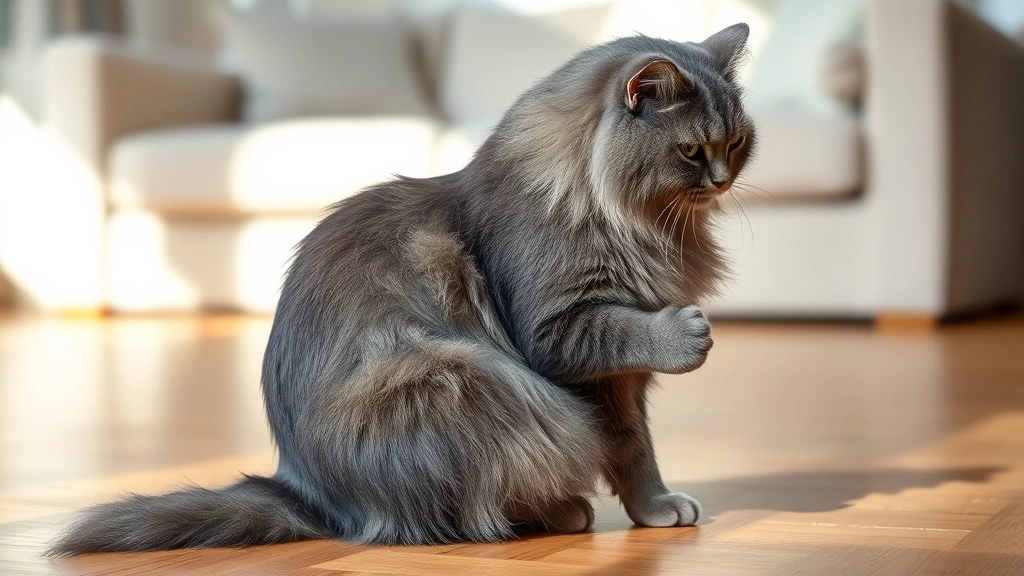
Cat paw licking differs slightly from similar behaviors in dogs. Cats are generally more fastidious groomers, so excessive licking can be easier to spot and more distressing to them. Additionally, cats are often more sensitive to environmental changes and stress, which means behavioral causes might be more likely than in dogs. If you have multiple pets, an online vet can help you determine whether the issue is cat-specific or something affecting your whole household.
For comparison, if you’re also concerned about puppy licking paws, the underlying causes and treatment approaches can vary.
Prevention Tips for the Future
Once you’ve identified and addressed your cat’s paw licking, prevention is key. Keep your cat on year-round flea and tick prevention as recommended by your vet. Maintain a consistent, allergen-free environment by using cat-safe cleaning products and monitoring for changes that might stress your pet.
Regular grooming and nail trimming can also help prevent paw issues. If your cat is prone to anxiety, work with your vet on enrichment strategies and stress-reduction techniques. A healthy diet supports skin and coat health, so discuss nutrition with your vet if you suspect food allergies.
Frequently Asked Questions
Is it normal for cats to lick their paws occasionally?
Yes, occasional paw licking is completely normal grooming behavior. However, if it becomes excessive, constant, or accompanied by other symptoms, it’s worth investigating with a vet.
Can I see a vet online if my cat’s paw licking just started?
Absolutely. In fact, catching the issue early is ideal. An online vet can help you understand what’s happening and whether further evaluation is needed.
Will an online vet be able to prescribe medication if needed?
Many online vets can prescribe medications based on their assessment. However, some conditions may require an in-person exam first. Your vet will let you know what’s possible during your consultation.
How quickly can I get an online vet appointment?
Many telehealth platforms offer same-day or next-day appointments. Some even have vets available within hours, depending on demand and your location.
What if the online vet thinks my cat needs in-person care?
Your online vet will clearly communicate if an in-person visit is necessary and can often help you schedule one or provide a referral to a local clinic.
What To Do Now
- Schedule an online vet consultation through The Pet Vet or another telehealth platform to discuss your cat’s paw licking
- Gather information about when the licking started, any visible paw changes, and your cat’s diet and environment to share with the vet
- Take clear photos or a short video of your cat’s paws to show the vet during your consultation
- Review your cat’s current flea and tick prevention status and discuss it during your appointment
- Follow your vet’s recommendations and schedule a follow-up if needed to monitor improvement
Summary: Getting Help for Your Cat’s Paw Licking Has Never Been Easier
Yes, you can talk to a vet about cat licking paws online—and it’s one of the smartest moves you can make when you’re concerned about your feline friend. Online veterinary consultations offer convenience, speed, and professional expertise without the hassle of traditional vet visits. Whether the cause is allergies, parasites, skin conditions, or behavioral stress, an online vet can help you identify the issue and create a plan to help your cat feel better.
The key is to act sooner rather than later. The longer excessive paw licking continues, the more your cat can suffer—and the greater the risk of secondary infections from self-trauma. Reach out to an online vet today, describe what you’re seeing, and get the peace of mind that comes from professional guidance. Your cat will thank you.