
Yes, you can talk to a vet about cat limping online, and it’s often the fastest way to get peace of mind when your feline friend starts favoring a paw. If you’ve noticed your cat walking strangely, limping, or reluctant to put weight on a leg, that sinking feeling of worry is completely valid. The good news? You don’t have to wait days for an in-person appointment or wonder if it’s serious enough to rush to an emergency clinic.
Table of Contents
- Why Your Cat Might Be Limping: Common Causes
- How Online Vet Consultations Work for Cat Limping
- When Online Consultation Is Enough (And When It’s Not)
- What to Expect: The Telehealth Vet Conversation
- Steps to Take at Home While Waiting for Your Vet Appointment
- The Benefits of Choosing Online Vet Care for Cat Limping
- Red Flags: When to Seek Emergency Care Immediately
- Recovery and Follow-Up Care After Your Online Consultation
- How The Pet Vet Makes Online Cat Care Convenient
- Frequently Asked Questions
- What To Do Now
- The Bottom Line
This article is for informational purposes only and is not a substitute for professional veterinary advice. Always consult a licensed veterinarian for diagnosis and treatment.
Telehealth veterinary services like The Pet Vet make it possible to connect with a licensed veterinarian from your couch—sometimes within minutes. A vet can assess your cat’s limping through video, ask detailed questions about what you’ve observed, and help you decide on next steps. Whether it’s a minor sprain, an infection, or something that needs urgent in-person evaluation, an online vet visit gives you answers quickly.
Why Your Cat Might Be Limping: Common Causes
Cat limping can stem from many different causes, ranging from minor to more serious. Understanding what might be going on helps you describe the situation clearly to a vet and prepares you for what comes next.
One of the most common reasons cats limp is a soft tissue injury—think of a sprain, strain, or muscle pull from jumping, playing, or a fall. Cats are naturally athletic, but sometimes they misjudge a landing or overextend themselves. These injuries often improve with rest but should still be evaluated by a professional.
Infections or abscesses are another frequent culprit, especially if your cat spends time outdoors. A bite wound from another animal or a thorn puncture can become infected and cause noticeable limping within a day or two. Catching this early puts you in a great position to help your cat heal faster.
Arthritis is particularly common in older cats and may develop gradually, making them reluctant to jump or walk normally on affected legs. Nail or paw pad injuries—like a torn claw, splinter, or pad laceration—can also cause sudden limping that looks worse than it actually is.
Less common but still possible: fractures, ligament tears, or underlying joint issues. These typically cause more obvious signs of pain and should be addressed promptly.
How Online Vet Consultations Work for Cat Limping
If you’re new to telehealth, the process is simpler than you might think. When you can I talk to a vet about cat limping online through a platform like The Pet Vet, you’ll typically start by booking an appointment—sometimes available within the hour.
During the video call, the vet will ask you detailed questions: When did the limping start? Is it constant or intermittent? Does your cat seem to be in pain? Has there been any recent trauma, falls, or outdoor exposure? Are there any swelling, discharge, or visible wounds? The vet will also want to know about your cat’s age, overall health, and any medications they’re taking.
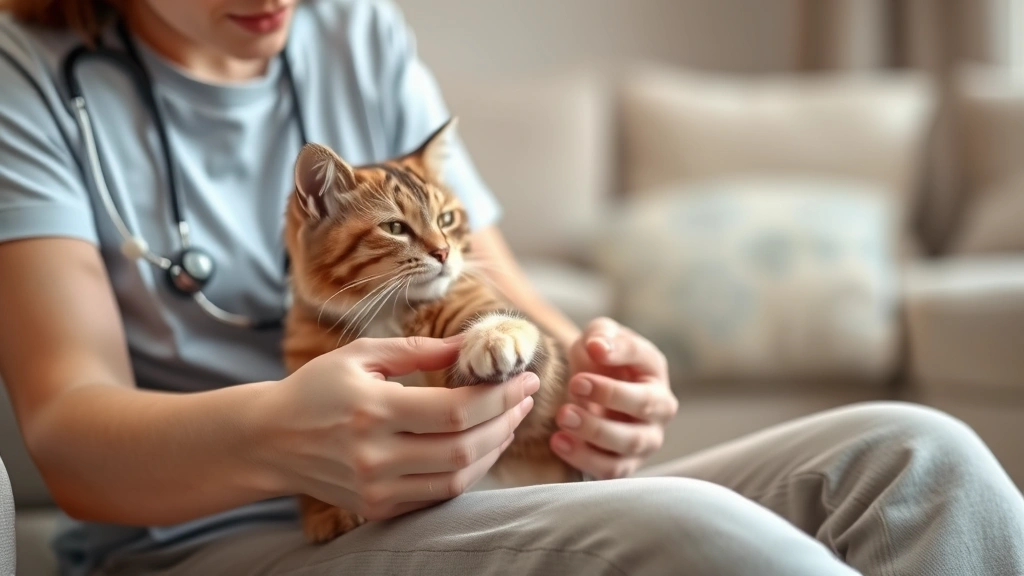
Then comes the visual assessment. While the vet can’t physically examine your cat, they can watch your cat move, observe the affected limb, and look for signs of swelling or abnormal positioning. You might be asked to gently manipulate your cat’s leg (if they’ll tolerate it) or walk them across the room so the vet can see the gait clearly.
Based on what they observe and learn, the vet will give you a preliminary assessment and recommend next steps—whether that’s rest and monitoring, an in-person exam, or urgent emergency care.
When Online Consultation Is Enough (And When It’s Not)
Online vet consultations are excellent for initial triage and peace of mind, but they have limits. A telehealth vet cannot perform a physical examination, take X-rays, run blood work, or prescribe certain treatments that require hands-on assessment.
Online consultation may be sufficient if:
- Your cat has a minor limp with no visible injury and normal behavior otherwise
- You need guidance on at-home care and monitoring
- You’re unsure whether the situation warrants an urgent in-person visit
- You want professional reassurance before scheduling a regular appointment
- Your cat is recovering from a known minor injury and you want to check progress
You’ll likely need an in-person visit if:
- Your cat shows severe limping, inability to bear weight, or signs of intense pain
- There’s visible swelling, discharge, or a wound that needs cleaning or sutures
- The vet suspects a fracture, ligament tear, or joint issue
- Limping persists beyond a few days without improvement
- Your cat has other symptoms like fever, lethargy, or loss of appetite
If you are unsure whether your pet needs urgent care, a quick telehealth check-in can give you peace of mind—no appointment needed. The vet can help you determine the right level of care.
What to Expect: The Telehealth Vet Conversation
Before your appointment, gather some information to share. Note when the limping started, whether it’s gotten better or worse, and any events that might have triggered it. Have your cat’s medical history handy, including their age, weight, and any chronic conditions.
During the call, be as specific as possible about what you’re observing. Instead of saying “my cat is limping,” try: “My cat isn’t putting any weight on her back left leg, and I noticed mild swelling around the paw this morning.” Details like this help the vet narrow down possibilities.
Don’t hesitate to ask questions. A good telehealth vet will explain their thinking, discuss possible causes, and walk you through what monitoring at home should look like. They’ll also tell you what red flags would warrant an emergency visit—for example, if limping suddenly worsens or your cat stops eating.
Many online vets can send prescriptions directly to your pharmacy if needed, and they’ll document the visit in your cat’s medical record for continuity of care.
Steps to Take at Home While Waiting for Your Vet Appointment
While you’re arranging a telehealth consultation or waiting for your appointment time, there are several things you can do to help your cat feel more comfortable and prevent the situation from worsening.
Rest is your first line of defense. Encourage your cat to stay calm and limit jumping or running. Keep them in a quiet space with easy access to food, water, and the litter box. If stairs are an issue, set up a temporary “recovery zone” on one floor.
Observe for changes. Watch for improvements or worsening over the next few hours. Take note of how often your cat is limping, whether they’re eating and drinking normally, and if there are any new symptoms like discharge or odor from the affected paw.
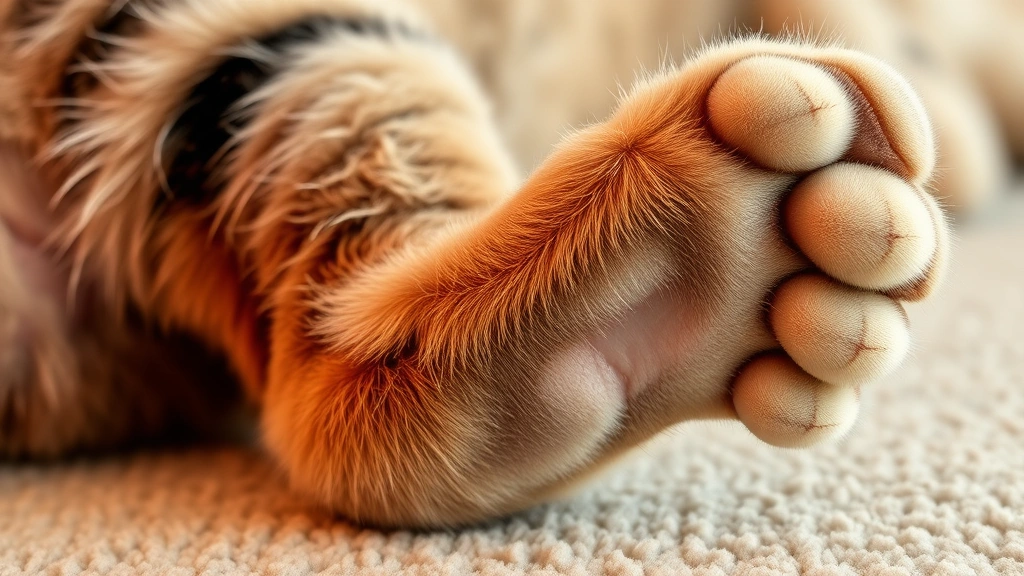
Gentle care of the paw: If you can safely inspect the limping leg, look for obvious injuries like thorns, splinters, or bite wounds. If you find a foreign object and can remove it easily, do so. Otherwise, leave it for the vet. You can gently clean a minor wound with warm water, but avoid any aggressive treatment.
Avoid self-treating with medications unless your vet specifically tells you it’s okay. Even over-the-counter pain relievers for humans can be dangerous for cats.
Keep a photo or video record. If you notice swelling or other changes, snap a photo or short video to show the vet. This visual documentation is incredibly helpful during a telehealth visit.
The Benefits of Choosing Online Vet Care for Cat Limping
Telehealth veterinary services offer real advantages when your cat is limping and you need answers fast. The most obvious benefit is speed—you can often connect with a vet within minutes or hours, not days. This means less time spent worrying and more time getting professional guidance.
There’s also the comfort factor. Many cats are less stressed during a telehealth visit because they’re in their own home, not in a scary clinic environment. A calmer cat is easier to assess and more likely to cooperate with the vet’s questions and requests.
Cost is another consideration. Telehealth consultations are typically less expensive than a full in-person office visit, making it an affordable way to get professional input before committing to a more involved evaluation.
For cat owners who live far from a veterinary clinic or have mobility challenges, telehealth removes barriers to care. You get access to licensed vets without travel time or hassle.
Perhaps most importantly, telehealth helps you make smarter decisions about your cat’s care. Instead of guessing whether you need emergency care or can wait for a regular appointment, a vet gives you clear guidance based on what they observe.
Red Flags: When to Seek Emergency Care Immediately
While many cases of cat limping can be handled through telehealth or a regular vet appointment, some situations require immediate emergency care. If you notice any of these signs, don’t wait for a scheduled call—contact an emergency vet clinic or animal hospital right away.
Severe pain or inability to move: If your cat is crying out, unable to stand, or completely unable to use a limb, this needs urgent evaluation. Severe pain can indicate a fracture, severe sprain, or other acute injury.
Visible trauma or severe swelling: A limb that’s visibly deformed, has a deep wound, or shows extreme swelling suggests something serious that needs imaging and possible surgery.
Signs of shock or systemic illness: If your cat is pale, cold to the touch, has rapid or shallow breathing, or is unresponsive, these are emergency signs that go beyond simple limping.
Limping combined with other symptoms: If your cat is limping and also vomiting, has diarrhea, won’t eat, or seems lethargic, there may be an underlying condition that needs urgent attention.
Suspected poisoning or toxin exposure: If your cat limped suddenly after eating something unusual or being exposed to a toxin, seek emergency care immediately.
When in doubt, call an emergency clinic and describe what you’re seeing. They can advise whether your cat needs to be seen right away.
Recovery and Follow-Up Care After Your Online Consultation
After your telehealth visit, the vet will have given you specific instructions for follow-up care. This might include rest, activity restriction, pain management strategies, or a timeline for re-evaluation. Follow these instructions carefully—they’re tailored to your cat’s situation.
Most minor limping cases improve within 3-7 days with proper rest. If your cat isn’t showing improvement by day 3-4, or if things get worse, reach out to your vet again. You can I talk to a vet about cat limping online for follow-up questions too, making it easy to stay connected without scheduling a new full appointment.
If the vet recommended an in-person visit, schedule it promptly. Some issues that look minor on video may need hands-on examination and diagnostics like X-rays to rule out fractures or other structural problems.
Keep detailed notes about your cat’s recovery: Is the limp improving daily? Is your cat eating normally? Are they playing and moving around more? This information is gold when you follow up with your vet and helps track whether the treatment plan is working.
How The Pet Vet Makes Online Cat Care Convenient
The Pet Vet specializes in making telehealth accessible and stress-free for pet owners. Our licensed veterinarians understand the urgency and worry that comes with a limping cat, and we’re designed to help you quickly.
Booking an appointment takes minutes, and you’ll often be connected with a vet the same day. Our platform is intuitive—no complicated technology to figure out. You simply video call with your vet, show them your cat, and get professional guidance in real time.
We keep detailed medical records, so if you need follow-up consultations, the vet has your cat’s history at hand. We can also coordinate with your regular veterinarian or refer you to local specialists if needed.
Most importantly, we treat your cat’s health with the same care and attention you’d expect from an in-person visit. Your concerns are our priority, and we’re here to help you navigate what comes next.
Frequently Asked Questions
Can a vet diagnose a fracture during an online consultation?
No, a vet cannot definitively diagnose a fracture without X-rays. However, based on your description and what they observe on video, they can assess whether a fracture is likely and recommend urgent in-person imaging if needed.
Will my cat’s regular vet be upset if I use telehealth first?
Most vets appreciate telehealth as a triage tool. In fact, many veterinary clinics now offer their own telehealth services. A telehealth visit doesn’t replace your regular vet—it helps you decide what level of care your cat needs next.
How much does an online vet consultation typically cost?
Telehealth consultations are generally less expensive than in-person visits, usually ranging from $30-$75 depending on the platform and vet. Check The Pet Vet’s pricing for current rates.
Can the online vet prescribe pain relief for my cat’s limping?
Yes, many telehealth vets can prescribe pain management or anti-inflammatory medications if appropriate. However, they cannot prescribe certain controlled substances without an in-person exam, depending on your location’s regulations.
What if my cat won’t cooperate during the video call?
That’s okay! Tell the vet what you’ve observed and answer their questions thoroughly. If your cat is too stressed to be on camera, describe what you’re seeing and the vet will work with the information you provide. Sometimes the best assessment comes from a detailed conversation rather than video observation.
What To Do Now
- Document the limping: Note when it started, which leg is affected, and whether it’s constant or intermittent. Take a short video if possible to show the vet.
- Book a telehealth appointment: Visit The Pet Vet or another telehealth platform and schedule a consultation for today or tomorrow. Most appointments are available within hours.
- Prepare your cat’s information: Have your cat’s age, weight, medical history, and any current medications ready before the call.
- Keep your cat calm and rested: Limit jumping and running, and monitor for any changes in behavior, appetite, or limping severity while you wait for your appointment.
- Follow the vet’s guidance: After your consultation, implement the vet’s recommendations exactly. If they suggest an in-person visit, schedule it promptly. If they recommend monitoring, keep detailed notes and reach out if things don’t improve within 3-4 days.
The Bottom Line
Yes, you absolutely can talk to a vet about cat limping online, and it’s often the smartest first step when your cat isn’t walking normally. Telehealth gives you fast access to professional guidance, helps you avoid unnecessary emergency visits, and empowers you to make informed decisions about your cat’s care.
Whether your cat has a minor sprain or something more serious, a telehealth vet can help you figure out what’s really going on and what to do next. You don’t have to wait days for an appointment or suffer through uncertainty—answers are just a video call away.
If you’re worried about your cat’s limping right now, don’t hesitate to reach out to The Pet Vet or another telehealth provider. Getting professional eyes on the situation, even virtually, will give you the peace of mind and clarity you need. Your cat’s faster recovery starts with that first conversation.
Related articles that might help:
- Can I Talk to a Vet About Dog Limping Online – Similar guidance for canine limping concerns
- Can I Talk to a Vet About Cat Anxiety Online – Explore telehealth for behavioral concerns
- Can I Talk to a Vet About Cat Lethargy Online – Understand when lethargy accompanies limping