
Yes, you can absolutely talk to a vet about cat limping online, and it’s often the fastest way to get answers when your feline friend isn’t putting weight on a paw. If you’ve noticed your cat favoring one leg, walking stiffly, or reluctant to jump, those first moments of worry are completely understandable—and a telehealth vet can help you figure out what’s going on without the stress of a car ride or waiting room.
Table of Contents
- Why Online Vet Consultations Work Well for Limping Cats
- Common Reasons Cats Limp (And What Vets Look For)
- What to Have Ready Before Your Online Vet Visit
- How to Describe Your Cat’s Limping During the Consultation
- When Limping Requires Urgent In-Person Care
- What to Expect From a Telehealth Vet’s Recommendations
- Managing Your Cat’s Comfort While You Wait for Answers
- The Advantages of Telehealth for Cat Limping Issues
- How The Pet Vet Makes Online Consultations Easy
- Frequently Asked Questions
- What To Do Now
- Summary
This article is for informational purposes only and is not a substitute for professional veterinary advice. Always consult a licensed veterinarian for diagnosis and treatment.
Why Online Vet Consultations Work Well for Limping Cats
Telehealth veterinary visits have become a game-changer for pet owners dealing with mobility issues. A vet can assess your cat’s gait, ask detailed questions about when the limping started, and help you determine if this needs urgent attention or can be managed at home for now.

The beauty of an online consultation is that your cat stays in their familiar, calm environment—which often means they’ll move more naturally than they would in a stressful clinic setting. You’ll get honest, professional guidance without the overhead of an in-person appointment.
Common Reasons Cats Limp (And What Vets Look For)
Limping in cats can stem from many different causes, ranging from minor to more serious. Understanding the possibilities helps you describe symptoms accurately during your telehealth call.

- Sprains or strains: Cats are athletic but sometimes land wrong or overextend a leg during play.
- Paw injuries: Splinters, thorns, torn nails, or pad abrasions are surprisingly common.
- Arthritis: Older cats especially may develop joint stiffness that worsens with activity.
- Fractures or breaks: Falls or accidents can cause breaks that need imaging to confirm.
- Muscle soreness: Overexertion or tension can make cats reluctant to bear weight.
- Infection or abscess: A bite wound or puncture can lead to localized swelling and pain.
- Nerve or neurological issues: Less common, but worth investigating if limping persists.
Catching this early puts you in a great position to help your cat feel better faster. A vet will ask you to describe exactly which leg is affected, how long it’s been happening, and whether your cat seems to be in pain.
What to Have Ready Before Your Online Vet Visit
Preparation makes your telehealth appointment more productive. Here’s what you should gather:
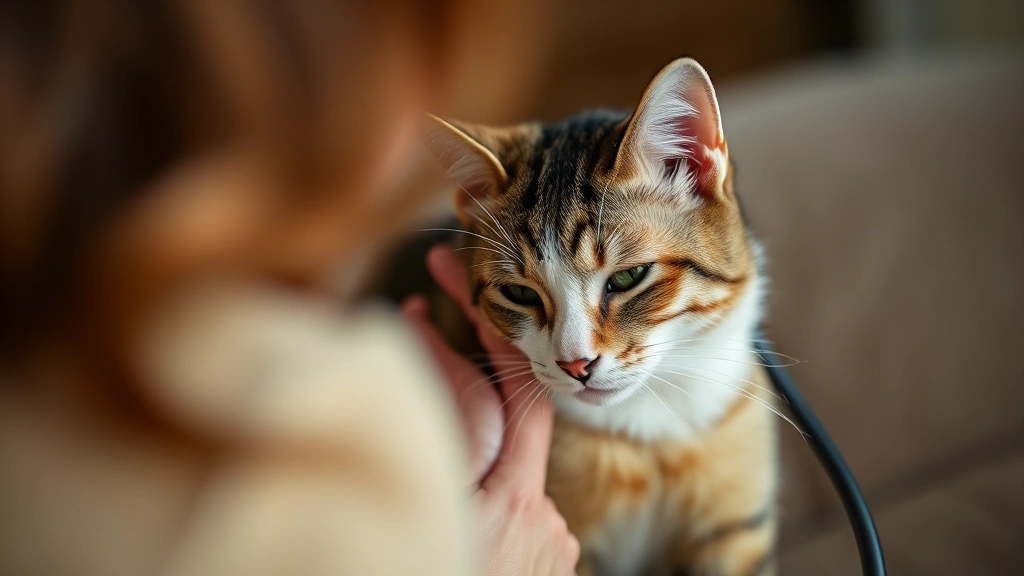
- A clear, well-lit video or photo of your cat walking or standing (if possible).
- Notes on when you first noticed the limp and whether it’s getting worse or better.
- Information about any recent injuries, falls, or unusual activity.
- Your cat’s medical history and current medications (if any).
- A list of any other symptoms—swelling, heat in the leg, reluctance to eat, lethargy.
Having this information ready means the vet can spend consultation time actually helping rather than gathering background details. It also shows your commitment to your cat’s care, which helps build trust with the veterinarian.
How to Describe Your Cat’s Limping During the Consultation
Clear communication is key to getting useful guidance from an online vet. Be specific about what you’re observing rather than vague generalizations.

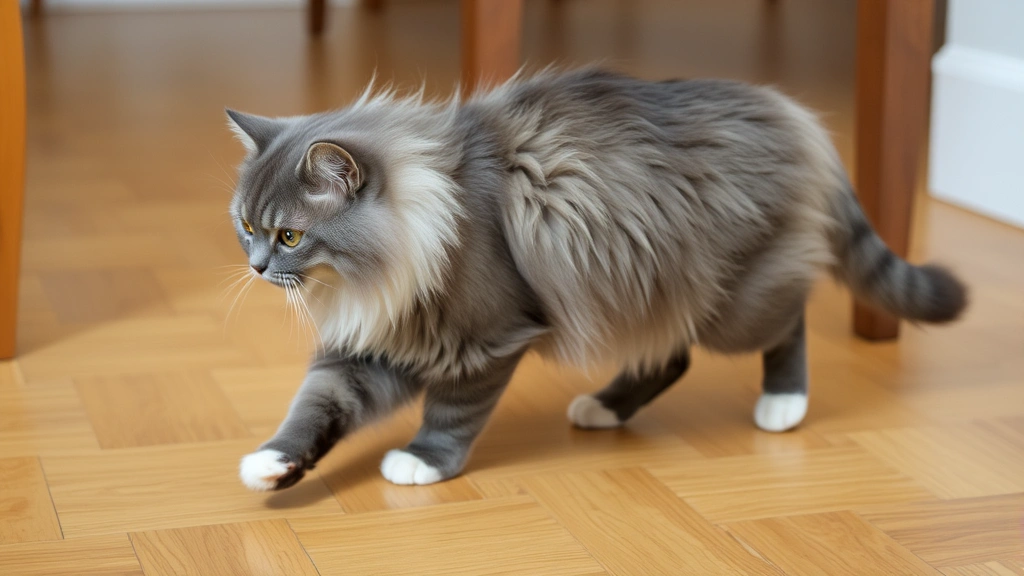
Instead of saying “my cat is limping,” try: “My cat is not putting any weight on their front left paw and is hopping, but they’ll let me touch the leg without pulling away.” That level of detail helps the vet narrow down possibilities much faster.
Describe the timeline too. Did it happen suddenly after a jump, or did it develop gradually over days? Is your cat limping all the time or only after activity? Does rest seem to help? These observations guide the vet’s thinking and help them decide if urgent in-person evaluation is needed.
When Limping Requires Urgent In-Person Care
Most cases of cat limping can be safely evaluated via telehealth first. However, some situations do warrant an emergency vet visit.
Seek immediate in-person care if your cat shows any of these signs:

- Severe swelling, heat, or visible deformity in the leg.
- Inability to move the leg at all or signs of paralysis.
- Open wounds, bleeding, or discharge from the paw or leg.
- Signs of extreme pain (crying, aggression when touched, inability to rest).
- Fever, lethargy, or loss of appetite accompanying the limp.
- Limping in multiple legs simultaneously.
If you’re unsure whether your pet needs urgent care, a quick telehealth check-in can give you peace of mind—no appointment needed. The vet can advise you on next steps based on what they observe and hear from you.
What to Expect From a Telehealth Vet’s Recommendations
After assessing your cat’s situation, the online vet might recommend several different paths forward depending on what they find.

For mild sprains or minor paw injuries, you may be advised to rest your cat, monitor for improvement, and use at-home comfort measures. The vet might suggest pain management options or ways to keep your cat calm while healing.
If the vet suspects something that requires imaging (like a fracture), they’ll recommend an in-person visit to a local clinic for X-rays or ultrasound. If infection is suspected, they might recommend a physical exam or prescribe treatment based on the clinical picture.

Many telehealth vets can also coordinate with your local veterinary clinic, making the transition smooth if your cat does need hands-on care. This integrated approach combines convenience with access to the full range of veterinary services.
Managing Your Cat’s Comfort While You Wait for Answers
Between noticing the limp and getting professional guidance, you can help your cat feel more comfortable.

Keep your cat calm and limit high-impact activity like jumping or running. Provide easy access to food, water, and litter boxes—consider placing these on the same level to minimize climbing or jumping. A soft, padded bed in a quiet area encourages rest.
If your cat allows it, gently examine the affected paw for obvious injuries like splinters, torn claws, or swelling. Never force it if your cat is in pain, but a quick look might reveal something simple that’s causing the problem.
Warmth can also be soothing for sore muscles or joints. A heating pad (set on low) near your cat’s resting area may help, though make sure your cat can move away if they get too warm.
The Advantages of Telehealth for Cat Limping Issues
Online veterinary care offers specific benefits when dealing with a limping cat. For one, you eliminate the stress of transport and the vet clinic environment, which can actually help your cat move more naturally during the assessment.

Telehealth appointments are often faster to schedule than in-person visits and typically cost less, making it easier to get professional input quickly. You’re also more likely to get a response during evening or weekend hours when your cat starts favoring a leg at an inconvenient time.
Additionally, if your cat has anxiety or behavioral issues that make vet visits stressful, telehealth removes that barrier to care. Your cat gets evaluated by a real veterinarian without the added trauma of a clinic visit.

How The Pet Vet Makes Online Consultations Easy
The Pet Vet’s telehealth platform is designed with worried pet owners in mind. You can connect with a licensed veterinarian from your phone, tablet, or computer—no special equipment needed.
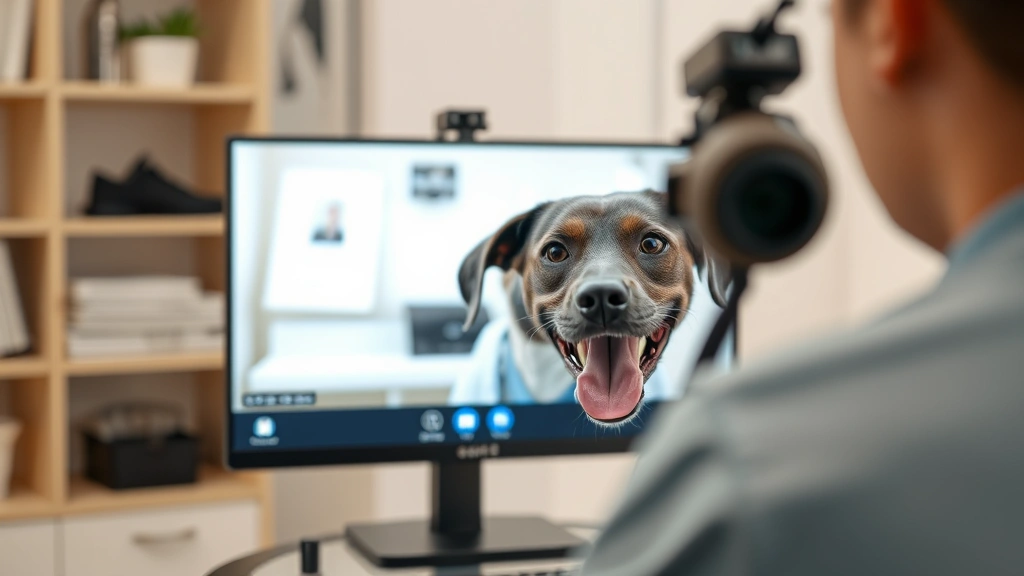
The process is straightforward: schedule your appointment, join the video call at the appointed time, and describe what’s happening with your cat. The vet will ask questions, may request you to show them how your cat is moving, and will provide professional guidance tailored to your situation.

If your cat needs in-person care, The Pet Vet can help coordinate that with local clinics. If they can be managed at home with monitoring and supportive care, you’ll get clear instructions on what to watch for and when to follow up.
Frequently Asked Questions
Can a vet diagnose a fracture through a video call?
No, fractures require X-rays or other imaging to confirm. However, a telehealth vet can assess whether a fracture is likely and recommend an in-person visit for imaging if needed.
How quickly can I get a telehealth appointment for my limping cat?
Many telehealth services offer same-day or next-day appointments. The Pet Vet prioritizes urgent cases, so limping cats can often be seen quickly.
Will my cat need to be still during the video call?
Not necessarily. The vet will ask you to show them how your cat walks and moves naturally. If your cat is resting, that’s fine too—the vet can still gather useful information from conversation and observation.
What if the online vet thinks my cat needs emergency care?
The vet will advise you to take your cat to an emergency clinic immediately and explain why. They can also communicate findings to the emergency vet to expedite care.
Can telehealth vets prescribe pain relief for my cat?
Yes, many telehealth veterinarians can prescribe appropriate medications based on the clinical assessment. Always follow dosing instructions provided by your vet.
What To Do Now
- Schedule a telehealth appointment with The Pet Vet or another licensed online veterinary service to discuss your cat’s limping.
- Gather information about when the limping started, which leg is affected, and any other symptoms you’ve noticed.
- Keep your cat calm and rested while you wait for the appointment, and monitor the limping for any changes or worsening.
- Prepare a video or clear description of how your cat is walking to share during the consultation.
- Follow the vet’s recommendations closely, whether that’s at-home care, monitoring, or scheduling an in-person exam.
Summary
Yes, you absolutely can talk to a vet about cat limping online—and it’s often the smartest first step. Telehealth veterinarians are equipped to assess your cat’s condition, help you understand what might be causing the limp, and guide you toward the right next steps, whether that’s at-home care or an in-person evaluation.
The convenience, speed, and lower cost of online consultations make them ideal for situations like this. Your cat stays calm at home, you get professional guidance quickly, and you avoid unnecessary stress for both of you.
If your cat is limping, don’t wait and worry alone. A telehealth vet can provide the reassurance and direction you need. Reach out to The Pet Vet today to connect with a licensed veterinarian who understands your concern and is ready to help your cat feel better.
For related reading, you might also explore how to talk to a vet about dog limping, or learn more about other common cat health concerns like cat ear infections online and kitten anxiety consultations.
Additional resources for understanding pet mobility issues include the American Veterinary Medical Association and PetMD, both of which offer evidence-based information on common pet health concerns.