
Yes, you can absolutely talk to a vet about cat limping online, and it’s often one of the quickest ways to get answers when your feline friend isn’t walking normally. If you’ve noticed your cat favoring one paw, moving stiffly, or reluctant to jump, that sinking feeling of worry is completely valid—but the good news is that professional guidance is just a few clicks away.
Table of Contents
- Why Your Cat Is Limping: Common Causes
- How Online Vet Consultations Work for Limping Cats
- Benefits of Talking to a Vet Online About Cat Limping
- What Information to Have Ready for Your Online Vet Visit
- When to Seek Immediate In-Person Care
- Managing Cat Limping at Home While Awaiting Vet Guidance
- The Role of Telehealth in Cat Wellness
- Understanding When Imaging or Lab Work Is Needed
- Related Health Concerns in Cats
- What to Expect After Your Online Consultation
- Frequently Asked Questions
- What To Do Now
- Summary
This article is for informational purposes only and is not a substitute for professional veterinary advice. Always consult a licensed veterinarian for diagnosis and treatment.
Why Your Cat Is Limping: Common Causes
Limping in cats can stem from several different issues, ranging from minor to more serious. Understanding what might be happening can help you communicate more effectively with your vet during a telehealth consultation.
Injuries are one of the most common culprits. Your cat may have stepped wrong, been in a minor scuffle, or experienced a fall that caused a sprain or strain. Arthritis, particularly in older cats, can make movement painful and lead to a noticeable limp. Infections or inflammation in the joints can also affect how your cat walks.
Catching this early puts you in a great position to help your cat recover faster and more comfortably.
How Online Vet Consultations Work for Limping Cats
Telehealth veterinary services have made it incredibly convenient to get professional opinions without leaving your home. Here’s what typically happens when you schedule an online consultation about your cat’s limping:
- Video assessment: Your vet can observe your cat’s gait and movement patterns in real-time
- Medical history review: The vet discusses your cat’s age, past injuries, and any recent changes in behavior
- Symptom discussion: You describe exactly when the limping started and how it’s progressing
- Preliminary guidance: The vet may recommend at-home care, pain management strategies, or whether in-person examination is needed
- Next steps: Clear recommendations for follow-up care or specialist referrals if necessary
Benefits of Talking to a Vet Online About Cat Limping
Online veterinary consultations offer distinct advantages, especially when your cat is experiencing mobility issues. Speed is a huge benefit—you don’t have to wait weeks for an appointment or deal with the stress of transporting an injured cat to a clinic.
Cost is another factor. Telehealth visits are typically more affordable than in-person appointments, making professional guidance accessible when you’re concerned but unsure if an emergency room visit is warranted. Additionally, your cat stays in the comfort of familiar surroundings, which can reduce anxiety and help your vet see how your pet naturally moves around the home.
If you are unsure whether your pet needs urgent care, a quick telehealth check-in can give you peace of mind — no appointment needed.
What Information to Have Ready for Your Online Vet Visit
Preparation makes your telehealth consultation more productive. Before you connect with your vet, gather the following details:
- Note when the limping started and whether it came on suddenly or gradually
- Describe which leg or paw is affected and how your cat is holding it
- Record any recent injuries, falls, or unusual activities your cat engaged in
- List any behavioral changes—is your cat eating, drinking, and using the litter box normally?
- Have your cat’s medical records and vaccination history available
- Take short videos of your cat walking if possible—these are invaluable for your vet
This preparation helps your vet make a more informed assessment and can lead to better recommendations for your cat’s care.
When to Seek Immediate In-Person Care
While online consultations are excellent for many situations, some cases warrant an emergency or urgent in-person visit. If your cat is unable to bear weight on the affected limb, showing signs of severe pain, or has sustained a visible injury, an in-person examination becomes necessary.
If your cat is also displaying other symptoms like fever, loss of appetite, or unusual behavior alongside the limping, this may indicate a more complex issue requiring hands-on diagnostics. Your telehealth vet can help you determine urgency and guide you toward the right level of care.
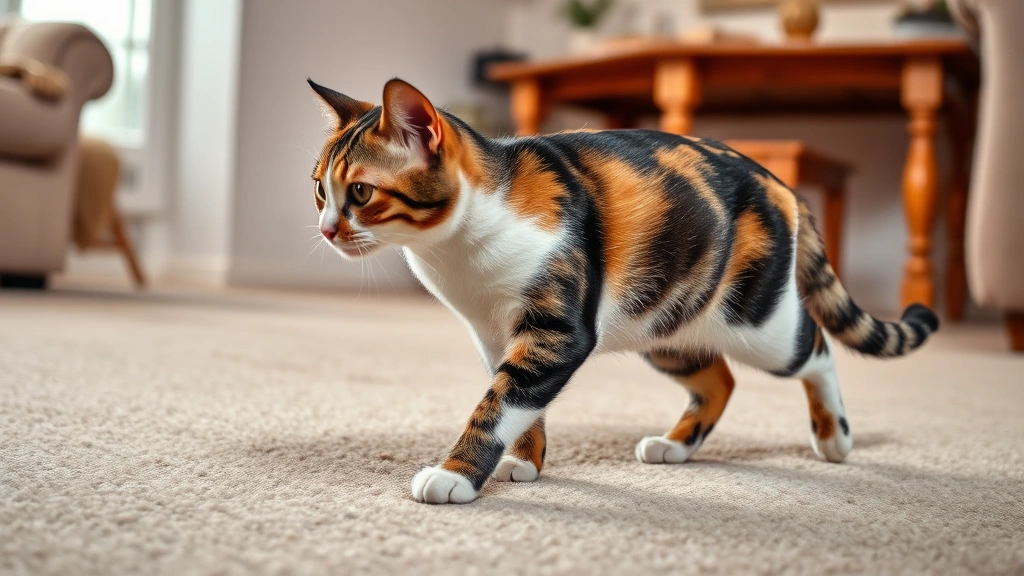
Your quick action here could make a real difference in your cat’s recovery.
Managing Cat Limping at Home While Awaiting Vet Guidance
While you’re scheduling your online consultation, there are supportive measures you can take to help your cat feel more comfortable. Rest is fundamental—encourage your cat to stay in a quiet area with easy access to food, water, and the litter box.
Keep your cat’s movement restricted if possible. Avoid jumping activities or vigorous play that could aggravate the affected limb. Some cats respond well to a warm, comfortable resting area, though avoid applying heat or cold without veterinary approval.
Monitor your cat’s pain level and behavior closely. If limping worsens or your cat becomes more lethargic, report this to your vet immediately during your consultation or seek emergency care if symptoms are severe.
The Role of Telehealth in Cat Wellness
Online veterinary care is transforming how pet owners approach feline health. For concerns like limping, telehealth provides a valuable first line of assessment that helps you understand whether your cat needs immediate intervention or if conservative home management is appropriate.
Many cat owners find that having easy access to professional advice reduces anxiety and empowers them to make confident decisions about their pet’s health. This is especially true for behavioral concerns or questions about cat behavior problems, where observation and discussion can be just as informative as a physical exam.
Understanding When Imaging or Lab Work Is Needed
Your online vet may determine that your cat’s limping requires imaging like X-rays or ultrasound to identify fractures, arthritis, or soft tissue damage. In these cases, your vet can provide a referral to a local clinic equipped for these diagnostics.
Some situations may also warrant blood work or other laboratory tests to rule out systemic conditions. Your telehealth consultation helps identify whether these additional steps are necessary, and your vet can coordinate with local facilities to streamline the process.
This collaborative approach ensures your cat gets comprehensive care while minimizing stress and unnecessary procedures.
Related Health Concerns in Cats
If your cat is limping, it’s worth noting that other health issues can occur simultaneously. For instance, if your cat is also experiencing urinary symptoms, feline urinary tract infection (UTI) could be a concurrent concern. Similarly, if you’ve noticed cat vomiting alongside the limping, mention this to your vet as it could indicate a more systemic issue.
Your veterinarian will help you determine whether these symptoms are related or separate concerns requiring different approaches.
What to Expect After Your Online Consultation
After your telehealth visit, your vet will typically provide you with a detailed summary of findings and recommendations. This might include at-home care instructions, activity restrictions, dietary suggestions, or a referral for additional evaluation.

Most vets also schedule a follow-up check-in to see how your cat is progressing. This allows them to adjust recommendations based on your cat’s response to initial treatment and ensures you’re not navigating this alone.
If you need more specific guidance about your kitten’s limping, ask a vet about kitten limping for age-specific information.
Frequently Asked Questions
Can a vet diagnose a broken leg through a video consultation?
Your vet can assess whether a fracture is likely based on your cat’s behavior and movement, but definitive diagnosis requires X-rays. A telehealth vet can determine if imaging is necessary and help you arrange it quickly.
How long does it usually take to schedule an online vet appointment?
Many telehealth services offer same-day or next-day appointments. Some platforms allow you to connect with a vet within hours, making online consultations ideal for urgent concerns like limping.
Will my vet recommend pain management for my limping cat?
Your vet may suggest various approaches to comfort, which could include activity modification, environmental adjustments, or other supportive care. Specific recommendations depend on the underlying cause of the limping.
Is telehealth appropriate for all types of cat limping?
Telehealth is excellent for initial assessment and mild to moderate limping. However, severe limping, inability to bear weight, or signs of trauma warrant in-person evaluation, which your telehealth vet can facilitate.
Can I follow up with the same vet if my cat doesn’t improve?
Yes, most telehealth platforms allow you to schedule follow-up consultations with the same veterinarian, ensuring continuity of care and allowing your vet to track your cat’s progress over time.
What To Do Now
- Document the limping: Note when it started, which leg is affected, and take a short video of your cat walking to share with your vet
- Schedule a telehealth consultation: Contact The Pet Vet or another reputable telehealth service to book an appointment within the next 24-48 hours
- Prepare your cat’s information: Gather medical records, vaccination history, and a list of any recent injuries or behavioral changes
- Create a comfortable recovery space: Set up a quiet area with easy access to food, water, and litter to minimize your cat’s movement while awaiting the consultation
- Monitor for emergency signs: Watch for inability to bear weight, severe pain, fever, or loss of appetite—if these occur, seek immediate in-person care
Summary
Yes, you absolutely can talk to a vet about cat limping online, and it’s often the fastest, most convenient way to get professional guidance when your cat isn’t walking normally. Telehealth veterinary services provide quick assessments, cost-effective consultations, and the comfort of connecting with your vet from home.
By preparing information about your cat’s symptoms, understanding what to expect during the consultation, and knowing when in-person care is necessary, you’re equipped to make informed decisions about your cat’s health. Your concern for your cat’s wellbeing is the right instinct—reaching out to a vet promptly, whether online or in-person, gives your feline friend the best chance at a swift recovery.
Don’t wait if your cat is limping. A quick online consultation can provide peace of mind and set your cat on the path to feeling better.