
Yes, you can absolutely talk to a vet about your cat not eating online, and it’s often one of the fastest ways to get peace of mind when your feline friend is off their food. If your cat has suddenly stopped eating or is eating significantly less than usual, reaching out to a veterinarian through telehealth services like The Pet Vet can help you understand what’s happening and decide on next steps—all from the comfort of your home.
Table of Contents
- Why Your Cat Might Not Be Eating
- The Benefits of Online Vet Consultations for Appetite Issues
- What to Expect During an Online Vet Consultation
- When to Seek Immediate In-Person Care
- How to Prepare for Your Online Vet Appointment
- Nutrition and Appetite: What You Should Know
- Related Symptoms to Watch For
- Comparing Online Vet Visits to Traditional Appointments
- Building a Relationship With Your Online Vet
- Frequently Asked Questions
- What to Do Now
- Summary: Getting Help for Your Cat’s Appetite Loss
This article is for informational purposes only and is not a substitute for professional veterinary advice. Always consult a licensed veterinarian for diagnosis and treatment.
Why Your Cat Might Not Be Eating
Cats are notoriously finicky eaters, but a sudden loss of appetite is never something to ignore. There are many reasons why your cat might be refusing food, ranging from minor dietary preferences to more serious health concerns.
Stress, environmental changes, or a new food can sometimes cause temporary appetite loss. However, if your cat hasn’t eaten for more than 24 hours, it’s worth investigating. Catching this early puts you in a great position to help your cat feel better quickly.
Common reasons for reduced appetite in cats include:
- Dental problems or mouth pain
- Gastrointestinal issues or nausea
- Infections or fever
- Kidney or thyroid disease
- Medication side effects
- Stress or anxiety
- Changes in food or environment
The Benefits of Online Vet Consultations for Appetite Issues
Online veterinary consultations have transformed how pet owners access care. Instead of waiting days for an appointment or rushing to an emergency clinic, you can speak with a licensed vet in minutes.
When your cat isn’t eating, time matters. A quick telehealth check-in allows you to describe your cat’s symptoms, show the vet your cat’s behavior via video, and get professional guidance without the stress of travel. This is especially helpful for anxious cats who become more stressed in a car or veterinary clinic.
Online vets can:
- Ask detailed questions about your cat’s eating habits and behavior
- Review your cat’s medical history
- Assess whether urgent in-person care is needed
- Recommend dietary adjustments or appetite stimulants
- Prescribe medications if appropriate
- Provide follow-up guidance
What to Expect During an Online Vet Consultation
If you’re wondering what happens when you talk to a vet online about your kitten, the process is straightforward and designed to be convenient for busy pet owners.
You’ll typically start by providing basic information about your cat—age, breed, medical history, and current symptoms. The vet will then ask you specific questions about when the appetite loss started, whether your cat is showing other signs like vomiting or lethargy, and what your cat has been eating.
During the video consultation, the vet may ask you to show them your cat and describe their behavior in detail. Be ready to mention any other symptoms you’ve noticed, even if they seem minor. The vet will use this information to develop a plan tailored to your cat’s situation.
When to Seek Immediate In-Person Care
While online consultations are incredibly helpful, some situations require immediate emergency care. If your cat is showing severe symptoms, an in-person visit is necessary.
Seek emergency veterinary care if your cat:
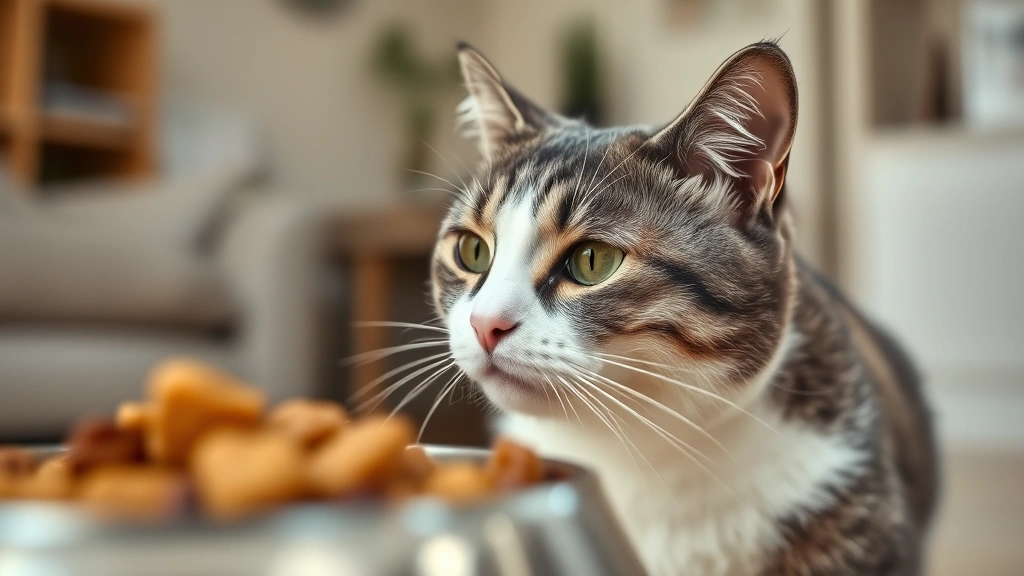
- Has not eaten for more than 48 hours
- Is vomiting repeatedly
- Is lethargic or unresponsive
- Is having difficulty breathing
- Is in obvious pain
- Has a high fever or unusual discharge
If you are unsure whether your pet needs urgent care, a quick telehealth check-in can give you peace of mind—no appointment needed. The vet can assess your cat’s situation and recommend the best course of action, whether that’s at-home monitoring or an emergency visit.
How to Prepare for Your Online Vet Appointment
Getting ready for a telehealth consultation takes just a few minutes but can make the conversation much more productive. Here’s what you should do:
- Gather medical records: Have your cat’s vaccination history and any previous diagnoses handy
- Note recent changes: Write down when the appetite loss started and what else has changed (food, environment, stress)
- Document symptoms: Keep a list of any other behaviors you’ve noticed—vomiting, lethargy, litter box changes
- Have your cat nearby: Be ready to show the vet your cat during the video call
- Test your technology: Make sure your camera, microphone, and internet connection work properly
Nutrition and Appetite: What You Should Know
Understanding your cat’s nutritional needs can help you support their recovery once you’ve spoken with a vet. Cats are obligate carnivores, meaning they require specific nutrients found primarily in meat-based diets.
If your cat has been picky about food, the issue might be related to food quality, freshness, or preferences. However, a sudden refusal to eat is different and warrants professional attention. Your vet may recommend specific dietary options for kittens or discuss wet versus dry food preferences based on your cat’s age and health status.
Some cats respond better to warmed food, as it releases more aroma and may be more appealing. Others prefer wet food over dry kibble. These preferences can be discussed with your online vet, who may have practical suggestions to encourage eating.
Related Symptoms to Watch For
Appetite loss rarely happens in isolation. Your cat may be experiencing other symptoms that, when taken together, help paint a clearer picture of what’s going on.
If your cat is also vomiting, this could indicate a gastrointestinal issue or something more serious. Cat vomiting and related concerns should always be discussed with a vet. Similarly, if your cat seems unusually tired or lethargic alongside not eating, this combination of symptoms is worth mentioning during your consultation.
Other symptoms to note include:
- Changes in water intake
- Litter box habit changes
- Weight loss
- Behavioral changes or hiding
- Bad breath or drooling
Comparing Online Vet Visits to Traditional Appointments
Both online and in-person vet visits have their place in pet care. Online consultations excel at providing quick assessments, medication refills, and behavioral guidance, while in-person visits allow for physical examinations and diagnostic testing.
For a cat not eating, an online vet can often determine whether an in-person visit is necessary. This two-step approach—starting with telehealth—can actually save you time and money by helping you make informed decisions about your next steps.
Many pet owners find that starting with an online consultation gives them confidence and clarity. If the vet recommends an in-person exam, you’ll already have professional guidance and won’t be second-guessing yourself.
Building a Relationship With Your Online Vet
One misconception about telehealth is that you’re getting a one-time interaction with a stranger. In reality, many online vet platforms, including The Pet Vet, allow you to build ongoing relationships with the same veterinarian.
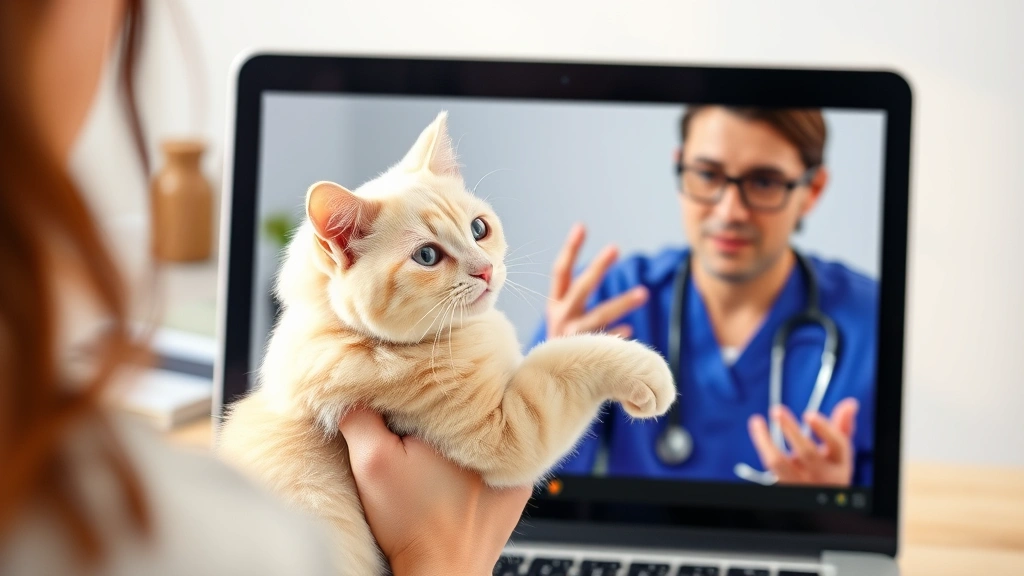
Having a vet who knows your cat’s history, personality, and previous health concerns is invaluable. Over time, your online vet becomes familiar with your cat and can provide more personalized recommendations. This continuity of care is especially important for chronic conditions or recurring issues.
You can also use online consultations for follow-ups after an in-person visit, medication adjustments, or to discuss dietary changes—making it a comprehensive part of your cat’s healthcare routine.
Frequently Asked Questions
Can a vet diagnose my cat’s appetite loss without seeing them in person?
A vet can often make a preliminary assessment based on your description and video observation, but a definitive diagnosis may require blood work or a physical exam. Your online vet will let you know if an in-person visit is necessary for proper diagnosis.
How quickly can I get an online vet appointment?
Most telehealth platforms, including The Pet Vet, offer appointments within minutes to hours, not days. This makes them ideal for urgent concerns like sudden appetite loss.
Will my online vet prescribe medication for my cat?
Yes, licensed online vets can prescribe medications when appropriate. They may recommend appetite stimulants or other medications based on your cat’s symptoms and medical history.
Is online vet care more affordable than traditional visits?
Online consultations are typically less expensive than in-person emergency or urgent care visits, making them a cost-effective first step when your cat isn’t eating.
What if my cat needs emergency care—can an online vet help?
An online vet can quickly assess whether your cat needs emergency care and direct you to the nearest emergency clinic. They can also provide interim guidance while you’re arranging transport.
What to Do Now
If your cat hasn’t been eating normally, here are the steps you should take today:
- Schedule an online consultation: Contact The Pet Vet or another telehealth platform to book an appointment within the next few hours
- Document your observations: Write down when the appetite loss started, what your cat has refused, and any other symptoms you’ve noticed
- Monitor your cat closely: Keep track of water intake, litter box habits, and energy levels until your appointment
- Avoid making sudden food changes: Wait for vet guidance before switching foods, as this could complicate the diagnosis
- Prepare for the call: Have your cat’s medical records and vaccination history ready to share with the vet
Summary: Getting Help for Your Cat’s Appetite Loss
Yes, you absolutely can talk to a vet about your cat not eating online, and it’s one of the smartest first steps you can take. Telehealth veterinary services provide fast, convenient access to professional guidance when your cat stops eating—without the stress of travel or waiting days for an appointment.
An online vet can help you understand what might be causing your cat’s appetite loss, determine whether in-person care is needed, and provide recommendations to get your cat back on track. Whether the issue is something simple like stress or something that requires further investigation, starting with a telehealth consultation gives you clarity and peace of mind.
Your cat’s health is important, and so is your ability to access care quickly. Reach out to an online veterinarian today if your cat hasn’t been eating—your quick action could make all the difference in your cat’s recovery.
For similar concerns in younger cats, you might also explore kitten lethargy consultations online or virtual kitten vet appointments to address multiple health concerns with professional guidance.