
Yes, you can absolutely talk to a vet about cat shaking online, and many pet owners find telehealth consultations helpful when their feline friend starts trembling unexpectedly. If your cat is shaking, whether it’s a subtle tremor or more noticeable muscle twitching, getting professional eyes on the situation quickly can ease your worry and help identify what’s going on.
Table of Contents
- Why Your Cat Might Be Shaking
- When to Seek Immediate Care vs. Online Consultation
- Benefits of Online Vet Consultations for Cat Shaking
- What Information to Have Ready for Your Online Vet Visit
- Common Causes of Cat Shaking Explained
- How to Describe Cat Shaking to Your Online Vet
- Next Steps After Your Online Consultation
- Making the Most of Telehealth for Cat Health Concerns
- Red Flags That Require Immediate Professional Attention
- Understanding Feline Neurological Health
- Other Health Concerns That Might Accompany Shaking
- Frequently Asked Questions
- What To Do Now
- Summary: Getting Help for Your Shaking Cat
This article is for informational purposes only and is not a substitute for professional veterinary advice. Always consult a licensed veterinarian for diagnosis and treatment.
Cat shaking can stem from many different causes—some minor, some more serious—and the good news is you don’t have to wait days for an appointment to get answers. A quick video consultation with a licensed veterinarian can help you understand whether your cat needs immediate in-person care or if home monitoring is appropriate right now.
Why Your Cat Might Be Shaking
Trembling or shaking in cats isn’t always a sign of illness, but it does warrant attention. Your cat could be experiencing anything from a simple stress response to something that needs medical evaluation. Understanding the possible causes helps you describe symptoms clearly to your vet.
Cold sensitivity is one of the most common reasons cats shake. Cats have a lower tolerance for temperature drops than we might expect, and even a chilly room can trigger visible tremors. If your home has been unusually cold or your cat has been near an air conditioning vent, warming them up might be all that’s needed.
Fear and anxiety also cause shaking in cats. Loud noises, unfamiliar people, or changes in their environment can make cats visibly tremble. This type of shaking usually resolves once the stressor is removed or your cat feels safe again.

Medical conditions, however, require professional assessment. Hyperthyroidism, neurological issues, pain, fever, and metabolic imbalances can all present as shaking. Catching this early puts you in a great position to help your cat get the care they need.
When to Seek Immediate Care vs. Online Consultation
Not every instance of cat shaking demands an emergency room visit, but some signs do warrant urgent in-person evaluation. If your cat is shaking severely, unable to stand, having difficulty breathing, or showing signs of unconsciousness, those are red flags for immediate emergency care.
Conversely, mild tremors combined with normal eating, drinking, and behavior might be something you can discuss with a vet online first. An online consultation gives you a chance to describe what you’re seeing, share video if helpful, and get professional guidance on whether in-person examination is necessary.
A quick telehealth check-in can give you peace of mind—no appointment needed—and help you make the right decision about next steps.
Benefits of Online Vet Consultations for Cat Shaking
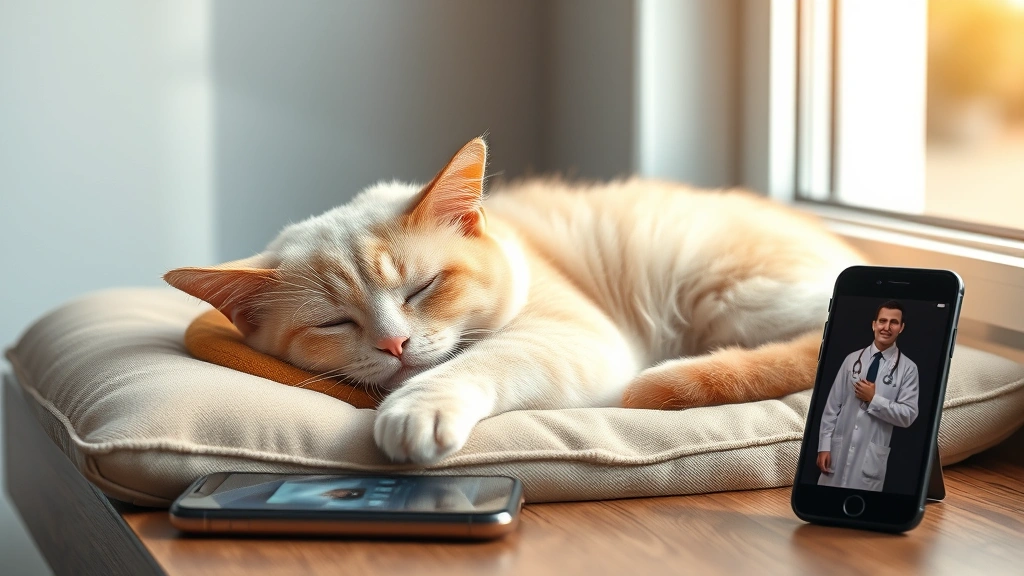
Telehealth veterinary services offer real advantages when you’re concerned about your cat’s health. You can connect with a licensed vet from home, which means less stress for your cat since they stay in their familiar environment. Many cats find travel and waiting rooms anxiety-inducing, so avoiding those stressors can actually help you get a clearer picture of your cat’s normal behavior.
Speed is another major benefit. Instead of calling around for appointments and waiting days, you can often connect with a vet within hours. This quick response time means you get answers faster and can act on professional advice sooner.
Cost-effectiveness matters too. Online consultations typically cost less than in-person visits, making it easier to seek professional guidance without financial stress. If your vet determines your cat needs in-person care, you’ll have that information before scheduling a more expensive appointment.
Documentation is easier during online visits. You can show your vet videos of the shaking, discuss your cat’s recent behavior changes, and keep detailed notes all in one place. This thorough record helps your vet make better assessments.
What Information to Have Ready for Your Online Vet Visit
Preparation makes your telehealth consultation more productive. Before you connect with the vet, gather key information about your cat’s health history and current situation.
- Timeline: When did you first notice the shaking? Is it constant or intermittent?
- Frequency and severity: How often does it happen, and how intense are the tremors?
- Associated symptoms: Is your cat eating normally? Any vomiting, diarrhea, or behavior changes?
- Recent changes: New medications, diet changes, environmental stressors, or recent illness?
- Medical history: Any pre-existing conditions, allergies, or previous episodes like this?
- Current medications: List everything your cat is taking, if anything.
- Video evidence: If possible, record a short clip of the shaking to show your vet.
Having this information ready helps your vet ask targeted follow-up questions and give you more accurate guidance.
Common Causes of Cat Shaking Explained
Understanding what might be causing your cat’s tremors helps you communicate better with your vet and manage your own anxiety about the situation. Here are some of the most common reasons cats shake:
Hyperthyroidism is particularly common in older cats and causes increased metabolism, which can lead to tremors. If your senior cat is shaking along with weight loss despite good appetite, this could be worth discussing with your vet.
Neurological conditions range from minor to serious. Some cats experience benign muscle twitches, while others may have seizure disorders or other neurological issues that require specific management. A vet can help differentiate between these possibilities.
Pain or discomfort sometimes manifests as shaking, especially if your cat is trying to stay still while experiencing pain. This is why describing your cat’s overall behavior matters during your consultation.
Fever causes chills and shaking as the body tries to regulate temperature. If your cat seems warm to the touch or is acting lethargic, fever could be the culprit.

Stress and anxiety create visible tremors in sensitive cats. Environmental changes, new pets, or loud noises can trigger this response, and it typically resolves once the stressor is removed.
Toxin exposure or poisoning can cause shaking and requires urgent evaluation. If you suspect your cat ingested something harmful, mention this immediately to your vet.
How to Describe Cat Shaking to Your Online Vet
Clear communication during your telehealth visit makes all the difference. Instead of just saying “my cat is shaking,” paint a picture for your vet so they understand exactly what you’re observing.
Describe the type of movement: Is it fine tremors throughout the body, or visible muscle twitching in one area? Does your cat’s whole body shake, or just their legs? Is the jaw chattering, or are the whiskers vibrating?
Explain the timing: Does it happen all day long, or only at certain times? Is it worse when your cat is cold, stressed, or active? Does it stop when you pet them or distract them?

Share context about your cat’s overall health: How is their appetite? Are they drinking normally? Any changes in litter box habits? Are they playful and interactive, or withdrawn and quiet?
Mention recent events: Has anything changed at home recently? New pets, loud construction, dietary changes, or recent illness in the household?
Next Steps After Your Online Consultation
Once you’ve talked to a vet about your cat’s shaking, you’ll have clear guidance on what to do next. Your vet might recommend monitoring at home, scheduling an in-person visit, or seeking emergency care depending on what they learn.
If your vet recommends in-person evaluation, ask about the timeline. Some conditions need urgent attention within hours, while others can wait a few days. This helps you prioritize and plan accordingly.
Follow any at-home care instructions your vet provides. This might include keeping your cat warm, adjusting their environment to reduce stress, or monitoring specific symptoms. Write these down so you don’t forget details.

Keep notes about how your cat responds to any recommendations. If you notice improvement or worsening, that information helps your vet refine their assessment during follow-up visits.
Making the Most of Telehealth for Cat Health Concerns
Telehealth veterinary care works best when you approach it as a collaborative tool, not a replacement for in-person medicine when that’s needed. Think of online consultations as a helpful first step that helps you make informed decisions about your cat’s care.
Many pet owners find that online consultations complement their relationship with a local vet. You might use telehealth for quick questions or after-hours concerns, then follow up with in-person visits for thorough physical exams and diagnostic testing.
Be honest about what you’re comfortable with. If your vet recommends in-person care and you’re hesitant, ask why. Understanding the reasoning helps you make the best choice for your cat’s health. Similarly, if you feel an online consultation isn’t giving you the answers you need, don’t hesitate to request an in-person appointment.
Red Flags That Require Immediate Professional Attention
While many cases of cat shaking resolve with simple management, some signs demand urgent evaluation. If you notice any of these, seek immediate veterinary care rather than waiting for a scheduled appointment:

- Severe, uncontrollable shaking or seizure-like activity
- Loss of consciousness or inability to stand
- Difficulty breathing or blue-tinged gums
- Extreme lethargy or unresponsiveness
- Signs of pain or inability to move normally
- Vomiting or inability to eat or drink
- Suspected poisoning or toxin exposure
Trust your instincts. If something feels seriously wrong with your cat, don’t wait for a telehealth appointment—get in-person emergency care immediately.
Understanding Feline Neurological Health
Shaking can sometimes relate to neurological function, which is why your vet will ask detailed questions about the pattern and context. You don’t need to be a neurologist to provide helpful information; simply observing whether the shaking is rhythmic, triggered by specific situations, or constant helps your vet narrow down possibilities.
Some cats experience benign tremors that don’t indicate disease. Others may have conditions requiring ongoing management. A professional assessment helps determine which category your cat falls into. If you’re interested in learning more about neurological concerns in pets, resources like the Dog Neurological Disorder Sudden Onset guide can provide helpful context, though cat neurology has its own specific considerations.
Other Health Concerns That Might Accompany Shaking
Cat shaking sometimes occurs alongside other symptoms that help your vet piece together the puzzle. For instance, if your cat is shaking and also showing signs of urinary issues, a Feline Urinary Tract Infection (UTI) might be worth investigating. Similarly, if your cat seems generally unwell, Bacterial Infections in Cats could be a contributing factor.
During your online consultation, mention any other symptoms you’ve noticed, even if they seem unrelated. Your vet connects these dots to form a complete picture of your cat’s health.
Frequently Asked Questions
Is it safe to diagnose my cat’s shaking through a video call?
A video consultation can help a vet assess some aspects of your cat’s condition and determine if in-person care is needed. However, physical examination and diagnostic testing require in-person visits. Think of telehealth as a helpful first step, not a complete diagnosis.
How long does an online vet consultation usually take?
Most telehealth consultations last 15-30 minutes, depending on the complexity of your cat’s situation. Your vet will take the time needed to understand your concerns and provide clear guidance.
Can my vet prescribe medication during an online visit?
Many vets can prescribe certain medications after a telehealth consultation, though some conditions require in-person examination first. Ask your vet about their specific policies during your consultation.
What if my cat is too stressed to be on camera during the visit?
Let your vet know if your cat is anxious about the camera. You can describe what you’re seeing, show video you’ve already recorded, or position the camera in a way that makes your cat more comfortable. Your vet will work with you to gather the information they need.
Should I still see my regular vet after an online consultation?
That depends on your vet’s recommendations and your cat’s condition. If they suggest follow-up in-person care, schedule it. If they recommend monitoring at home, you might not need an immediate appointment, but keeping your regular vet updated is always a good idea.

What To Do Now
If your cat is shaking and you’re unsure what to do, here are concrete steps to take right now:
- Assess the severity: Observe your cat for 5-10 minutes and note whether the shaking is mild, moderate, or severe. Does your cat seem otherwise normal, or are other symptoms present?
- Gather information: Write down when the shaking started, how often it occurs, and any other symptoms you’ve noticed. Include details about recent changes in your cat’s environment or routine.
- Schedule a telehealth consultation: If the shaking isn’t an emergency but concerns you, book an online vet appointment within the next 24 hours. If you’re unsure whether your pet needs urgent care, a quick telehealth check-in can give you peace of mind.
- Prepare your setup: Make sure you have good lighting and a quiet space for your consultation. Have your cat’s medical records and medication list ready to share with your vet.
- Follow your vet’s recommendations: After your consultation, implement any guidance your vet provides, whether that’s home care, monitoring, or scheduling an in-person visit.
Summary: Getting Help for Your Shaking Cat
Yes, you can talk to a vet about cat shaking online, and doing so offers a convenient, affordable way to get professional guidance when you notice something concerning. Telehealth consultations help you understand what’s happening with your cat and determine the best next steps for their care.
Whether your cat’s shaking is stress-related, temperature-related, or stems from a medical condition, a licensed veterinarian can help you figure it out. By preparing information before your consultation, describing symptoms clearly, and being honest about your concerns, you’ll get the most out of your online visit.
Remember that telehealth is a helpful tool that complements traditional veterinary care, not a replacement for it. When your vet recommends in-person evaluation, trust that guidance. And if you’re ever unsure whether your cat needs emergency care, err on the side of caution and seek immediate attention.
Your cat depends on you to notice when something’s off and to take action. By reaching out to a vet—whether online or in person—you’re already doing exactly that. The fact that you’re seeking answers means you’re taking great care of your feline friend.