
Yes, you can absolutely talk to a vet about cat shaking online, and many pet owners find telehealth consultations incredibly helpful when their feline friend is trembling or shaking unexpectedly. If your cat has suddenly started shaking, you’re probably feeling worried—and that’s completely understandable. The good news is that online veterinary care can provide quick answers and guidance without the stress of a clinic visit.
Table of Contents
- Why Is Your Cat Shaking?
- How Online Vet Consultations Work for Cat Shaking
- Common Causes of Cat Shaking and What They Mean
- Red Flags That Require Urgent Veterinary Attention
- Questions Your Online Vet Might Ask
- Conditions Related to Cat Trembling You Should Know About
- Benefits of Using Telehealth for Cat Shaking Concerns
- When to Follow Up with In-Person Veterinary Care
- How to Prepare for Your Online Vet Consultation
- Frequently Asked Questions
- What To Do Now
- Summary: Getting Help for Your Shaking Cat
This article is for informational purposes only and is not a substitute for professional veterinary advice. Always consult a licensed veterinarian for diagnosis and treatment.
Why Is Your Cat Shaking?
Cat shaking can stem from many different causes, ranging from simple stress to underlying medical conditions. Your cat might be trembling due to cold, fear, pain, or something more serious that requires veterinary attention. The key is figuring out what’s triggering the behavior so you can help your kitty feel better.
Common reasons cats shake include muscle weakness, neurological issues, fever, anxiety, or even just being chilly. Some cats are naturally more prone to trembling than others, especially smaller breeds or senior cats. Understanding the context—when the shaking started, how long it lasts, and whether other symptoms are present—can help you and your vet narrow down the cause.
How Online Vet Consultations Work for Cat Shaking
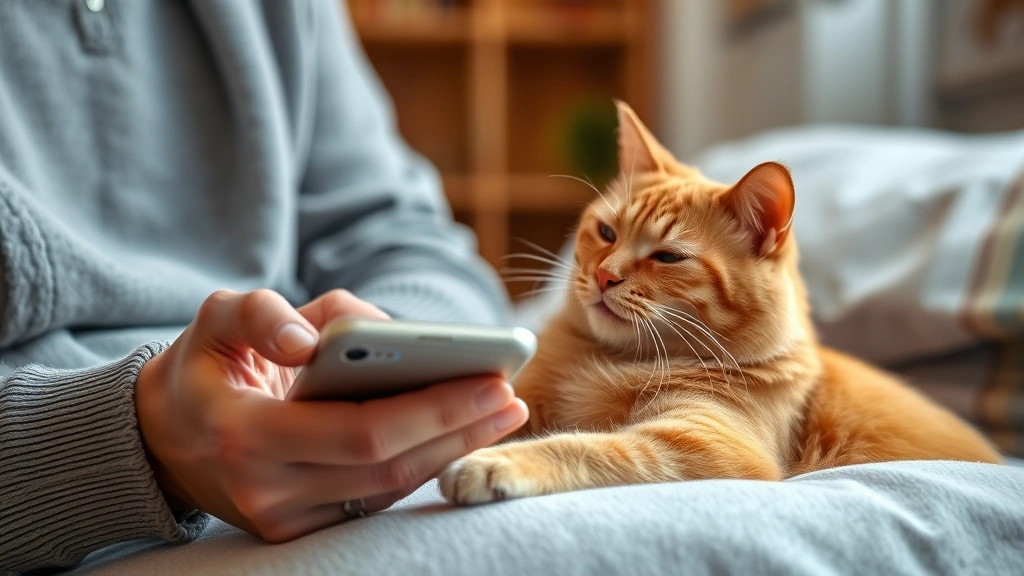
Telehealth veterinary services like The Pet Vet make it easy to describe your cat’s symptoms to a licensed veterinarian from the comfort of your home. During a virtual consultation, you’ll connect with a vet via video or phone, share details about when the shaking started, and discuss your cat’s overall health history.
The vet will ask targeted questions to help determine what might be going on. They may request photos or videos of your cat shaking so they can observe the behavior firsthand. This visual information is invaluable for ruling out certain conditions and identifying patterns you might have missed.
If you are unsure whether your pet needs urgent care, a quick telehealth check-in can give you peace of mind—no appointment needed. Many telehealth platforms offer same-day or next-day availability, which is perfect when you’re concerned about your cat’s health.
Common Causes of Cat Shaking and What They Mean
Understanding what might be causing your cat’s tremors is the first step toward getting help. Here are some of the most frequent reasons cats shake:
- Cold or temperature sensitivity: Cats may shiver when they’re chilly, especially if they’re wet or in a drafty area.
- Fear or stress: Anxiety, loud noises, or new environments can trigger trembling in sensitive cats.
- Pain: Cats experiencing discomfort from injury or illness may shake as a response to distress.
- Fever: Infections or illness can cause your cat to feel cold, leading to shaking.
- Neurological conditions: Issues affecting the nervous system may result in involuntary tremors or muscle weakness.
- Hypoglycemia: Low blood sugar, especially in senior or diabetic cats, can cause shaking.
- Medication side effects: Certain medications may cause trembling as an adverse reaction.
- Toxin exposure: Ingestion of toxic substances can trigger neurological symptoms including shaking.
Catching this early puts you in a great position to help your cat feel better quickly. The sooner you identify the cause, the sooner treatment can begin.
Red Flags That Require Urgent Veterinary Attention
While some causes of cat shaking are minor, others warrant immediate professional evaluation. If your cat is experiencing any of the following, seek veterinary care promptly:
- Severe, uncontrollable shaking or seizure-like movements
- Shaking combined with vomiting, diarrhea, or loss of appetite
- Difficulty walking or loss of coordination alongside tremors
- Sudden onset of shaking with signs of pain or distress
- Shaking that lasts more than a few hours without improvement
- Fever (temperature above 103°F in cats) along with trembling
- Signs of poisoning such as drooling, dilated pupils, or behavioral changes
These symptoms could indicate a more serious underlying condition that needs prompt attention. Your veterinarian can help determine whether your cat needs an in-person examination or emergency care.
Questions Your Online Vet Might Ask
When you connect with a veterinarian about your cat’s shaking, be prepared to answer questions that help them assess the situation. Here’s what they’ll likely want to know:

- When did the shaking start? Sudden onset versus gradual changes tell different stories.
- How often does it happen? Is it constant, intermittent, or triggered by specific situations?
- What does the shaking look like? Fine tremors versus full-body convulsions are very different.
- Are there other symptoms? Fever, lethargy, appetite changes, or behavioral shifts matter.
- What’s your cat’s age and medical history? Senior cats and those with pre-existing conditions need different considerations.
- Has anything changed recently? New foods, medications, environment, or stressors could be relevant.
- Is your cat’s temperature normal? If you can safely take it, this information is helpful.
Having this information ready before your consultation will make the conversation more productive and help the vet give you better guidance.
Conditions Related to Cat Trembling You Should Know About
Several specific health conditions can cause cats to shake. Cerebellar hypoplasia in cats is a neurological condition that affects coordination and can result in tremors or shaking, particularly when the cat tries to move. This condition is present from birth but may become more noticeable as the cat ages.
Hyperthyroidism, common in senior cats, can also cause trembling along with weight loss and increased appetite. Feline infectious peritonitis (FIP) and other viral infections may trigger shaking as part of their symptom profile. Additionally, conditions affecting the nervous system require specialized assessment that your online vet can help determine.
Your veterinarian might recommend follow-up bloodwork or imaging to rule out serious conditions. Telehealth is a great starting point for initial evaluation, and your vet can guide you on whether in-person diagnostics are necessary.
Benefits of Using Telehealth for Cat Shaking Concerns
Choosing to talk to a vet about cat shaking online offers several advantages, especially when you’re worried and want quick answers. Telehealth eliminates travel time and the stress of transporting a trembling cat to a clinic, which can sometimes worsen anxiety-related shaking.
You’ll have access to licensed veterinarians quickly, often without long wait times. The convenience means you’re more likely to reach out early when symptoms first appear, which can lead to better outcomes. Plus, you can consult from home where your cat feels safe and comfortable, making it easier for the vet to see their normal behavior.
Telehealth is also more affordable than traditional emergency clinic visits, making professional guidance accessible when you need it most. If your vet determines your cat needs in-person care, they can provide a referral and help coordinate next steps.
When to Follow Up with In-Person Veterinary Care
While online consultations are helpful for initial assessment, some situations require a hands-on physical examination. Your telehealth vet might recommend an in-person visit if they need to perform specific tests, palpate your cat’s abdomen, or check reflexes.
Bloodwork, urinalysis, or imaging studies like X-rays or ultrasounds can’t be done remotely, so your vet may refer you to a local clinic for these diagnostics. If your cat’s shaking is severe, worsening, or accompanied by concerning symptoms, don’t delay seeking in-person care.
Think of telehealth as a valuable first step that helps you understand whether your cat needs urgent attention or can be safely monitored at home. Your online vet will guide you on the best next steps for your specific situation.
How to Prepare for Your Online Vet Consultation
Getting ready for your telehealth appointment makes the conversation more productive. Here’s how to prepare:
- Gather medical records: Have your cat’s vaccination history, previous diagnoses, and current medications handy.
- Take notes: Write down when the shaking started, how often it happens, and any other symptoms you’ve noticed.
- Record a video: If possible, capture a short clip of your cat shaking so the vet can see the behavior.
- Check your cat’s temperature: If you can safely do this, have the reading ready (normal cat temperature is 99.5-102.5°F).
- List recent changes: Note any new foods, medications, stressors, or environmental changes.
- Have questions ready: Jot down what you want to ask so you don’t forget during the consultation.
Being organized helps you make the most of your time with the veterinarian and ensures they have all the information needed to help your cat.
Frequently Asked Questions
Can a vet diagnose the cause of cat shaking through a video call?
A vet can often narrow down the cause through discussion and video observation, but some conditions require bloodwork or physical examination for definitive diagnosis. Your online vet will let you know if additional testing is needed.
Is it safe to wait for a telehealth appointment if my cat is shaking?
If your cat shows severe symptoms like seizures, difficulty breathing, or signs of extreme distress, seek emergency care immediately. For mild to moderate shaking, a same-day telehealth consultation is usually safe and appropriate.
Will my online vet prescribe medication for cat shaking?
Yes, many telehealth vets can prescribe medications after assessment, though some conditions may require an in-person exam first. Your vet will determine what’s appropriate based on their evaluation.
How much does a telehealth consultation for cat shaking cost?
Telehealth consultations are typically more affordable than emergency clinic visits, often ranging from $30-$75, though costs vary by platform and provider. Check with your telehealth service for specific pricing.
Can I use telehealth if my cat has shaking and other symptoms?
Absolutely. In fact, discussing multiple symptoms with an online vet can help them better understand what’s happening. Just be ready to describe all the symptoms you’ve observed in detail.
What To Do Now
If your cat is shaking and you’re concerned, here are specific steps to take right away:
- Assess the urgency: Check whether your cat is showing any red flag symptoms like seizures, severe distress, or difficulty breathing. If yes, seek emergency care immediately.
- Schedule a telehealth consultation: Contact The Pet Vet or another telehealth platform to book a same-day or next-day appointment to discuss your cat’s symptoms.
- Gather information: Before your appointment, note when the shaking started, how often it occurs, any other symptoms, and recent changes in your cat’s environment or diet.
- Take a video: Record a short clip of your cat shaking to share with the vet during your consultation—visual information is incredibly helpful.
- Follow your vet’s guidance: After your telehealth visit, follow the veterinarian’s recommendations for monitoring, treatment, or follow-up care.
Summary: Getting Help for Your Shaking Cat
Yes, you can absolutely talk to a vet about cat shaking online, and telehealth is a convenient, affordable way to get professional guidance when your cat is trembling. Whether the cause is something simple like stress or something more serious, an online veterinarian can help you understand what’s happening and determine the best next steps.
The key is reaching out promptly when you notice changes in your cat’s behavior. Telehealth makes it easy to get answers without the hassle of traveling to a clinic or waiting for an appointment. Your cat’s health and comfort matter, and professional veterinary guidance—delivered virtually—can give you the peace of mind you need.
Don’t let worry keep you from seeking help. A quick online consultation could be exactly what you and your cat need to feel better. Reach out to The Pet Vet today if your cat is shaking and you want to talk to a licensed veterinarian about what’s going on.