
Yes, you can absolutely talk to a vet about dog anxiety online, and it’s often one of the fastest ways to get professional guidance when your pup is struggling. If you’ve noticed your dog pacing, trembling, excessive barking, or hiding during storms or when you leave the house, a telehealth veterinary consultation can help you understand what’s happening and create a plan to help your furry friend feel calmer.
Table of Contents
- What Is Dog Anxiety and Why It Matters
- Common Signs Your Dog May Be Experiencing Anxiety
- Why Online Vet Consultations Work Well for Anxiety Issues
- How to Prepare for Your Online Vet Consultation About Dog Anxiety
- What Your Vet Will Ask During an Online Consultation
- Treatment Options Your Vet May Recommend
- Creating a Safe Space for Your Anxious Dog
- Lifestyle Changes That Can Help Reduce Dog Anxiety
- When to Seek Urgent Care vs. Scheduling a Telehealth Appointment
- The Benefits of Choosing Telehealth for Your Dog’s Behavioral Health
- What To Do Now
- Frequently Asked Questions
- Summary
This article is for informational purposes only and is not a substitute for professional veterinary advice. Always consult a licensed veterinarian for diagnosis and treatment.
Dog anxiety is more common than many pet owners realize. Whether it’s separation anxiety, noise phobia, or general nervousness, your dog’s behavior is telling you something important. The good news? You don’t have to wait weeks for an in-person appointment or sit in a waiting room with a stressed pup. Online veterinary consultations make it easier to get answers from the comfort of your home.
What Is Dog Anxiety and Why It Matters
Dog anxiety refers to a state of fear or worry that goes beyond normal caution. Unlike a quick startle, anxiety is persistent and can interfere with your dog’s quality of life. Your pup may be experiencing anxiety if they show signs like excessive panting, destructive behavior, or avoidance of certain situations.
Catching this early puts you in a great position to help. The longer anxiety goes unaddressed, the more ingrained the behavior can become, making it harder to manage later.
There are several types of canine anxiety—separation anxiety (triggered by being alone), noise anxiety (fireworks, thunderstorms), social anxiety (fear of people or other dogs), and generalized anxiety (persistent worry). Each type may need a slightly different approach, which is exactly why talking to a vet is so valuable.
Common Signs Your Dog May Be Experiencing Anxiety
Recognizing anxiety in dogs isn’t always straightforward because dogs can’t tell us how they feel. However, their behavior speaks volumes. Here are the most common signs:
- Excessive barking or whining – especially when triggered by specific situations
- Panting or drooling – even when it’s not hot or after exercise
- Pacing or restlessness – your dog can’t seem to settle down
- Destructive behavior – chewing furniture, scratching doors, or accidents indoors
- Hiding or avoidance – retreating to a corner or refusing to go outside
- Trembling or shaking – physical signs of fear or stress
- Loss of appetite – refusing meals or treats
- Excessive licking or grooming – sometimes a self-soothing behavior
If you’re seeing any of these behaviors, talking to a vet about your dog’s anxiety online is a smart first step. Your vet can help rule out medical causes and discuss what’s really going on.
Why Online Vet Consultations Work Well for Anxiety Issues
Telehealth veterinary services are particularly well-suited for behavioral concerns like anxiety. Your vet can observe your dog in their natural environment—the place where anxiety often shows up most clearly. This gives them real insight into how your pup behaves at home, which is invaluable for diagnosis and treatment planning.
Additionally, anxious dogs often become more stressed in a veterinary clinic. The car ride, unfamiliar smells, and busy waiting room can mask or worsen their anxiety symptoms. With an online consultation, your dog stays calm and comfortable, allowing your vet to make a more accurate assessment.
Online consultations are also faster to schedule. Many telehealth platforms offer same-day or next-day appointments, so you don’t have to wait weeks while your dog continues to struggle. If you are unsure whether your pet needs urgent care, a quick telehealth check-in can give you peace of mind — no appointment needed.
How to Prepare for Your Online Vet Consultation About Dog Anxiety
Getting the most out of your telehealth visit starts with preparation. Here’s what to do before you log on:
- Write down specific behaviors and triggers. Note when the anxiety started, what situations trigger it, and how often it happens. For example: “Barks and paces for 30 minutes after I leave for work” or “Trembles during thunderstorms.”
- Gather medical history. Have any previous vet records handy, including vaccination records and past health issues. This helps your vet rule out medical causes.
- Note any recent changes. Has anything changed in your home, routine, or environment? New pets, moving, or schedule changes can trigger anxiety.
- Have your dog nearby but calm. Your vet may want to see your dog on camera, so have them in the room but don’t force interaction if your pup is already anxious.
- Be honest about your observations. Your vet needs the full picture—don’t minimize or exaggerate. Details matter.
The more information you provide, the better your vet can assess your dog’s anxiety and recommend next steps.
What Your Vet Will Ask During an Online Consultation
During your telehealth appointment, expect your vet to dig into several key areas. They’ll want to understand the timeline—when did the anxiety start and has it gotten worse? They’ll also ask about specific triggers and how your dog responds to different situations.
Your vet will inquire about your dog’s daily routine, diet, exercise level, and any recent stressful events. All of these factors can influence anxiety. They may also ask whether your dog has any other health conditions, as some medical issues can mimic or worsen anxiety symptoms.
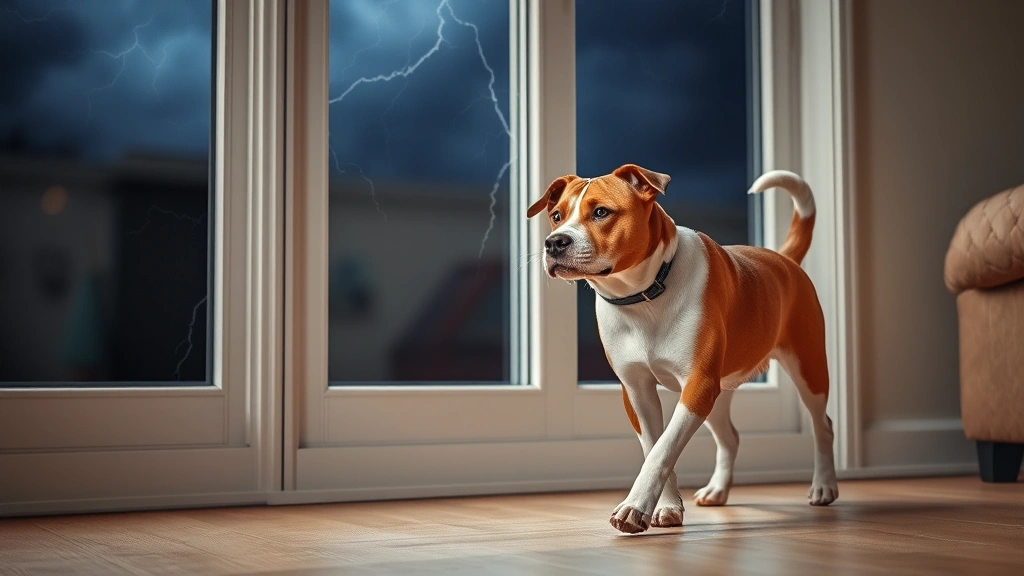
Be prepared to describe your dog’s behavior in detail. Instead of saying “my dog is anxious,” explain what that looks like: “He paces for 20 minutes, drools excessively, and has had two accidents in the house this week.” Specific observations help your vet make an accurate assessment.
Treatment Options Your Vet May Recommend
Once your vet understands your dog’s anxiety, they’ll work with you to create a treatment plan. Treatment for dog anxiety often involves a combination of approaches tailored to your individual pup.
Behavioral modification techniques are often the foundation. Your vet may recommend desensitization (gradually exposing your dog to the trigger in a controlled way) or counter-conditioning (teaching your dog to associate the trigger with something positive). These take time and patience but can be very effective.
Environmental management is another key strategy. This might include creating a safe space where your dog can retreat, using white noise to mask triggering sounds, or adjusting your routine to reduce stress. Sometimes simple changes make a big difference.
Training and enrichment can also help. Regular exercise, puzzle toys, and mental stimulation reduce overall anxiety and give your dog a healthy outlet for nervous energy. Your vet might also recommend working with a certified dog trainer or behaviorist.
In some cases, your vet may discuss additional support options. They can explain what’s available and help you decide what’s right for your dog. The key is finding an approach that fits your dog’s needs and your family’s lifestyle.
Creating a Safe Space for Your Anxious Dog
One of the most practical things you can do right now is create a designated safe space for your dog. This should be a quiet, comfortable area where your pup can retreat when feeling overwhelmed.
Choose a room or corner away from high-traffic areas. Add familiar items like their bed, toys, and an article of your clothing (your scent is calming). Some pet owners use a crate with the door open, while others prefer an open room. The goal is a space where your dog feels secure and in control.
Make this space a positive place even when your dog isn’t anxious. Offer treats and praise there. This way, when anxiety strikes, your dog already associates the space with safety and comfort.
Lifestyle Changes That Can Help Reduce Dog Anxiety
Beyond professional guidance, everyday lifestyle adjustments can significantly impact your dog’s anxiety levels. Regular exercise is one of the most powerful tools—a tired dog is typically a calmer dog. Aim for daily walks, playtime, or activities your dog enjoys.
Establishing a consistent routine also helps. Dogs thrive on predictability. Feeding at the same time, walking at the same time, and maintaining a stable schedule reduces uncertainty and anxiety. If you know you’ll be leaving your dog alone, practice short departures and gradually increase the duration so your pup learns you always come back.
Consider your own stress levels too. Dogs are incredibly perceptive and can pick up on your anxiety. Staying calm and confident around your dog—especially during triggering situations—helps them feel safer. Your energy matters.
When to Seek Urgent Care vs. Scheduling a Telehealth Appointment
Most anxiety cases are not emergencies, but it’s good to know the difference. Schedule a telehealth appointment for ongoing anxiety, behavioral changes, or if you want professional guidance on managing your dog’s worry.
Seek urgent or emergency care if your dog shows signs of severe distress like inability to eat or drink, extreme aggression, self-injury, or if anxiety is paired with other concerning symptoms like vomiting, diarrhea, or difficulty breathing. In these cases, an in-person exam is necessary.

When in doubt, a quick telehealth consultation can help you determine the right next step. Your vet can advise whether your dog needs urgent evaluation or if a standard appointment is appropriate.
The Benefits of Choosing Telehealth for Your Dog’s Behavioral Health
Telehealth veterinary care offers unique advantages for dogs with anxiety. You eliminate the stress of travel and clinic environments, get faster access to expert advice, and can consult from the comfort of your home. Many pet owners find it less intimidating than in-person visits, which means they’re more likely to reach out early.
Telehealth also allows for continuity of care. You can follow up easily if you have questions about your vet’s recommendations or if your dog’s anxiety changes. This ongoing communication helps ensure your treatment plan stays on track.
Additionally, online consultations are often more affordable than traditional vet visits, making professional guidance more accessible. When cost isn’t a barrier, more pet owners get the help their anxious dogs need sooner.
What To Do Now
If your dog is showing signs of anxiety, here are your next steps:
- Document your dog’s anxiety symptoms. Write down what you observe, when it happens, and what triggers it. This information is gold for your vet.
- Schedule a telehealth consultation with a licensed veterinarian. Look for a platform that offers same-day or next-day appointments so you can get answers quickly.
- Create a safe space for your dog at home. Set up a quiet, comfortable area where your pup can retreat and feel secure.
- Start a consistent daily routine. Regular exercise, feeding times, and predictable schedules help reduce anxiety.
- Be ready to implement your vet’s recommendations. Behavioral modification and lifestyle changes take time, but they work when you’re consistent.
Frequently Asked Questions
Can a vet diagnose dog anxiety through a video call?
Yes, vets can often diagnose anxiety through telehealth by discussing your observations and seeing your dog on camera. However, they may recommend an in-person visit to rule out medical causes if needed.
Will my vet prescribe medication for dog anxiety online?
Some vets can discuss medication options during telehealth consultations if appropriate. However, they may require an in-person exam first, depending on your location and their protocols.
How long does it take to see improvement in an anxious dog?
Behavioral changes typically take weeks to months of consistent effort. Some dogs show improvement quickly, while others need more time. Your vet will set realistic expectations based on your dog’s specific situation.
Is dog anxiety permanent?
Dog anxiety is manageable with proper treatment and support, though some dogs may always be prone to nervousness. Many dogs improve significantly or learn to cope much better with professional guidance and consistent care.
Can I treat dog anxiety without seeing a vet?
While some strategies like exercise and routine help, professional veterinary guidance is important to rule out medical causes and create an effective treatment plan. A vet ensures you’re addressing the root issue, not just the symptoms.
Summary
Yes, you can talk to a vet about dog anxiety online—and it’s often the best first step toward helping your anxious pup feel better. Telehealth consultations are convenient, less stressful for anxious dogs, and provide quick access to professional expertise. By documenting your dog’s symptoms, preparing for your appointment, and working with your vet on a tailored treatment plan, you’re already on the path to making a real difference in your dog’s life. Your dog’s anxiety doesn’t have to be a permanent struggle. With the right support and guidance, calmer, happier days are ahead.
Ready to get help? Learn more about discussing behavioral concerns with your vet, or explore related topics like dog shaking and stress responses. If you’re interested in other behavioral questions, check out behavioral consultations for cats as well.
For additional trusted information, the American Veterinary Medical Association (AVMA) and PetMD offer excellent resources on canine anxiety and behavioral health.