
Yes, you can absolutely talk to a vet about dog anxiety online—and it’s one of the most convenient ways to get professional support when your furry friend is struggling. If you’ve noticed your dog pacing, trembling, excessive barking, or hiding when the doorbell rings, you’re not alone. Many pet owners face the challenge of managing anxiety in their dogs, and the good news is that telehealth veterinary services make it easier than ever to discuss these concerns with a licensed vet from the comfort of your home.
Table of Contents
- Why Online Vet Consultations Work Well for Dog Anxiety
- Signs Your Dog May Be Experiencing Anxiety
- What to Expect During an Online Dog Anxiety Consultation
- Treatment Options Your Vet Might Recommend
- The Pet Vet: Your Convenient Online Solution for Dog Anxiety
- How to Prepare for Your Online Vet Appointment
- Related Behavioral and Health Concerns
- Real-World Success Stories
- Cost and Insurance Considerations
- Frequently Asked Questions
- What To Do Now
- Summary
This article is for informational purposes only and is not a substitute for professional veterinary advice. Always consult a licensed veterinarian for diagnosis and treatment.
The shift toward online veterinary consultations has transformed how pet owners access care. Rather than waiting weeks for an appointment or rushing to a clinic, you can now connect with a vet within hours to discuss your dog’s behavioral and emotional health. Whether your dog is experiencing separation anxiety, noise phobias, or generalized anxiety, a vet can help you understand what’s happening and explore options tailored to your pet’s unique needs.
Why Online Vet Consultations Work Well for Dog Anxiety
Dog anxiety is often easier to assess through a conversation and video call than you might think. Vets can ask detailed questions about triggers, observe your dog’s body language on camera, and review your pet’s medical history to rule out underlying health issues that could be contributing to anxious behavior.
One major advantage is that your dog stays in a familiar, calm environment. Many anxious dogs feel more relaxed at home, which can actually help a vet get a clearer picture of their baseline behavior and anxiety patterns. There’s no stress from car rides or unfamiliar clinic smells—just you, your pup, and a compassionate professional ready to help.
Online consultations also give you time to prepare. You can jot down specific situations that trigger your dog’s anxiety, note any recent changes in behavior, and have all your questions ready before the call. This preparation often leads to more productive conversations and better outcomes.
Signs Your Dog May Be Experiencing Anxiety
Before scheduling a telehealth appointment, it helps to recognize what anxiety looks like in dogs. Catching these signs early puts you in a great position to help your dog feel better faster.
- Trembling or shaking during storms, fireworks, or when left alone
- Excessive barking or whining without an obvious reason
- Pacing or restlessness that seems repetitive or compulsive
- Destructive behavior like chewing furniture or scratching doors
- Hiding or avoidance of certain rooms, people, or situations
- Loss of appetite or changes in eating habits during stressful periods
- Excessive drooling or panting when calm
- Accidents in the house despite being housetrained
- Clingy behavior or following you from room to room constantly
- Aggression or snapping when anxious (fear-based response)
If you’re seeing several of these behaviors, a quick conversation with a vet can help you understand whether your dog is dealing with anxiety or if something else might be going on. If you are unsure whether your pet needs urgent care, a quick telehealth check-in can give you peace of mind—no appointment needed.
What to Expect During an Online Dog Anxiety Consultation
Scheduling a telehealth appointment for your dog’s anxiety is straightforward. Most platforms ask you to fill out a brief health history and describe your dog’s symptoms before the call. This information helps the vet prepare and ask more targeted questions during your session.
During the consultation, the vet will typically:
- Review your dog’s medical history and any previous diagnoses
- Ask detailed questions about when anxiety started and what triggers it
- Request a video demonstration of your dog’s anxious behaviors (if safe and practical)
- Discuss your dog’s daily routine, diet, exercise, and social interactions
- Rule out medical conditions that could mimic anxiety, such as thyroid issues or pain
- Recommend behavioral strategies, environmental changes, or treatment options
The entire appointment usually takes 15–30 minutes. Vets are used to working with anxious dogs over video and understand that your pup might not perform their anxiety on cue. They’re skilled at gathering information from your descriptions and observations.
Treatment Options Your Vet Might Recommend
Once your vet understands your dog’s anxiety, they can suggest a personalized plan. Treatment often involves a combination of approaches rather than a single solution.
Behavioral Modification Techniques are often the first step. Your vet might recommend desensitization (gradually exposing your dog to anxiety triggers in a controlled way) or counter-conditioning (teaching your dog to associate triggers with positive outcomes). These methods take time but can produce lasting results.
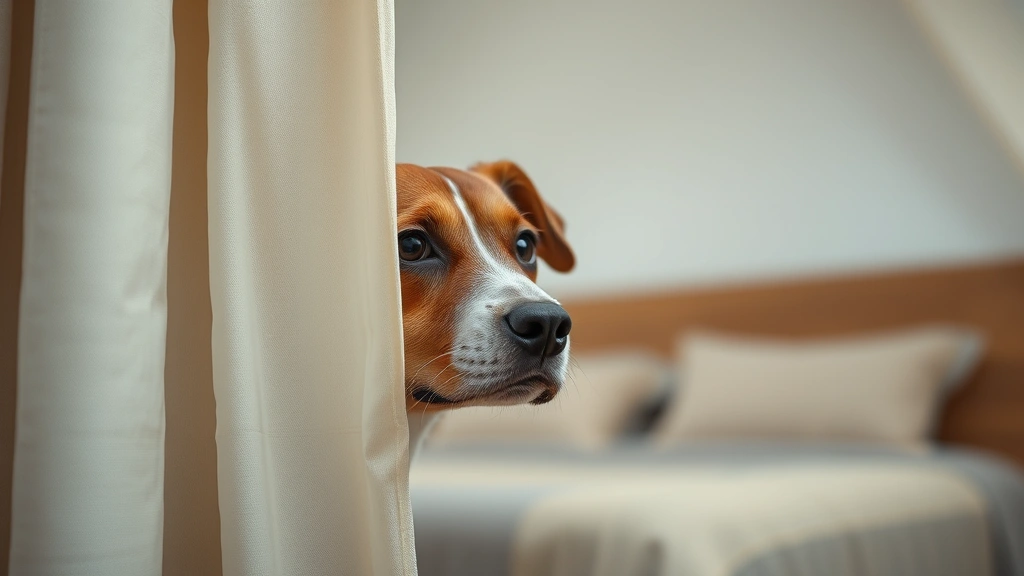
Environmental Management is another practical approach. This might include creating a safe space where your dog can retreat, using white noise to mask triggering sounds, or adjusting your daily routine to reduce stress. Your vet can suggest specific changes tailored to your dog’s anxiety type.
Supplements and Natural Aids like calming treats, CBD products, or pheromone diffusers may be discussed. Your vet can advise on which options have evidence behind them and whether they might help your dog.
In some cases, your vet may discuss other therapeutic options to help manage your dog’s anxiety more effectively. They’ll explain how these options work and what you can realistically expect.
The key is working with your vet to find what works best for your individual dog. Every pup is different, and what helps one anxious dog might not work the same way for another.
The Pet Vet: Your Convenient Online Solution for Dog Anxiety
The Pet Vet makes it simple to discuss your dog’s anxiety with a licensed veterinarian without leaving home. Our telehealth platform connects you with experienced vets who understand behavioral concerns and can offer practical, evidence-based guidance.
Whether your dog struggles with separation anxiety, thunderstorm phobias, or general nervousness, our vets are ready to listen and help. You can schedule a consultation at a time that works for your family, and you’ll receive a summary of recommendations you can reference later.
How to Prepare for Your Online Vet Appointment
Getting ready for your telehealth consultation ensures you get the most value from the time with your vet. Here’s how to prepare:
- Write down specific triggers that cause your dog’s anxiety (thunderstorms, car rides, being alone, etc.)
- Note the timeline of when anxiety started and whether it’s gotten worse over time
- Record your dog’s daily routine, including exercise, meals, and sleep patterns
- Gather any medical records or past diagnoses from previous vets
- Have your phone or laptop charged and positioned where your vet can see your dog clearly
- Choose a quiet location for the call to minimize distractions
- Have your dog nearby but not necessarily on camera the whole time—the vet mainly needs to hear from you
Being organized helps the vet ask better questions and give you more personalized advice. It also means you’re not scrambling to remember details during the appointment.
Related Behavioral and Health Concerns
Dog anxiety sometimes overlaps with other behavioral issues. If your dog is also experiencing excessive licking or itching, these could be stress-related or separate concerns. You can talk to a vet about dog itching online to explore whether anxiety is a factor.
Similarly, if you’re noticing dog licking paws or other repetitive behaviors, these can sometimes be connected to anxiety or underlying medical issues. A vet can help you determine the root cause.
For puppies showing early signs of anxiety or behavioral challenges, asking a vet about puppy behavior problems early on can prevent patterns from becoming entrenched. Early intervention often leads to better long-term outcomes.
Real-World Success Stories
Many dog owners have found relief through online vet consultations for anxiety. One owner noticed her rescue dog was trembling during thunderstorms. After a telehealth appointment, the vet recommended a combination of a safe space setup and gradual desensitization. Within weeks, the dog’s panic response decreased noticeably.

Another pet parent struggled with a dog that barked excessively whenever left alone. An online consultation revealed separation anxiety, and the vet suggested a structured departure routine and environmental enrichment. The improvement was gradual but steady, and the owner felt supported throughout the process.
These stories highlight how accessible, personalized veterinary guidance can make a real difference in your dog’s emotional well-being and your peace of mind as a pet owner.
Cost and Insurance Considerations
Online vet consultations for anxiety are often more affordable than in-person visits, with many ranging from $50–$150 depending on the platform and vet expertise. Some pet insurance plans cover telehealth visits, so it’s worth checking your policy.
Even without insurance coverage, the convenience and quick access to professional advice often justify the cost, especially when it prevents anxious behaviors from escalating or leading to more serious issues.
Frequently Asked Questions
Can a vet diagnose dog anxiety online?
Yes, a vet can assess anxiety through conversation, questions about triggers, and observing your dog’s behavior. They may also rule out medical causes that could mimic anxiety symptoms.
Is online vet advice for anxiety as good as in-person care?
For many anxiety cases, telehealth is equally effective and more convenient. However, if your vet suspects an underlying medical condition, an in-person exam may be recommended.
What if my dog’s anxiety is severe?
Even with severe anxiety, a telehealth vet can provide initial guidance and determine whether urgent in-person evaluation is needed. They’ll help you prioritize next steps.
How long does it take to see improvement in anxiety?
Behavioral changes take time—usually weeks to months. Your vet will help set realistic expectations and adjust the plan as needed.
Can telehealth vets prescribe anxiety medication?
Many telehealth vets can discuss therapeutic options and work with you on a treatment plan. Specific details about medications and prescriptions should be discussed directly with your vet.
What To Do Now
Ready to get your dog the help they need? Here are your next steps:
- Schedule a telehealth consultation with The Pet Vet or another licensed telehealth platform. Most can see you within 24 hours.
- Document your dog’s anxiety symptoms before the appointment—note triggers, frequency, and severity to share with the vet.
- Prepare your space for the video call with good lighting and a quiet area so the vet can hear you clearly.
- Follow the vet’s recommendations consistently. Behavioral changes require patience and repetition to work effectively.
- Schedule a follow-up consultation if needed to adjust your plan based on your dog’s progress and your observations at home.
Summary
Yes, you can talk to a vet about dog anxiety online, and it’s one of the most practical solutions available to worried pet owners. Telehealth consultations offer convenience, quick access to professional expertise, and personalized guidance without the stress of a clinic visit.
Whether your dog struggles with separation anxiety, noise phobias, or general nervousness, an online vet can help you understand what’s happening and create a plan to help your pup feel calmer and more confident. With the right support and consistency, many anxious dogs show significant improvement.
Don’t let your dog’s anxiety go unaddressed. Reach out to The Pet Vet today and take the first step toward a happier, less stressed furry family member. Your dog deserves to feel safe and secure, and you deserve peace of mind knowing you’re doing everything you can to help.