
Yes, you can absolutely talk to a vet about dog diarrhea online, and it’s often one of the quickest ways to get answers when your pup isn’t feeling well. If your dog is experiencing loose stools or frequent bathroom trips, that worried feeling is completely understandable—but the good news is that help is just a few clicks away.
Table of Contents
- Why Online Vet Consultations Are Perfect for Diarrhea Concerns
- How to Prepare for Your Online Dog Diarrhea Consultation
- What Happens During an Online Vet Consultation for Diarrhea
- Common Causes of Dog Diarrhea Discussed in Online Visits
- When Online Consultation Isn’t Enough
- Home Care Recommendations You Might Receive
- Related Concerns: Dog Not Eating and Other Symptoms
- Puppies and Diarrhea: Special Considerations
- Prevention Tips to Reduce Future Diarrhea Episodes
- The Cost and Convenience of Online Vet Visits for Diarrhea
- Frequently Asked Questions
- What To Do Now
- Summary: Your Dog Deserves Quick, Convenient Care
This article is for informational purposes only and is not a substitute for professional veterinary advice. Always consult a licensed veterinarian for diagnosis and treatment.
Diarrhea in dogs can range from a minor dietary hiccup to something that needs more attention. The uncertainty is often the hardest part for pet owners. A quick online consultation can help you understand what’s going on, whether your dog needs an in-person exam, or if supportive care at home is the right move. Let’s walk through how online vet consultations work for diarrhea and what you can expect.
Why Online Vet Consultations Are Perfect for Diarrhea Concerns
When your dog has diarrhea, timing matters. You don’t always want to wait days for an appointment, and you may not be sure if it’s an emergency. Online veterinary consultations bridge that gap beautifully.
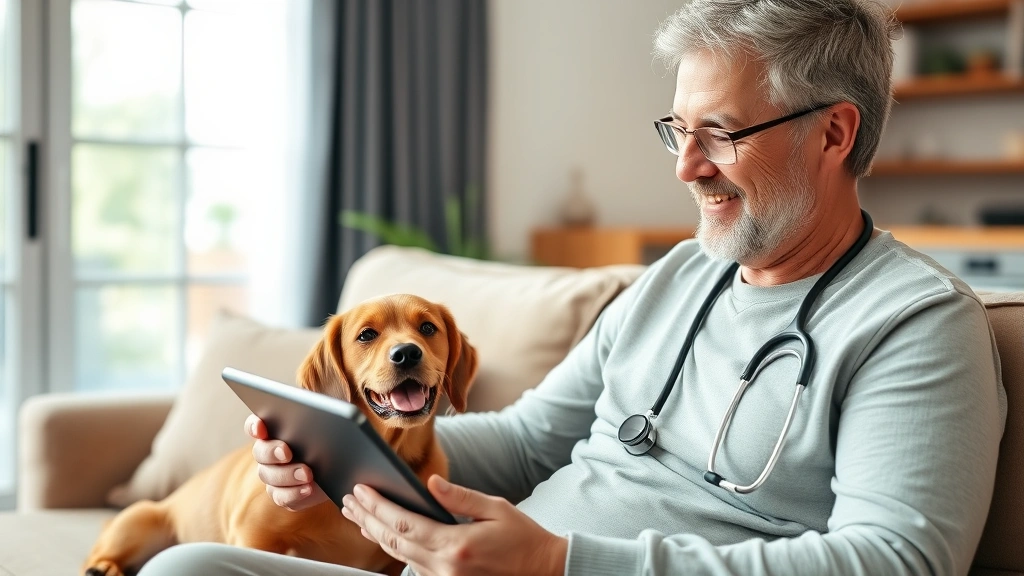
A licensed vet can review your dog’s symptoms, medical history, and lifestyle in real time through video or chat. They’ll ask targeted questions about when the diarrhea started, what your dog’s stool looks like, whether there are other symptoms, and any recent diet changes. This information helps them assess whether your pup needs immediate in-person care or can be managed at home.
The convenience factor is huge, too. No travel time, no waiting room stress for you or your dog, and you can have the conversation from your couch. If you are unsure whether your pet needs urgent care, a quick telehealth check-in can give you peace of mind — no appointment needed.
How to Prepare for Your Online Dog Diarrhea Consultation
Going in prepared makes your online vet visit much more productive. Here’s what to gather before you log on:
- Timeline: When did the diarrhea start? Was it sudden or gradual?
- Stool details: Is it watery, mucusy, or does it contain blood or undigested food?
- Frequency: How many times per day is your dog going to the bathroom?
- Diet history: What are you feeding your dog? Any recent food changes or treats?
- Other symptoms: Is your dog vomiting, lethargic, or losing appetite?
- Medical records: Have your vet records handy, especially if your dog has underlying health conditions.
- Recent activities: Did your dog eat something unusual, travel, or have contact with other animals?
Having this information ready means the vet can focus on what matters most instead of playing detective. You’ll get more targeted advice and a clearer action plan.
What Happens During an Online Vet Consultation for Diarrhea
The process is straightforward and surprisingly thorough. When you connect with a vet through The Pet Vet or a similar telehealth platform, they’ll start by asking detailed questions about your dog’s symptoms and health history.
The vet may ask you to show them a photo or video of your dog’s stool (yes, really—it helps them assess the severity). They’ll listen to your concerns, examine your dog’s demeanor if you’re on video, and ask follow-up questions based on what you describe.
From there, the vet will discuss their assessment, explain what might be causing the diarrhea, and outline your options. This could include dietary adjustments, hydration strategies, monitoring at home, or a recommendation for in-person bloodwork or imaging.
Common Causes of Dog Diarrhea Discussed in Online Visits
During your consultation, the vet will help narrow down potential causes. Some of the most common reasons dogs experience diarrhea include:
- Dietary indiscretion: Your dog ate something they shouldn’t have—garbage, table scraps, or a new treat.
- Food sensitivity: A particular ingredient in their regular food doesn’t agree with them.
- Stress or anxiety: Changes in routine, travel, or household stress can trigger loose stools.
- Parasites: Intestinal parasites are common, especially in puppies and dogs with outdoor access.
- Bacterial or viral infection: Gastroenteritis from infectious causes may be at play.
- Medication side effects: If your dog recently started a new medication, it could be the culprit.
The vet will help you identify which scenario fits your dog best. Catching this early puts you in a great position to help your pup feel better faster.
When Online Consultation Isn’t Enough
Online vets are fantastic for initial assessment and many cases of mild diarrhea, but some situations require in-person evaluation. Your online vet will let you know if your dog needs to be seen in person.
Red flags that warrant an immediate in-person visit or emergency care include severe dehydration, blood in the stool, repeated vomiting alongside diarrhea, extreme lethargy, or diarrhea lasting more than a few days without improvement. If your dog is a puppy, very young, elderly, or has pre-existing health conditions, the vet may recommend a physical exam to rule out serious issues.
The beauty of telehealth is that it helps you make that decision quickly. You’re not guessing—a licensed professional is guiding you.
Home Care Recommendations You Might Receive
For mild cases of diarrhea, your online vet will likely suggest supportive care strategies you can implement at home. These might include:
- Offering smaller, more frequent meals to reduce digestive stress.
- Temporarily switching to a bland diet (like boiled chicken and rice) while the digestive system recovers.
- Ensuring fresh water is always available to prevent dehydration.
- Monitoring your dog’s bathroom habits and overall energy level.
- Avoiding table scraps and treats until the diarrhea resolves.
Your vet may also discuss whether probiotics or digestive supplements could help, and they’ll give you a timeline for when to follow up or seek further care if symptoms don’t improve.
Related Concerns: Dog Not Eating and Other Symptoms
Diarrhea doesn’t always come alone. If your dog isn’t eating alongside the diarrhea, that’s worth mentioning to your vet—it changes the assessment slightly. You can also talk to a vet about dog not eating online, and the same telehealth approach applies.
Combining symptoms like diarrhea with loss of appetite, vomiting, or lethargy suggests your dog may be experiencing a more significant digestive issue. Your online vet will help you determine whether these symptoms warrant urgent attention.
Puppies and Diarrhea: Special Considerations
Puppies are more prone to diarrhea than adult dogs, and their symptoms can escalate quickly due to their smaller size and developing immune systems. If you have a young pup with loose stools, telehealth is a smart first step. You can talk to a vet about puppy diarrhea online just as easily as adult dog diarrhea.
Puppies are more susceptible to parasites and infections, so your vet may recommend bloodwork or stool testing sooner than they would for an adult dog. Don’t hesitate to get professional input—early intervention in puppies can prevent complications.
Prevention Tips to Reduce Future Diarrhea Episodes
Once your dog’s diarrhea clears up, you can take steps to prevent it from happening again:
- Keep your dog on a consistent, high-quality diet.
- Introduce any new foods gradually over 7–10 days.
- Prevent your dog from eating garbage, table scraps, or unknown items on walks.
- Keep your dog’s vaccinations and parasite prevention current.
- Maintain a stress-reducing routine and provide adequate exercise.
- Ensure your dog always has access to fresh, clean water.
Many cases of diarrhea are preventable with simple lifestyle and dietary management. Your online vet can offer personalized prevention strategies based on your dog’s history.
The Cost and Convenience of Online Vet Visits for Diarrhea
Online vet consultations are typically more affordable than in-person visits and can often be scheduled the same day or within hours. This makes them accessible when you’re worried but not sure if you need a full exam.
Many pet insurance plans cover telehealth visits, and some platforms offer subscription options that make frequent consultations even more cost-effective. For diarrhea—a common, often minor issue—online consultations are a smart, budget-friendly first step.
Frequently Asked Questions
Can a vet diagnose the exact cause of diarrhea online?
An online vet can narrow down likely causes based on symptoms and history, but definitive diagnosis (like parasites or infections) often requires stool samples or bloodwork. Your vet will recommend testing if needed.
How long does an online vet consultation for diarrhea take?
Most consultations last 15–30 minutes, depending on complexity. Simple cases are usually quick; more complicated situations may take longer.
Is it safe to treat dog diarrhea only with online advice?
For mild, uncomplicated diarrhea in otherwise healthy dogs, yes. However, if your dog shows severe symptoms or doesn’t improve in a few days, in-person care is necessary.
Can I get a prescription from an online vet for diarrhea?
Yes, many licensed online vets can prescribe medications if appropriate. Prescriptions are sent to your pharmacy or a partner pharmacy.
What if my dog’s diarrhea is caused by a serious condition?
Your online vet will assess severity and recommend in-person evaluation or emergency care if they suspect something serious. They won’t treat a critical condition remotely.
What To Do Now
- Gather information about your dog’s diarrhea—when it started, stool appearance, frequency, and any other symptoms.
- Schedule an online vet consultation with The Pet Vet or a licensed telehealth provider to get professional guidance.
- Follow your vet’s recommendations for home care, diet adjustments, or further testing.
- Monitor your dog closely over the next few days and note any changes to report back to your vet.
- If symptoms worsen or don’t improve within the timeframe your vet suggests, schedule a follow-up or in-person visit.
Summary: Your Dog Deserves Quick, Convenient Care
Yes, you can absolutely talk to a vet about dog diarrhea online—and in many cases, it’s the smartest first move. Telehealth puts professional veterinary guidance at your fingertips without the wait, stress, or expense of a full in-person appointment.
Your online vet will assess your dog’s symptoms, help you understand what might be causing the diarrhea, and guide you on whether home care is appropriate or if further evaluation is needed. For mild cases, you’ll get actionable advice you can implement immediately. For more serious situations, you’ll get a clear recommendation for next steps.
Don’t let worry about your dog’s diarrhea linger. A quick telehealth consultation gives you answers, peace of mind, and a clear path forward—all from home. Your pup will feel better soon, and you’ll have the confidence that you’re making the right decisions for their health.