
Yes, you can absolutely talk to a vet about dog diarrhea online—and for many pet owners, it’s becoming the fastest way to get answers when your pup isn’t feeling well. If your dog is experiencing loose stools or frequent bathroom trips, you’re probably worried and looking for guidance right now. The good news? A licensed veterinarian is just a few clicks away.
Table of Contents
- Why Online Vet Consultations Are Perfect for Dog Diarrhea Concerns
- What Information You’ll Need Before Your Online Vet Chat
- Common Causes of Dog Diarrhea Your Vet Will Ask About
- How Telehealth Vets Evaluate Diarrhea Without an In-Person Exam
- When Online Vet Guidance Is Enough for Dog Diarrhea
- Red Flags That Require In-Person or Emergency Care
- Understanding Dog Gastrointestinal Issues Beyond Simple Diarrhea
- Prevention Tips to Keep Your Dog’s Digestion Healthy
- Comparing Online Vet Consultations to In-Person Visits
- What To Do Now
- Frequently Asked Questions
- Summary: Getting Help for Your Dog’s Diarrhea Has Never Been Easier
This article is for informational purposes only and is not a substitute for professional veterinary advice. Always consult a licensed veterinarian for diagnosis and treatment.
Why Online Vet Consultations Are Perfect for Dog Diarrhea Concerns
Online veterinary consultations have transformed how pet owners get help for common issues like diarrhea. Instead of waiting days for an appointment or sitting in a crowded waiting room, you can connect with a licensed vet from your couch in minutes. This is especially helpful when diarrhea strikes on a weekend, holiday, or late at night.
Telehealth vets can ask detailed questions about your dog’s symptoms, review photos or videos you share, and help you determine whether your pup needs urgent in-person care or can be managed at home. Many cases of mild diarrhea can be addressed through online guidance alone.
What Information You’ll Need Before Your Online Vet Chat
To make the most of your telehealth appointment, gather some key details beforehand. Your vet will want to know how long the diarrhea has been happening, how many times a day your dog is going, and what the stool looks like (color, consistency, presence of blood or mucus).
Also be ready to share:
- Your dog’s age, breed, and weight
- Any recent changes to diet or treats
- Whether your dog has eaten anything unusual
- Current medications or supplements
- Other symptoms (vomiting, lethargy, loss of appetite)
- Your dog’s vaccination status
- Any known medical conditions
Having this information ready helps your vet give you the most accurate guidance in the shortest time.
Common Causes of Dog Diarrhea Your Vet Will Ask About
When you connect with a vet online, they’ll work through potential causes systematically. Dietary indiscretion—your dog eating something they shouldn’t—is one of the most common culprits. This could be table scraps, a new treat, or even grass and dirt from the yard.
Stress and anxiety can also trigger loose stools in dogs. If your pup recently experienced a change in routine, a move, or a stressful event, this could be playing a role. Learn more about how stress affects your dog’s digestive system in our guide on canine stress colitis.
Other possibilities your online vet will consider include food sensitivities, parasites, infections, or underlying gastrointestinal conditions. In most cases, mild diarrhea resolves on its own within a day or two—but your vet can help you know when to be concerned.
How Telehealth Vets Evaluate Diarrhea Without an In-Person Exam
You might wonder how a vet can help without physically examining your dog. While it’s true that an in-person visit allows for palpation and direct observation, online vets are skilled at gathering crucial information through conversation and visual aids.
During your telehealth session, your vet may ask you to describe your dog’s behavior, energy level, and appetite in detail. They might request photos of the stool (yes, really!) or a short video of your dog’s behavior. They’ll listen to your descriptions of symptoms and ask follow-up questions to narrow down the cause.
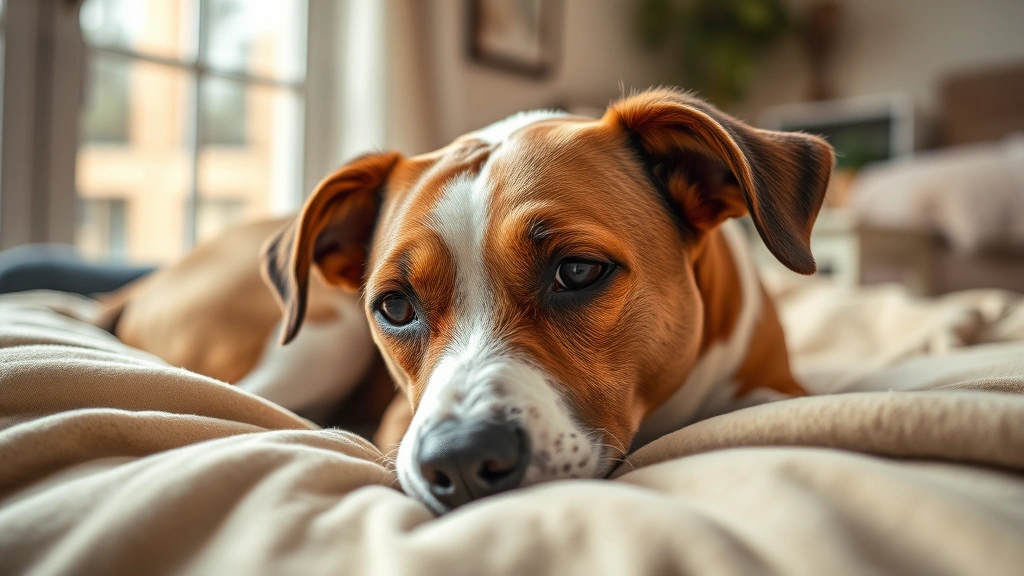
This approach works remarkably well for mild to moderate cases. If your vet suspects something that requires hands-on examination, bloodwork, or imaging, they’ll recommend an in-person visit.
When Online Vet Guidance Is Enough for Dog Diarrhea
Many cases of dog diarrhea can be successfully managed with at-home care and online veterinary support. If your dog is otherwise acting normal, eating and drinking well, and has no blood in their stool, there’s a good chance your vet will recommend supportive care at home.
This might include:
- A temporary bland diet (boiled chicken and rice, for example)
- Increased water intake to prevent dehydration
- Probiotics or digestive supplements
- Monitoring for improvement over the next 24-48 hours
- Gradual return to normal food once stools firm up
Your online vet will provide specific guidance based on your dog’s age, health history, and the suspected cause. Catching this early and getting professional guidance puts you in a great position to help your pup feel better fast.
Red Flags That Require In-Person or Emergency Care
While many cases of diarrhea can be handled online, some situations demand immediate in-person attention. If your dog is showing signs of severe dehydration, persistent vomiting, blood in the stool, or signs of abdominal pain, your online vet will recommend you head to an emergency clinic right away.
Other warning signs include lethargy, inability to stand, fever, or if your puppy or senior dog has diarrhea lasting more than a day or two. Don’t hesitate—if something feels seriously wrong, trust your instincts and seek emergency care.
If you’re unsure whether your pet needs urgent care, a quick telehealth check-in can give you peace of mind and clear direction—no appointment needed. Your vet can help you assess the severity and advise whether to wait it out at home or visit a clinic.
Understanding Dog Gastrointestinal Issues Beyond Simple Diarrhea
Sometimes diarrhea is just the tip of the iceberg. Your online vet might discover that your dog is experiencing broader gastrointestinal issues that need attention. Chronic diarrhea, for instance, could signal food allergies, parasites, or inflammatory bowel disease.
If your vet suspects something more complex, they’ll discuss next steps with you. This might include dietary changes, parasite prevention, or a referral for further testing. Many of these conditions can be managed effectively once properly identified.
Prevention Tips to Keep Your Dog’s Digestion Healthy
Once your dog’s diarrhea clears up, you’ll want to prevent it from happening again. Your online vet can offer personalized prevention strategies based on what caused the episode. Check out our comprehensive guide on dog gastrointestinal issues prevention tips for long-term digestive health.
General prevention measures include:

- Feeding a high-quality, consistent diet
- Avoiding sudden food changes
- Keeping human food and garbage out of reach
- Regular parasite prevention
- Managing stress through exercise and routine
- Ensuring fresh water is always available
Comparing Online Vet Consultations to In-Person Visits
Online vet consultations aren’t meant to replace traditional veterinary care—they complement it. For acute issues like sudden diarrhea, telehealth is fast and convenient. For comprehensive exams, vaccines, or complex diagnoses, in-person visits are essential.
The beauty of modern veterinary care is having both options available. You can start with an online consultation to get initial guidance, then follow up with an in-person visit if needed. This flexible approach helps you get the right care at the right time.
What To Do Now
If your dog is currently experiencing diarrhea, here’s your action plan:
- Gather the information listed above about your dog’s symptoms, diet, and health history
- Schedule an online vet consultation with The Pet Vet or another licensed telehealth provider
- Share photos or videos of your dog’s stool and overall behavior during the appointment
- Follow your vet’s guidance on home care, diet, and monitoring
- Contact your vet again if symptoms worsen or don’t improve within 48 hours
Frequently Asked Questions
Can a vet really diagnose dog diarrhea without seeing my dog in person?
A vet can often identify the likely cause and recommend treatment through detailed conversation and visual information you provide. However, if they suspect something requiring physical examination or testing, they’ll recommend an in-person visit.
How much does an online vet consultation for dog diarrhea cost?
Online consultations typically cost less than in-person visits, ranging from $25 to $75 depending on the provider and consultation length. Some pet insurance plans cover telehealth visits.
Is it safe to wait and see if my dog’s diarrhea goes away on its own?
Mild diarrhea often resolves within 24-48 hours with supportive care. However, getting professional guidance helps you know what to watch for and ensures you’re not missing something serious.
Can my online vet prescribe medication for my dog’s diarrhea?
Yes, many telehealth vets can prescribe medications if appropriate. They’ll discuss options with you and may send prescriptions to your pharmacy or recommend a local clinic for pickup.
What’s the difference between dog diarrhea and cat diarrhea treatment online?
While the consultation process is similar, treatment approaches differ based on species-specific needs. If you have a cat with diarrhea, check out our guide on cat diarrhea online consultations.
Summary: Getting Help for Your Dog’s Diarrhea Has Never Been Easier
Yes, you can absolutely talk to a vet about dog diarrhea online—and it’s often the fastest, most convenient way to get professional guidance. Whether your pup’s issue is mild and home-manageable or requires further evaluation, a telehealth vet can point you in the right direction.
By gathering information beforehand, being honest about symptoms, and following your vet’s recommendations, you’ll help your dog feel better quickly. Remember, online consultations are perfect for quick questions and initial guidance, but don’t hesitate to seek in-person care if your vet recommends it or if your dog’s condition worsens.
Your dog’s health is important, and getting professional support—whether online or in-person—shows how much you care. Reach out to The Pet Vet or another licensed telehealth provider today to get your pup the help they need. Most cases of diarrhea resolve beautifully with the right guidance and care.