
Yes, you can absolutely talk to a vet about dog licking paws online, and it’s often the fastest way to get answers when your furry friend won’t stop gnawing at their feet. If you’ve noticed your dog constantly licking, chewing, or biting at their paws, you’re probably wondering what’s causing it and whether you need an in-person visit. The good news? A telehealth consultation can help you understand what’s happening and determine your next steps—all from the comfort of your home.
Table of Contents
- Why Dogs Lick Their Paws: Common Causes
- The Benefits of Online Vet Consultations for Paw Licking
- What to Expect During an Online Vet Visit for Dog Paw Licking
- Common Recommendations from Online Vet Consultations
- When You Might Need an In-Person Vet Visit
- How to Prepare for Your Online Vet Consultation
- Understanding Dog Skin Allergies and Online Diagnosis
- The Connection Between Stress and Paw Licking
- Preventative Care and Long-Term Management
- How The Pet Vet Makes Online Consultations Easy
- Comparing Online vs. Traditional Vet Visits for Paw Licking
- Frequently Asked Questions
- What To Do Now
- Summary
This article is for informational purposes only and is not a substitute for professional veterinary advice. Always consult a licensed veterinarian for diagnosis and treatment.
Why Dogs Lick Their Paws: Common Causes
Dog paw licking is one of the most common concerns pet owners bring to vets, and there are quite a few reasons why your pup might be doing it. Allergies—whether environmental, food-related, or contact allergies—are among the top culprits. Your dog’s paws are in constant contact with the ground, making them particularly vulnerable to irritants and allergens.
Beyond allergies, parasites like fleas or mites can cause intense itching that sends dogs straight to their feet. Yeast or bacterial infections are also frequent offenders, especially if you notice redness, swelling, or a funky odor. Sometimes, though, the cause is behavioral—stress, anxiety, or boredom can lead dogs to develop a paw-licking habit that becomes hard to break.
Catching this early puts you in a great position to help your dog feel better and prevent the habit from becoming ingrained.
The Benefits of Online Vet Consultations for Paw Licking
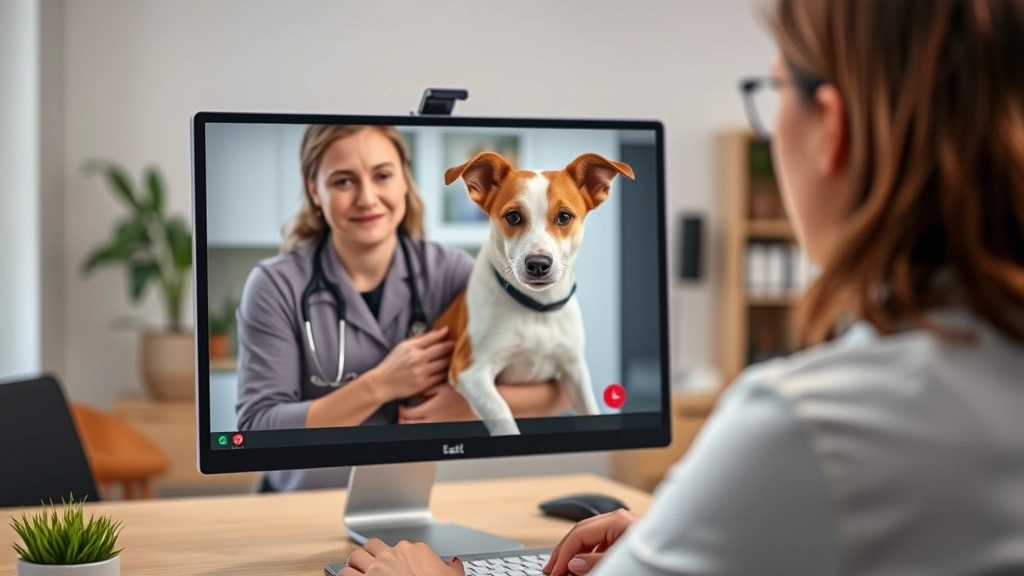
Telehealth veterinary visits have transformed how pet owners access care, and they’re especially helpful for issues like paw licking. You can describe what you’re seeing in detail, share photos or videos, and get professional guidance without the stress of a car ride or waiting room.
Here are the key advantages:
- Speed: Get answers within hours, not days or weeks.
- Convenience: No travel, no appointment scheduling hassles, no time off work.
- Cost-effective: Telehealth visits are typically more affordable than in-person exams.
- Peace of mind: If you’re unsure whether your pet needs urgent care, a quick telehealth check-in can give you reassurance—no appointment needed.
- Documentation: You’ll have a record of the consultation to share with your regular vet if needed.
What to Expect During an Online Vet Visit for Dog Paw Licking
When you connect with a vet online about your dog’s paw licking, the consultation typically follows a straightforward process. The veterinarian will ask detailed questions about when the licking started, how often it happens, and whether you’ve noticed any other symptoms like redness, discharge, or odor.
Be ready to describe your dog’s environment, diet, recent changes, and any other pets in the home. Having photos or a short video of your dog licking their paws can be incredibly helpful. The vet may also ask about your dog’s overall health history and any previous skin issues.
While the vet won’t be able to perform a physical examination through a screen, they can often gather enough information to suggest next steps, recommend monitoring, or advise whether an in-person visit is necessary.
Common Recommendations from Online Vet Consultations
After reviewing your dog’s situation, an online vet might recommend several approaches. If allergies are suspected, they may suggest dietary changes, environmental modifications, or discuss treatment options that could help manage symptoms.
For suspected parasites or infections, the vet might recommend specific shampoos, topical treatments, or other interventions. They may also suggest keeping a symptom diary to track patterns and triggers. In some cases, the vet will recommend an in-person visit for a thorough physical exam, skin scraping, or other diagnostic tests to pinpoint the exact cause.
The key is that online consultations help you make informed decisions about your dog’s care without guessing.
When You Might Need an In-Person Vet Visit
While online consultations are incredibly useful, some situations warrant a traditional in-person appointment. If your dog’s paws are severely inflamed, bleeding, or showing signs of infection, an in-person exam is important. Similarly, if the licking is accompanied by other concerning symptoms—fever, lethargy, or widespread skin issues—your vet will likely want to see your dog in person.
An in-person visit also allows the vet to perform diagnostic tests like skin scrapings, fungal cultures, or allergy testing that can’t be done remotely. Your online vet consultation can help determine whether an in-person visit is necessary, saving you unnecessary trips while ensuring your dog gets the right level of care.
How to Prepare for Your Online Vet Consultation
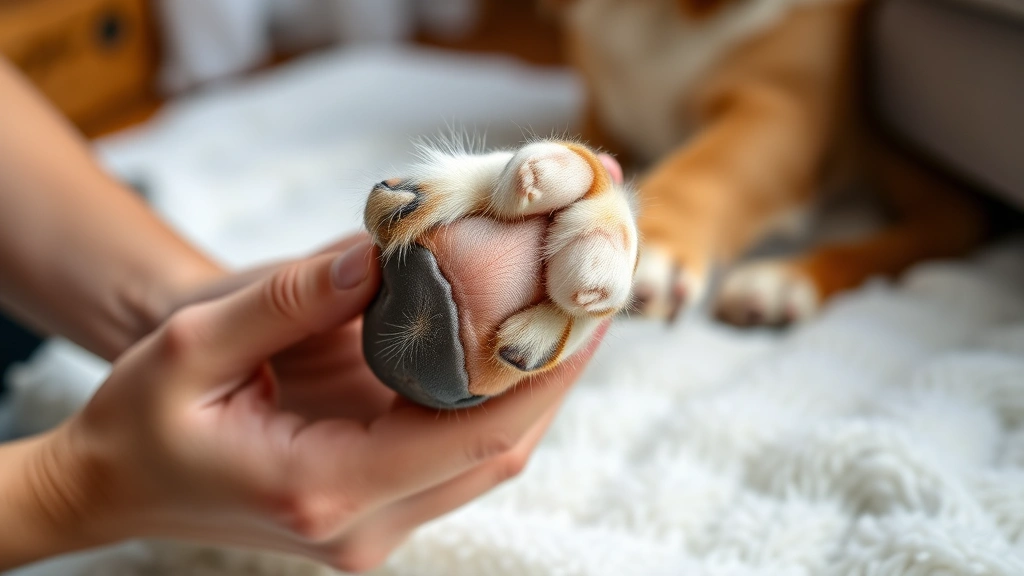
Getting the most out of your telehealth visit means doing a little prep work. Gather information about when the paw licking started, how often it occurs, and any triggers you’ve noticed. Take clear photos of your dog’s paws from different angles, and if possible, record a short video showing the licking behavior.
Have your dog’s medical history handy, including any previous skin issues, allergies, or medications. Write down any questions or concerns you want to address. Make sure you’re in a quiet space with good lighting so the vet can see and hear you clearly.
These simple steps help the consultation run smoothly and ensure you get the most accurate guidance.
Understanding Dog Skin Allergies and Online Diagnosis
If dog skin allergies are suspected during your online consultation, the vet will likely discuss the different types. Environmental allergies (pollen, dust, mold) often cause seasonal paw licking, while food allergies tend to be year-round. Contact allergies result from your dog stepping on or touching irritating substances.
During a telehealth visit, the vet can help you identify potential allergens in your dog’s environment or diet. They might recommend an elimination diet, increased paw washing, or other management strategies. Understanding the type of allergy affecting your dog is crucial for long-term management and relief.
The Connection Between Stress and Paw Licking
Sometimes, paw licking isn’t purely physical—it can be a sign of stress or anxiety. Dogs may develop a habit of licking their paws when they’re nervous, bored, or dealing with changes in their environment. An online vet can help you explore whether behavioral factors might be contributing to the problem.
If stress is a factor, the vet might suggest environmental enrichment, increased exercise, or behavioral modification techniques. They may also recommend consulting with a veterinary behaviorist for more specialized guidance. Addressing the emotional component of paw licking is just as important as treating any underlying physical cause.
Preventative Care and Long-Term Management
After your online consultation, the vet will likely provide guidance on preventing future episodes of excessive paw licking. This might include regular paw inspections, keeping paws clean and dry, maintaining a healthy diet, and managing stress.
Regular grooming and nail trimming can also help prevent issues. If your dog is prone to allergies, the vet might recommend seasonal preventative treatments or dietary supplements. Long-term management is often about consistency and catching problems early before they become serious.
How The Pet Vet Makes Online Consultations Easy
The Pet Vet’s telehealth platform is designed to make getting veterinary advice about your dog’s paw licking as simple as possible. You can schedule a consultation on your own timeline, connect with a licensed veterinarian via video, and get professional guidance without the hassle of a traditional vet visit.
Whether you’re concerned about puppy licking paws or adult dog paw issues, the platform connects you with experienced vets who can help. The consultations are confidential, affordable, and focused on getting your dog the care they need.
Comparing Online vs. Traditional Vet Visits for Paw Licking
Both online and in-person vet visits have their place in pet care. Online consultations excel at providing quick answers, initial assessments, and guidance on whether further testing is needed. They’re ideal for non-emergency concerns and for pet owners who value convenience and speed.
In-person visits are irreplaceable when hands-on examination, diagnostic testing, or physical treatment is necessary. The best approach often combines both: start with an online consultation to understand the issue, then proceed to an in-person visit if the vet recommends it. This hybrid approach gives your dog comprehensive care while minimizing unnecessary trips.
Frequently Asked Questions
Can a vet diagnose the cause of paw licking through an online consultation?
A vet can often narrow down the likely causes based on your description, photos, and your dog’s history. However, definitive diagnosis may require an in-person exam and diagnostic tests like skin scrapings or cultures.
How quickly can I get an online vet consultation about my dog’s paw licking?
Most telehealth platforms, including The Pet Vet, offer consultations within hours of booking. Some even offer same-day appointments, making it much faster than traditional vet scheduling.
Is an online vet consultation appropriate for severe paw licking or infection?
If your dog’s paws are severely inflamed, bleeding, or showing signs of infection, an in-person visit is recommended. An online consultation can help determine urgency and guide you toward the appropriate level of care.
What should I do if the online vet recommends an in-person visit?
Follow their recommendation and schedule an appointment with your regular vet or a local clinic. Bring any notes or documentation from your telehealth consultation to help the in-person vet understand the full picture.
Can online vets prescribe medication for paw licking?
Yes, many telehealth vets can prescribe appropriate medications based on the suspected cause. However, specific dosing instructions and treatment plans should always come from a licensed veterinarian familiar with your dog’s full medical history.
What To Do Now
- Document the behavior: Note when your dog’s paw licking started, how often it happens, and any patterns you’ve noticed. Take clear photos and, if possible, a short video to share with the vet.
- Schedule a telehealth consultation: Visit The Pet Vet or another trusted telehealth platform to book an online appointment. Most platforms allow you to schedule within 24 hours.
- Gather your dog’s medical history: Have information ready about your dog’s age, breed, diet, previous health issues, and any medications they’re currently taking.
- Prepare your environment: Make sure you have good lighting and a quiet space for the video call. Have your dog nearby so the vet can see them if needed.
- Follow up on recommendations: Whether the vet suggests monitoring, at-home care, or an in-person visit, implement their guidance promptly and track any changes in your dog’s behavior.
Summary
Yes, you can absolutely talk to a vet about dog licking paws online, and it’s often the fastest, most convenient way to get answers. Telehealth consultations allow you to connect with licensed veterinarians who can help identify the cause of your dog’s paw licking and guide you toward the right treatment. Whether the issue stems from allergies, parasites, infections, or behavioral factors, an online vet can help you understand what’s happening and determine next steps.
While online consultations can’t replace hands-on physical exams or diagnostic testing, they’re an excellent starting point for non-emergency concerns. They give you peace of mind, save time, and help you make informed decisions about your dog’s care. If you’re worried about your dog’s constant paw licking, don’t wait—schedule an online consultation today and get professional guidance from the comfort of your home. Your dog will thank you for taking action to help them feel better.