
Yes, you absolutely can talk to a vet about dog limping online—and it’s often the fastest way to get peace of mind when your pup starts favoring one leg. If you’ve noticed your dog walking stiffly, avoiding putting weight on a paw, or moving slower than usual, that sinking feeling is real. The good news? A licensed veterinarian can evaluate your dog’s limping through a telehealth visit, answer your questions, and help you decide whether your dog needs an in-person exam or urgent care.
Table of Contents
- Why Dog Limping Worries Pet Owners (And When It Should)
- How Online Vet Visits Work for Limping
- What Vets Can Diagnose Online
- When You Absolutely Need an In-Person Vet Visit
- Benefits of Talking to a Vet About Dog Limping Online
- What to Have Ready for Your Online Vet Consultation
- Common Causes of Dog Limping and What to Expect
- The Pet Vet: Your Online Resource for Dog Limping Concerns
- What to Do Now: Your Action Plan
- Frequently Asked Questions
- Summary: Getting Help for Your Limping Dog Has Never Been Easier
This article is for informational purposes only and is not a substitute for professional veterinary advice. Always consult a licensed veterinarian for diagnosis and treatment.
Why Dog Limping Worries Pet Owners (And When It Should)
Limping in dogs can mean anything from a minor thorn in the paw to something more serious like a ligament injury or arthritis. The uncertainty is what makes it stressful. Your mind races: Is it an emergency? Can it wait until Monday? Should I spend the money on a vet visit right now?
The reality is that some cases of limping resolve on their own within a day or two, while others require prompt veterinary attention. A telehealth vet can help you sort through these questions without the wait or the pressure of an in-person appointment.
How Online Vet Visits Work for Limping
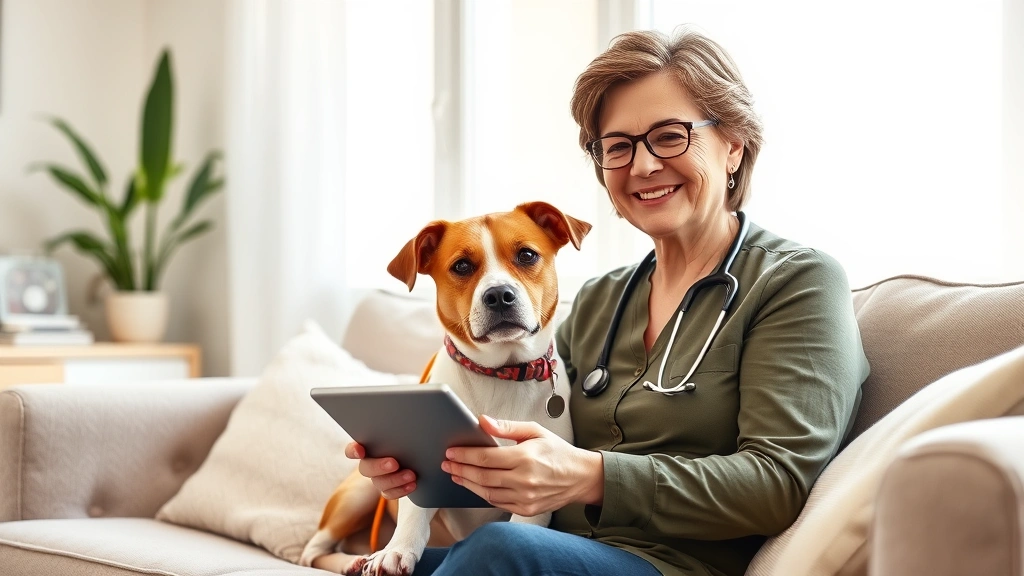
When you connect with a vet through a telehealth platform like The Pet Vet, the process is straightforward. You’ll schedule a video call, describe what you’ve observed, and show the vet how your dog is walking. The vet may ask questions about when the limping started, whether your dog was injured, and if there are other symptoms.
During the consultation, the vet uses their clinical judgment to assess the situation based on your observations and video footage. They can’t perform a physical exam or take X-rays remotely, but they can often rule out emergencies and recommend next steps—whether that’s monitoring at home, scheduling an in-person visit, or heading to an emergency clinic.
What Vets Can Diagnose Online
Online vets can help identify several common causes of limping:
- Minor sprains or muscle strains — Often resolve with rest and home care.
- Paw injuries — Thorns, splinters, or pad irritation visible on video.
- Arthritis or age-related stiffness — Especially in older dogs, often manageable with lifestyle adjustments.
- Nail issues — Overgrown or broken nails that cause discomfort.
- General mobility concerns — The vet can advise whether an in-person exam is necessary.
Catching these issues early puts you in a great position to help your dog feel better faster.
When You Absolutely Need an In-Person Vet Visit
Some situations require hands-on examination and can’t be fully assessed online. If your dog is showing any of these signs, an in-person or emergency visit is necessary:
- Sudden inability to bear weight on the affected leg.
- Severe swelling, heat, or visible deformity.
- Limping accompanied by fever, lethargy, or loss of appetite.
- Signs of pain like whimpering, aggression, or reluctance to move.
- Limping that doesn’t improve after a few days of rest.
- Suspected fracture or dislocation.
An online vet can help you determine if your situation falls into this category. If you are unsure whether your pet needs urgent care, a quick telehealth check-in can give you peace of mind — no appointment needed.
Benefits of Talking to a Vet About Dog Limping Online
Telehealth consultations offer several advantages for worried pet owners:
- Speed — Many online vets offer same-day or next-day appointments, much faster than traditional clinics.
- Convenience — No need to wrestle your limping dog into the car or wait in a crowded waiting room.
- Lower cost — Telehealth visits are typically less expensive than in-person exams.
- Reduced stress — Both you and your dog avoid the anxiety of a vet clinic visit.
- Expert guidance — Licensed vets can advise on home care, pain management, and whether further evaluation is needed.
- Documentation — You’ll have a record of the consultation for future reference or follow-up visits.
These benefits make online vet visits an excellent first step when your dog starts limping.
What to Have Ready for Your Online Vet Consultation
Preparation makes your telehealth visit more productive. Before you log on, gather these details:
- Your dog’s age, breed, and weight.
- When the limping started (exact day or approximate timeframe).
- Any recent injuries, activities, or changes in routine.
- Whether your dog has been limping consistently or intermittently.
- A list of any current medications or supplements.
- Video of your dog walking, if possible (even a 30-second clip helps).
- Photos of the affected paw or leg if there’s visible swelling or injury.
Having this information at your fingertips helps the vet ask better follow-up questions and give more targeted advice.
Common Causes of Dog Limping and What to Expect
Understanding why your dog might be limping can help you communicate more effectively with your online vet. Here are some frequent culprits:
Sprains and strains: These soft-tissue injuries often happen after jumping, running, or playing. They typically improve with rest and anti-inflammatory care, though a vet should confirm this diagnosis.
Arthritis: Older dogs or certain breeds are prone to joint disease, which causes stiffness and limping, especially after rest. An online vet can discuss management strategies like supplements, weight management, and exercise modifications.
Ligament injuries: Tears or sprains of the cruciate ligament or other connective tissue require in-person evaluation and possibly imaging. If your vet suspects this, they’ll recommend an in-person visit. You can also learn more about similar conditions in other pets by reading about torn ligament in cats, which shares some similarities with canine injuries.
Paw pad injuries: Thorns, splinters, cuts, or infections can cause limping. These are often visible on video and may be treatable at home with cleaning and monitoring.
Nail problems: Overgrown, broken, or infected nails cause significant discomfort. A vet can advise on nail trimming and whether infection is present.
The Pet Vet: Your Online Resource for Dog Limping Concerns
The Pet Vet specializes in telehealth consultations for exactly these situations. Our licensed veterinarians understand that limping can be alarming, and we’re here to help you figure out what’s going on without the stress of a traditional clinic visit.

Whether your dog’s limp is minor or you’re worried it might be serious, our vets provide honest, compassionate guidance. We can discuss home care options, recommend when in-person care is necessary, and help you make informed decisions about your dog’s health.
If you’re concerned about your puppy’s movement, you might also find our article on puppy limping online consultations helpful, as young dogs have unique considerations.
What to Do Now: Your Action Plan
If your dog is limping right now, here’s what to do next:
- Assess the severity: Watch your dog for the next few hours. Is the limp getting worse, staying the same, or improving? Note any other symptoms like swelling, heat, or behavioral changes.
- Provide rest: Limit your dog’s activity—no jumping, running, or long walks. Keep them on a leash during bathroom breaks.
- Schedule a telehealth consultation: Book an online vet visit with The Pet Vet or another licensed telehealth provider. Most can see you within 24 hours.
- Gather your information: Compile details about the limping, any injuries you know of, and your dog’s medical history before the appointment.
- Follow the vet’s guidance: After the consultation, follow their recommendations for home care, monitoring, or in-person follow-up.
Frequently Asked Questions
Can a vet diagnose a broken bone through a video call?
No, a vet cannot definitively diagnose a fracture online because X-rays are required. However, they can assess whether a fracture is likely based on your description and recommend an in-person visit for imaging.
How long does a telehealth vet consultation usually take?
Most online vet visits last 15–30 minutes, depending on the complexity of your dog’s condition and the vet’s assessment needs.
Will my online vet be able to prescribe pain medication for my dog’s limp?
Yes, many telehealth vets can prescribe medications, though specific dosing is determined by the vet based on your dog’s individual case. The vet may recommend an in-person visit for certain medications or conditions.
Is a telehealth vet visit cheaper than an in-person visit?
Generally, yes. Telehealth consultations are often 30–50% less expensive than traditional vet clinic visits because there’s no facility overhead.
What if the online vet says my dog needs to see a vet in person?
The vet will provide a clear recommendation and help you understand why an in-person visit is necessary. They can often help you find a nearby clinic or advise on whether an emergency visit is needed.
Summary: Getting Help for Your Limping Dog Has Never Been Easier
Dog limping is stressful, but you don’t have to figure it out alone. Yes, you can absolutely talk to a vet about dog limping online, and it’s often the best first step. A licensed veterinarian can assess your dog’s situation, answer your questions, and guide you toward the right next step—whether that’s home care, monitoring, or an in-person exam.
Telehealth visits offer speed, convenience, and peace of mind without breaking the bank. By connecting with an online vet quickly, you’re taking proactive steps to help your dog feel better.
Don’t wait and worry. Reach out to The Pet Vet today and get answers about your dog’s limping in as little as 24 hours.