
Yes, you can absolutely talk to a vet about your dog not eating online, and doing so quickly might be exactly what your anxious pup needs right now. When your beloved dog suddenly refuses meals, it’s natural to panic—but telehealth veterinary services like The Pet Vet make it possible to get professional guidance from home within minutes, without the stress of a car ride or waiting room.
Table of Contents
- Why Your Dog Might Not Be Eating
- Common Medical Reasons Dogs Stop Eating
- When to Seek Online Veterinary Help Immediately
- How Online Vet Consultations Work for Appetite Issues
- Preparing for Your Online Vet Appointment
- What Your Vet Might Recommend
- At-Home Care While You Wait for Your Appointment
- Understanding Your Dog’s Appetite and Overall Health
- Why Telehealth is Perfect for Appetite Concerns
- Red Flags That Require Emergency Care
- Frequently Asked Questions
- What To Do Now
- Summary: Getting Help for Your Dog’s Appetite Loss
This article is for informational purposes only and is not a substitute for professional veterinary advice. Always consult a licensed veterinarian for diagnosis and treatment.
Why Your Dog Might Not Be Eating
Loss of appetite in dogs can stem from dozens of different causes, ranging from minor to serious. Understanding what might be happening helps you describe symptoms more clearly to your vet during a telehealth consultation.
Sometimes a dog skips a meal simply because they’re not hungry that day, especially if they’ve been snacking on treats or had a large meal earlier. Other times, a change in routine, new food, or even stress can temporarily suppress appetite.
However, prolonged refusal to eat often signals an underlying health issue that deserves professional attention. Catching this early puts you in a great position to help your dog feel better faster.
Common Medical Reasons Dogs Stop Eating
Digestive upset is one of the most frequent culprits behind reduced appetite. Your dog could be experiencing gastrointestinal issues like nausea, constipation, or inflammation that makes food unappealing.
Dental problems also commonly cause dogs to avoid eating. A painful tooth, gum disease, or mouth ulcer can make chewing uncomfortable, so your dog might show interest in food but then walk away.
More serious conditions—such as kidney disease, liver disease, infections, or conditions like gastroparesis in dogs—frequently present with loss of appetite as an early warning sign. Additionally, hormonal imbalances, cancer, and neurological issues can suppress appetite.
Medications and recent vaccinations can also temporarily reduce a dog’s desire to eat. If your dog started a new medication recently, mention this during your online vet consultation.
When to Seek Online Veterinary Help Immediately
If your dog hasn’t eaten for more than 24 hours, an online vet consultation is a smart first step. You’ll get professional eyes on the situation quickly without unnecessary delays.
Watch for these additional warning signs that suggest your dog needs prompt veterinary attention:
- Vomiting or retching alongside not eating
- Lethargy or unusual tiredness
- Diarrhea or changes in bowel movements
- Abdominal pain or bloating
- Excessive drooling or difficulty swallowing
- Bad breath or visible mouth sores
- Weight loss over several days
If your dog shows severe symptoms like collapse, difficulty breathing, or signs of severe pain, seek emergency care at an animal hospital instead. For everything else, a quick telehealth check-in can give you peace of mind—no appointment needed.
How Online Vet Consultations Work for Appetite Issues
Telehealth veterinary visits have become remarkably effective for assessing appetite problems. Your vet will ask detailed questions about your dog’s eating habits, recent behavior changes, and any other symptoms you’ve noticed.
During the video consultation, the vet will examine your dog visually, checking their overall appearance, energy level, and body condition. They may ask you to examine your dog’s mouth or abdomen while they guide you through what to look for.
Based on this information, your vet can often determine whether your dog needs in-person bloodwork and imaging, or whether supportive care at home might be the first step. This saves you time and money while keeping your dog comfortable.

Preparing for Your Online Vet Appointment
Before you connect with your telehealth vet, gather some helpful information. Write down when your dog last ate, what they normally eat, and any changes to their diet or routine recently.
Note any other symptoms—even subtle ones like sleeping more than usual or changes in water intake. Have your dog’s medical history and current medications available, along with any recent lab results if you have them.
Make sure you’re in a quiet space with good lighting so the vet can see your dog clearly. Have your dog nearby but calm, and keep treats handy in case the vet wants to observe your dog’s interest in food during the call.
What Your Vet Might Recommend
Depending on what your vet discovers during the online consultation, they may suggest several approaches. For mild cases, they might recommend dietary changes, monitoring for other symptoms, and follow-up in a few days.
Your vet might suggest appetite-stimulating strategies, such as warming food slightly, offering smaller meals more frequently, or trying different protein sources. They may also recommend specific supplements or probiotics to support digestive health.
If your vet suspects a more serious underlying condition, they’ll likely recommend bringing your dog in for blood tests, ultrasound, or other diagnostics. The beauty of telehealth is that your vet can help you prioritize what’s truly urgent versus what can wait a day or two.
At-Home Care While You Wait for Your Appointment
While waiting for your telehealth consultation or following your vet’s initial recommendations, keep your dog comfortable and hydrated. Fresh water is essential—dehydration can develop quickly if your dog isn’t eating.
Try these supportive measures:
- Offer small amounts of bland food (plain cooked chicken or rice) if your dog shows interest
- Keep meal times calm and pressure-free—don’t force eating
- Maintain a consistent routine to reduce stress
- Monitor water intake and urination patterns
- Keep your dog in a comfortable, quiet space away from household chaos
Avoid sudden diet changes or introducing new foods, as these can further upset a sensitive stomach. Stick with what your dog normally eats unless your vet advises otherwise.
Understanding Your Dog’s Appetite and Overall Health
A dog’s appetite is closely tied to their overall well-being. Just like humans, dogs may lose interest in food when they’re stressed, anxious, or dealing with physical discomfort.
Age also plays a role—senior dogs sometimes experience reduced appetite due to changes in taste, smell, or dental health. Puppies and young adults typically have robust appetites unless something is wrong.
Environmental factors matter too. A move to a new home, introduction of a new pet, or changes in your schedule can temporarily suppress appetite. These usually resolve within a few days as your dog adjusts.
Why Telehealth is Perfect for Appetite Concerns
Online veterinary consultations offer several advantages specifically for appetite issues. You can connect with a licensed vet within hours rather than waiting days for an appointment, which reduces your stress and gets your dog help faster.
Telehealth eliminates the stress of car rides and vet office visits, which themselves can suppress appetite in anxious dogs. Your dog stays in their familiar home environment, which can actually help them relax during the consultation.
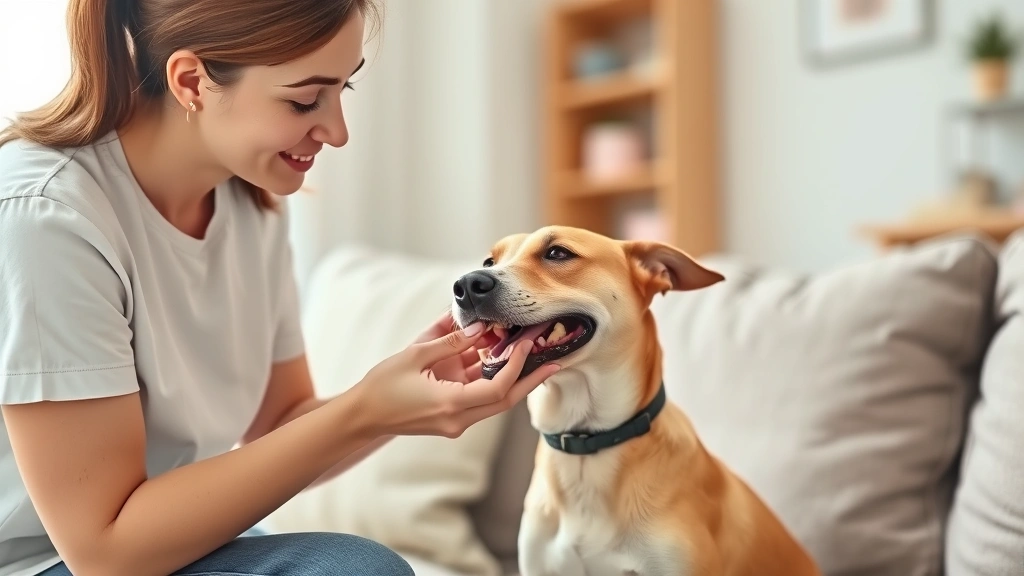
Cost-wise, telehealth visits are often more affordable than in-person appointments, and you avoid unnecessary fees if your dog doesn’t need physical examination or diagnostics. You only pay for the consultation and any recommended follow-up care.
Red Flags That Require Emergency Care
While telehealth is excellent for most appetite concerns, certain situations demand immediate emergency veterinary care at an animal hospital.
Seek emergency care if your dog shows:
- Severe lethargy or unresponsiveness
- Repeated vomiting or vomiting with blood
- Signs of extreme pain (crying, guarding abdomen, inability to stand)
- Difficulty breathing or pale gums
- Seizures or loss of consciousness
- Suspected toxin ingestion
When in doubt, a quick telehealth consultation can help you determine whether your situation is urgent or can wait. Your vet can guide you toward the right level of care.
Frequently Asked Questions
Can a vet diagnose the cause of my dog’s appetite loss through video alone?
Your vet can often narrow down the cause through visual assessment and detailed questions about symptoms, but some conditions require blood tests or imaging for a definitive diagnosis. Your telehealth vet will let you know if in-person diagnostics are necessary.
How long should I wait before contacting a vet about my dog not eating?
If your dog skips one meal but seems otherwise normal, you can monitor for 24 hours. If they refuse food for more than 24 hours or show other symptoms, contact a vet right away.
Will my vet prescribe medication during a telehealth visit for appetite loss?
Yes, many vets can prescribe medications through telehealth if appropriate. However, some conditions require in-person examination before medication is prescribed for safety reasons.
Is it normal for dogs to occasionally skip meals?
Occasionally skipping a meal can be normal, especially if your dog ate a large snack earlier. However, consistent refusal to eat warrants veterinary attention to rule out health issues.
Can stress cause my dog to stop eating?
Yes, stress and anxiety can temporarily suppress appetite in dogs. Environmental changes, loud noises, or routine disruptions may cause your dog to eat less until they adjust.
What To Do Now
If your dog hasn’t eaten for more than 24 hours or is showing concerning symptoms, here’s your action plan:
- Schedule a telehealth consultation immediately with The Pet Vet or another licensed veterinary telehealth service to get professional guidance within hours
- Document your observations—write down when your dog last ate, what they normally eat, and any other symptoms you’ve noticed to share with your vet
- Keep your dog hydrated and comfortable while waiting for your appointment by offering fresh water and maintaining a calm, quiet environment
- Gather medical records including your dog’s age, breed, current medications, and any previous health conditions to have ready for your vet
- Follow your vet’s recommendations carefully—whether that’s monitoring at home, scheduling in-person diagnostics, or making dietary adjustments
Summary: Getting Help for Your Dog’s Appetite Loss
Yes, you can absolutely talk to a vet about your dog not eating online, and it’s often the fastest, most convenient way to get professional help. Telehealth veterinary services make it possible to connect with a licensed vet from home, describe your dog’s symptoms, and receive guidance—all without the stress of a vet office visit.
Most appetite issues can be assessed through a video consultation, and your vet can determine whether your dog needs further diagnostics, medication, dietary changes, or simply monitoring at home. By reaching out promptly when your dog refuses food for more than 24 hours, you’re taking the right step to protect their health.
Don’t let worry keep you from seeking help. Your dog’s sudden loss of appetite deserves professional attention, and modern telehealth makes getting that care easier than ever. Schedule a consultation today and give yourself and your pup the peace of mind you both deserve.
Your dog’s health is too important to guess about. When appetite changes, trust your instincts and reach out to a vet who can help—whether through telehealth or in-person care.