
Yes, you can absolutely talk to a vet about dog panting online, and it’s one of the fastest ways to get answers when your furry friend seems uncomfortable. If you’ve noticed your dog panting more than usual—whether it’s heavy breathing after a walk, constant panting at rest, or rapid breathing that just seems off—a telehealth consultation can help you understand what’s going on without the stress of a car ride or waiting room.
Table of Contents
- Why Dog Panting Deserves Attention
- When to Reach Out to a Vet About Your Dog’s Panting
- How Online Vet Consultations Work for Panting Issues
- What Information to Have Ready for Your Online Consultation
- Common Causes of Excessive Dog Panting Explained
- Red Flags That Require Immediate Attention
- What to Expect After Your Online Vet Consultation
- Comparing Telehealth vs. Traditional Vet Visits for Panting
- Tips for a Successful Online Vet Consultation About Dog Panting
- How The Pet Vet Makes Online Consultations Accessible
- Frequently Asked Questions
- What To Do Now
- Final Thoughts: You Don’t Have to Wonder Alone
This article is for informational purposes only and is not a substitute for professional veterinary advice. Always consult a licensed veterinarian for diagnosis and treatment.
Dog panting is completely normal in many situations. Your pup pants to cool down, express excitement, or manage stress. But when panting becomes excessive, persistent, or happens without an obvious reason, it’s worth investigating. The good news? You don’t have to wonder alone or wait days for an appointment.
Why Dog Panting Deserves Attention
Panting is your dog’s primary cooling mechanism since they can’t sweat like humans do. However, excessive panting can signal several underlying issues—some minor, others more serious. When you can talk to a vet about dog panting online, you’re getting professional insight within minutes, not days.
Common reasons dogs pant excessively include heat stress, anxiety, pain, respiratory issues, or heart conditions. Catching these early puts you in a great position to help your dog feel better quickly.
When to Reach Out to a Vet About Your Dog’s Panting
Not every instance of panting requires urgent care, but certain situations absolutely warrant a conversation with a veterinarian. If your dog is panting heavily in a cool environment, seems distressed, or the panting started suddenly without explanation, a quick online consultation can give you clarity.
You should also reach out if your dog’s panting is accompanied by other symptoms like lethargy, loss of appetite, coughing, or unusual behavior. If you’re unsure whether your pet needs urgent care, a quick telehealth check-in can give you peace of mind—no appointment needed.
Additionally, if your dog has a history of respiratory issues or heart problems, monitoring panting patterns with veterinary guidance is especially important. Our article on dog respiratory infection emergency signs can help you identify red flags.
How Online Vet Consultations Work for Panting Issues
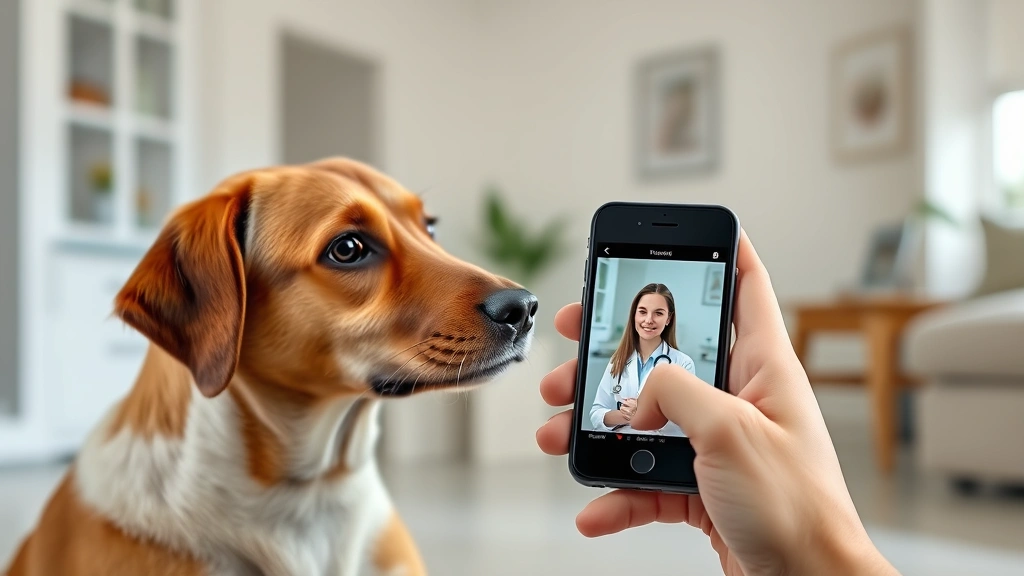
Telehealth veterinary visits are straightforward and designed with pet owners in mind. You’ll typically start by uploading photos or videos of your dog, describing when the panting started, and answering questions about your dog’s health history.
A licensed veterinarian will review this information and often request a live video call to observe your dog directly. During the call, the vet can ask detailed questions about your dog’s behavior, environment, diet, and any recent changes. This gives them enough context to offer guidance or recommend next steps.
The entire process usually takes 15–30 minutes, and you’ll receive a summary of the consultation via email. Many telehealth platforms, including The Pet Vet, allow you to message your vet with follow-up questions within 24 hours.
What Information to Have Ready for Your Online Consultation
Before you connect with a vet online, gather some key details to make the most of your time. Here’s what to prepare:
- Panting timeline: When did you first notice the excessive panting? Was it sudden or gradual?
- Environmental context: What was your dog doing when you noticed it? Was it hot, stressful, or during normal play?
- Associated symptoms: Is your dog coughing, limping, drooling more than usual, or showing behavioral changes?
- Medical history: Does your dog have any pre-existing conditions, allergies, or medications they’re currently taking?
- Recent changes: Any new foods, activities, travel, or household changes in the past week or two?
- Video or photos: If possible, capture your dog panting so the vet can observe the pattern and severity.
Having this information ready will help the veterinarian give you more accurate guidance and potentially identify the cause faster.
Common Causes of Excessive Dog Panting Explained
Understanding why your dog might be panting excessively can help you describe the situation more clearly to your vet. Here are some of the most common culprits:
Heat and Exercise: This is the most straightforward cause. Dogs cool themselves through panting, so heavy panting after a walk or play session is completely normal. If your dog recovers within 15–20 minutes in a cool space, there’s likely nothing to worry about.
Anxiety and Stress: Panting can be a sign of nervousness—during thunderstorms, car rides, or visits to unfamiliar places. Some dogs are just more anxious than others, and their panting reflects their emotional state.
Respiratory Issues: Conditions like dog respiratory infections can cause rapid, shallow panting. If the panting is accompanied by coughing or wheezing, this is worth discussing with a vet right away.
Heart Problems: Excessive panting can sometimes indicate that the heart is working harder to pump blood. This is especially concerning in older dogs or breeds prone to dog heart disease. Early detection through telehealth consultation can make a real difference.
Pain or Discomfort: Dogs in pain often pant as a coping mechanism. This could be related to arthritis, injuries, or internal issues. If your dog seems uncomfortable or is reluctant to move, a vet consultation is important.
Medication Side Effects: Some medications can cause increased panting. If your dog started a new medication recently and the panting began around the same time, mention this to your vet.
Red Flags That Require Immediate Attention
While many causes of excessive panting are manageable, some situations need urgent care rather than a routine telehealth visit. If your dog is experiencing any of these symptoms, seek emergency veterinary care immediately:
- Extreme difficulty breathing or gasping for air
- Blue-tinged gums or tongue (sign of low oxygen)
- Collapse or loss of consciousness
- Severe distress or panic
- Panting combined with vomiting or diarrhea
- Suspected heatstroke (excessive panting, drooling, weakness, confusion)
In these cases, don’t wait for a telehealth appointment—contact your local emergency veterinary clinic or animal hospital immediately. Your dog’s safety comes first.
What to Expect After Your Online Vet Consultation
Once your telehealth consultation is complete, the vet will typically provide you with recommendations based on their assessment. These might include home care strategies, dietary adjustments, activity modifications, or a recommendation to schedule an in-person exam.
Some vets can prescribe medications or supplements if needed, though the prescription will still need to be filled at a pharmacy or veterinary clinic. If the vet suspects a serious condition, they’ll recommend follow-up in-person diagnostics like blood work, X-rays, or ultrasound.
The key advantage of telehealth is that you’ll have professional guidance immediately, which often prevents unnecessary emergency room visits and gives you confidence in managing your dog’s care at home.
Comparing Telehealth vs. Traditional Vet Visits for Panting
Both telehealth and in-person visits have their place in pet care. Here’s how they compare when dealing with dog panting:
Telehealth Benefits: Faster access, lower cost, convenience, no travel stress for your dog, and immediate peace of mind. Ideal for non-emergency situations where you need professional input quickly.
In-Person Benefits: Physical examination, ability to perform diagnostic tests on-site, hands-on assessment of breathing patterns, and immediate medication administration if needed. Essential for complex cases or when the vet needs to rule out serious conditions.
Many pet owners use telehealth as a first step to determine whether an in-person visit is necessary. This approach saves time, money, and stress while ensuring your dog gets the right level of care.
Tips for a Successful Online Vet Consultation About Dog Panting
To get the most out of your telehealth experience, keep these tips in mind:
- Choose a quiet, well-lit space for your video call so the vet can see and hear clearly.
- Have your dog nearby and calm if possible, so the vet can observe their breathing patterns.
- Be honest about your observations—even small details can help the vet narrow down the cause.
- Ask questions if you don’t understand the vet’s explanation or recommendations.
- Take notes during the consultation so you remember everything discussed.
- Follow up promptly if the vet recommends an in-person visit or additional monitoring.
How The Pet Vet Makes Online Consultations Accessible
The Pet Vet is committed to making veterinary care convenient and stress-free. Our platform connects you with licensed veterinarians who specialize in addressing common concerns like excessive panting, without the hassle of traditional appointments.
You can start a consultation anytime, upload information at your own pace, and receive professional guidance quickly. We understand that worried pet owners need answers fast, and our mission is to enhance your dog’s well-being through accessible, high-quality care.
Frequently Asked Questions
Is a telehealth vet visit as good as an in-person visit for dog panting?
Telehealth is excellent for initial assessment and guidance, but it can’t replace a physical exam if the vet suspects a serious condition. Many vets use telehealth to determine whether an in-person visit is necessary.
How much does an online vet consultation cost?
Telehealth consultations are typically less expensive than in-person visits, ranging from $30–$75 depending on the platform and vet. The Pet Vet offers transparent pricing with no hidden fees.
Can a vet prescribe medication through a telehealth visit?
Yes, many veterinarians can prescribe medications after a telehealth consultation, though some conditions may require an in-person exam first. The prescription can be filled at most pharmacies or veterinary clinics.
What if my dog’s panting is caused by something serious?
If the vet suspects a serious condition during your telehealth consultation, they’ll recommend an in-person visit or emergency care. Early detection through telehealth often helps catch serious issues sooner.
Can I get a telehealth consultation if my regular vet is closed?
Yes, that’s one of the biggest advantages of telehealth. The Pet Vet and similar platforms operate extended hours, including evenings and weekends, so you can get answers when traditional clinics are closed.
What To Do Now
If your dog is panting excessively and you’re concerned, here are your next steps:
- Document the panting: Note when it started, how long it lasts, and whether it happens at rest or during activity. If possible, record a short video to show the vet.
- Gather your dog’s medical history: Have information about any pre-existing conditions, current medications, allergies, and recent changes ready for your consultation.
- Schedule a telehealth consultation: Visit The Pet Vet or a similar platform to start a consultation with a licensed veterinarian. You’ll get professional guidance within hours.
- Follow the vet’s recommendations: Whether that’s home care adjustments, monitoring, or scheduling an in-person visit, implement their advice and report back on any changes.
- Monitor your dog closely: Keep an eye on the panting pattern and watch for any additional symptoms. Reach out to your vet immediately if your dog’s condition worsens.
Final Thoughts: You Don’t Have to Wonder Alone
Excessive dog panting can be worrying, but you have options for getting answers quickly and conveniently. Yes, you absolutely can talk to a vet about dog panting online—and it’s often the smartest first step when you’re concerned about your dog’s health.
Telehealth consultations give you professional insight, peace of mind, and clear guidance on next steps, all from the comfort of your home. Whether your dog’s panting is caused by heat, anxiety, or something that needs further investigation, a vet can help you figure it out.
Don’t let worry keep you up at night. Reach out to a telehealth vet today and get the answers you need to keep your dog happy and healthy. If you’re also noticing other symptoms like coughing, check out our guide on talking to a vet about dog coughing online for additional insights.
Your dog’s well-being is worth the conversation, and professional guidance is just a click away.