
Yes, you can absolutely talk to a vet about kitten behavior problems online, and doing so might be one of the smartest moves you make as a new kitten parent. Whether your little furball is climbing the curtains at 3 a.m., refusing the litter box, or showing signs of stress, online veterinary consultations offer a fast, convenient way to get professional guidance without leaving your home.
Table of Contents
- Why Online Vet Consultations Work So Well for Kitten Behavior
- Common Kitten Behavior Problems You Can Discuss Online
- What to Expect During an Online Kitten Behavior Consultation
- How Online Vets Diagnose Behavior Issues
- Behavioral vs. Medical: When Your Vet Might Recommend Further Evaluation
- Practical Tips Your Online Vet Might Suggest
- The Role of Kitten Anxiety in Behavior Problems
- Socialization and Its Impact on Behavior
- When to Seek Immediate Help vs. Scheduling an Online Consultation
- How The Pet Vet Makes Online Behavior Consultations Easy
- Building a Long-Term Behavior Plan
- Frequently Asked Questions
- What To Do Now
- Summary: You’re Not Alone in This
This article is for informational purposes only and is not a substitute for professional veterinary advice. Always consult a licensed veterinarian for diagnosis and treatment.
Kitten behavior problems can feel overwhelming, especially if you’re a first-time cat owner. The good news? A licensed veterinarian can help you understand what’s driving your kitten’s actions and create a plan to address them. Online consultations make this support more accessible than ever.
Why Online Vet Consultations Work So Well for Kitten Behavior
Traditional vet visits require scheduling weeks in advance and wrestling your kitten into a carrier. Online consultations eliminate that stress—for both you and your pet. You can describe your kitten’s behavior in detail while they’re in their natural environment, which actually gives your vet better insight into what’s happening.
Many kitten behavior issues are rooted in anxiety, environmental factors, or simple misunderstandings about what’s normal. A vet can help you distinguish between typical kitten antics and genuine problems that need intervention.

The convenience factor is real. Instead of taking time off work or rearranging your schedule, you can have a video call with a vet during your lunch break or in the evening.
Common Kitten Behavior Problems You Can Discuss Online
Nearly every behavior concern can be addressed in an initial online consultation. Here are some of the most common issues kitten owners bring to vets:
- Excessive biting and scratching: Kittens explore the world with their mouths and claws, but sometimes this crosses into aggressive play that leaves you bleeding.
- Litter box avoidance: If your kitten is eliminating outside the box, a vet can rule out medical issues and discuss behavioral solutions.
- Destructive behavior: Shredding furniture, knocking things off shelves, or attacking your hands during play.
- Excessive meowing or vocalization: Some kittens are chattier than others, but persistent crying could signal something else.
- Fear and hiding: A kitten that won’t come out from under the bed might be experiencing anxiety that needs addressing.
- Aggression toward other pets: Multi-pet households sometimes need guidance on introducing kittens safely.
- Nighttime hyperactivity: The classic “zoomies” are normal, but extreme nocturnal behavior might indicate boredom or stress.
Catching behavioral issues early puts you in a great position to help your kitten develop into a well-adjusted adult cat.
What to Expect During an Online Kitten Behavior Consultation
An online vet visit for behavior typically starts with questions about your kitten’s age, history, and the specific behaviors you’re concerned about. The vet will ask when the behavior started, how often it happens, and what triggers it.

Be ready to describe the context. Does your kitten bite mainly during play? Is the litter box avoidance new or ongoing? Has anything changed in your home recently? These details help your vet form a clearer picture.
Many vets will also ask about your kitten’s diet, play routine, and environment. Behavior is rarely random—it usually has a cause, and your vet’s job is to help you find it.
If you’re unsure whether your pet needs urgent care, a quick telehealth check-in can give you peace of mind—no appointment needed.
How Online Vets Diagnose Behavior Issues
Veterinarians use behavioral assessment to understand what’s driving your kitten’s actions. Unlike physical symptoms, behavior can’t be tested with bloodwork, but a skilled vet can gather enough information through conversation and observation to make helpful recommendations.

Your vet may ask you to show them your kitten during the call, or they might request a short video of the behavior in question. This visual information is incredibly valuable for behavior assessment.
Some behavior problems have underlying medical causes. For example, a kitten that’s not using the litter box might have a urinary tract infection. A vet can help you determine if medical evaluation is needed before jumping to behavioral interventions.
Behavioral vs. Medical: When Your Vet Might Recommend Further Evaluation
During an online consultation, your vet might recommend an in-person exam if they suspect a medical component to the behavior. This is especially true for litter box issues, excessive grooming, or sudden changes in appetite or energy.
Medical issues like thyroid problems, parasites, or pain can absolutely manifest as behavior changes. A thorough vet will want to rule these out before focusing purely on behavior modification.

The beauty of starting with an online consultation is that it helps you and your vet decide together whether an in-person visit is necessary.
Practical Tips Your Online Vet Might Suggest
Most kitten behavior consultations include actionable advice you can implement immediately. Here are strategies vets commonly recommend:
- Provide appropriate outlets: Ensure your kitten has scratching posts, climbing trees, and toys that match their energy level. Different kittens have different play preferences.
- Establish a routine: Kittens thrive on predictability. Regular feeding times, play sessions, and quiet time help reduce anxiety and unwanted behaviors.
- Use positive reinforcement: Reward the behaviors you want to see more of with treats, praise, or play. Ignore or redirect unwanted behaviors rather than punishing.
- Environmental enrichment: Window perches, puzzle feeders, and interactive toys keep kittens mentally stimulated and less likely to develop problem behaviors.
- Manage triggers: If your kitten bites during certain types of play, your vet might suggest changing how you interact or introducing boundaries.
Your vet can tailor these suggestions to your specific situation and kitten’s personality.
The Role of Kitten Anxiety in Behavior Problems
Many kitten behavior issues stem from anxiety rather than aggression or misbehavior. A kitten that’s anxious may lash out, hide excessively, or engage in destructive behavior as a way of coping with stress.

Environmental changes—moving to a new home, introducing a new pet, loud noises—can trigger anxiety in kittens. Your online vet can help you identify anxiety triggers and develop a calming plan.
Understanding that your kitten’s behavior might be rooted in fear or stress changes how you respond and opens the door to compassionate, effective solutions. Learn more about how to address kitten anxiety with professional guidance.
Socialization and Its Impact on Behavior
Kittens go through critical socialization periods, especially between 2 and 7 weeks of age. Proper socialization helps them develop confidence and reduces fear-based behaviors later in life.
If your kitten missed important socialization windows—perhaps they were rescued as a stray or had limited human contact early on—they may show behavior challenges. A vet can discuss rehabilitation strategies and realistic timelines for improvement.
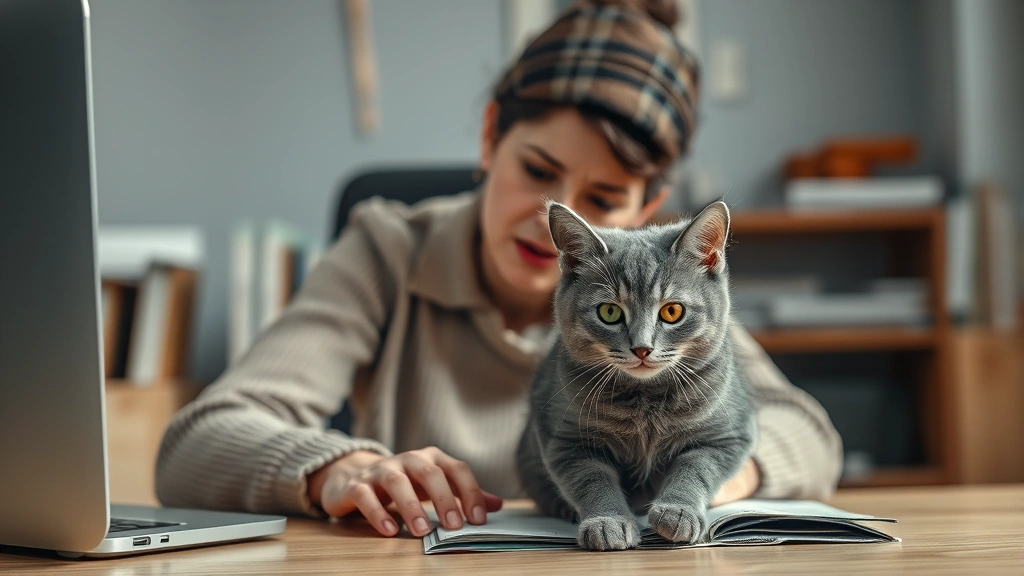
It’s never too late to help a kitten become more confident and comfortable, but understanding their background helps your vet give you the right expectations and tools.
When to Seek Immediate Help vs. Scheduling an Online Consultation
Most kitten behavior problems are not emergencies, but a few situations warrant urgent care. If your kitten is injured, bleeding, unable to eat or drink, or showing signs of severe distress, contact an emergency vet clinic immediately.
For non-urgent behavior concerns—excessive play biting, litter box issues, mild anxiety—an online consultation is perfect. You’ll get expert guidance quickly without the stress of an ER visit.
When in doubt, a quick call to your vet’s office or a telehealth platform can help you determine the right level of care.

How The Pet Vet Makes Online Behavior Consultations Easy
At The Pet Vet, we understand that kitten behavior questions often come up at inconvenient times. That’s why we offer flexible online consultations that fit your schedule. You can ask a vet about kitten behavior problems from the comfort of your home, with a licensed veterinarian who takes your concerns seriously.
Our goal is to give you the information and confidence you need to support your kitten’s behavioral health. Whether it’s your first kitten or your fifth, we’re here to help.
Building a Long-Term Behavior Plan
One online consultation is a great start, but behavior change often takes time. Your vet might recommend follow-up calls to check on progress, adjust strategies, or address new concerns.
Think of your online vet as a partner in your kitten’s development. They can guide you through the challenging early months and help you build a strong foundation for adult behavior.

Many kitten behavior issues resolve beautifully with the right approach, patience, and professional support.
Frequently Asked Questions
Can a vet diagnose behavior problems without seeing my kitten in person?
Yes, many behavior issues can be assessed through detailed conversation and video observation. However, your vet might recommend an in-person exam if they suspect a medical component to the behavior.
How much does an online kitten behavior consultation cost?
Costs vary by platform and vet, but online consultations are typically more affordable than in-person visits. Check with The Pet Vet or your chosen telehealth provider for specific pricing.
Will my vet prescribe medication for behavior problems online?
Some behavior-related medications can be prescribed online, but many vets prefer an in-person exam first. Your vet will discuss what’s appropriate for your kitten’s situation.
What if the online vet thinks my kitten needs to be seen in person?
Your vet will explain why an in-person visit is recommended and help you schedule one. This is actually a good thing—it means your vet is being thorough.
How long does an online kitten behavior consultation typically take?
Most consultations last 20–30 minutes, though complex cases may take longer. You’ll usually know the duration before booking.
What To Do Now
- Document the behavior: Write down when the behavior happens, what triggers it, and how long it lasts. This information will be invaluable during your consultation.
- Schedule an online consultation: Visit The Pet Vet or a trusted telehealth platform to book your appointment. Many offer same-day or next-day availability.
- Prepare your environment: Have your kitten nearby (but not necessarily on camera the whole time) and be ready to show your vet your home setup, litter box, toys, and scratching posts if relevant.
- Write down your questions: Beyond the main behavior concern, jot down any other questions you have. Your vet can address multiple topics in one call.
- Follow through on recommendations: After your consultation, implement the strategies your vet suggests and track progress. Be patient—behavior change takes time.
Summary: You’re Not Alone in This
Kitten behavior problems are incredibly common, and the fact that you’re seeking professional guidance shows you’re a caring, responsible pet owner. Yes, you can absolutely talk to a vet about kitten behavior problems online, and it’s often the fastest, most convenient way to get expert help.
Whether your kitten is acting out due to anxiety, lack of stimulation, socialization gaps, or simple kitten exuberance, a licensed vet can help you understand what’s happening and create a plan to address it. Online consultations make this support accessible and affordable, fitting into your life instead of disrupting it.
Your kitten’s behavior challenges are temporary. With the right guidance, patience, and support, you’ll help them grow into a confident, well-adjusted adult cat. Start with an online consultation today—your future self (and your furniture) will thank you.