
If you’ve noticed your kitten breathing fast and you’re worried about what it means, you’re not alone—and yes, you absolutely can talk to a vet about kitten breathing fast online. Many pet owners find themselves in this exact situation: it’s after hours, your kitten seems off, and you’re unsure whether it’s an emergency or something that can wait. The good news is that telehealth veterinary services make it easier than ever to get professional guidance without leaving your home.
Table of Contents
- Why Your Kitten Might Be Breathing Fast
- Common Causes of Fast Breathing in Kittens
- How Online Vet Visits Work for Your Kitten
- When to Seek Immediate Care vs. Scheduling an Online Visit
- Benefits of Talking to a Vet Online About Your Kitten’s Symptoms
- Questions Your Vet Will Ask During an Online Consultation
- What You Can Do While Waiting for Your Online Vet Appointment
- Comparing Online Vet Visits to In-Person Exams for Breathing Issues
- Understanding Your Kitten’s Respiratory Health Long-Term
- Frequently Asked Questions
- What To Do Now
- Summary
This article is for informational purposes only and is not a substitute for professional veterinary advice. Always consult a licensed veterinarian for diagnosis and treatment.
Why Your Kitten Might Be Breathing Fast
Fast breathing in kittens—medically called tachypnea—can happen for several reasons. Some are completely harmless, like after playtime or when your kitten is excited or warm. However, rapid breathing can also signal that something needs attention.
Your kitten’s normal resting respiratory rate should be between 20 and 30 breaths per minute. If you count more than 40 breaths per minute while your kitten is resting or sleeping, that’s worth investigating with a vet.
Common Causes of Fast Breathing in Kittens
Fast breathing in kittens may be experiencing several underlying causes. Here are the most common ones:
- Fever or infection: Respiratory infections, including viral or bacterial conditions, can cause rapid breathing.
- Pain or discomfort: Kittens in pain often breathe faster as their body’s stress response kicks in.
- Anemia: Low red blood cell counts force the body to breathe harder to get enough oxygen.
- Heart conditions: Congenital heart problems or other cardiac issues may present with fast breathing.
- Asthma or allergies: Feline asthma can cause labored or rapid breathing, especially during exertion.
- Stress or anxiety: Environmental changes or loud noises can trigger temporary increases in breathing rate.
- Overheating: Kittens cool themselves through panting, so warm environments may cause faster breathing.
- Fluid in the lungs: Conditions like pneumonia or pulmonary edema require immediate veterinary care.
Catching this early puts you in a great position to help your kitten feel better quickly.
How Online Vet Visits Work for Your Kitten
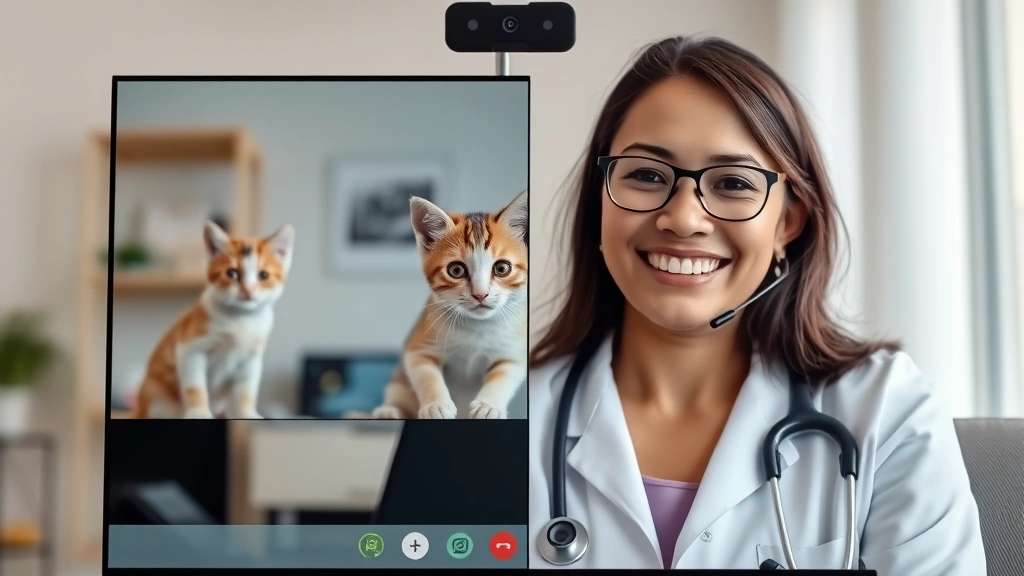
Telehealth veterinary consultations are straightforward and designed with pet owners in mind. When you connect with a vet online, you’ll typically use video, phone, or chat to describe what you’re observing in your kitten.
The veterinarian will ask detailed questions about your kitten’s breathing patterns, any other symptoms, medical history, and recent changes in behavior or environment. They may ask you to show your kitten on camera or describe specific observations like whether the breathing is labored, noisy, or accompanied by coughing.
Based on this information, the vet can provide guidance, recommend monitoring steps, suggest at-home care, or advise whether an in-person exam is necessary. If you are unsure whether your pet needs urgent care, a quick telehealth check-in can give you peace of mind — no appointment needed.
When to Seek Immediate Care vs. Scheduling an Online Visit
Not all cases of fast breathing require emergency treatment, but some do. Understanding the difference helps you act quickly when it matters most.
Seek immediate emergency care if your kitten is:
- Gasping for air or struggling to breathe
- Drooling excessively or unable to swallow
- Turning blue or pale around the gums and tongue
- Completely unresponsive or collapsing
- Making unusual noises while breathing (wheezing, stridor)
- Showing signs of choking or foreign object obstruction
A telehealth visit is appropriate for:
- Mild to moderate fast breathing without distress
- Fast breathing that started after play or excitement
- Breathing changes without other alarming symptoms
- You want professional reassurance and guidance
When in doubt, reach out. Vets would rather hear from you about a minor concern than miss something important.
Benefits of Talking to a Vet Online About Your Kitten’s Symptoms
Online veterinary consultations offer several advantages for worried pet owners. First, they’re convenient—no travel time, no waiting rooms, and often available outside traditional business hours. This means you can get answers when you need them most.
Second, telehealth visits are typically more affordable than in-person emergency visits, making professional guidance accessible when budget is a concern. Third, your kitten stays in their familiar home environment, which can actually reduce stress during the consultation.
Additionally, you have a documented record of the conversation and any recommendations, which is helpful if you need to follow up with your regular veterinarian or visit an emergency clinic later. Many pet owners find that an initial online chat helps them feel more confident about next steps.
Questions Your Vet Will Ask During an Online Consultation
Being prepared with specific observations makes your telehealth visit more productive. Your vet will likely ask:
- How long has your kitten been breathing fast?
- Does the fast breathing happen at rest, during play, or all the time?
- Are there any other symptoms (coughing, sneezing, lethargy, loss of appetite)?
- Has your kitten been exposed to sick animals recently?
- Any recent changes in behavior, appetite, or litter box habits?
- Is your kitten up to date on vaccinations?
- Any known medical conditions or previous respiratory issues?
- What does your home environment look like (temperature, humidity, recent changes)?
Having this information ready before your call will help the vet give you the most accurate guidance.
What You Can Do While Waiting for Your Online Vet Appointment
If your kitten’s breathing is concerning but not an emergency, here are steps to take while you arrange a telehealth consultation:
- Monitor and document: Count your kitten’s breaths for one full minute while they’re resting. Note the time, rate, and any other observations.
- Keep your kitten calm: Minimize stress by keeping them in a quiet, comfortable space. Avoid excessive handling or play.
- Check temperature: If your kitten feels warm to the touch, they may have a fever. Keep them in a cool (not cold) environment.
- Offer water: Ensure fresh water is available, as dehydration can worsen breathing issues.
- Avoid triggers: Stay away from strong odors, smoke, or dust that might irritate airways.
These simple steps support your kitten’s comfort while you get professional guidance.
Comparing Online Vet Visits to In-Person Exams for Breathing Issues
Both telehealth and in-person visits have their place in pet care. Online consultations excel at providing quick guidance, answering questions, and helping you decide next steps without delay.
However, in-person exams allow vets to listen to your kitten’s lungs with a stethoscope, check heart rate, assess body condition, and perform physical examinations that might reveal underlying issues. For fast breathing, your vet may recommend an in-person follow-up to rule out serious conditions, especially if symptoms persist or worsen.
Many pet owners use telehealth as a first step—getting professional input quickly—and then schedule an in-person visit if recommended. This approach combines convenience with thorough care.
Understanding Your Kitten’s Respiratory Health Long-Term
After addressing the immediate concern of fast breathing, it’s worth thinking about your kitten’s overall respiratory health. Regular wellness visits help vets establish baseline breathing rates and catch potential issues early.
Keep an eye on seasonal changes, as some kittens are more prone to respiratory infections during certain times of year. Maintain good indoor air quality, keep up with vaccinations, and watch for patterns in your kitten’s breathing or behavior.
If your kitten has had respiratory issues before, discuss preventive strategies with your vet. Early intervention often prevents small problems from becoming serious ones.
Frequently Asked Questions
Can a vet diagnose the cause of fast breathing through an online visit?
A vet can often narrow down the likely causes and provide guidance through telehealth, but some conditions require physical examination or diagnostic tests like X-rays or bloodwork for a definitive diagnosis.
Is it safe to wait for a telehealth appointment if my kitten is breathing fast?
If your kitten is in distress, gasping, or showing other severe symptoms, go to an emergency clinic immediately. For mild fast breathing without distress, telehealth is a safe first step.
How long does an online vet consultation for fast breathing usually take?
Most telehealth consultations last 15 to 30 minutes, depending on the complexity of your kitten’s symptoms and the questions your vet needs to ask.
Will my vet prescribe medication during an online visit?
Yes, many vets can prescribe medications through telehealth if appropriate. However, some conditions may require an in-person exam or diagnostic tests before medication is recommended.
What should I do if my kitten’s breathing gets worse after an online consultation?
Contact your vet immediately or seek emergency care if symptoms worsen. Don’t hesitate to get a second opinion or visit an emergency clinic if you’re concerned about your kitten’s safety.
What To Do Now
- Monitor your kitten’s breathing: Count breaths per minute while resting and note any other symptoms to share with a vet.
- Schedule a telehealth consultation: Reach out to The Pet Vet or your preferred online veterinary service to discuss your kitten’s fast breathing with a licensed vet.
- Gather medical history: Compile information about your kitten’s age, vaccinations, previous health issues, and any recent environmental changes.
- Prepare your space: Ensure you have good lighting and internet connection for your video consultation, and keep your kitten nearby but calm.
- Follow up as recommended: Whether your vet suggests monitoring, in-person care, or immediate action, follow their guidance and reach out with questions.
Summary
Fast breathing in kittens can be worrying, but you have options for getting professional guidance quickly. Yes, you can absolutely talk to a vet about kitten breathing fast online—and it’s often the fastest, most convenient way to get peace of mind and expert advice.
Telehealth veterinary services like The Pet Vet make it easy to connect with licensed vets who can assess your kitten’s symptoms, answer your questions, and recommend next steps. Whether your kitten needs monitoring, further testing, or in-person care, starting with an online consultation helps you make informed decisions about your pet’s health.
Remember, your instinct as a pet owner matters. If something feels off about your kitten’s breathing, reaching out to a vet is the right call. Early attention often leads to better outcomes and faster recovery for your furry friend.
If you’re concerned about your kitten’s breathing right now, don’t wait. Connect with a vet online today and get the answers you need.
For related concerns, you might also find helpful information in our guides on puppy breathing fast, dog breathing fast, and cat coughing. If pneumonia is a concern, our article on pneumonia in cats provides more detailed information.