
Yes, you can absolutely talk to a vet about your kitten breathing fast online, and doing so quickly might be exactly what your little one needs right now. If you’ve noticed your kitten’s breathing seems faster than normal—whether it’s rapid chest movements, labored breaths, or unusual panting—reaching out to a veterinarian through telehealth is a smart first step that can help you understand what’s happening and whether your kitten needs immediate care.
Table of Contents
- Why Your Kitten Might Be Breathing Fast
- How Online Vet Consultations Work for Kitten Breathing Issues
- When to Choose Telehealth vs. Emergency Care
- Common Causes of Fast Breathing in Kittens
- What to Observe Before Your Online Consultation
- The Advantages of Talking to a Vet Online About Your Kitten
- What Happens After Your Telehealth Consultation
- Related Kitten Health Concerns to Monitor
- Creating a Calm Environment While You Wait for Guidance
- When to Seek Emergency Care Immediately
- Frequently Asked Questions
- What To Do Now
- Summary: Your Kitten’s Breathing Matters
This article is for informational purposes only and is not a substitute for professional veterinary advice. Always consult a licensed veterinarian for diagnosis and treatment.
Watching your kitten breathe differently can be worrying. The good news? Modern telehealth makes it easier than ever to get professional guidance without the stress of a car ride or waiting room.
Why Your Kitten Might Be Breathing Fast
Kittens naturally breathe faster than adult cats—their tiny bodies have higher metabolic rates. A normal resting respiratory rate for a kitten is typically 20 to 40 breaths per minute, while adult cats range from 16 to 40. However, when you notice your kitten breathing unusually fast at rest or during calm moments, it’s worth paying attention.
Fast breathing in kittens could stem from several causes. Stress, excitement, or playtime can temporarily increase breathing rates, which is completely normal. However, persistent rapid breathing might signal something that needs veterinary attention, such as respiratory infections, heart conditions, fever, or even pain.
The key is knowing the difference between normal activity-related breathing and something concerning. If your kitten is resting quietly and still breathing rapidly, that’s when a vet consultation becomes important.
How Online Vet Consultations Work for Kitten Breathing Issues
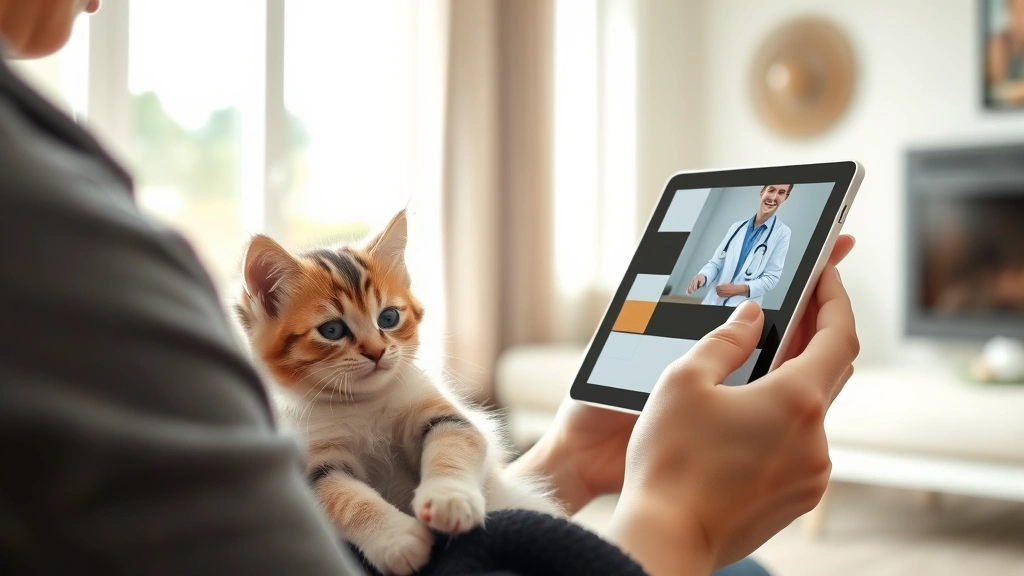
A virtual kitten vet appointment follows a straightforward process that puts your mind at ease. You’ll connect with a licensed veterinarian via video call, phone, or chat—whichever works best for you.
During the consultation, the vet will ask detailed questions about your kitten’s symptoms. Be ready to describe when the fast breathing started, whether it happens during activity or at rest, and if you’ve noticed any other changes in behavior, appetite, or energy levels. Having this information ready helps the vet assess the situation more effectively.
The veterinarian may ask you to observe your kitten’s breathing pattern and describe what you’re seeing. Some telehealth platforms allow you to share photos or short videos, which can provide valuable context. This visual information helps the vet determine urgency and recommend next steps.
When to Choose Telehealth vs. Emergency Care
Telehealth is excellent for non-emergency concerns, but certain situations require immediate in-person emergency care. If your kitten is gasping for air, has blue-tinged gums or tongue, is unconscious, or shows severe distress, skip telehealth and head to an emergency veterinary clinic right away.
For moderate concerns—like noticeable but not severe rapid breathing—telehealth gives you immediate access to professional guidance. If you are unsure whether your pet needs urgent care, a quick telehealth check-in can give you peace of mind — no appointment needed. The vet can then advise whether your kitten needs an in-person exam or if monitoring at home is appropriate.
Catching potential issues early puts you in a great position to help your kitten feel better faster.
Common Causes of Fast Breathing in Kittens
Understanding potential causes helps you provide better information to your online vet. Here are common reasons why kittens breathe faster:
- Respiratory infections: Viral or bacterial infections can cause rapid, shallow breathing.
- Fever: Elevated body temperature increases breathing rate as the body tries to cool itself.
- Heart conditions: Congenital or acquired heart issues may present with labored breathing.
- Asthma or allergies: Feline asthma can cause wheezing and rapid breathing.
- Pain or discomfort: Kittens in pain often breathe more rapidly.
- Anemia: Low red blood cell counts make the heart work harder, increasing breathing rate.
- Stress or anxiety: Environmental changes or fear can temporarily speed up breathing.
Your vet will help narrow down which cause applies to your kitten based on the full clinical picture.
What to Observe Before Your Online Consultation
Gathering specific observations makes your telehealth appointment more productive. Spend a few minutes watching your kitten when they’re calm and at rest, then count their breaths for one minute. This gives you a concrete number to share with the veterinarian.
Also note these details:
- Is the breathing fast at rest, during activity, or both?
- Does your kitten seem uncomfortable, anxious, or in pain?
- Are there any other symptoms—sneezing, coughing, discharge from nose or eyes, lethargy, or decreased appetite?
- Has anything changed in your kitten’s environment recently?
- When did you first notice the fast breathing?
Having these details ready helps your online vet provide more accurate guidance and recommendations.
The Advantages of Talking to a Vet Online About Your Kitten
Telehealth offers unique benefits for worried kitten parents. You get immediate access to veterinary expertise without scheduling delays or travel stress. For your kitten, avoiding a stressful car ride and unfamiliar clinic environment can actually help you get more accurate observations of their normal breathing patterns.
Online consultations are also more affordable than traditional vet visits, making it easier to seek professional guidance when you’re unsure. Plus, you can consult from home where your kitten feels safe and comfortable, which helps them stay calm during the assessment.
Another advantage is convenience—many telehealth services offer same-day or next-day appointments, and some are available evenings and weekends. This means you don’t have to wait days to get answers about your kitten’s breathing.
What Happens After Your Telehealth Consultation
After discussing your kitten’s symptoms, the veterinarian will provide clear recommendations. They might suggest monitoring your kitten at home, recommend specific supportive care, or advise scheduling an in-person examination for a physical exam and diagnostics.
If your kitten needs blood work, X-rays, or other testing, the vet will explain why and help you find a nearby clinic for those services. Many vets coordinate with local facilities to streamline the process.
You’ll typically receive a summary of the consultation via email, including observations, recommendations, and any follow-up instructions. This documentation is helpful for tracking your kitten’s health over time.
Related Kitten Health Concerns to Monitor
Fast breathing sometimes accompanies other symptoms that deserve attention. If your kitten is also experiencing lethargy, vomiting, or skin issues, these could indicate a broader health concern. Our guides on cat lethargy, cat vomiting, and kitten skin rashes provide additional information about these interconnected symptoms.
Respiratory infections in young pets, while sometimes discussed in the context of dogs, share similar principles with feline respiratory issues. Understanding respiratory infections in young pets can give you broader context about breathing concerns across species.

Creating a Calm Environment While You Wait for Guidance
While you’re arranging your online vet consultation, keep your kitten in a calm, quiet space. Stress can worsen respiratory symptoms, so minimize loud noises, sudden movements, and environmental changes.
Ensure your kitten has access to fresh water and their favorite comfortable spots. Monitor their breathing regularly but try not to hover—kittens sense anxiety and may become stressed themselves.
Keep the room at a comfortable temperature. Overheating can increase breathing rate, so make sure your kitten isn’t too warm.
When to Seek Emergency Care Immediately
Don’t wait for a telehealth appointment if your kitten shows these signs:
- Gasping or struggling to breathe
- Blue or pale gums
- Unconsciousness or extreme lethargy
- Choking or inability to swallow
- Open-mouth breathing at rest
- Wheezing or severe coughing
- Collapse or inability to stand
In these cases, head directly to an emergency veterinary clinic. Every minute matters with severe respiratory distress.
Frequently Asked Questions
Is it normal for kittens to breathe fast?
Yes, kittens naturally breathe faster than adult cats due to higher metabolism. However, if your kitten is breathing rapidly at rest or seems uncomfortable, it warrants veterinary evaluation.
Can a vet diagnose breathing problems through video?
A veterinarian can assess many breathing concerns through observation and discussion, but some conditions require physical examination or diagnostics like X-rays for definitive diagnosis.
How much does an online vet consultation cost?
Telehealth consultations typically cost less than traditional vet visits, usually ranging from $25 to $75 depending on the service and complexity of the issue.
What should I do if the online vet recommends in-person care?
Follow their guidance and schedule an appointment with a local veterinary clinic as soon as possible. The online vet can often help coordinate or provide records to your in-person provider.
Can telehealth vets prescribe medication for my kitten?
Many telehealth veterinarians can prescribe medications, though some conditions or medications may require an in-person exam first. Your vet will explain any limitations.
What To Do Now
- Observe and document: Spend a few minutes watching your kitten’s breathing at rest and count breaths per minute. Note any other symptoms or changes in behavior.
- Schedule a telehealth appointment: Contact The Pet Vet or another trusted telehealth provider to book a virtual kitten vet appointment within the next 24 hours.
- Prepare your information: Gather details about when the fast breathing started, your kitten’s medical history, current diet, and any environmental changes.
- Create a calm space: Keep your kitten in a quiet, comfortable environment while you await professional guidance.
- Know the emergency signs: Familiarize yourself with severe respiratory distress symptoms so you can seek emergency care immediately if needed.
Summary: Your Kitten’s Breathing Matters
Fast breathing in kittens deserves attention, and yes, you can absolutely talk to a vet about it online. Telehealth provides convenient, affordable access to professional veterinary guidance without the stress of traveling to a clinic.
By observing your kitten’s symptoms, reaching out to a licensed veterinarian, and following their recommendations, you’re taking the right steps to support your kitten’s health. Most breathing concerns in kittens respond well to early intervention, so getting professional eyes on the situation quickly is genuinely helpful.
Whether your kitten’s fast breathing turns out to be nothing serious or requires treatment, having professional reassurance puts your mind at ease and keeps your kitten on the path to wellness.