
Yes, you can absolutely talk to a vet about kitten coughing online, and doing so might be exactly what you need right now to get answers and peace of mind. If your kitten has been coughing, you’re probably worried—and that’s completely understandable. A persistent cough in a young cat can feel alarming, especially when you’re not sure what’s causing it or whether it’s serious.
Table of Contents
- Why Your Kitten Might Be Coughing
- When Should You Seek Online Veterinary Help?
- How Online Vet Consultations Work for Coughing Kittens
- What to Expect During a Telehealth Consultation
- Benefits of Talking to a Vet Online About Your Kitten’s Symptoms
- Common Kitten Respiratory Issues Explained
- How to Prepare for Your Online Vet Appointment
- What Happens If Your Kitten Needs In-Person Care
- Supporting Your Kitten’s Health at Home
- Why Choose The Pet Vet for Online Kitten Care
- Frequently Asked Questions
- What To Do Now
- Summary: Getting Help for Your Kitten’s Cough
This article is for informational purposes only and is not a substitute for professional veterinary advice. Always consult a licensed veterinarian for diagnosis and treatment.
The good news? Modern telehealth veterinary services make it easier than ever to connect with a licensed vet from home, describe what you’re seeing, and get professional guidance without the stress of a clinic visit. Whether your kitten’s cough started suddenly or has been lingering, an online vet can help you figure out next steps.
Why Your Kitten Might Be Coughing
Kittens cough for many different reasons, and not all of them are serious. Understanding what might be going on is the first step toward helping your little one feel better.
Common causes include upper respiratory infections, which are especially frequent in young cats. These viral or bacterial infections can cause coughing, sneezing, and nasal discharge. Kittens in shelters or multi-cat homes are more prone to picking up these infections.
Hairballs are another typical culprit. As kittens groom themselves, they swallow loose fur, and sometimes that fur irritates their throat and triggers a cough. Catching this early puts you in a great position to help by introducing grooming routines and appropriate dietary support.
Asthma, allergies, and even foreign objects stuck in the throat are less common but possible. Some kittens may be experiencing kitten respiratory issues without obvious symptoms beyond the cough.
When Should You Seek Online Veterinary Help?
Not every cough requires an emergency trip to the clinic, but knowing when to reach out is important. If your kitten is coughing occasionally but eating, playing, and acting normally, an online vet consultation is a smart, low-pressure way to get professional eyes on the situation.
However, if your kitten shows difficulty breathing, wheezing, loss of appetite, lethargy, or coughing up blood, those are signs that warrant more urgent attention. A quick telehealth check-in can help you determine whether an in-person emergency visit is necessary.
The beauty of online vets is that you can describe symptoms in real time, share video if needed, and get immediate guidance without waiting for an appointment or traveling with a stressed kitten.
How Online Vet Consultations Work for Coughing Kittens
Talking to a vet about kitten coughing online is straightforward and usually happens in minutes. Most telehealth platforms let you schedule a video call, phone call, or even start a chat with a licensed veterinarian.
During the consultation, the vet will ask detailed questions about your kitten’s cough: How long has it been happening? Is it dry or wet-sounding? When does it happen most—during play, at night, or randomly? Does your kitten have other symptoms like sneezing, discharge, or fever?
Having this information ready before your call makes the conversation more efficient. If possible, a short video of your kitten coughing can be incredibly helpful for the vet to assess.
The vet may recommend at-home observation, suggest over-the-counter supportive care, or advise an in-person exam if they suspect something that requires hands-on assessment or testing.
What to Expect During a Telehealth Consultation
When you connect with an online vet, they’ll take your concern seriously and walk you through their assessment process. Most consultations last 15–30 minutes, depending on complexity.
The vet will likely ask about your kitten’s age, vaccination history, living situation, and any recent changes in environment or diet. They’ll want to know if other pets in your home are sick, since many kitten respiratory illnesses are contagious.
Based on what you describe, the vet might recommend:
- Monitoring at home with supportive care (humidity, hydration, rest)
- A follow-up in-person exam if diagnostic testing is needed
- Specific dietary adjustments or supplements
- A referral to a specialist if something unusual is suspected
If you’re unsure whether your pet needs urgent care, a quick telehealth check-in can give you peace of mind—no appointment needed.
Benefits of Talking to a Vet Online About Your Kitten’s Symptoms
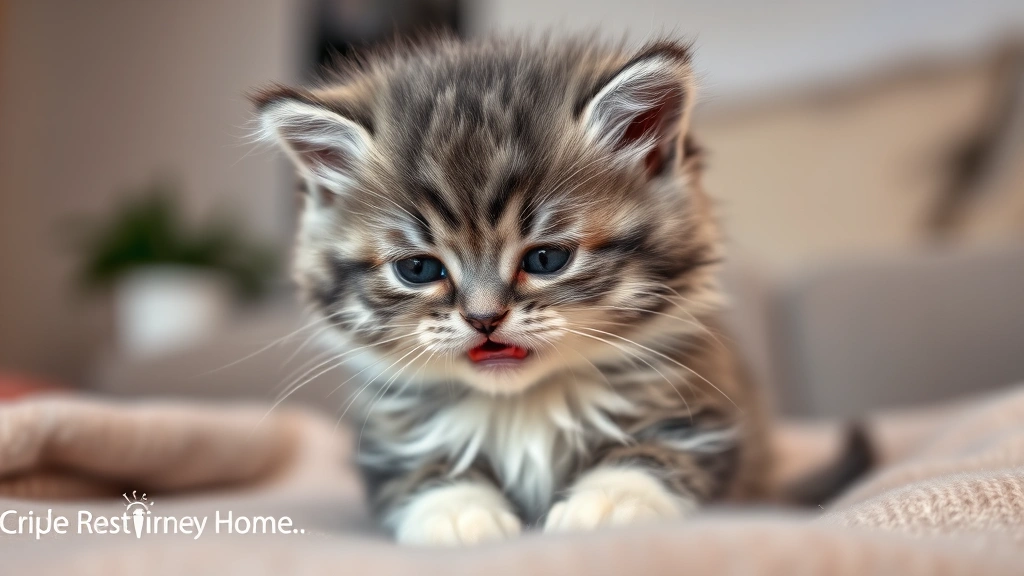
Online veterinary care offers real advantages, especially for worried pet owners. You avoid the stress of transporting a coughing kitten to a clinic, which can sometimes worsen symptoms temporarily.
Telehealth is also faster. Instead of waiting days for an appointment, you can often connect with a vet within hours. This speed is reassuring when you’re anxious about your kitten’s health.
Cost is often lower for a simple consultation compared to an in-person visit. You’re paying for professional advice without facility overhead, which means more affordable access to expert guidance.
Additionally, you have a record of the conversation and any recommendations, making it easier to follow through or share information with a local vet if needed.
Common Kitten Respiratory Issues Explained
Understanding what might be happening helps you describe symptoms more accurately to your online vet. Here are the most frequent culprits:
Upper Respiratory Infections (URIs): These are viral or bacterial infections affecting the nose, throat, and sinuses. Symptoms include coughing, sneezing, nasal discharge, and sometimes fever. Most URIs resolve on their own with supportive care.
Feline Asthma: Some kittens develop asthma, which causes coughing, wheezing, and breathing difficulty. This condition requires ongoing management and is best diagnosed with in-person testing.
Hairballs: The classic cough-gag-hack pattern is usually a hairball. It’s annoying but typically harmless, though prevention is key.
Allergies: Environmental or food allergies can trigger coughing in sensitive kittens. These require investigation to identify and manage triggers.
How to Prepare for Your Online Vet Appointment
A little preparation makes your telehealth consultation more productive. Gather information before you log in.
Write down when the coughing started, how often it happens, and what it sounds like (dry, wet, hacking). Note any other symptoms—sneezing, discharge, fever, appetite changes, or behavior changes.
Have your kitten’s medical history handy, including vaccination records and any previous health issues. If your kitten is on any supplements or medications, have that list ready.
Find a quiet space where you can talk comfortably and, if needed, show your kitten on video. Good lighting helps the vet see your kitten clearly.
What Happens If Your Kitten Needs In-Person Care
Sometimes an online vet will recommend an in-person exam. This doesn’t mean the telehealth visit was wasted—it means the vet identified that your kitten needs hands-on assessment or testing.
Your online vet can provide a summary of the consultation to share with your local veterinarian, which speeds up the in-person visit. The vet may recommend specific tests like X-rays or bloodwork to rule out serious conditions.
Think of telehealth as a helpful first step that either resolves your concern or points you toward the right next move. Either way, you’re getting professional guidance and reducing unnecessary worry.
Supporting Your Kitten’s Health at Home
While you’re waiting for or following up on your online vet consultation, there are supportive steps you can take at home to help your kitten feel more comfortable.
Keep your kitten in a humid environment—a bathroom with a running shower or a humidifier can ease coughing. Make sure fresh water is always available, as hydration helps with respiratory health.
Minimize stress and encourage rest. A calm environment supports recovery from respiratory issues.
Avoid smoke, strong perfumes, and other irritants that might trigger coughing. Keep your kitten’s living space clean and free of dust.
If your kitten is prone to hairballs, gentle brushing can reduce loose fur ingestion. Regular grooming is a simple preventive measure.
Why Choose The Pet Vet for Online Kitten Care
At The Pet Vet, we understand that your kitten’s health matters deeply. Our mission is to enhance pet well-being by providing convenient access to high-quality veterinary care through modern technology.
When you talk to a vet about kitten coughing online through our platform, you’re connecting with licensed veterinarians who take your concerns seriously. We make it easy to describe what you’re seeing, ask questions, and get professional guidance without the hassle of clinic visits.
Our telehealth approach is designed for worried pet owners like you—people who want answers fast and want to help their kittens feel better.
Frequently Asked Questions
Can an online vet diagnose why my kitten is coughing?
An online vet can gather information and make an educated assessment based on your description and any video you share. However, some conditions require in-person examination or testing for a definitive diagnosis.
Is it safe to use telehealth for a coughing kitten?
Yes, telehealth is safe for initial assessment and guidance. If the vet suspects something serious, they’ll recommend an in-person visit for proper evaluation.
How quickly can I get an online vet appointment for my kitten?
Most telehealth platforms offer appointments within hours, sometimes even minutes. It’s much faster than traditional veterinary clinics.
What if my kitten’s cough gets worse after an online consultation?
Contact your online vet or seek emergency care immediately if your kitten shows difficulty breathing, extreme lethargy, or other warning signs. Don’t wait.
Can telehealth vets prescribe medication for kitten coughing?
Yes, licensed online vets can prescribe medications in many cases, though some conditions may require in-person evaluation first. Prescriptions are sent to your pharmacy.
What To Do Now
- Document your kitten’s symptoms: Write down when the coughing started, how often it happens, and what it sounds like. Note any other signs like sneezing, discharge, or appetite changes.
- Gather your kitten’s medical records: Have vaccination history and any previous health information ready for your online vet consultation.
- Schedule a telehealth appointment: Contact The Pet Vet or another trusted online veterinary service to book a consultation. Most appointments are available within hours.
- Prepare your space: Find a quiet area with good lighting where you can talk comfortably and show your kitten if needed during the video call.
- Follow your vet’s recommendations: Whether it’s supportive home care or an in-person follow-up, implement the guidance you receive to help your kitten recover.
Summary: Getting Help for Your Kitten’s Cough
Yes, you can talk to a vet about kitten coughing online—and it’s one of the smartest moves you can make when you’re worried about your little one. Telehealth veterinary services offer fast, convenient, professional guidance without the stress of a clinic visit.
Whether your kitten’s cough is caused by a common upper respiratory infection, hairballs, allergies, or something else, an online vet can help you understand what’s happening and what to do next. If in-person care is needed, your telehealth consultation will point you in the right direction.
Don’t let uncertainty keep you up at night. Reach out to a licensed online vet today, describe what you’re seeing, and get the professional reassurance and guidance you need. Your kitten is lucky to have someone who cares enough to seek help.
For similar concerns about other pets, you might also find helpful information in our guides on puppy diarrhea and puppy ear infections online. Additionally, understanding respiratory infection causes can help you recognize symptoms early in any pet.