
Yes, you can absolutely talk to a vet about kitten ear infection online, and it’s often the fastest way to get your little one relief when you’re worried about scratching, head shaking, or that telltale odor coming from those adorable ears.
Table of Contents
- What Does a Kitten Ear Infection Look Like?
- Why Online Vet Consultations Work Well for Ear Infections
- Signs Your Kitten Needs Urgent In-Person Care
- How to Prepare for Your Online Vet Appointment
- What to Expect During the Telehealth Consultation
- Understanding Kitten Ear Infection Causes
- Treatment Options Your Vet Might Recommend
- How The Pet Vet Makes Online Consultations Easy
- When to Follow Up With In-Person Care
- Preventing Future Ear Infections in Your Kitten
- Frequently Asked Questions
- What To Do Now
- Wrapping Up: Kitten Ear Infections Don’t Have to Be Stressful
This article is for informational purposes only and is not a substitute for professional veterinary advice. Always consult a licensed veterinarian for diagnosis and treatment.
If your kitten has been pawing at their ears more than usual or you’ve noticed redness and discharge, you’re probably feeling that mix of concern and urgency that comes with a sick pet. The good news? You don’t have to wait days for an in-person appointment or stress about making a vet clinic visit work with your schedule. Telehealth veterinary services like The Pet Vet make it possible to connect with a licensed veterinarian from your couch—sometimes within minutes.
Let’s walk through what kitten ear infections look like, how online vet consultations work for this specific issue, and exactly what steps to take right now.
What Does a Kitten Ear Infection Look Like?
Ear infections in kittens can develop quickly, and early recognition makes a huge difference in treatment outcomes. Your kitten may be experiencing an ear infection if you notice persistent scratching, head tilting, or sensitivity when you gently touch their ears.
Common signs include:
- Excessive scratching or pawing at the ears
- Head shaking or tilting to one side
- Redness or swelling inside the ear flap
- Dark, waxy, or foul-smelling discharge
- Crusting or scabbing around the ear
- Behavioral changes like irritability or hiding
Catching this early puts you in a great position to help your kitten feel better quickly. Most ear infections respond well to treatment when addressed promptly.
Why Online Vet Consultations Work Well for Ear Infections
You might wonder: can a vet actually diagnose an ear infection through a screen? The answer is more nuanced than yes or no, and understanding this helps you know what to expect.
During a video consultation, a veterinarian can:
- Ask detailed questions about your kitten’s symptoms and behavior
- Observe your kitten’s ears and overall demeanor on camera
- Review photos or videos you send of the affected ear
- Rule out other common causes of ear scratching
- Recommend next steps, which might include in-person examination or starting treatment
For many cases, this initial assessment is enough to point you in the right direction. If your vet suspects a more complex issue or needs to look deep inside the ear canal with specialized equipment, they’ll recommend an in-person visit—but at least you’ll know that’s necessary before you make the trip.
Signs Your Kitten Needs Urgent In-Person Care
While telehealth is incredibly convenient, some situations require immediate hands-on evaluation. If you notice any of these red flags, prioritize an in-person vet visit or emergency clinic:
- Severe swelling that’s closing the ear canal
- Bleeding or pus discharge
- Signs of pain when you touch the ear (hissing, pulling away)
- Balance problems or loss of coordination
- Fever or lethargy alongside ear symptoms
- Discharge from both ears plus other symptoms
Your vet can guide you on whether your kitten’s situation qualifies as urgent during your telehealth consultation. Don’t hesitate to ask directly—that’s what they’re there for.
How to Prepare for Your Online Vet Appointment
Getting the most out of your telehealth visit means showing up prepared. A few minutes of setup now means clearer answers and better advice for your kitten.
Before your appointment, gather:
- Clear photos or short videos of your kitten’s ear, showing any visible redness, discharge, or swelling
- Your kitten’s medical history—previous ear issues, allergies, or treatments
- A timeline of symptoms—when did you first notice scratching, and has it gotten worse?
- Your kitten’s current diet and environment—indoor only, outdoor access, recent changes
- A list of any current medications or supplements
Having your kitten nearby during the appointment helps too. Your vet may want to see them move around, observe their ear position, or watch how they react to gentle touch.
What to Expect During the Telehealth Consultation
The process is straightforward and designed to be low-stress for both you and your kitten. Here’s a typical flow:
First, the vet asks questions. They’ll want to know when symptoms started, whether one ear or both are affected, if your kitten has had ear issues before, and whether there have been any recent changes in behavior or environment.

Next, they observe your kitten. You’ll show them your kitten on camera, and they may ask you to gently manipulate the ear (if your kitten tolerates it) so they can see inside.
Then comes the assessment. Based on what they see and hear, the vet will discuss possible causes. Common culprits in kittens include ear mites, bacterial or yeast infections, or allergies.
Finally, they recommend treatment or next steps. This might include topical treatments you can apply at home, oral medications, dietary changes, or a referral for in-person diagnostics like ear cytology or culture.
Understanding Kitten Ear Infection Causes
Different causes point to different treatments, so your vet will work to narrow down what’s going on. Knowing the basics helps you ask better questions during your consultation.
Ear mites are incredibly common in kittens, especially those adopted from shelters or outdoor environments. These tiny parasites cause intense itching and dark, crumbly discharge that looks like coffee grounds.
Bacterial or yeast infections often develop when moisture, warmth, or debris create the perfect environment inside the ear. These may follow allergies or ear mite infestations.
Allergies—whether food-related or environmental—can trigger ear inflammation and secondary infections. Kittens with allergies often have itchy ears alongside other signs like skin irritation.
Foreign objects or trauma are less common but possible, especially in curious kittens. Your vet can help rule these out.
Treatment Options Your Vet Might Recommend
Once your vet has a sense of what’s causing the ear infection, they’ll suggest a treatment plan. Most kitten ear infections respond well to targeted care, especially when caught early.
Your vet may recommend topical ear treatments that you apply directly into the ear canal. They’ll show you exactly how to do this during your appointment or in follow-up instructions. Consistency matters—most treatments work best when applied as directed for the full course, even if your kitten feels better sooner.
Some infections benefit from oral medications or supplements that support healing from the inside. Your vet will explain why they’re recommending a particular approach for your kitten’s specific situation.
Environmental changes also play a role. Keeping your kitten’s ears clean and dry, addressing any underlying allergies, and treating other pets in the household (if they also have ear mites) prevents reinfection.
How The Pet Vet Makes Online Consultations Easy
The Pet Vet’s telehealth platform is built specifically for pet owners who need quick, reliable answers. No appointment needed—you can connect with a licensed veterinarian on your schedule, whether that’s 8 a.m. or 8 p.m.
The process takes just a few minutes. You describe what’s happening with your kitten, share photos or video, and get personalized guidance. If you’re unsure whether your pet needs urgent care, a quick telehealth check-in can give you peace of mind.
Many pet owners find that starting with a telehealth consultation saves them time and money. You get expert insight before committing to an in-person visit, and you know exactly what to expect when you do go in.
When to Follow Up With In-Person Care
Telehealth is a fantastic starting point, but some cases do need the full hands-on evaluation that only an in-person visit provides. Your vet will be clear about this during your consultation.
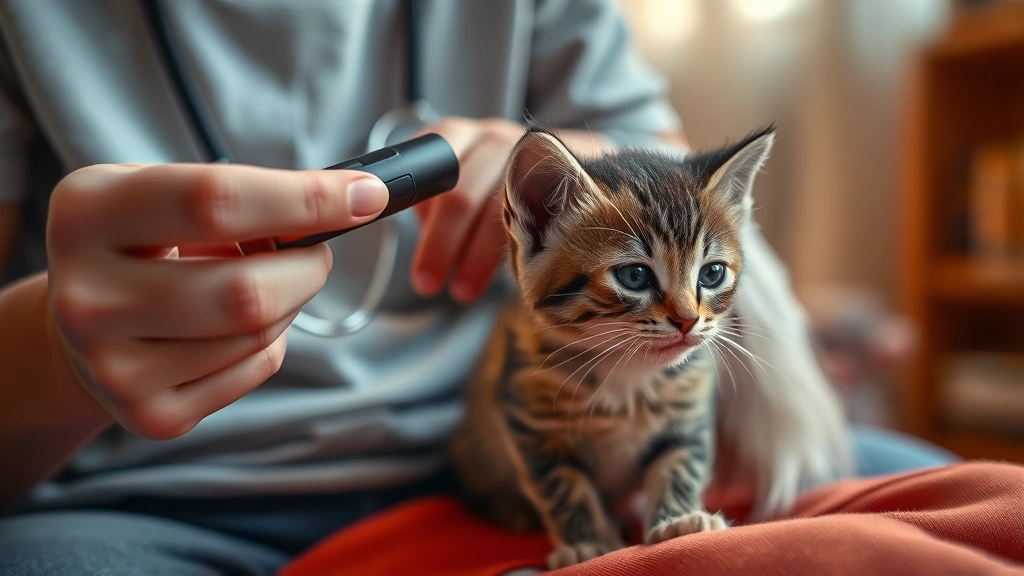
You might need an in-person appointment if:
- Your kitten’s symptoms don’t improve after a few days of recommended treatment
- The vet needs to perform ear cytology (looking at cells under a microscope) to identify the exact cause
- Your kitten needs ear cleaning before topical medication can work effectively
- Symptoms suggest a more complex issue like a ruptured eardrum
Think of telehealth as your first line of defense—it gets you answers fast and often resolves the issue entirely. When in-person care is needed, you’ll already have a diagnosis and treatment plan started, which makes the visit more efficient.
Preventing Future Ear Infections in Your Kitten
Once your kitten’s current ear infection clears up, a few preventive habits can reduce the risk of it happening again.
Keep ears clean and dry by gently wiping the outer ear with a soft, damp cloth if needed. Avoid getting water deep inside the ear during baths. If your kitten swims or plays in water, dry their ears thoroughly afterward.
Monitor for early signs of scratching or head shaking, especially if your kitten has a history of ear issues. Catching problems early makes treatment faster and easier.
Address any underlying allergies with your vet. If food or environmental allergies are contributing to ear inflammation, treating the root cause prevents repeated infections.
Keep your kitten’s living space clean, especially bedding and areas where they spend lots of time. This reduces the likelihood of mites or bacteria colonizing their ears.
Frequently Asked Questions
Can a vet diagnose an ear infection through video?
A vet can often assess whether an ear infection is likely based on your description, photos, and what they observe on video. However, some diagnoses require in-person examination or lab work to confirm the exact cause.
How quickly can I get a telehealth appointment for my kitten?
With The Pet Vet, you can often connect with a licensed veterinarian within minutes—no appointment needed. Availability varies, but many consultations happen same-day.
Will my kitten need medication for an ear infection?
Most ear infections benefit from some form of treatment, which could be topical medication, oral medicine, or environmental changes. Your vet will recommend what’s best for your kitten’s specific situation.
Is it safe to clean my kitten’s ears at home?
Gentle cleaning of the outer ear is usually fine, but deep ear canal cleaning should be done by a vet. Ask your vet for specific guidance on home care during your consultation.
Can ear mites spread to other pets or humans?
Ear mites can spread between pets, especially cats and dogs living together. They rarely affect humans. If one pet has mites, your vet will recommend treating all animals in the household.
What To Do Now
- Take clear photos or a short video of your kitten’s ear showing any visible redness, discharge, or swelling. Good lighting helps the vet see details.
- Write down when symptoms started and what you’ve noticed—scratching frequency, head shaking, any discharge, and whether your kitten seems uncomfortable.
- Schedule a telehealth consultation with The Pet Vet or your preferred online veterinary service. Have your kitten nearby so the vet can observe them during the call.
- Ask your vet specifically about treatment options and what you can do at home while waiting for improvement. Clarify how often to apply any recommended treatments.
- Plan a follow-up—whether that’s a check-in call in a few days or an in-person appointment if the vet recommends it. This ensures your kitten’s infection is actually resolving.
Wrapping Up: Kitten Ear Infections Don’t Have to Be Stressful
Your kitten’s ear infection is treatable, and you have options that fit your schedule and comfort level. Yes, you can talk to a vet about kitten ear infection online, and doing so often gives you answers and peace of mind within minutes.
Start with a telehealth consultation to understand what’s happening. Share clear photos, describe your kitten’s symptoms, and listen to your vet’s recommendations. Most kitten ear infections respond beautifully to prompt, targeted treatment—especially when you catch them early like you have.
Your kitten will be back to their playful self soon. Take that first step today by connecting with a vet who can help.
For more information on common cat health concerns, explore resources from PetMD and the American Veterinary Medical Association. If you have questions about other pet health issues, The Pet Vet also covers topics like dog diarrhea online consultations and rapid breathing in dogs.