
Yes, you can absolutely talk to a vet about kitten itching online, and doing so might be one of the smartest moves you make for your furry friend’s comfort. If your kitten has been scratching more than usual, you’re probably worried—and rightfully so. The good news? A licensed veterinarian can assess your kitten’s itching through a video consultation, discuss what might be causing it, and guide you toward relief, all from the comfort of your home.
Table of Contents
- Why Your Kitten Might Be Itching More Than Usual
- How Online Vet Consultations Work for Kitten Skin Issues
- Benefits of Discussing Kitten Itching With an Online Vet
- Common Causes of Itching in Kittens: What Your Online Vet Will Assess
- What to Prepare Before Your Online Vet Appointment
- Questions to Ask Your Online Vet About Kitten Itching
- Treatment Options Your Online Vet Might Recommend
- When to Seek In-Person Veterinary Care Instead
- How to Get Started With an Online Vet Consultation
- Related Concerns: Kitten Skin Rash and Ear Infections
- Comparing Kitten Itching to Dog Itching: Key Differences
- Frequently Asked Questions
- What to Do Now: Your Action Plan
- Summary: Online Vets Make Kitten Itching Management Easy
This article is for informational purposes only and is not a substitute for professional veterinary advice. Always consult a licensed veterinarian for diagnosis and treatment.
Why Your Kitten Might Be Itching More Than Usual
Kitten itching can stem from several causes, and pinpointing the right one is essential for effective treatment. Fleas are one of the most common culprits, even if you haven’t seen any bugs on your kitten’s fur. Allergies—whether food-related or environmental—are another frequent reason kittens scratch excessively.
Skin infections, ear mites, and dry skin can also trigger that constant scratching behavior. Sometimes stress or anxiety plays a role too. The challenge is that many of these conditions require professional evaluation to determine the root cause.
Catching this early puts you in a great position to help your kitten feel better quickly.
How Online Vet Consultations Work for Kitten Skin Issues
Online veterinary consultations have become incredibly accessible and effective for evaluating skin and itching concerns. When you schedule a telehealth appointment, a licensed vet will ask detailed questions about your kitten’s symptoms, medical history, and environment.
During the video call, the vet will ask you to show your kitten’s affected areas—whether that’s the ears, paws, or body. They’ll look for visible signs like redness, hair loss, or scabs. Based on what they observe and what you describe, they can often provide a preliminary assessment and recommend next steps.
Many online vets can prescribe medications or suggest over-the-counter remedies right through the platform. If they suspect something that requires in-person examination or lab work, they’ll let you know and guide you to a local clinic.
Benefits of Discussing Kitten Itching With an Online Vet
Convenience is the obvious benefit—no car rides, no waiting rooms, no stress for your kitten. You can schedule a consultation at times that work for your schedule, often with same-day or next-day availability.
Cost is another advantage. Telehealth appointments are typically more affordable than traditional vet visits. You’ll get professional medical guidance without the overhead expenses of a brick-and-mortar clinic.
Here are additional reasons pet owners love online vet consultations:
- Quick peace of mind for worried pet parents
- No need to handle a stressed kitten during car travel
- Written summaries and treatment plans you can reference later
- Access to vets even if local clinics are fully booked
- Ideal for follow-up questions after initial diagnosis
Common Causes of Itching in Kittens: What Your Online Vet Will Assess
Understanding potential causes helps you describe symptoms more accurately to your online vet. Fleas and parasites are the leading cause of itching in kittens. Even indoor kittens can get fleas from other animals or contaminated environments.
Allergies are increasingly common in young cats. Food allergies might cause itching around the face and ears, while environmental allergies (pollen, dust mites) can trigger full-body scratching.
Ear mites cause intense itching in and around the ears and are highly contagious between cats. Your kitten may shake their head frequently or have dark discharge in their ears.
Fungal infections like ringworm create circular patches of hair loss and itching. These can spread to other pets and humans, so early identification is important.
Dry skin is especially common in kittens living in dry indoor environments. It often improves with environmental adjustments and proper nutrition.
What to Prepare Before Your Online Vet Appointment
Being organized before your consultation makes the most of your time with the vet. Gather information about when the itching started, whether it’s constant or intermittent, and if you’ve noticed any patterns (worse at certain times of day or in certain areas).
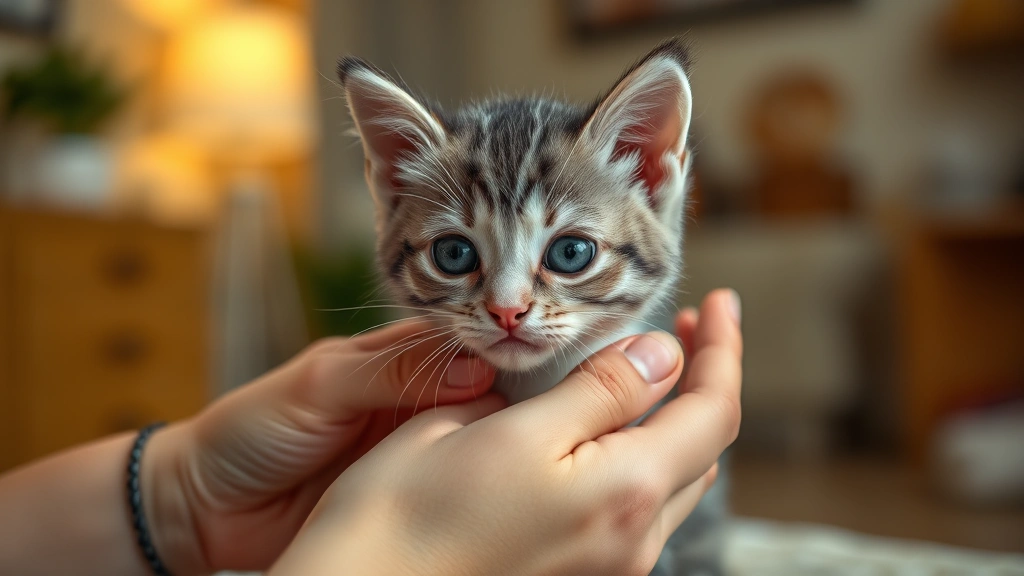
Note any other symptoms—hair loss, scabs, discharge, or behavioral changes. Have your kitten’s medical records handy, including vaccination history and any previous health issues.
Here’s a checklist to prepare:
- Write down when itching began and how it’s progressed
- Note any recent changes in food, litter, or environment
- List all current medications or supplements
- Have your kitten’s vaccination and medical history ready
- Ensure good lighting for the video call so the vet can see clearly
- Have your kitten nearby and calm before the appointment starts
Questions to Ask Your Online Vet About Kitten Itching
Don’t hesitate to ask thorough questions during your consultation. You’re your kitten’s best advocate, and a good vet will welcome your inquiries.
Ask what’s causing the itching, what treatment options are available, and which approach they recommend for your kitten’s specific situation. Inquire about timeline—how long before you should see improvement—and what signs would indicate your kitten needs in-person care.
Ask about prevention going forward. For example, if fleas are the culprit, your vet can recommend preventative treatments. If it’s allergies, they might suggest dietary changes or environmental modifications.
Treatment Options Your Online Vet Might Recommend
Treatment depends entirely on the underlying cause. For fleas, your vet may recommend topical or oral preventative medications that are safe for kittens.
For allergies, dietary trials or environmental changes might be suggested. Some kittens benefit from omega-3 supplements to support skin health.
If a fungal or bacterial infection is suspected, antifungal or antibiotic treatments may be prescribed. For ear mites, specialized ear treatments are typically recommended.
Your online vet will explain each option, discuss potential side effects, and help you choose what’s best for your kitten’s age and health status. If you are unsure whether your pet needs urgent care, a quick telehealth check-in can give you peace of mind — no appointment needed.
When to Seek In-Person Veterinary Care Instead
While telehealth is excellent for initial assessment and many cases, some situations require hands-on examination. If your kitten has severe hair loss, open sores, or signs of infection, in-person care is important.
If your kitten shows signs of systemic illness—fever, lethargy, vomiting, or diarrhea alongside itching—they need a physical exam. Similarly, if your kitten is very young (under 8 weeks), an in-person visit may be necessary for safe treatment.
Your online vet will be honest about whether they recommend transitioning to in-person care. Trust their judgment on this—they have your kitten’s best interests in mind.
How to Get Started With an Online Vet Consultation
The process is straightforward and user-friendly. Visit The Pet Vet’s website and select the kitten itching consultation option. You’ll provide basic information about your kitten and describe the issue.
Choose your preferred appointment time—many platforms offer same-day slots. Download the app or prepare for a video call through your browser. Have your payment method ready; most telehealth services accept major credit cards and insurance plans.
On appointment day, find a quiet space with good lighting and a calm kitten nearby. Log in a few minutes early to test your video and audio. Then simply chat with the vet as you would in a clinic room—except you’re in your pajamas at home.
Related Concerns: Kitten Skin Rash and Ear Infections
Itching often accompanies other skin concerns. If your kitten has a visible rash alongside scratching, an online vet for kitten skin rash can help diagnose whether it’s related to the same underlying issue.
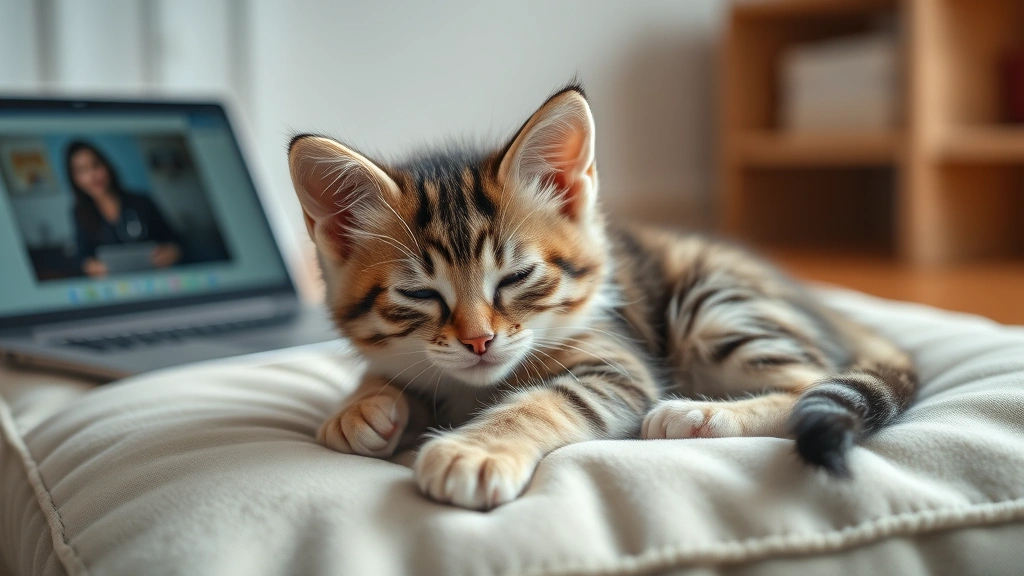
Ear problems are also common in kittens. If you notice your kitten scratching their ears excessively, head shaking, or discharge, online vet for kitten ear infection consultations can quickly identify whether mites or infection are involved.
If itching is part of a broader behavior concern, discussing kitten behavior problems online with a vet can help rule out stress-related scratching or licking.
Comparing Kitten Itching to Dog Itching: Key Differences
While many causes overlap, kittens and puppies sometimes experience itching differently. Cats are more prone to food allergies and stress-related over-grooming, while dogs more frequently suffer from environmental allergies.
Treatment approaches also differ slightly between species. If you have both cats and dogs at home, discussing dog itching online can help ensure each pet gets species-appropriate care.
Frequently Asked Questions
Can an online vet prescribe medication for kitten itching?
Yes, licensed online vets can prescribe medications in most states. They’ll determine if your kitten needs treatment and send prescriptions to your pharmacy or have them shipped directly to you.
How quickly will my kitten feel better after treatment starts?
Timeline varies by cause. Flea treatments may show improvement within days, while allergies might take weeks of dietary changes to resolve. Your vet will give you realistic expectations during your consultation.
Is it safe to use online vet services for a very young kitten?
Kittens under 8 weeks may need in-person exams for certain conditions. Your online vet will assess your kitten’s age and situation and recommend in-person care if necessary for safety.
What if the online vet’s treatment doesn’t work?
Follow-up consultations are easy to schedule. If symptoms persist, your vet can reassess, try different approaches, or recommend in-person diagnostics like skin scrapings or cultures.
Can online vets diagnose ringworm or other fungal infections?
Online vets can suspect fungal infections based on appearance and history, but definitive diagnosis often requires lab testing. They’ll guide you on whether in-person testing is needed.
What to Do Now: Your Action Plan
Stop worrying and start helping your kitten feel better. Here’s exactly what to do next:
- Schedule an online vet consultation today. Visit The Pet Vet’s website and book an appointment for kitten itching. Most consultations happen within 24 hours.
- Gather your kitten’s information. Compile medical history, note when itching started, and describe any patterns you’ve observed.
- Prepare your space and kitten. Find good lighting, ensure your kitten is calm and nearby, and test your technology before the appointment.
- Ask detailed questions during the call. Don’t hold back—ask about causes, treatments, prevention, and when to expect improvement.
- Follow through with recommendations. Whether it’s applying treatments, making dietary changes, or scheduling follow-ups, consistency is key to resolving the issue.
Summary: Online Vets Make Kitten Itching Management Easy
Your kitten’s itching doesn’t have to remain a mystery or a source of stress. Talking to a vet about kitten itching online gives you professional guidance, convenience, and often faster relief than traditional appointments.
Online veterinarians can assess causes, recommend treatments, and provide peace of mind—all through a simple video call. Whether it’s fleas, allergies, ear mites, or dry skin, you’ll get answers and a clear action plan.
The best part? You can start today. Schedule your consultation now and take the first step toward a happier, more comfortable kitten. Your furry friend is counting on you, and help is just a click away. For more information, you can also ask a kitten vet online about any other concerns while you’re at it.
Your kitten will thank you—probably by purring instead of scratching.