
Yes, you can absolutely talk to a vet about kitten licking paws online, and it’s one of the quickest ways to get answers when you notice your little one obsessively grooming their feet. If you’ve caught your kitten licking or chewing at their paws more than usual, you’re probably wondering what’s going on—and whether it needs immediate attention or can wait for a regular appointment.
Table of Contents
- Why Kittens Lick Their Paws: Common Causes
- When to Reach Out to a Vet About Paw Licking
- How Online Vet Consultations Work for Paw Licking
- Questions Your Vet Will Likely Ask
- Benefits of Talking to a Vet Online About Kitten Paw Issues
- Related Conditions to Discuss With Your Vet
- What to Do at Home While Waiting for Your Vet Appointment
- Preparing for Your Online Vet Consultation
- Next Steps After Your Telehealth Consultation
- Key Takeaways: Getting Help for Your Kitten’s Paw Licking
- Frequently Asked Questions
- What to Do Now
This article is for informational purposes only and is not a substitute for professional veterinary advice. Always consult a licensed veterinarian for diagnosis and treatment.
The good news is that telehealth veterinary services make it easier than ever to get professional guidance without leaving your home. A vet can assess your kitten’s behavior through video, ask targeted questions about what you’re observing, and help you figure out next steps—whether that’s home care, an in-person exam, or urgent intervention.
Why Kittens Lick Their Paws: Common Causes
Paw licking in kittens can stem from several different sources, and understanding the root cause is the first step toward helping your kitten feel better. The behavior itself is normal grooming, but excessive licking often signals something worth investigating.
Allergies are one of the most common culprits. Just like humans, kittens can develop allergies to food, environmental factors, or even certain materials they walk on. When something irritates their skin, they naturally lick and chew to try to soothe the discomfort.
Parasites like fleas, mites, or lice can also trigger intense paw licking. Even if you don’t see visible fleas, a single flea bite can cause enough itching to drive a kitten crazy. Catching this early puts you in a great position to prevent a full infestation.
Skin infections—whether fungal or bacterial—are another possibility. Ringworm, for example, is contagious and spreads easily among kittens, so getting a diagnosis matters for your other pets too.
Sometimes the cause is simpler: a small cut, splinter, or irritation between the toes. Other times, stress or anxiety can lead to over-grooming as a self-soothing behavior.
When to Reach Out to a Vet About Paw Licking
Not every instance of paw licking requires emergency care, but certain signs suggest you should connect with a vet sooner rather than later. If your kitten is licking their paws constantly throughout the day, losing focus on play or eating, that’s worth a conversation with a professional.
Red flags that warrant faster attention include:
- Visible swelling, redness, or discharge from the paws
- Limping or reluctance to put weight on a paw
- Open sores or scabs that seem to be getting worse
- Foul odor coming from the paws
- Signs of infection like pus or heat radiating from the area
- Behavioral changes like increased aggression or withdrawal
If you notice any of these, a telehealth consultation can help you determine if your kitten needs an in-person exam or emergency care right away.
How Online Vet Consultations Work for Paw Licking
Telehealth veterinary services have made it incredibly convenient to get professional input on concerns like kitten paw licking. The process is straightforward and designed with busy pet owners in mind.
During an online consultation, your vet will ask detailed questions about when the licking started, how often it happens, whether you’ve noticed any other symptoms, and your kitten’s overall health history. They’ll want to know about diet changes, new environments, or recent introductions of other pets.
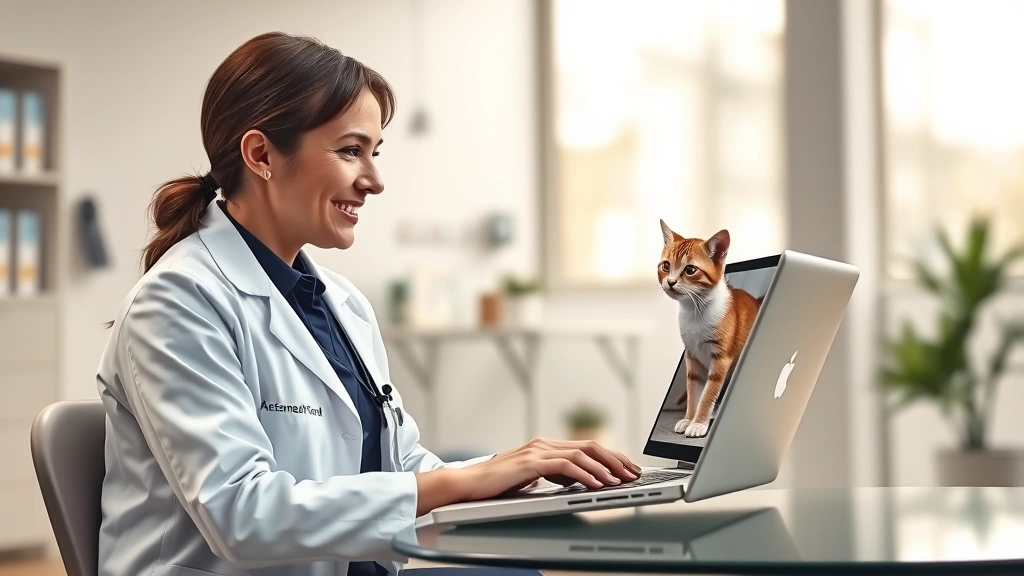
You’ll typically share photos or a short video showing the affected paws and the licking behavior. This visual information helps the vet assess the severity and appearance of any skin changes. Be ready to describe what the paws look like—color, texture, any visible irritation—in as much detail as you can.
The vet may recommend at-home care strategies, suggest you schedule an in-person exam for diagnostics like skin scrapings or fungal cultures, or advise you on when to seek emergency care. If you are unsure whether your pet needs urgent care, a quick telehealth check-in can give you peace of mind—no appointment needed.
Questions Your Vet Will Likely Ask
Being prepared with answers to common vet questions will make your online consultation more productive. Here’s what vets typically want to know when investigating paw licking:
- When did the licking start? Sudden onset versus gradual changes can point toward different causes.
- Is it one paw or all four? Localized licking suggests a specific injury or irritation, while all-over licking points more toward allergies or parasites.
- Have you noticed any other symptoms? Scratching elsewhere, hair loss, digestive issues, or behavioral changes matter.
- What does your kitten’s diet look like? Food allergies are common, and your vet may recommend a trial diet change.
- Are there other pets in the home? This helps rule in or out contagious conditions like ringworm.
- Have you recently changed litter, cleaning products, or flooring? Environmental irritants can trigger reactions.
- Is your kitten up to date on flea prevention? Even indoor kittens can get fleas, and prevention is crucial.
Having this information ready before your call will help your vet give you the most accurate guidance.
Benefits of Talking to a Vet Online About Kitten Paw Issues
Online veterinary consultations offer real advantages, especially for concerns like paw licking that don’t always require hands-on examination right away. Convenience is obvious—you don’t need to load your kitten into a carrier or rearrange your schedule.
Cost is another factor. Telehealth visits are typically less expensive than in-person appointments, making it easier to get professional advice without a big financial commitment. This can be especially helpful if you’re trying to rule out serious issues before investing in more extensive diagnostics.
Speed matters too. Many telehealth platforms offer same-day or next-day appointments, so you don’t have to wait weeks wondering what’s bothering your kitten. Getting answers quickly reduces your stress and your kitten’s discomfort.
You also have a documented record of the consultation, which is helpful if you later need to schedule an in-person exam or consult another vet. The notes from your telehealth visit provide continuity of care.
Related Conditions to Discuss With Your Vet
Paw licking often overlaps with other skin and behavioral issues. If your kitten is licking their paws, your vet may also want to discuss kitten itching online more broadly, since the underlying cause might affect multiple areas of the body.
Conditions like kitten skin rash often accompany paw licking, and cat skin infection treatment might be needed if a secondary bacterial or fungal infection develops. Some kittens also experience kitten limping if the paw irritation is severe enough to cause pain.
Your vet may also want to rule out digestive issues if your kitten seems uncomfortable, which is why discussing kitten diarrhea online could be relevant if other symptoms are present. All of these conditions can be addressed through telehealth consultation, and your vet will help prioritize what to investigate first.
What to Do at Home While Waiting for Your Vet Appointment
While you’re arranging your online vet consultation, there are gentle steps you can take to help your kitten feel more comfortable and prevent the situation from worsening.
Keep the paws clean. Gently wipe your kitten’s paws with a soft, damp cloth to remove any irritants. Avoid harsh soaps unless your vet recommends a specific medicated wash.
Check for obvious irritants. Look between the toes and on the paw pads for splinters, thorns, or debris. If you spot something, gently remove it if you can do so without causing pain.
Ensure flea prevention is current. If you haven’t given your kitten flea prevention recently, this is a good time to do so. Your vet can recommend the safest option for your kitten’s age and weight during your consultation.
Minimize stress. Provide a calm environment with plenty of enrichment. Over-grooming can sometimes be stress-related, so extra playtime and a safe space help.
Avoid home treatments without guidance. Skip the essential oils, human creams, or other remedies until your vet weighs in. Some common products can actually irritate kitten skin further.
Preparing for Your Online Vet Consultation
A little preparation makes your telehealth visit more productive. Start by gathering information about when the licking began, what you’ve observed, and your kitten’s medical history.
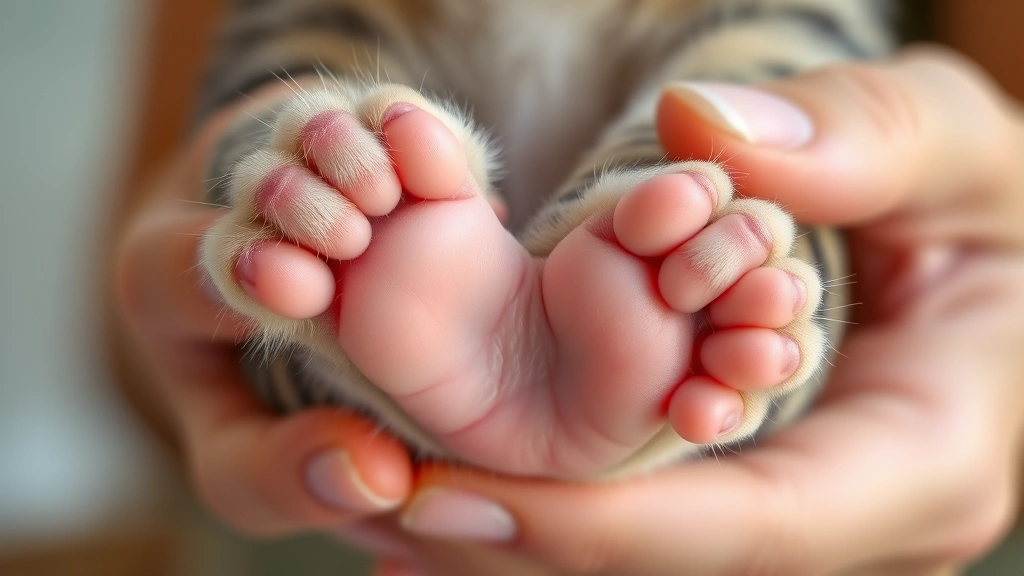
Take clear photos or a short video of your kitten’s paws, ideally showing the bottom of the feet and between the toes. Good lighting helps the vet see any redness, swelling, or discharge. If your kitten will tolerate it, a video of the actual licking behavior is even more helpful.
Write down any questions or concerns you want to address, plus details about your kitten’s diet, environment, and any recent changes. Have your kitten’s vaccination records and any previous medical information handy.
Choose a quiet location for your call where you can focus on the vet’s questions and show your kitten clearly on camera. Make sure your internet connection is stable so the call doesn’t drop.
Next Steps After Your Telehealth Consultation
After your online vet visit, you’ll have a clear action plan. Your vet might recommend home care only, suggest an in-person exam for diagnostics, or prescribe a treatment plan.
If diagnostics are needed, you may schedule an in-person appointment to collect samples for fungal or bacterial cultures, skin scrapings, or allergy testing. These tests help identify the exact cause so treatment can be targeted and effective.
Follow your vet’s guidance on any medications, dietary changes, or environmental adjustments. Keep notes on how your kitten responds—this information is valuable if you need a follow-up consultation.
If symptoms worsen or new concerns arise, don’t hesitate to reach out again. Telehealth makes it easy to get a quick second opinion or follow-up guidance without scheduling another formal appointment.
Key Takeaways: Getting Help for Your Kitten’s Paw Licking
Excessive paw licking in kittens warrants professional evaluation, and telehealth makes it easier than ever to get answers fast. Whether the cause is allergies, parasites, infection, or something simpler, a vet can help you identify the problem and create a solution.
Online consultations are convenient, affordable, and often available same-day or next-day. Come prepared with information, photos, and questions, and you’ll get the most value from your visit.
Your kitten’s comfort matters, and reaching out to a vet—whether online or in-person—shows you’re a caring, attentive pet owner. Trust your instincts: if something seems off, it’s worth getting professional eyes on it.
Frequently Asked Questions
Can a vet diagnose paw licking problems through video alone?
A vet can often identify the likely cause through video and questions, but some conditions require in-person diagnostics like skin scrapings or cultures for a definitive diagnosis.
Is kitten paw licking ever an emergency?
If your kitten shows severe swelling, discharge, inability to walk, or signs of infection, seek emergency care immediately rather than waiting for a scheduled telehealth appointment.
How much does an online vet consultation cost?
Telehealth consultations typically cost $50–$150, depending on the platform and vet, making them more affordable than traditional in-person visits.
What if the online vet thinks my kitten needs an in-person exam?
Your vet will recommend scheduling an in-person appointment at a local veterinary clinic. The telehealth consultation helps prioritize what needs to be checked and ensures you’re prepared for the visit.
Can paw licking in kittens go away on its own?
Sometimes minor irritation resolves quickly, but excessive licking usually indicates an underlying issue that benefits from professional attention to prevent it from worsening.
What to Do Now
- Schedule a telehealth consultation with a licensed veterinarian to discuss your kitten’s paw licking behavior and get professional guidance tailored to your specific situation.
- Gather information about when the licking started, how often it occurs, and any other symptoms you’ve noticed, so you’re ready to answer your vet’s questions.
- Take clear photos or a short video of your kitten’s paws from multiple angles, including between the toes, to share during your online consultation.
- Keep a brief log of your kitten’s behavior and any changes you notice before and after your vet appointment to track progress and inform follow-up care.
- Follow your vet’s recommendations closely, whether that’s home care, dietary changes, flea prevention, or scheduling an in-person exam for diagnostics.