
Yes, you can absolutely talk to a vet about kitten panting online, and doing so quickly might be exactly what your worried kitten needs right now. If you’ve noticed your little one breathing heavily, gasping, or panting more than usual, it’s natural to feel concerned—and reaching out to a veterinarian through telehealth is a smart, convenient way to get answers without the stress of a car ride.
Table of Contents
- Why Is Your Kitten Panting?
- Common Reasons Kittens Pant
- When Should You Talk to a Vet About Kitten Panting?
- How Online Vets Can Help With Kitten Panting
- What to Prepare Before Your Online Vet Visit
- Kitten Panting and Respiratory Health
- The Convenience of Talking to a Vet Online About Your Kitten
- When to Seek Emergency Care Instead
- Related Concerns: Other Kitten Symptoms Worth Discussing Online
- What Your Online Vet Might Recommend
- Frequently Asked Questions
- What To Do Now
- Summary
This article is for informational purposes only and is not a substitute for professional veterinary advice. Always consult a licensed veterinarian for diagnosis and treatment.
Why Is Your Kitten Panting?
Kittens pant for different reasons, and not all of them signal an emergency. Unlike dogs, cats rarely pant during normal play or heat regulation. When your kitten is panting, it could mean anything from stress and overexertion to something that needs medical attention.
Panting might be your kitten’s way of cooling down after a wild play session. However, if the panting continues even after your kitten has rested, or if it seems labored and unusual, that’s when you’ll want to reach out to a vet online for guidance. Catching this early puts you in a great position to help.
Common Reasons Kittens Pant
Understanding what might trigger panting helps you describe the situation more clearly to your online vet. Here are the most common causes:
- Overheating: Kittens can overheat in warm environments or after intense play.
- Stress and anxiety: New environments, loud noises, or vet visits can make kittens pant.
- Pain or discomfort: Panting may signal that something hurts.
- Respiratory issues: Infections, asthma, or other breathing problems could be responsible.
- Heart concerns: In rare cases, cardiac issues may cause panting in young cats.
- Fever: An elevated body temperature might trigger rapid breathing.
When Should You Talk to a Vet About Kitten Panting?
Not every panting episode requires immediate professional help, but certain signs warrant a conversation with a veterinarian. If your kitten’s panting is accompanied by lethargy, loss of appetite, or unusual behavior, don’t wait.
You should also reach out if the panting has lasted longer than a few minutes after rest, or if your kitten seems distressed. If you are unsure whether your pet needs urgent care, a quick telehealth check-in can give you peace of mind—no appointment needed. Your vet can assess your kitten’s situation and advise whether an in-person visit is necessary.
How Online Vets Can Help With Kitten Panting
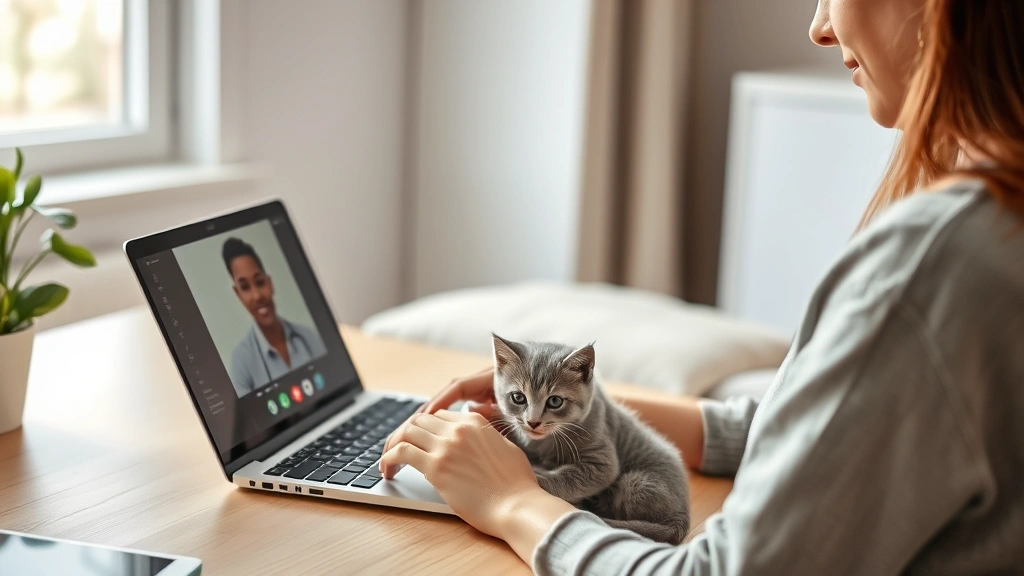
Telehealth veterinarians have experience evaluating respiratory concerns remotely. During your video consultation, your vet will ask detailed questions about when the panting started, how long it lasts, and what your kitten was doing beforehand.
Your vet may also ask you to describe your kitten’s breathing pattern, gum color, and overall behavior. This information helps them narrow down possible causes and determine whether your kitten needs blood work, imaging, or an urgent in-person exam. Many conditions can be ruled out or confirmed through a thoughtful conversation and visual assessment.
What to Prepare Before Your Online Vet Visit
Being ready for your telehealth appointment makes the conversation more productive. Here’s what to have on hand:
- Your kitten’s medical history and any previous diagnoses
- A list of current medications or supplements (if any)
- Details about when the panting started and how often it occurs
- Information about recent changes in diet, environment, or routine
- A quiet, well-lit space where your vet can see and hear your kitten clearly
If you’ve noticed any other symptoms—like sneezing, coughing, or changes in eating—mention those too. The more context you provide, the better your vet can help.
Kitten Panting and Respiratory Health
Respiratory issues in kittens can range from mild to serious. Upper respiratory infections, for example, are common in young cats and may cause panting along with sneezing and nasal discharge. These often resolve with supportive care and time.
On the other hand, conditions like asthma or heart disease are less common in kittens but more urgent. Your online vet can help you understand which category your kitten might fall into and what steps come next. Early detection makes a real difference in outcomes.
The Convenience of Talking to a Vet Online About Your Kitten
One of the biggest advantages of telehealth is avoiding unnecessary stress for both you and your kitten. Car rides and waiting rooms can spike anxiety, which may actually worsen panting. A calm conversation from home often gives you clearer answers faster.
Online vet consultations also fit into busy schedules. Whether it’s evening, weekend, or a holiday, telehealth services like The Pet Vet make it easier to get professional guidance without the wait. You’ll have a licensed vet review your kitten’s situation and provide recommendations tailored to your situation.
When to Seek Emergency Care Instead
While online vets are wonderful for many concerns, some situations require immediate in-person emergency care. If your kitten is gasping for breath, has blue-tinged gums, or is unconscious, go to an emergency vet clinic right away.
Similarly, if your kitten collapses, has severe difficulty breathing, or shows signs of extreme distress, don’t wait for a telehealth appointment. These are true emergencies. However, if your kitten is stable but you’re worried about panting, an online consultation is a perfect first step.
Related Concerns: Other Kitten Symptoms Worth Discussing Online
Panting often appears alongside other symptoms that also benefit from veterinary input. If your kitten is shaking or trembling, that’s another sign worth discussing with your vet online.
Skin issues like rashes or ear infections can also cause discomfort that manifests as panting. Additionally, if your kitten seems anxious or stressed, that emotional state might explain the rapid breathing. Online vets can help connect the dots between symptoms.
What Your Online Vet Might Recommend
After assessing your kitten’s panting, your vet might suggest several options. They could recommend monitoring at home with specific signs to watch for, scheduling an in-person exam, or pursuing diagnostic testing like blood work or chest X-rays.
In some cases, your vet might suggest environmental changes—like ensuring your kitten has access to cool, quiet spaces or reducing stress triggers. They may also provide guidance on hydration, activity levels, and when to follow up. The beauty of telehealth is that recommendations are personalized to your kitten’s unique situation.
Frequently Asked Questions
Is it normal for kittens to pant?
Occasional panting after play is normal, but continuous or labored panting is not. If your kitten pants frequently or seems distressed, contact a vet.
Can I video call a vet about my kitten’s panting?
Yes, video consultations are ideal for respiratory concerns. Your vet can observe your kitten’s breathing and body language in real time.
How quickly can I get an online vet appointment for my kitten?
Many telehealth services, including The Pet Vet, offer same-day or next-day appointments. Some even have availability within hours.
Will my online vet prescribe medication for kitten panting?
It depends on the underlying cause. Your vet may recommend medication, supportive care, or further testing before deciding on treatment.
What if the online vet thinks my kitten needs an emergency exam?
Your vet will advise you to visit an emergency clinic immediately. They can also help coordinate care with your local veterinary hospital.
What To Do Now
If you’re concerned about your kitten’s panting, here are your next steps:
- Observe and document when your kitten pants, how long it lasts, and any other symptoms you notice.
- Schedule a telehealth consultation with a licensed veterinarian to discuss your findings and get professional guidance.
- Keep your kitten in a cool, calm environment while you wait for your appointment.
- Have your kitten’s medical records and vaccination history available for your vet.
- Follow your vet’s recommendations closely, whether that means monitoring at home or scheduling an in-person exam.
Summary
Yes, you can talk to a vet about kitten panting online, and it’s often the fastest, most convenient way to get answers. Telehealth vets are equipped to evaluate respiratory concerns, ask the right questions, and guide you toward the best next steps for your kitten. Whether your kitten’s panting is stress-related, heat-related, or something more serious, an online consultation gives you peace of mind and professional insight without the hassle of an office visit. Don’t hesitate to reach out—your kitten’s health and your peace of mind are worth it.