
Yes, you can absolutely talk to a vet about puppy anxiety online, and it’s one of the smartest first steps you can take when your new pup seems stressed, fearful, or overwhelmed. If your puppy is showing signs of anxiety—whether it’s trembling during thunderstorms, hiding when guests arrive, or struggling with separation—a telehealth consultation gives you expert guidance without the added stress of a car ride or waiting room visit.
Table of Contents
- Why Online Vet Consultations Work Well for Puppy Anxiety
- Common Signs Your Puppy May Be Experiencing Anxiety
- What to Expect During an Online Anxiety Consultation
- Behavioral Management Strategies Your Online Vet Might Recommend
- Environmental Changes That Can Help Reduce Puppy Anxiety
- When Your Vet Might Discuss Additional Support Options
- How to Prepare for Your Online Vet Appointment About Puppy Anxiety
- Choosing the Right Online Vet Service for Puppy Anxiety Consultations
- Combining Online Guidance With In-Person Care When Needed
- Real Progress: What Improvement Looks Like
- Frequently Asked Questions
- What To Do Now
- Summary: Your Puppy’s Anxiety Is Treatable
This article is for informational purposes only and is not a substitute for professional veterinary advice. Always consult a licensed veterinarian for diagnosis and treatment.
Puppy anxiety is incredibly common, and catching it early puts you in a great position to help your furry friend feel safer and more confident. Let’s explore how online veterinary care can support your anxious puppy and what you need to know to get started.
Why Online Vet Consultations Work Well for Puppy Anxiety
One of the biggest advantages of discussing puppy anxiety with a vet online is that your pup gets to stay in a familiar, calm environment. Many anxious puppies feel even more stressed in a veterinary clinic—the unfamiliar smells, sounds, and handling can amplify their nervousness. A virtual puppy vet appointment lets your vet observe your puppy’s behavior in their natural setting, which actually gives them better insight into what’s really going on.
Telehealth also eliminates the anxiety of the trip itself. No car ride jitters, no waiting room exposure to other animals, and no rushed 15-minute appointment. Your puppy stays relaxed, and you get more thoughtful, personalized advice.
Additionally, online consultations are often faster to schedule and more affordable than traditional in-person visits, making them perfect for worried pet owners who want quick reassurance and professional guidance.
Common Signs Your Puppy May Be Experiencing Anxiety
Recognizing anxiety in puppies is the first step toward helping them. Some puppies show obvious signs, while others display more subtle behavioral changes. Here are the most common indicators:
- Excessive trembling or shaking during storms, fireworks, or unfamiliar situations
- Hiding or cowering in corners, under furniture, or in safe spaces
- Destructive behavior like chewing, scratching, or digging when left alone
- Excessive barking or whining that seems out of proportion to triggers
- Panting or rapid breathing even when the puppy isn’t playing
- Loss of appetite or refusing treats they normally love
- Pacing or restlessness that prevents them from settling down
- Clinginess or separation distress when you leave the room
- Excessive licking or grooming of paws or other body parts
- Avoidance of people or other animals they previously seemed comfortable with
Catching these early signs puts you in a great position to work with a vet on a management plan before anxiety becomes a deeper behavioral issue.
What to Expect During an Online Anxiety Consultation
When you schedule a telehealth appointment to discuss puppy anxiety, the vet will want to learn about your pup’s history, triggers, and specific behaviors. Have your phone or camera ready to show the vet how your puppy responds to certain situations if possible.
During the call, the vet will typically ask questions like:
- When did the anxiety symptoms start?
- What specific situations trigger your puppy’s anxiety?
- How does your puppy respond (hiding, aggression, destructive behavior)?
- Has anything changed in your home or routine recently?
- Are there any other health concerns you’ve noticed?
- What have you already tried to help?
The vet will discuss potential causes—which could range from normal puppy development and socialization gaps to underlying health issues or environmental stressors. They’ll then recommend a tailored approach for your specific puppy, which might include behavioral strategies, environmental modifications, or other supportive options.
Behavioral Management Strategies Your Online Vet Might Recommend
Most vets start with practical, evidence-based behavioral approaches before considering other interventions. These strategies help your puppy gradually feel safer and more confident in anxiety-triggering situations.
Desensitization and counterconditioning involve slowly exposing your puppy to anxiety triggers at low levels while pairing them with positive experiences like treats or play. For example, if your puppy is afraid of thunderstorms, you might play quiet recordings of storm sounds during happy playtime, gradually increasing the volume over weeks.
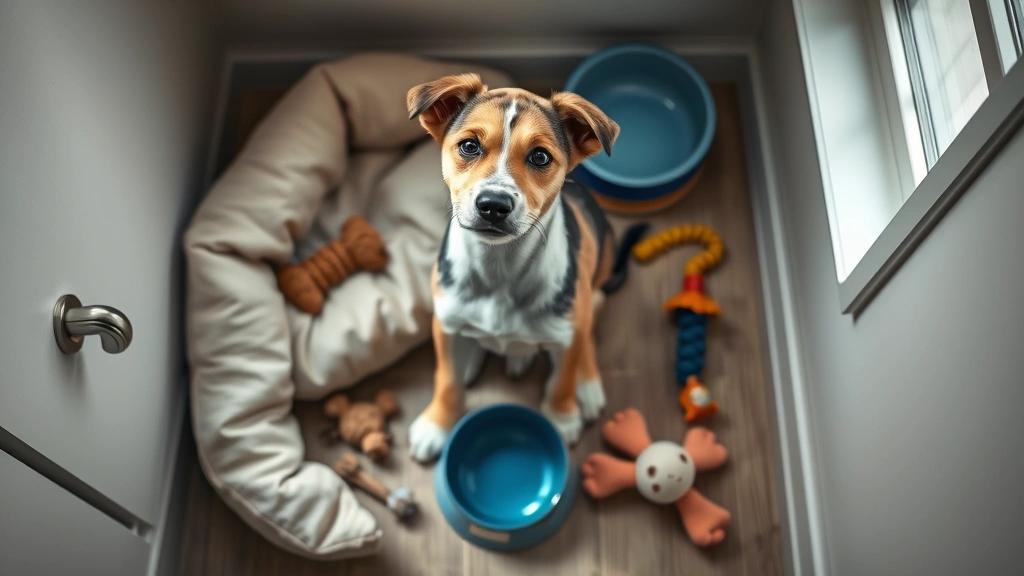
Creating a safe space gives your puppy a designated area where they can retreat when feeling overwhelmed. This might be a crate, a specific room, or a cozy corner with their bed. The goal is to help them self-soothe in a predictable, secure environment.

Consistent routine helps anxious puppies feel more in control. Predictable feeding times, play schedules, and bedtime routines reduce uncertainty and lower baseline stress levels.
Gradual socialization (done at your puppy’s pace) builds confidence. Rather than forcing interactions, allow your puppy to explore new people, places, and experiences on their own timeline with positive reinforcement.
Environmental Changes That Can Help Reduce Puppy Anxiety
Sometimes simple environmental tweaks make a huge difference. Your online vet might suggest:
- Using white noise or calming music to mask startling sounds
- Installing blackout curtains to reduce visual stimuli during storms
- Providing puzzle toys or long-lasting chews to redirect anxious energy
- Using pheromone diffusers or sprays designed to promote calm (like those containing dog-appeasing pheromones)
- Establishing consistent boundaries so your puppy knows what to expect
- Reducing sudden changes to their environment or routine
These modifications work best when combined with patience and positive reinforcement, creating a supportive environment where your puppy can gradually build confidence.
When Your Vet Might Discuss Additional Support Options
For some puppies, behavioral strategies alone aren’t enough, especially if anxiety is severe or significantly impacting quality of life. Your online vet can discuss whether additional support might be helpful, always starting with the most gentle, least invasive options.
Your vet might explore whether your puppy could benefit from calming supplements or other supportive options that are available over-the-counter. They may also discuss whether a referral to a veterinary behaviorist would be valuable for more complex anxiety cases.
It’s important to note that any discussion of medication or treatment should always happen with a licensed veterinarian who has examined your puppy. Your online vet can provide initial guidance and may recommend in-person follow-up if they feel it’s necessary.
How to Prepare for Your Online Vet Appointment About Puppy Anxiety
Getting organized before your call helps you make the most of your consultation time. Here’s what to have ready:
- A written timeline of when anxiety symptoms started and how they’ve progressed
- Video clips or photos showing your puppy’s anxious behaviors (if you have them)
- A list of triggers you’ve identified—thunderstorms, visitors, car rides, etc.
- Your puppy’s medical history, including vaccinations, any previous illnesses, and current diet
- Notes on what you’ve already tried and how your puppy responded
- Questions or concerns you want to address during the call
- A quiet space where you and your puppy can talk with the vet without interruptions
The more information you provide, the more targeted and helpful the vet’s recommendations will be.
Choosing the Right Online Vet Service for Puppy Anxiety Consultations
Not all telehealth platforms are created equal, especially when it comes to behavioral concerns. Look for services that offer:
- Licensed, experienced vets who have specific training or interest in behavioral issues
- Flexible scheduling so you can book an appointment when your puppy is most likely to show symptoms
- Follow-up support to monitor your puppy’s progress and adjust recommendations as needed
- Transparent pricing with no hidden fees
- Integration with your local vet if you have one, so records can be shared
- Good reviews from other pet owners dealing with similar concerns
If you are unsure whether your pet needs urgent care, a quick telehealth check-in can give you peace of mind — no appointment needed. Many services, including The Pet Vet’s virtual puppy vet appointments, make it easy to connect with a licensed vet in minutes.
Combining Online Guidance With In-Person Care When Needed
While telehealth is excellent for initial consultations and ongoing support, some puppies benefit from a combination of online and in-person care. Your online vet might recommend an in-person visit to rule out underlying health issues that could be contributing to anxiety, such as neurological concerns or other medical conditions.
Similarly, if your puppy has an ear infection, skin issue, or other physical problem causing discomfort, that could be manifesting as anxiety. An in-person exam allows your vet to do a thorough physical assessment that telehealth can’t fully provide.
Think of online and in-person care as complementary. Start with telehealth for behavioral concerns and convenience, but stay open to in-person follow-up if your vet recommends it.
Real Progress: What Improvement Looks Like
As you work with your online vet and implement their recommendations, you’ll start noticing subtle improvements. Your puppy might relax faster after being triggered, show less trembling, or begin exploring new situations with more confidence.
Progress isn’t always linear. Some days your anxious puppy will seem to backslide, especially if something stressful happens (like a loud noise or a change in routine). This is normal. Consistency over weeks and months is what creates lasting change.
Keep your vet updated on progress during follow-up calls. They can adjust recommendations based on what’s working and what isn’t, ensuring your puppy gets the support they need.
Frequently Asked Questions
Can a vet diagnose anxiety in puppies through a video call?
A vet can assess whether your puppy may be experiencing anxiety based on your description and video observation, though they cannot perform a physical exam remotely. If underlying health issues need to be ruled out, they may recommend an in-person visit.
How much does an online vet consultation for puppy anxiety cost?
Telehealth appointments typically range from $50 to $150, making them more affordable than traditional vet visits. Prices vary by platform and vet experience level.
Is puppy anxiety something I can handle on my own, or do I need a vet?
While some anxiety can improve with environmental changes and patience, consulting a vet ensures you’re not missing underlying health issues and gives you a structured, evidence-based plan tailored to your puppy.
How long does it take to see improvement in an anxious puppy?
Most puppies show noticeable improvement within 2-4 weeks of consistent behavioral management, though full confidence-building can take several months. Every puppy progresses at their own pace.
What should I do if my puppy’s anxiety gets worse after starting online vet recommendations?
Contact your vet immediately for a follow-up consultation. Sometimes adjustments to the approach are needed, or additional factors may need to be explored. Your vet can guide you on next steps or recommend in-person evaluation if necessary.
What To Do Now
- Document your puppy’s anxiety symptoms — Write down when anxiety occurs, what triggers it, and how your puppy responds. This information will be invaluable during your online consultation.
- Schedule a virtual puppy vet appointment — Choose a telehealth platform with experienced vets and book a time when your puppy is calm and you can focus on the conversation without distractions.
- Gather your puppy’s medical history — Have vaccination records, diet information, and any previous health concerns ready to share with the vet during your call.
- Start a baseline observation — Before your appointment, spend a few days noting your puppy’s behavior patterns, triggers, and responses. This gives the vet a clear picture of what’s happening.
- Prepare your home for the consultation — Find a quiet space where you can talk with the vet without interruptions, and have your phone or camera positioned so the vet can see your puppy if needed.
Summary: Your Puppy’s Anxiety Is Treatable
If you’ve been wondering whether you can talk to a vet about puppy anxiety online, the answer is a resounding yes. Telehealth consultations offer a convenient, stress-free way to get expert guidance for your anxious pup without the added pressure of an in-person visit.
Online vets can help you understand what’s driving your puppy’s anxiety, recommend evidence-based behavioral strategies, suggest environmental modifications, and discuss whether additional support might be helpful. Many puppies show significant improvement within weeks of starting a structured plan.
The key is to start early, stay consistent, and work closely with your vet to adjust recommendations as your puppy progresses. Your new puppy’s anxiety doesn’t have to define their personality or limit your bond. With professional guidance and patience, most anxious puppies grow into confident, happy dogs.
Ready to get started? Schedule your virtual puppy vet appointment today and take the first step toward helping your furry friend feel safer and more secure.