
Yes, you can absolutely talk to a vet about puppy itching online, and it’s one of the fastest ways to get professional guidance when your little one won’t stop scratching. If you’ve noticed your puppy constantly licking their paws, scratching behind their ears, or chewing at their skin, you’re probably worried—and rightfully so. The good news? A licensed veterinarian can assess what’s going on through a telehealth consultation without the hassle of waiting weeks for an in-person appointment.
Table of Contents
- Why Puppy Itching Shouldn’t Wait
- Common Causes of Itching in Young Puppies
- How Online Vet Consultations Work for Skin Issues
- Benefits of Talking to a Vet About Puppy Itching Online
- When You Need an In-Person Exam Instead
- Preparing for Your Online Vet Consultation
- What to Expect After Your Online Consultation
- Building a Relationship With Your Online Vet
- Combining Online Consultations With Local Vet Care
- Red Flags: When Itching Needs Urgent Attention
- Frequently Asked Questions
- What To Do Now
- Summary
This article is for informational purposes only and is not a substitute for professional veterinary advice. Always consult a licensed veterinarian for diagnosis and treatment.
Why Puppy Itching Shouldn’t Wait
Itching in puppies can stem from many different causes, and early intervention makes a real difference. Your puppy’s skin is sensitive, and what starts as minor scratching can quickly escalate if left unaddressed. Catching this early puts you in a great position to help your puppy feel comfortable again.
Puppies are naturally curious and prone to exploring their environment with their mouths and paws. However, excessive itching goes beyond normal play behavior. It’s a signal that something needs attention—whether that’s environmental allergies, food sensitivities, parasites, or skin infections.

Common Causes of Itching in Young Puppies
Understanding what might be causing your puppy’s discomfort helps you communicate more effectively with a vet online. Here are the most common culprits:
- Fleas and parasites: Even indoor puppies can pick up fleas. These tiny pests cause intense itching and are highly treatable.
- Allergies: Puppies can develop dog skin allergies to food, pollen, dust, or other environmental triggers. Dog skin allergies in young pets are surprisingly common.
- Skin infections: Bacterial or fungal infections like ringworm can cause itching and require specific treatment. Learn more about skin infections in dogs.
- Dry skin: Low humidity, frequent bathing, or dietary deficiencies can leave puppy skin dry and itchy.
- Ear mites or yeast: If your puppy is scratching their ears constantly, ear mites or yeast overgrowth could be the issue.
Each of these conditions requires different approaches, which is why professional guidance matters so much.
How Online Vet Consultations Work for Skin Issues
Many pet owners assume skin problems require an in-person visit. That’s not always true. A telehealth vet can gather important information through video, photos, and your description of symptoms to provide initial guidance.

During an online consultation, your vet will likely ask about:
- When the itching started and how quickly it’s progressed
- Where on your puppy’s body the itching is worst
- Whether you’ve noticed any redness, rashes, hair loss, or discharge
- Your puppy’s diet and any recent changes
- Whether your puppy is on flea and tick prevention
- Any other symptoms like ear odor, letharness, or changes in appetite
Be prepared to show clear photos or video of the affected areas. Good lighting and close-ups help the vet see exactly what’s happening with your puppy’s skin.
Benefits of Talking to a Vet About Puppy Itching Online
Online consultations offer real advantages when your puppy is scratching non-stop. You get professional insight without the stress of car rides or waiting rooms, which can actually make your puppy more anxious.

- Speed: Many telehealth platforms offer same-day or next-day appointments, not weeks away.
- Convenience: Consult from home while your puppy is in their natural environment—vets can see how they behave normally.
- Cost-effective: Online visits are typically less expensive than traditional vet appointments.
- Reduced stress: Your puppy stays calm at home, which can actually help them show their normal symptoms more clearly.
- Documentation: You’ll have a digital record of the consultation for future reference.
If you are unsure whether your pet needs urgent care, a quick telehealth check-in can give you peace of mind—no appointment needed.
When You Need an In-Person Exam Instead
While online consultations are incredibly helpful, some situations require a hands-on evaluation. Your vet might recommend an in-person visit if:
- Your puppy has open sores, severe hair loss, or signs of infection
- The itching is so severe your puppy is bleeding or creating wounds from scratching
- Your puppy shows signs of systemic illness (fever, letharness, vomiting)
- The online vet needs to perform skin scrapings or fungal cultures to diagnose the issue
- Your puppy needs a physical exam to rule out other conditions
A responsible online vet will be honest about whether an in-person visit is necessary. That’s actually a sign of good care.

Preparing for Your Online Vet Consultation
Getting ready ahead of time makes your online appointment more productive. Here’s what to have on hand:
- Photos and videos: Clear images of the itchy areas, taken in good natural light. Video of your puppy scratching can be especially helpful.
- Medical history: Any previous skin issues, allergies, or health conditions. Note when symptoms started.
- Diet information: Have your puppy’s food brand and ingredients ready to discuss.
- Medication list: If your puppy is on anything, have the names and dosages available.
- Behavioral observations: Note patterns—does itching happen after meals, during certain seasons, or after outdoor time?
The more organized you are, the more the vet can help during your limited consultation time.
What to Expect After Your Online Consultation
Once you’ve talked to a vet about your puppy’s itching online, they’ll provide guidance on next steps. This might include recommendations for at-home care, dietary adjustments, or specific products to try.
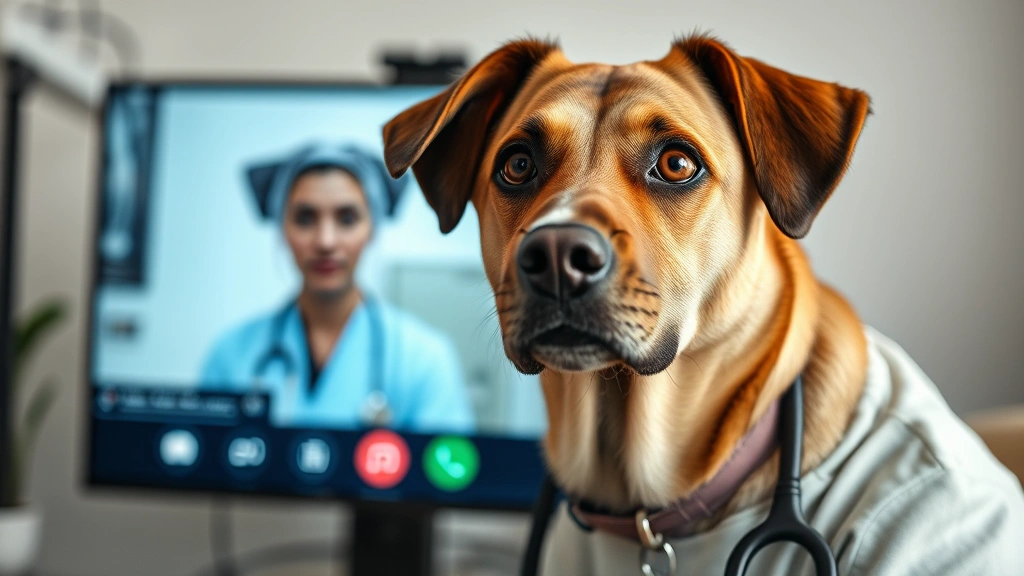
Your vet may suggest a follow-up appointment—either online or in-person—depending on how your puppy responds to initial recommendations. Many skin issues improve within a week or two once the underlying cause is addressed. Keep notes on your puppy’s progress and be ready to report back.
If symptoms worsen or don’t improve after a few days, contact your vet again. This is especially important if you notice new symptoms developing.
Building a Relationship With Your Online Vet
One concern pet owners have is whether telehealth creates continuity of care. The good news: many online vet platforms allow you to see the same veterinarian for follow-up consultations, building a real relationship over time.

When your vet knows your puppy’s history, they can provide better care with each visit. They’ll remember previous issues, understand your puppy’s baseline health, and catch patterns you might miss. This continuity is especially valuable for chronic issues like allergies in young puppies.
Don’t hesitate to ask your online vet questions or request follow-ups. A good telehealth service treats this as an ongoing relationship, not just a one-off transaction.
Combining Online Consultations With Local Vet Care
Online vets aren’t meant to replace your local veterinarian entirely. Instead, think of them as a valuable resource that complements your primary care. You might use telehealth for quick questions or urgent concerns between regular check-ups.

If you need a local vet for in-person exams or procedures, share your telehealth consultation notes with them. This creates a complete picture of your puppy’s health and prevents duplicate testing or conflicting advice.
Many pet owners find that having both options—quick online access plus a trusted local vet—gives them the best of both worlds. You get immediate support when you need it, plus continuity with someone who knows your puppy in person.
Red Flags: When Itching Needs Urgent Attention
Most puppy itching isn’t an emergency, but some situations do require faster action. Contact a vet immediately if your puppy shows:

- Severe swelling around the face, eyes, or throat (possible allergic reaction)
- Difficulty breathing or wheezing
- Letharness, fever, or refusal to eat
- Bleeding from intense scratching or open sores that look infected
- Sudden onset of itching combined with vomiting or diarrhea
In these cases, call an emergency vet clinic rather than waiting for a telehealth appointment. Your puppy’s safety comes first.
Frequently Asked Questions
Can a vet diagnose fleas or allergies through an online consultation?
A vet can make an educated assessment based on photos, symptoms, and your description, but some conditions (like fungal infections) require lab testing. Your vet will be honest about whether they need more information.
How much does an online vet consultation cost?
Telehealth consultations typically cost $30–$75, significantly less than in-person visits. Prices vary by platform and vet experience level.

Can I get a prescription from an online vet for my puppy’s itching?
Yes, many licensed online vets can prescribe medications if appropriate. The prescription is sent to a pharmacy you choose, often with convenient delivery options.
What if the online vet says my puppy needs an in-person exam?
This is actually a good sign—it means your vet is being thorough. They’ll help you find a local veterinarian or refer you to a clinic near you.
Is online vet care as reliable as traditional vet visits?
Online vets are licensed professionals with the same training as in-person vets. They’re reliable for many conditions, though some situations do require hands-on examination.
What To Do Now
Don’t let your puppy suffer through another day of constant itching. Here’s your action plan:
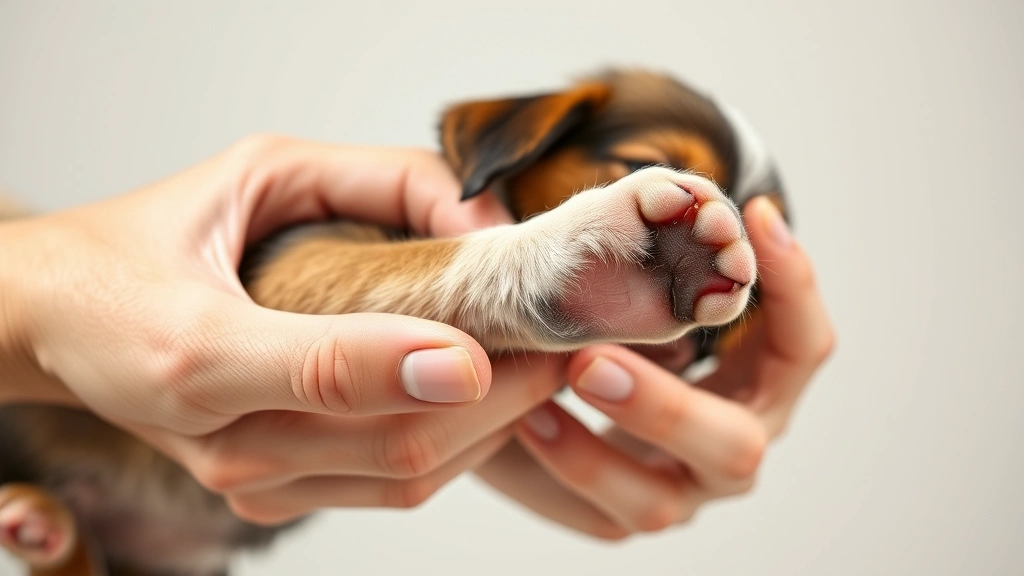
- Document the symptoms: Take clear photos and videos of the affected areas, and note when itching is worst (time of day, after meals, etc.).
- Gather your puppy’s information: Have their diet details, medical history, and any medications ready before your consultation.
- Schedule an online consultation: Search for telehealth vet services and book an appointment. Many offer same-day or next-day slots.
- Prepare your questions: Write down specific concerns so you don’t forget anything during the call.
- Follow up: After your consultation, implement the vet’s recommendations and track your puppy’s progress. Report back if symptoms don’t improve.
Summary
Yes, you can talk to a vet about puppy itching online—and it’s often the fastest, most convenient way to get help. Whether your puppy is scratching from fleas, allergies, dry skin, or infections, a licensed veterinarian can guide you through diagnosis and treatment from the comfort of your home.
Online consultations offer real advantages: speed, affordability, reduced stress for your puppy, and access to professional expertise when you need it most. While some conditions do require in-person evaluation, many skin issues respond beautifully to guidance from a telehealth vet.

The key is acting quickly. Persistent itching won’t resolve on its own, and your puppy’s discomfort will only grow. Reach out to a vet today, get professional insight, and help your little one feel comfortable again. Your puppy will thank you.