
Yes, you can absolutely talk to a vet about puppy itching online, and it’s often one of the fastest ways to get answers when your furry friend won’t stop scratching. If your puppy has been itching more than usual, you’re probably worried—and rightfully so. The good news? Telehealth veterinary services make it incredibly convenient to get professional guidance without leaving your home.
Table of Contents
- Why Online Vet Consultations Work Well for Puppy Itching
- Common Causes of Puppy Itching You Can Discuss Online
- What to Expect During Your Online Vet Consultation
- Benefits of Addressing Puppy Itching Through Telehealth
- When to Seek In-Person Care for Your Puppy’s Itching
- How to Prepare for Your Online Vet Appointment
- At-Home Care While Waiting for Your Consultation
- Understanding Puppy Skin Conditions Better
- Telehealth Platforms That Specialize in Pet Itching
- Following Up After Your Online Consultation
- Frequently Asked Questions
- What To Do Now
- Summary
This article is for informational purposes only and is not a substitute for professional veterinary advice. Always consult a licensed veterinarian for diagnosis and treatment.
Why Online Vet Consultations Work Well for Puppy Itching
Puppy itching is one of the most common concerns pet owners bring to veterinarians, and it’s perfectly suited for an initial online consultation. A vet can ask detailed questions about when the itching started, where on your puppy’s body it’s happening, and what you’ve noticed about their behavior.
During a video call, your vet can also visually inspect your puppy’s skin, coat, and overall appearance. This helps them narrow down potential causes without requiring an in-person visit right away. Many cases of puppy itching can be assessed and managed through telehealth, saving you time and reducing stress for your pup.
Common Causes of Puppy Itching You Can Discuss Online
Understanding what might be causing your puppy’s itching helps you communicate better with your online vet. Here are the most frequent culprits:
- Fleas and parasites: Even indoor puppies can pick up fleas. Your vet can recommend preventative treatments during a telehealth visit.
- Dry skin: Especially common in puppies during seasonal changes or in dry climates.
- Allergies: Food allergies and environmental allergies are increasingly common in young dogs.
- Ear mites: These tiny parasites cause intense itching, particularly in the ears.
- Yeast or bacterial infections: Warm, moist areas like paws and skin folds are prone to these.
- Contact dermatitis: Your puppy may be reacting to shampoo, bedding, or cleaning products.
Catching the underlying cause early puts you in a great position to help your puppy feel better quickly.
What to Expect During Your Online Vet Consultation
When you schedule a telehealth appointment to discuss your puppy’s itching, here’s what typically happens. Your vet will ask about your puppy’s age, breed, and medical history. They’ll want to know exactly when you first noticed the itching and whether it’s constant or comes and goes.
Be ready to show your vet your puppy on camera so they can see the affected areas. Take a few photos or videos beforehand if possible—these are helpful references. Your vet may also ask about your puppy’s diet, recent changes in environment, and whether you’ve already tried any treatments.
The entire consultation usually takes 15-30 minutes. At the end, your vet will discuss their findings and recommend next steps, which might include at-home care, topical treatments, or a follow-up in-person exam if needed.
Benefits of Addressing Puppy Itching Through Telehealth
Telehealth offers several advantages when dealing with your puppy’s itching. First, there’s convenience—you can connect with a vet from your couch without traveling or waiting in a clinic. This is especially helpful if your puppy gets anxious in car rides or busy waiting rooms.
Second, it’s often more affordable than an in-person visit. Many telehealth platforms charge significantly less for initial consultations. Third, you get quick answers. If you’re unsure whether your pet needs urgent care, a quick telehealth check-in can give you peace of mind—no appointment needed.
Finally, you have a documented record of your consultation. Your vet can send you notes and recommendations via email, making it easy to refer back to their advice.
When to Seek In-Person Care for Your Puppy’s Itching
While telehealth is excellent for many cases, some situations require an in-person veterinary visit. If your puppy is scratching so intensely that they’re creating open sores or bleeding, an in-person exam is necessary. Your vet needs to assess the severity and potentially take skin samples for testing.
If your puppy has a fever, is lethargic, or shows signs of a systemic infection, that also warrants an immediate in-person visit or emergency care. Similarly, if your puppy’s itching doesn’t improve after two weeks of recommended treatment, a hands-on examination can help your vet dig deeper.
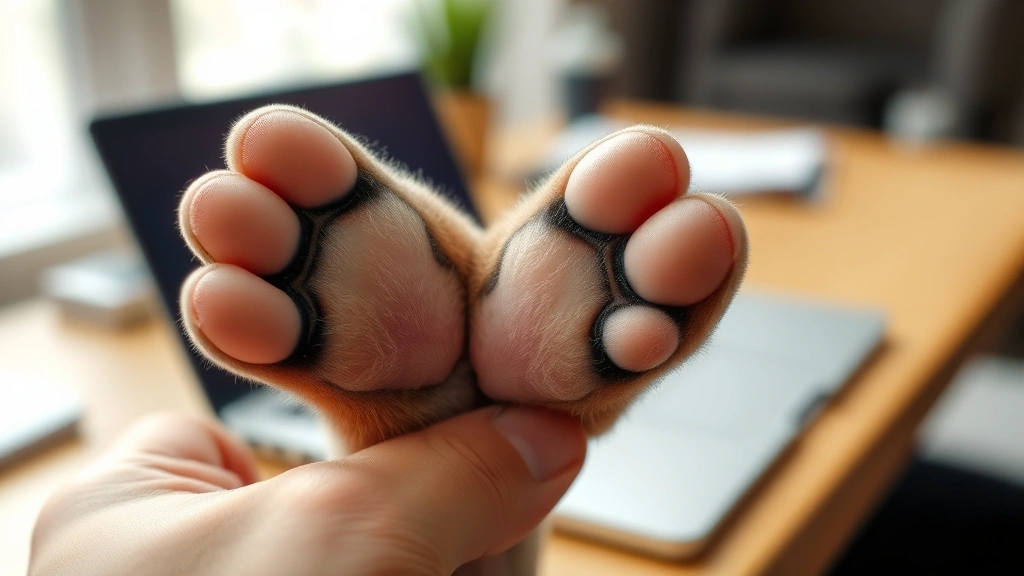
Your online vet will guide you on whether an in-person follow-up is needed based on what they observe and learn during your telehealth session.
How to Prepare for Your Online Vet Appointment
A little preparation makes your telehealth consultation much more productive. Start by writing down when the itching began, what it looks like, and any patterns you’ve noticed (like itching worse at night or after meals).
Gather information about your puppy’s diet, any recent dietary changes, and any new products you’ve introduced (shampoos, treats, toys, or bedding). Have your puppy’s vaccination records and any previous medical history handy. Make sure you have good lighting and a quiet space for the video call so your vet can see and hear clearly.
Here’s a quick checklist:
- Note the timeline of when itching started
- Document which body areas are affected
- List any recent diet or environment changes
- Gather vaccination and medical records
- Prepare your camera setup for clear visibility
At-Home Care While Waiting for Your Consultation
If you’re waiting for your telehealth appointment, there are gentle things you can do to help your puppy feel more comfortable. Avoid bathing your puppy excessively, as this can dry out their skin further. If you do bathe them, use lukewarm water and a gentle, puppy-safe shampoo.
Consider using a humidifier in the room where your puppy spends the most time, especially during dry seasons. Keep your puppy’s bedding clean and wash it regularly with mild detergent. Make sure your puppy has access to fresh water and a balanced diet.
Gently brush your puppy’s coat to check for fleas, flea dirt, or other visible issues. Avoid applying any medicated products without vet guidance. These simple steps can provide some relief while you wait for professional advice.
Understanding Puppy Skin Conditions Better
Puppies have more sensitive skin than adult dogs, which is why itching is so common in young dogs. Their immune systems are still developing, making them more susceptible to allergies and infections. Understanding this helps you approach the issue with patience.
Many puppy skin issues are completely manageable once properly diagnosed. For more detailed information about how skin allergies progress, you can explore dog skin allergies stages explained. If you suspect a skin infection, our guide on skin infections in dogs provides helpful context.
The key is getting professional eyes on the problem early. Untreated itching can lead to secondary infections, so addressing it promptly is important.
Telehealth Platforms That Specialize in Pet Itching
Several reputable telehealth platforms connect you with licensed veterinarians who regularly handle skin and itching concerns. Look for platforms that employ board-certified veterinarians and offer clear pricing before you book.
The Pet Vet’s online vet for puppy itching service is specifically designed to address these concerns quickly and affordably. Many platforms also offer follow-up options if your puppy’s itching doesn’t resolve with initial recommendations.
Check reviews and verify that the platform is licensed to operate in your state. Legitimate telehealth services will always recommend in-person care when necessary.

Following Up After Your Online Consultation
After your telehealth appointment, follow your vet’s recommendations carefully. If they prescribed or recommended specific treatments, start them as directed and monitor your puppy’s response. Keep notes on whether the itching improves, stays the same, or worsens.
Most vets recommend scheduling a follow-up check-in after one to two weeks to assess progress. This might be another telehealth visit or an in-person appointment. If your puppy shows no improvement or gets worse, contact your vet immediately rather than waiting for the scheduled follow-up.
If you notice any new symptoms—like discharge, odor, or behavioral changes—report these to your vet right away. These details help your vet adjust the treatment plan if needed.
Frequently Asked Questions
Can a vet diagnose the cause of puppy itching through a video call?
Yes, vets can often identify the likely cause through visual inspection, detailed questions about symptoms, and your puppy’s history. However, some conditions may require skin scrapings or cultures, which necessitate an in-person visit.
Is telehealth cheaper than an in-person vet visit for itching?
Generally, yes. Telehealth consultations typically cost 30-50% less than in-person visits, though prices vary by platform and location. You also save on travel time and gas.
What if my puppy’s itching gets worse after a telehealth consultation?
Contact your vet immediately. Worsening itching could indicate a secondary infection or that the initial diagnosis needs revision. Your vet may recommend an urgent in-person exam.
Can I get flea prevention prescribed through an online vet visit?
Yes, many telehealth vets can prescribe or recommend flea prevention products after assessing your puppy. Some platforms can even arrange delivery of prescribed medications to your home.
How long does it take to see improvement after starting treatment?
This depends on the cause. Flea-related itching may improve within days of starting prevention. Allergies or infections might take one to two weeks to show significant improvement.
What To Do Now
Ready to get your puppy relief? Here are your next steps:
- Schedule a telehealth consultation: Visit The Pet Vet or another reputable platform and book an appointment for your puppy’s itching. Many offer same-day or next-day availability.
- Gather your puppy’s information: Compile notes about when the itching started, affected areas, diet, and any recent changes. Have vaccination records ready.
- Prepare your space: Test your camera, lighting, and internet connection before the appointment to ensure a smooth consultation.
- Document symptoms: Take photos or videos of your puppy’s affected areas to show your vet during the call.
- Follow the vet’s plan: Once you receive recommendations, implement them promptly and track your puppy’s progress over the next 1-2 weeks.
Summary
Yes, you absolutely can talk to a vet about puppy itching online, and it’s often the most convenient first step toward getting your puppy relief. Telehealth consultations are effective for assessing common causes like fleas, allergies, dry skin, and infections. Your online vet can visually inspect your puppy, ask detailed questions, and recommend treatments—all from your home.
The process is straightforward: schedule an appointment, prepare information about your puppy’s symptoms, and connect with a licensed vet via video. Most consultations cost less than in-person visits and provide quick answers. If your puppy’s itching is severe or doesn’t improve, your vet will recommend follow-up in-person care.
Don’t let your puppy suffer through constant itching. Reach out to a telehealth vet today. Early intervention often leads to faster relief and prevents secondary complications. Your puppy deserves to feel comfortable and happy—and professional help is just a click away.