
Yes, you can absolutely talk to a vet about puppy licking paws online—and it’s often the fastest way to get answers when your little one won’t stop chewing or licking those tiny feet. If you’ve noticed your puppy obsessively licking or chewing at their paws, you’re not alone, and the good news is that a licensed veterinarian can help you figure out what’s going on without you having to leave home.
Table of Contents
- Why Your Puppy Is Licking Their Paws: The Most Common Causes
- When to Seek Online Veterinary Care for Paw Licking
- How Online Vet Consultations Work for Paw Licking
- Common Diagnoses and What They Mean
- What to Prepare Before Your Online Vet Appointment
- The Advantages of Telehealth for Paw Licking Concerns
- When Your Puppy Needs In-Person Care
- Home Care Tips While You Wait for Your Appointment
- Cost and Accessibility of Online Vet Consultations
- Frequently Asked Questions
- What to Do Now: Your Next Steps
- Summary: You Have Options, and Help Is Nearby
This article is for informational purposes only and is not a substitute for professional veterinary advice. Always consult a licensed veterinarian for diagnosis and treatment.
Paw licking in puppies can stem from dozens of different causes—some minor, some more serious. The challenge for pet owners is knowing when to worry and when it’s just normal puppy behavior. That’s where telehealth comes in handy. A quick online consultation can give you clarity, peace of mind, and a clear next step forward.
Why Your Puppy Is Licking Their Paws: The Most Common Causes
Puppies explore the world with their mouths, so some paw licking is completely normal. But excessive licking often points to an underlying issue that deserves attention.
Allergies are one of the top reasons puppies develop a paw-licking habit. These can be environmental (pollen, dust, mold) or food-related. When a puppy’s immune system reacts to an allergen, the paws become itchy, and constant licking follows. Dog skin allergies can develop at any age, even in young puppies.
Parasites like fleas or mites are another culprit. Even one flea bite can trigger intense itching, and puppies with mites may lick obsessively at their paws and ears. These are highly treatable conditions, but they need proper diagnosis first.
Yeast or bacterial infections thrive in warm, moist environments—like between puppy toes. If your puppy’s paws smell yeasty or look reddish, an infection could be the cause. Catching this early puts you in a great position to help.
Sometimes paw licking stems from anxiety, boredom, or stress. Puppies left alone for long stretches may develop self-soothing behaviors, including excessive licking. This is where understanding your puppy’s daily routine matters.
When to Seek Online Veterinary Care for Paw Licking
Not every instance of paw licking requires urgent intervention, but certain signs should prompt you to reach out to a vet quickly.
You should consider an online consultation if you notice:
- Constant, obsessive licking that happens multiple times per hour
- Redness, swelling, or visible irritation between the toes
- A noticeable odor coming from the paws
- Hair loss or raw patches from excessive licking
- Limping or reluctance to walk normally
- Signs of discomfort when the paws are touched
- Licking that started suddenly after a change in food or environment
If your puppy is also scratching other parts of their body, has ear issues, or shows signs of systemic illness, these patterns matter too. A vet can connect the dots during a telehealth visit.
How Online Vet Consultations Work for Paw Licking
The telehealth process is straightforward and designed with busy pet owners in mind. You start by scheduling a video call with a licensed veterinarian—no appointment delays, no waiting room stress.
During the consultation, the vet will ask detailed questions about your puppy’s behavior, diet, environment, and health history. They’ll want to know when the licking started, whether it’s constant or intermittent, and if anything else has changed recently.
Have your phone or camera ready to show the vet your puppy’s paws up close. Visual inspection helps tremendously, even through a screen. The vet may ask you to gently spread the toes or check for redness and odor.
Based on what they observe and learn, the vet can often provide preliminary guidance on next steps. This might include at-home care tips, recommendations for in-person diagnostics, or a referral to a dermatology specialist if needed.
Common Diagnoses and What They Mean
Understanding what a vet might be looking for helps you prepare better questions during your telehealth visit.
Allergic dermatitis is one of the most frequent diagnoses in puppies with paw licking. The vet may recommend dietary changes, environmental adjustments, or other management strategies. Natural remedies and supportive care can complement veterinary treatment once a diagnosis is confirmed.
Parasitic infections like mange or flea allergy dermatitis require specific treatments. The good news is these are highly manageable with the right approach and preventive care going forward.
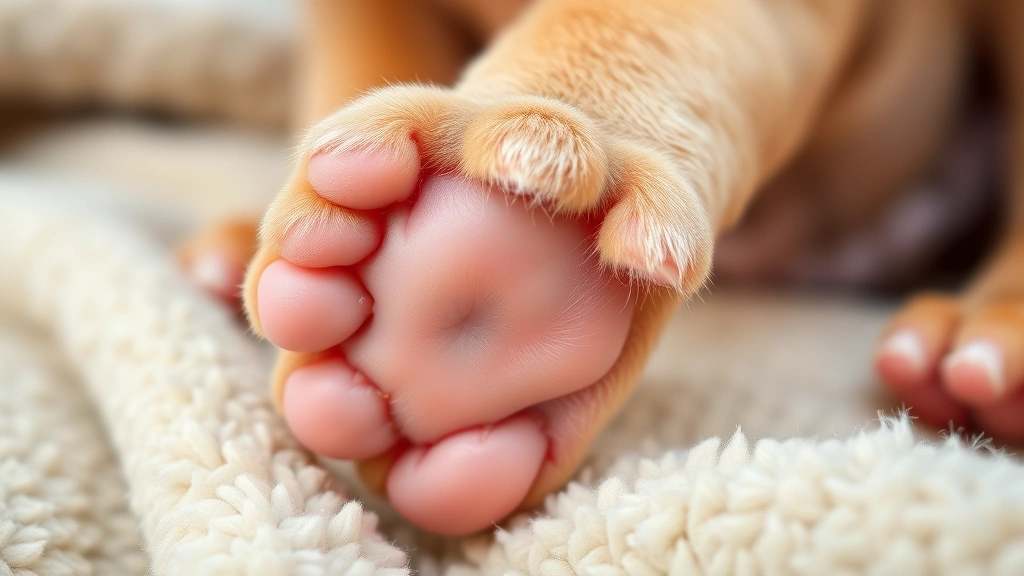
Yeast or bacterial infections respond well to targeted treatment once identified. Your vet might recommend medicated baths, topical treatments, or oral medications depending on severity.
Behavioral licking (sometimes called acral lick dermatitis) develops when stress or anxiety drives the behavior. Managing the underlying emotional cause is key, along with environmental enrichment and sometimes behavioral support.
The important thing to remember: most causes of paw licking are treatable. You just need the right diagnosis first.
What to Prepare Before Your Online Vet Appointment
A little preparation makes your telehealth visit more productive and helps the vet give you better guidance.
Gather this information before your call:
- Your puppy’s complete health history, including any previous skin issues or allergies
- A list of all foods and treats your puppy currently eats
- Recent photos or video of your puppy licking or chewing their paws (if you have them)
- Notes on when the licking started and what was happening in your puppy’s life at that time
- Information about your home environment (recent changes, new cleaning products, flooring changes, etc.)
- Details about your puppy’s daily routine, exercise level, and stress factors
Having this ready means less fumbling during the appointment and more time for the vet to focus on solving the problem.
The Advantages of Telehealth for Paw Licking Concerns
Online vet consultations offer real benefits when your puppy won’t stop licking their paws. You get answers faster, often without the stress of traveling to a clinic with a young dog.
Telehealth is ideal for initial assessments and ruling out urgent conditions. If your puppy is licking but otherwise eating, playing, and acting normal, a quick video call can often provide enough clarity to move forward confidently.
You also have the flexibility to schedule around your life. Many telehealth services offer evening and weekend appointments, so you’re not juggling work or childcare to get your puppy checked out.
If the vet determines your puppy needs in-person diagnostics (like a skin scraping or allergy testing), they can guide you toward the next steps and even coordinate with a local clinic if needed.
When Your Puppy Needs In-Person Care
Sometimes an online consultation reveals that your puppy needs hands-on examination or testing. This is completely normal and doesn’t mean telehealth failed—it just means you now have a clear direction.
If your vet suspects a skin infection, they may recommend a cytology test (looking at skin cells under a microscope) or a fungal culture. These require in-person collection but give definitive answers.
Severe cases with visible wounds, signs of systemic infection, or signs that your puppy is in significant pain may warrant urgent in-person evaluation. Knowing the emergency signs helps you decide how quickly to act.
The benefit of starting with telehealth is that you’re not guessing anymore. You have professional guidance on whether in-person care is truly needed right now.
Home Care Tips While You Wait for Your Appointment
If you’re waiting for your telehealth consultation or following up on vet recommendations, these gentle at-home steps may help soothe your puppy’s paws.
Keep paws clean and dry. Gently wash your puppy’s paws with warm water after outdoor time, especially if they’ve been in wet grass or muddy areas. Dry thoroughly between the toes.
Avoid irritants. If you suspect an environmental trigger, try to minimize exposure. This might mean changing cleaning products, reducing time on freshly treated lawns, or adjusting bedding.

Provide mental stimulation. Bored puppies lick more. Puzzle toys, training sessions, and interactive play reduce stress-driven licking.
Distraction techniques. When you notice your puppy starting to lick excessively, redirect to a toy or activity. Positive reinforcement works better than punishment.
Avoid excessive bathing. While cleanliness matters, over-bathing can dry out skin and worsen itching. Use lukewarm water and gentle, unscented products.
Cost and Accessibility of Online Vet Consultations
One reason pet owners love telehealth is affordability. Online consultations typically cost less than in-person visits, making it easier to get professional guidance without breaking the bank.
Most telehealth services charge between $50 and $150 for a standard consultation, though prices vary by provider and appointment length. Compare this to a typical in-person vet visit, which often runs $100-$300 before any diagnostics or treatments.
If you are unsure whether your pet needs urgent care, a quick telehealth check-in can give you peace of mind—no appointment needed with many providers. You can often schedule same-day or next-day appointments, which beats waiting a week for an in-person slot.
Some pet insurance plans cover telehealth consultations, so check your policy. Even without insurance, the low cost makes it an accessible first step for concerned puppy parents.
Frequently Asked Questions
Can a vet diagnose paw licking issues just from a video call?
A vet can often provide a strong preliminary assessment and rule out urgent concerns based on what they see and hear. For definitive diagnosis of infections or parasites, in-person testing may be needed, but the telehealth visit gets you 90% of the way there.
Is it normal for puppies to lick their paws?
Some licking is normal exploratory behavior, but frequent, obsessive licking—especially if it’s causing redness or hair loss—signals an underlying issue worth investigating with a vet.
How quickly can I get a telehealth appointment for my puppy?
Most telehealth providers offer same-day or next-day availability. Some platforms allow you to schedule within hours, making it much faster than traditional vet clinics.
What if the online vet thinks my puppy needs antibiotics or other medication?
Many telehealth vets can prescribe medications directly or send a prescription to your local pharmacy. Your vet will explain what to expect and how to administer any treatments at home.
Will an online vet visit replace my puppy’s regular checkups?
Telehealth is great for acute concerns like paw licking, but your puppy still needs in-person annual wellness exams, vaccinations, and preventive care. Telehealth supplements rather than replaces traditional veterinary relationships.
What to Do Now: Your Next Steps
Ready to get answers about your puppy’s paw licking? Here’s exactly what to do:
- Schedule a telehealth consultation today. Search for “online vet” or “pet telehealth” and choose a licensed provider. Many offer instant booking with no waiting.
- Gather your puppy’s health information and recent observations. Write down when the licking started, what you’ve noticed, and any dietary or environmental changes. This makes your appointment more efficient.
- Prepare your phone or camera for the video call. Make sure you have good lighting and a way to show the vet your puppy’s paws clearly.
- Follow the vet’s recommendations exactly. Whether they suggest home care, in-person diagnostics, or preventive measures, consistency matters for results.
- Schedule any follow-up appointments or in-person visits if recommended. Telehealth is a starting point; your vet will guide you on next steps based on what they find.
Summary: You Have Options, and Help Is Nearby
Your puppy’s constant paw licking doesn’t have to remain a mystery. Yes, you can talk to a vet about puppy licking paws online—and it’s often the smartest first move. Telehealth gives you fast, affordable access to professional guidance without the hassle of clinic visits.
Whether your puppy is dealing with allergies, parasites, an infection, or behavioral licking, a licensed vet can help you identify the cause and create a treatment plan. Most cases are highly manageable once diagnosed.
Don’t wait and worry. Reach out to a telehealth provider today and get your puppy the answers they deserve. Your peace of mind—and your puppy’s comfort—are worth it.