
If your dog is experiencing frequent diarrhea, mucus in their stool, or urgent bathroom trips, you might be dealing with canine stress colitis—a condition where your pup’s colon becomes inflamed in response to emotional or physical stress. The good news? This condition is manageable, and catching it early puts you in a great position to help your furry friend feel better.
Table of Contents
- What Is Canine Stress Colitis?
- Common Symptoms Your Dog Might Be Showing
- How Vets Diagnose Stress Colitis in Dogs
- Medications That Help Manage Canine Stress Colitis
- Dietary Changes That Support Recovery
- Stress Management and Environmental Changes
- When to Seek Urgent Veterinary Care
- How Long Does Recovery Take?
- Preventing Future Episodes of Stress Colitis
- Telehealth: A Convenient Option for Stress Colitis Concerns
- What To Do Now
- Summary: Managing Canine Stress Colitis Effectively
- Frequently Asked Questions
This article is for informational purposes only and is not a substitute for professional veterinary advice. Always consult a licensed veterinarian for diagnosis and treatment.
What Is Canine Stress Colitis?
Canine stress colitis occurs when your dog’s colon becomes inflamed due to stress, dietary changes, or environmental triggers. Unlike inflammatory bowel disease (IBD), which is a chronic condition, stress colitis often develops quickly and can improve with proper management and treatment.
Your dog’s digestive system is incredibly sensitive to emotional shifts. A move to a new home, a change in routine, separation anxiety, or even a visit to the vet can trigger inflammation in the colon. The result? Loose stools, urgency to defecate, and sometimes visible mucus or blood in the stool.
The encouraging part: many dogs respond well to treatment within days to weeks, especially when the underlying stressor is identified and managed.
Common Symptoms Your Dog Might Be Showing
Recognizing the signs early is crucial. Here are the most common symptoms of canine stress colitis:
- Frequent, loose stools or diarrhea
- Straining to defecate or urgency
- Mucus or blood in stool
- Increased frequency of bowel movements
- Abdominal discomfort or tenderness
- Loss of appetite or decreased interest in food
- Behavioral changes like restlessness or anxiety
If your dog shows these signs, it’s worth scheduling a vet appointment. Early intervention prevents complications and helps your dog return to normal faster.
How Vets Diagnose Stress Colitis in Dogs
Your veterinarian will start with a thorough history and physical examination. They’ll ask about recent changes in your dog’s environment, diet, or routine—all potential triggers for stress colitis.
Diagnostic tools may include:
- Fecal examination to rule out parasites or infections
- Blood work to assess overall health
- Abdominal ultrasound or X-rays if needed
- Colonoscopy in some cases to visualize the colon directly
This thorough approach ensures your vet isn’t missing a more serious underlying condition. Once stress colitis is confirmed, treatment can begin right away.
Medications That Help Manage Canine Stress Colitis
While there’s no single “cure” for stress colitis, several medications can reduce inflammation, soothe the colon, and help your dog feel better quickly. Your vet will choose based on your dog’s specific symptoms and health history.
Anti-Inflammatory Medications
These medications reduce colon inflammation and are often the first line of treatment. They work by calming the immune response in the digestive tract and can provide relief within 24-48 hours for many dogs.
Your veterinarian may recommend specific anti-inflammatory options tailored to your dog’s needs. These are typically very effective for stress-related inflammation.
Antibiotics (When Appropriate)
If secondary bacterial overgrowth is suspected, your vet may recommend a short course of antibiotics. This helps restore balance to your dog’s gut flora and prevents complications.
Antibiotics are usually prescribed for 7-14 days and work alongside other treatments to speed recovery.
Probiotics and Gut Support
Probiotics like those found in Fortiflora and other canine probiotic supplements help restore healthy bacteria in the gut. A balanced microbiome is essential for colon health and can prevent stress colitis from recurring.
These are safe, gentle, and often recommended as part of long-term management even after acute symptoms resolve.
Antidiarrheal Agents
Your vet may suggest medications to reduce diarrhea and help your dog feel more comfortable. These work by slowing intestinal movement and allowing better water absorption.
These are typically short-term solutions used alongside other treatments, not standalone fixes.
Dietary Changes That Support Recovery
What your dog eats plays a huge role in managing stress colitis. A bland, easily digestible diet gives the colon time to heal without additional irritation.
Common dietary recommendations include:
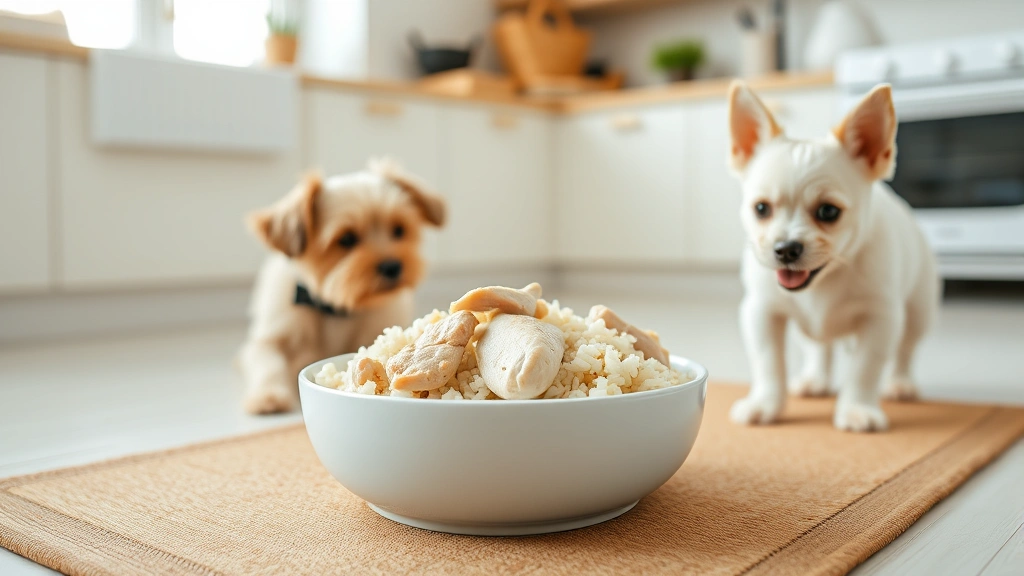
- Bland protein sources: Boiled chicken, turkey, or lean ground beef
- Easy-to-digest carbs: White rice, sweet potato, or pumpkin puree
- Avoid high-fat foods: These can irritate an inflamed colon
- Gradual transitions: When returning to regular food, mix in the new diet slowly over 7-10 days
- Smaller, frequent meals: Instead of one or two large meals, offer three to four smaller portions daily
Many vets recommend a prescription digestive care diet during the acute phase. These are formulated specifically to minimize colon irritation while providing balanced nutrition.
Catching dietary issues early and making adjustments puts your dog on the path to recovery. Most dogs show improvement within 3-5 days of dietary changes combined with medication.
Stress Management and Environmental Changes
Since stress is the root cause of this condition, identifying and reducing stressors is just as important as medication. Think about what changed in your dog’s life recently.
Consider these stress-reduction strategies:
- Maintain a consistent daily routine for feeding, walks, and playtime
- Create a safe, quiet space where your dog can retreat
- Use calming supplements or pheromone diffusers if recommended by your vet
- Increase gentle exercise and mental stimulation (without overexertion)
- Minimize exposure to loud noises, new pets, or major household changes
- Practice patience—recovery takes time, and your calm demeanor helps
Dogs are incredibly perceptive and pick up on our stress too. Taking care of your own well-being indirectly supports your dog’s recovery.
When to Seek Urgent Veterinary Care
While most cases of canine stress colitis respond well to treatment, some situations require immediate attention. Contact your vet or an emergency clinic if your dog shows:
- Severe or bloody diarrhea that doesn’t improve within 24 hours
- Signs of dehydration (dry gums, lethargy, sunken eyes)
- Severe abdominal pain or distension
- Vomiting alongside diarrhea
- Fever or signs of systemic illness
- Inability to eat or drink
These symptoms could indicate a more serious condition requiring immediate intervention. Don’t hesitate to reach out—your vet would rather evaluate your dog and confirm everything is okay than miss something important.
How Long Does Recovery Take?
The timeline varies, but most dogs with stress colitis show significant improvement within 1-2 weeks of starting treatment. Some respond even faster—within just a few days.
Factors affecting recovery include:
- How quickly the underlying stressor is identified and removed
- Your dog’s age and overall health
- How consistently you follow dietary and medication recommendations
- The severity of the initial inflammation
After acute symptoms resolve, continue probiotics and dietary support for several weeks to prevent relapse. Your vet will guide you on when it’s safe to transition back to your dog’s regular diet and routine.
Preventing Future Episodes of Stress Colitis
Once your dog recovers, you’ll want to prevent stress colitis from coming back. This means staying alert to your dog’s emotional and physical triggers.
Prevention strategies include:
- Keep a consistent routine—dogs thrive on predictability
- Introduce changes gradually (new foods, new environments, new pets)
- Monitor for early signs of stress or anxiety
- Maintain a high-quality diet suited to your dog’s needs
- Keep probiotics on hand for quick intervention if needed
- Address underlying anxiety issues with your vet or a certified trainer
Understanding your dog’s unique stressors gives you the power to prevent future flare-ups and keep their digestive system healthy long-term.
Telehealth: A Convenient Option for Stress Colitis Concerns
If you’re unsure whether your dog needs urgent care or want a second opinion on treatment, a quick telehealth check-in can give you peace of mind—no appointment needed. Many pet owners find telehealth particularly helpful for follow-up questions about medication side effects, dietary concerns, or progress monitoring.
The Pet Vet and similar telehealth platforms make it easy to connect with a licensed veterinarian from home, which is especially helpful if your dog has anxiety about vet visits (ironically, a common stress trigger for colitis!).
What To Do Now
If you suspect your dog has canine stress colitis, here are your next steps:
- Schedule a vet appointment: Get a professional diagnosis to rule out other conditions. If you need urgent guidance, consider a telehealth consultation for faster answers.
- Document symptoms: Note when diarrhea occurs, what the stool looks like, and any behavioral changes. This information helps your vet pinpoint the cause.
- Identify recent stressors: Think about changes in routine, diet, environment, or family dynamics. This insight is invaluable for treatment planning.
- Prepare for dietary changes: Have bland proteins and rice on hand before your vet visit. Starting a bland diet immediately can provide relief while you wait for medication.
- Ask about probiotics: During your vet visit, ask whether probiotics would benefit your dog during recovery and long-term.
Summary: Managing Canine Stress Colitis Effectively
Canine stress colitis is a treatable condition that responds well to a combination of medication, dietary management, stress reduction, and environmental adjustments. While it’s concerning to see your dog uncomfortable, the prognosis is excellent when caught early and managed properly.
The key is acting quickly, working closely with your veterinarian, and being patient as your dog’s system heals. Most dogs return to normal within weeks, and with prevention strategies in place, you can significantly reduce the risk of future episodes.
Remember: your dog’s digestive health is closely tied to their emotional well-being. By addressing both the physical symptoms and the stress triggers, you’re setting your pup up for long-term wellness.
Frequently Asked Questions
Can stress colitis in dogs go away on its own?
Mild cases may improve with rest and stress reduction, but treatment accelerates recovery significantly. Most vets recommend medication and dietary support to prevent complications and ensure faster healing.
Is canine stress colitis the same as inflammatory bowel disease?
No. Stress colitis is acute and often triggered by specific stressors, while IBD is chronic and requires long-term management. Your vet can distinguish between the two through testing.
How long will my dog need to stay on medication?
Most dogs need medication for 1-4 weeks, depending on severity. Your vet will reassess and adjust as symptoms improve. Probiotics may be recommended longer-term for gut health.
What foods should I avoid if my dog has stress colitis?
Avoid high-fat foods, dairy, spicy treats, and sudden dietary changes. Stick to bland proteins and easily digestible carbs until your vet clears a return to regular food.
Can I give my dog over-the-counter medication for diarrhea?
Always consult your vet before giving any medication. Some over-the-counter options can mask serious conditions or interact with prescribed treatments. Your vet will recommend safe options appropriate for your dog.
For more information on colitis in dogs and related digestive conditions, check out our comprehensive guide on colitis in dogs. You can also learn about vomiting in dogs if your pup is experiencing multiple digestive symptoms.