
If you’ve noticed small, wart-like growths appearing in your dog’s mouth or on their skin, you may be dealing with canine viral papilloma—a common viral infection that affects many dogs, especially puppies and younger dogs. The good news? While these growths can look alarming, most cases resolve on their own within a few months, and there are several effective management strategies to help your pup feel more comfortable in the meantime.
Table of Contents
- What Is Canine Viral Papilloma?
- Common Symptoms to Watch For
- Understanding the Natural Course of the Infection
- Treatment Options for Canine Viral Papilloma
- Nutritional Support and Immune Health
- Managing Secondary Infections
- Related Conditions and When to Seek Help
- Prevention and Reducing Transmission Risk
- Summary and Key Takeaways
- Frequently Asked Questions
- What To Do Now
This article is for informational purposes only and is not a substitute for professional veterinary advice. Always consult a licensed veterinarian for diagnosis and treatment.

What Is Canine Viral Papilloma?
Canine viral papilloma is an infection caused by the canine papillomavirus (CPV), which creates small, benign growths that typically appear as wart-like bumps. These growths most commonly develop inside the mouth, but they can also show up on the skin, eyelids, or other areas of the body. The virus spreads through direct contact with infected dogs or contaminated surfaces.

The condition is especially common in puppies and young dogs whose immune systems are still developing. It’s not contagious to humans or other species—only to other dogs—so you don’t need to worry about catching it yourself.

Common Symptoms to Watch For
The hallmark sign of canine viral papilloma is the appearance of small, cauliflower-like growths, usually inside the mouth. You might notice your dog has difficulty eating, drooling more than usual, or showing reluctance to pick up toys or treats. Some dogs may also have bad breath or seem uncomfortable when eating.

Catching this early puts you in a great position to help manage the condition before it becomes bothersome. Other potential signs include:

- Visible bumps or warts in the mouth, on the lips, or on the skin
- Pawing at the mouth or face
- Difficulty swallowing
- Bleeding or discharge from the affected area
- Swollen lymph nodes in severe cases
If your dog is experiencing any of these symptoms, a veterinary evaluation can confirm whether canine viral papilloma is the culprit or if another condition needs attention.

Understanding the Natural Course of the Infection
One of the most reassuring facts about canine viral papilloma is that it typically resolves on its own. In most cases, the immune system clears the virus within 1 to 3 months, and the growths gradually shrink and disappear. This means many dogs don’t require aggressive treatment—just monitoring and supportive care.

However, some dogs may take longer to clear the infection, and in rare cases, the growths can become secondarily infected or cause significant discomfort. This is where treatment options come into play.

Treatment Options for Canine Viral Papilloma
There’s no single “cure” for canine viral papilloma, but several approaches can help manage symptoms and support your dog’s recovery. Your veterinarian will recommend the best option based on the severity of your dog’s condition and how much discomfort they’re experiencing.

Watchful Waiting
For mild cases where your dog isn’t experiencing pain or difficulty eating, your vet may recommend simply monitoring the growths over time. Regular check-ups allow your vet to track progress and step in if the situation changes. This approach avoids unnecessary procedures while giving the immune system time to do its job.
Surgical Removal
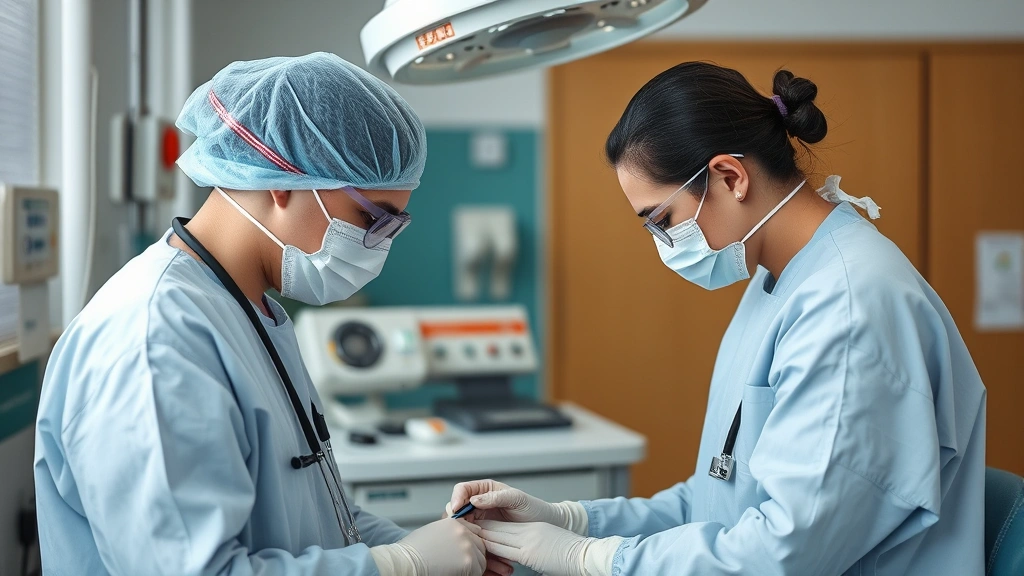
If the growths are causing significant discomfort, interfering with eating, or becoming infected, surgical removal may be recommended. This typically involves removing the papillomas under anesthesia. While this can provide immediate relief, it’s important to note that the virus may not be completely eliminated, so regrowth is possible in some cases.

Immunotherapy and Supportive Care
Supporting your dog’s immune system is crucial for fighting off the virus naturally. This includes ensuring proper nutrition, maintaining a healthy weight, and reducing stress. Some veterinarians may recommend immune-supporting supplements or treatments to help accelerate the body’s natural response.

Topical Treatments
For growths on the skin or accessible areas, topical treatments may help reduce inflammation and support healing. Your veterinarian can recommend safe options appropriate for your dog’s specific situation.

Nutritional Support and Immune Health
A strong immune system is your dog’s best defense against canine viral papilloma. Feeding high-quality, nutrient-dense food supports immune function and overall health. Ensure your dog is getting adequate protein, essential fatty acids, and vitamins like A, C, and E, which play key roles in immune response.

Avoid foods that may compromise immune health. If you’re unsure which foods are safe and beneficial for your dog during recovery, check out our guide on foods dogs should avoid and consult your vet about the best nutrition plan for your pup.

Additionally, maintaining appropriate portion sizes and feeding frequency helps prevent obesity, which can weaken immune response. Proper nutrition combined with consistent feeding schedules sets the stage for faster recovery.

Managing Secondary Infections
One complication to watch for is secondary bacterial infection of the papillomas, especially if your dog is scratching or pawing at the growths. Signs of infection include increased swelling, discharge, odor, or bleeding. If you notice these signs, contact your veterinarian promptly, as infected growths may require additional treatment.
Keeping the affected area clean and preventing your dog from traumatizing the growths can help avoid secondary infections. If your dog is licking or biting at the papillomas, your vet may recommend an Elizabethan collar or other protective measures.
Related Conditions and When to Seek Help
While canine viral papilloma is usually benign, it’s important to rule out other conditions that may present similarly. In some cases, what looks like papillomas could be warts in dogs caused by other factors, or even more serious growths that require different treatment approaches.
Additionally, if your dog has swollen lymph nodes in dogs along with papillomas, this may indicate a more systemic response to the infection. Conditions like ear polyps in dogs can sometimes occur alongside or be mistaken for viral papillomas.
If you’re unsure whether your dog needs urgent care or if the growths aren’t improving after a few months, a quick telehealth check-in can give you peace of mind—no appointment needed. The Pet Vet makes it easy to get professional guidance from home.
Prevention and Reducing Transmission Risk
While you can’t completely prevent canine viral papilloma, you can reduce your dog’s exposure to the virus. Limit contact with infected dogs, avoid sharing toys and food bowls between dogs, and maintain good hygiene practices. Keep your dog’s living environment clean and disinfected.
Puppies and young dogs are most susceptible, so extra precautions during these vulnerable years can help. That said, many dogs encounter the virus at some point, and most clear it without complications.
Summary and Key Takeaways
Canine viral papilloma is a common, usually self-limiting viral infection that affects many dogs, particularly puppies and younger animals. While the wart-like growths can look concerning, the majority of cases resolve within 1 to 3 months as the immune system clears the virus naturally.
The best approach involves monitoring your dog’s condition, supporting immune health through proper nutrition and care, and seeking veterinary intervention only when growths are causing significant discomfort or complications. With patience and good supportive care, most dogs recover fully without long-term effects.
Frequently Asked Questions
Is canine viral papilloma contagious to humans?
No, canine viral papilloma is not contagious to humans. The virus only affects dogs and spreads through direct contact between infected dogs.
How long does it take for canine viral papilloma to go away?
Most cases resolve within 1 to 3 months as the immune system clears the virus. However, some dogs may take longer, and regrowth is possible in rare cases.
Do all papillomas need to be surgically removed?
No. Mild cases that aren’t causing discomfort or eating difficulties often resolve on their own with watchful waiting. Surgery is typically recommended only when growths are problematic.
Can canine viral papilloma come back after treatment?
While uncommon, regrowth can occur if the underlying virus isn’t completely eliminated. However, most dogs develop immunity after their first infection.
What should I feed my dog to support recovery from papilloma?
High-quality, nutrient-dense food with adequate protein and essential fatty acids supports immune function. Your veterinarian can recommend specific diets tailored to your dog’s needs during recovery.
What To Do Now
- Schedule a veterinary examination: Have your dog evaluated by a licensed veterinarian to confirm the diagnosis and rule out other conditions that may require different treatment.
- Document the growths: Take photos of the papillomas and note any changes in size, appearance, or your dog’s symptoms. This helps your vet track progression over time.
- Optimize nutrition: Review your dog’s current diet with your veterinarian and make adjustments to support immune health and overall wellness during recovery.
- Prevent secondary infection: Keep the affected area clean, discourage licking or biting, and monitor for signs of infection like swelling, discharge, or odor.
- Follow up regularly: Schedule check-ins with your vet every 4 to 6 weeks to monitor progress. If you need quick guidance between appointments, The Pet Vet’s telehealth service is available for peace of mind.