
If you’ve noticed your cat squinting, pawing at their eyes, or dealing with discharge, cat eye infection treatment is likely on your mind right now. Eye infections in cats are uncomfortable and can escalate quickly if left untreated, but the good news is that most respond well to proper care and medication.
Table of Contents
- Why Do Cats Get Eye Infections?
- Common Signs Your Cat May Have an Eye Infection
- Understanding Cat Eye Infection Treatment Options
- Topical Antibiotics for Bacterial Eye Infections
- Antiviral Medications for Herpesvirus and Calicivirus
- Anti-Inflammatory Eye Drops and Ointments
- Lubricating Drops and Artificial Tears
- Oral Antibiotics and Antivirals
- Immunosuppressive Treatments for Chronic Cases
- How to Apply Eye Medications to Your Cat
- When to Seek Urgent Veterinary Care
- Supporting Your Cat’s Recovery at Home
- Prevention: Reducing Your Cat’s Infection Risk
- Understanding Feline Eye Health Long-Term
- Frequently Asked Questions
- What To Do Now
- Summary: Getting Your Cat’s Eyes Healthy Again
This article is for informational purposes only and is not a substitute for professional veterinary advice. Always consult a licensed veterinarian for diagnosis and treatment.
Cat eye infections are more common than many pet owners realize. Whether caused by bacteria, viruses, or fungi, these infections can range from mild conjunctivitis to serious corneal involvement. Understanding your treatment options—and recognizing when your cat needs help—puts you in the best position to support their recovery.
Why Do Cats Get Eye Infections?
Eye infections in cats develop for several reasons. Bacterial infections often follow trauma, scratches, or underlying viral issues. Viruses like feline herpesvirus (FHV-1) and feline calicivirus are common culprits in multi-cat households.
Environmental irritants, allergies, and even blocked tear ducts can create the perfect conditions for infection to take hold. Some cats are simply more prone to eye issues due to breed characteristics or immune system sensitivity.
Catching a problem early puts you in a great position to help your cat recover quickly and prevent complications.
Common Signs Your Cat May Have an Eye Infection
Your cat can’t tell you their eyes hurt, so watch for these telltale signs:
- Excessive tearing or watery discharge
- Thick, colored discharge (yellow, green, or blood-tinged)
- Squinting or keeping one or both eyes partially closed
- Redness around the eyelids or whites of the eyes
- Swelling of the eyelids or conjunctiva
- Pawing at or rubbing the eyes
- Light sensitivity or avoiding bright areas
- Cloudy appearance to the eye surface
If you notice any of these symptoms, a veterinary exam is essential. Some eye infections can damage vision if treatment is delayed.
Understanding Cat Eye Infection Treatment Options
Treatment depends entirely on what’s causing the infection. Your vet will perform an examination—and possibly a culture or stain test—to identify the culprit. Bacterial infections, viral infections, and fungal infections each require different approaches.
Most cat eye infection treatment involves topical medications applied directly to the eye, though oral medications sometimes play a supporting role. The goal is to eliminate the infection while reducing inflammation and discomfort.
Topical Antibiotics for Bacterial Eye Infections
When bacteria are the problem, topical antibiotic ointments and solutions are typically the first line of defense. These medications work by killing bacteria directly on the eye surface and are applied several times daily.
Common options include fluoroquinolone-based drops and aminoglycoside ointments. These penetrate the eye tissue well and reach therapeutic levels quickly. Your vet will recommend the specific frequency—usually every 2 to 6 hours depending on severity.
The advantage of topical antibiotics is that they deliver medication exactly where it’s needed with minimal systemic side effects. Consistency with application schedules is crucial for success.
Antiviral Medications for Herpesvirus and Calicivirus
Viral eye infections in cats, particularly those caused by feline herpesvirus, require a different approach. Topical antiviral medications can help suppress viral replication and reduce symptoms.
These medications may be combined with supportive care like lubricating drops and oral antivirals in more severe cases. Viral infections often take longer to resolve than bacterial ones, sometimes requiring weeks of consistent treatment.
Your vet may also recommend immune-support supplements or L-lysine supplementation, which some studies suggest may help manage herpesvirus-related eye disease in cats.
Anti-Inflammatory Eye Drops and Ointments
Inflammation is a major source of discomfort in eye infections. Anti-inflammatory medications—typically corticosteroid or non-steroidal options—reduce redness, swelling, and pain.
These are often used alongside antimicrobial treatments. However, steroids must be used cautiously in viral infections and only under veterinary supervision, as they can sometimes worsen certain conditions if the underlying cause isn’t properly identified.
Non-steroidal anti-inflammatory drops offer an alternative for cats where steroids aren’t appropriate.
Lubricating Drops and Artificial Tears
Even though they’re not medications in the traditional sense, lubricating drops play a vital supportive role in cat eye infection treatment. They keep the eye moist, flush away debris, and provide comfort during the healing process.
Cats with infections often produce less natural tear film, making artificial tears essential. These should be preservative-free when possible, as some preservatives can irritate already-sensitive eyes.
Using lubricating drops between antibiotic applications keeps the eye comfortable and supports faster healing.
Oral Antibiotics and Antivirals
While topical treatments handle most eye infections, some cats benefit from oral medications too. Systemic antibiotics may be prescribed when infection is severe, spreading, or affecting deeper eye structures.
Oral antivirals like famciclovir can be helpful for cats with recurrent herpesvirus-related eye disease. These work from the inside out to reduce viral load and prevent flare-ups.
Your vet will determine if your cat needs systemic medication based on the infection’s severity and location.
Immunosuppressive Treatments for Chronic Cases
Some cats experience chronic or recurrent eye infections, particularly those with underlying viral infections or immune compromise. In these cases, immunosuppressive medications may be considered.
These help regulate the immune system’s response and can reduce inflammation that perpetuates the infection cycle. Treatment plans for chronic cases are highly individualized and require close veterinary monitoring.
How to Apply Eye Medications to Your Cat
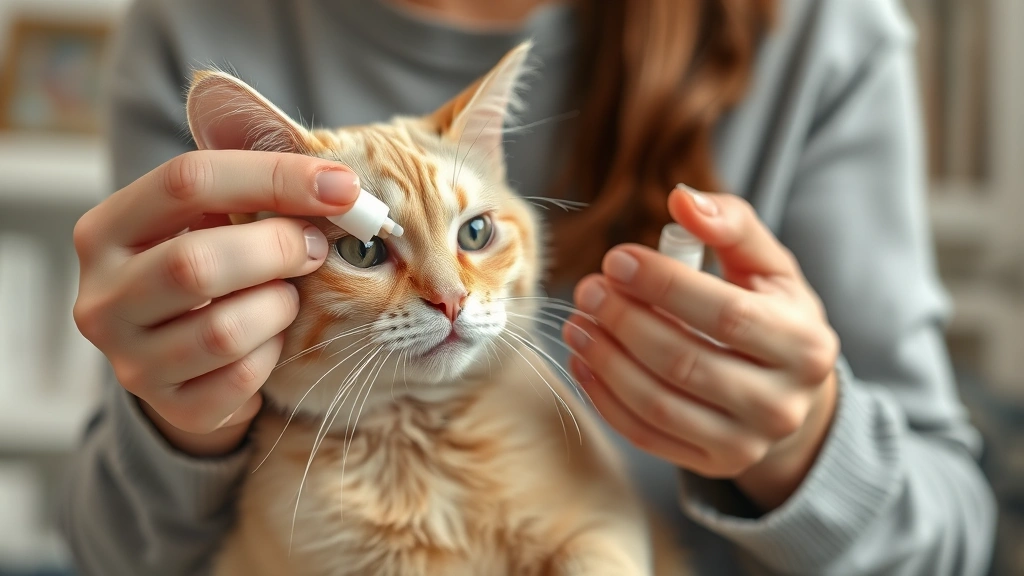
Getting medication into a cat’s eye can feel challenging, but proper technique makes it easier—and more effective. Here’s what works:
- Wash your hands thoroughly before handling your cat’s eye or any medications.
- Gently restrain your cat in a comfortable position, perhaps on your lap or a table. Calm, quiet handling reduces stress.
- Pull down the lower eyelid gently to create a small pocket.
- Apply the drop or small amount of ointment into that pocket without touching the eye surface with the applicator tip.
- Allow your cat to blink naturally to distribute the medication. You can gently hold the eyelid closed for a few seconds if needed.
- Wipe away excess with a clean tissue to prevent matting and keep the area clean.
- Reward your cat with praise or a treat to build positive associations.
If you’re struggling with application, ask your vet to demonstrate during your visit. Many clinics also offer brief training sessions to help pet owners feel confident.
When to Seek Urgent Veterinary Care
Most eye infections respond well to treatment, but some situations require immediate attention. Contact your vet urgently if you notice:
- Sudden vision loss or your cat bumping into objects
- A white or cloudy film over the eye (possible corneal ulcer)
- Severe swelling that closes the eye
- Blood in the eye or unusual discharge color
- Signs of pain like excessive squinting or aggression when the eye is touched
- No improvement after 3-5 days of treatment
If you’re unsure whether your pet needs urgent care, a quick telehealth check-in can give you peace of mind—no appointment needed. Early intervention often prevents complications that could affect your cat’s vision.

Supporting Your Cat’s Recovery at Home
Beyond medications, several home care strategies support healing:
- Keep the area clean: Gently wipe away discharge with a warm, damp cloth several times daily. Use a fresh cloth each time.
- Minimize irritants: Avoid dusty litter, smoke, and strong fragrances during treatment.
- Reduce stress: Provide a quiet, comfortable space where your cat can rest and recover.
- Monitor closely: Track which eye is affected, discharge color and amount, and any behavioral changes.
- Follow medication schedules: Set phone reminders to ensure consistent application. Skipped doses can allow infection to worsen.
Recovery timelines vary, but most bacterial infections improve within 5-7 days of treatment. Viral infections often take 2-4 weeks. Consistency is key—don’t stop medication early even if your cat looks better.
Prevention: Reducing Your Cat’s Infection Risk
While you can’t eliminate all risk, several steps reduce the likelihood of eye infections. Keep your cat’s environment clean, particularly if you have multiple cats. Regular nail trims reduce accidental scratches during play.
Ensure your cat is up-to-date on vaccines, particularly those protecting against feline herpesvirus and calicivirus. If your cat has a history of viral eye disease, discuss preventive strategies with your vet—including possible bacterial infections in cats that can follow viral flare-ups.
For cats prone to tear duct issues, similar to concerns seen in some dogs (learn more about tear duct blockage in dogs), regular eye checks catch problems early.
Understanding Feline Eye Health Long-Term
Cats with one episode of eye infection may never have another. However, some—particularly those with underlying viral infections—experience recurrence. Your vet can help you develop a long-term management plan if this applies to your cat.
Certain breeds and conditions like microphthalmia in cats come with inherent eye health challenges. Understanding your individual cat’s risk factors helps you stay proactive.
Regular wellness exams include eye checks, so your vet can catch early signs of problems before they become infections.
Frequently Asked Questions
How long does cat eye infection treatment typically take?
Most bacterial eye infections improve within 5-7 days of consistent treatment. Viral infections often require 2-4 weeks or longer. Always complete the full course even if your cat looks better.
Can I use human eye drops on my cat?
No—human eye medications are formulated differently and can harm your cat’s eyes. Always use medications prescribed or recommended by your veterinarian specifically for cats.
Is cat eye infection contagious to other cats?
Viral eye infections spread easily between cats, while bacterial infections are less contagious. Keep an infected cat separated from others during treatment when possible, and wash hands between handling cats.
What if my cat won’t let me apply eye drops?
Work with your vet on application techniques, use treats and positive reinforcement, or ask about ointment formulations (sometimes easier to apply than drops). Some vets can also apply medication during office visits if home application is impossible.
Can eye infections cause permanent vision loss in cats?
Untreated severe infections—especially those affecting the cornea—can cause permanent damage. Early treatment dramatically reduces this risk, which is why prompt veterinary care matters so much.
What To Do Now
- Schedule a veterinary exam as soon as possible if you notice any signs of eye infection. Your vet can identify the cause and recommend the right treatment approach.
- Gather information about your cat’s symptoms—which eye is affected, discharge appearance, when symptoms started—to share with your vet.
- Prepare for medication application by setting phone reminders for medication schedules and practicing gentle restraint techniques with your cat before treatment begins.
- Stock supplies like clean cloths, lubricating drops, and any prescribed medications before your first treatment day so nothing delays care.
- Monitor closely during treatment, tracking improvement or any changes that might indicate the need for a follow-up vet visit.
Summary: Getting Your Cat’s Eyes Healthy Again
Cat eye infection treatment is highly effective when you catch problems early and follow your vet’s recommendations consistently. Whether your cat needs topical antibiotics, antivirals, anti-inflammatory drops, or a combination approach, modern veterinary medicine offers proven solutions.
The key is recognizing symptoms quickly, getting a proper diagnosis, and committing to the full treatment course. Your cat’s eyes are precious—and with the right care, most infections resolve completely without lasting effects.
Don’t hesitate to reach out to your vet with questions or concerns during treatment. If you’re unsure about any aspect of your cat’s care, The Pet Vet telehealth services offer convenient access to professional guidance when you need it most.