
If your cat has been diagnosed with kidney disease, you’re probably wondering how to give them the best possible care—and cat kidney supplements might be part of that conversation. Chronic kidney disease (CKD) affects roughly one in three senior cats, and watching your beloved companion struggle can feel overwhelming. The good news? There are evidence-based supplements that, combined with proper diet and veterinary care, can help support your cat’s kidney function and quality of life.
Table of Contents
- Understanding Feline Kidney Disease and Why Supplements Matter
- What to Look for in Quality Cat Kidney Supplements
- The 7 Best Cat Kidney Supplements That Actually Work
- How Diet Works Alongside Supplements for Kidney Health
- Monitoring Your Cat’s Response to Supplements
- Common Mistakes to Avoid When Supplementing
- When to Consider a Telehealth Consultation
- Creating a Long-Term Kidney Care Plan
- Summary: Taking Action for Your Cat’s Kidney Health
- Frequently Asked Questions
- What To Do Now
This article is for informational purposes only and is not a substitute for professional veterinary advice. Always consult a licensed veterinarian for diagnosis and treatment.
Understanding Feline Kidney Disease and Why Supplements Matter
Kidney disease in cats happens when the kidneys gradually lose their ability to filter waste and maintain proper fluid balance. This is especially common in older cats, but it can affect cats of any age. Early signs might include increased thirst, more frequent urination, weight loss, or a decrease in appetite.
Supplements can’t reverse kidney damage, but they can help slow progression and ease symptoms. Think of them as supportive tools that work alongside diet changes and medical treatment—not replacements for veterinary care. Your vet can help you identify which supplements make sense for your cat’s specific situation.

What to Look for in Quality Cat Kidney Supplements
Not all supplements are created equal. When evaluating options, prioritize products that are third-party tested and made by reputable manufacturers. Look for supplements specifically formulated for renal support in cats, as feline physiology differs significantly from dogs.
Key ingredients to watch for include omega-3 fatty acids, phosphate binders, potassium, and antioxidants. Avoid anything with excessive sodium or phosphorus, which can strain already-compromised kidneys. Always check the label for fillers, artificial colors, or unnecessary additives.
The 7 Best Cat Kidney Supplements That Actually Work
1. Omega-3 Fatty Acid Supplements
Omega-3s (EPA and DHA) are among the most researched supplements for feline kidney health. These anti-inflammatory fatty acids can help reduce proteinuria (protein loss in urine) and slow the decline in kidney function. Fish oil is a common source, though some cats find it unpalatable.

Fish-based omega-3 supplements are available in liquid, capsule, or powder form. Many pet owners find that adding a small amount of fish oil to wet food works best. Talk to your vet about appropriate dosing, as it varies based on your cat’s weight and kidney stage.
2. Phosphate Binders
High phosphorus levels accelerate kidney disease progression in cats. Phosphate binders work by reducing how much phosphorus your cat’s body absorbs from food. These are often prescribed by vets but are available as over-the-counter supplements too.
Common phosphate binders include aluminum hydroxide and calcium carbonate. Since these affect mineral absorption, your vet needs to monitor your cat’s blood work regularly to ensure they’re working safely. This is one supplement category where professional guidance is especially important.

3. Potassium Supplements
Many cats with kidney disease develop low potassium (hypokalemia), which can cause muscle weakness and worsen kidney function. A potassium supplement may help if your cat’s bloodwork shows deficiency. However, some cats need to restrict potassium, so testing is essential before starting.
Potassium gluconate is a common form used in feline supplements. Your vet will monitor potassium levels through regular blood tests to ensure the supplement is helping without causing imbalance.
4. Antioxidant Supplements (Vitamins E and C)
Oxidative stress damages kidney tissue over time. Antioxidants like vitamins E and C help neutralize harmful free radicals and may slow kidney disease progression. Studies in cats show promise, though results vary.
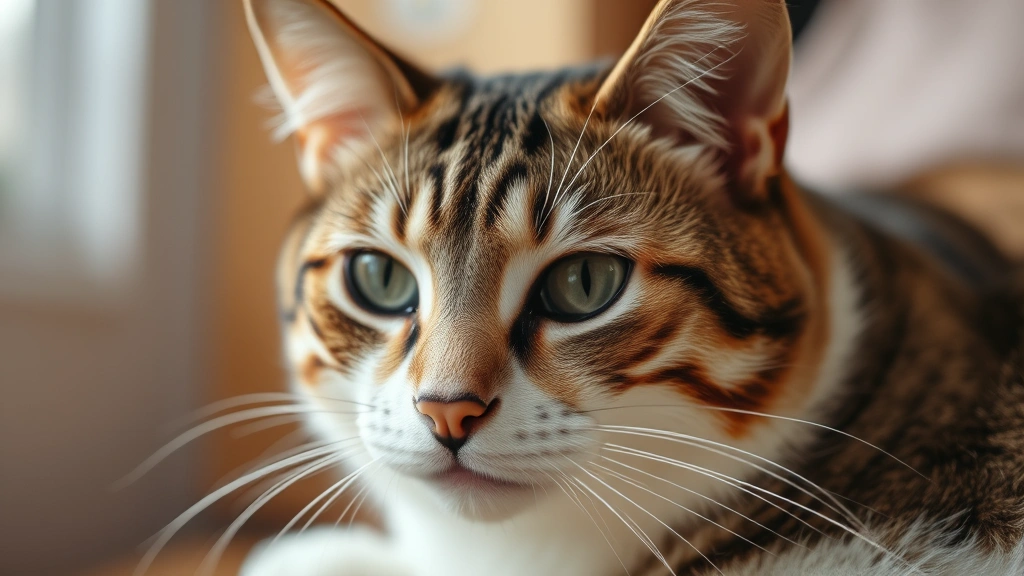
These vitamins are often included in kidney-specific supplement blends. They’re generally safe at recommended doses but should be part of a coordinated supplement plan with your vet, not added haphazardly on top of other treatments.
5. Calcitriol (Active Vitamin D)
Cats with advanced kidney disease often can’t activate vitamin D properly, which affects calcium balance and bone health. Calcitriol supplements help restore this function and may slow disease progression. This is typically prescribed by a vet rather than purchased over-the-counter.
Because calcitriol affects calcium and phosphorus metabolism, it requires careful monitoring through blood tests. Your vet will determine if this supplement is appropriate for your cat’s kidney stage.
6. Probiotics for Kidney Support
Emerging research suggests that specific probiotic strains may help reduce uremic toxins and support overall gut health in cats with kidney disease. A healthy gut microbiome can indirectly support kidney function by reducing systemic inflammation.
Look for probiotics specifically formulated for cats, not human or dog formulations. Consistency matters—probiotics need to be given regularly to be effective. Choose products with documented viability and refrigeration requirements clearly stated.
7. Combination Kidney Support Supplements
Many brands offer all-in-one kidney support formulas that combine several beneficial ingredients—omega-3s, antioxidants, and amino acids. These can be convenient and ensure balanced dosing of complementary compounds.

Popular brands often include ingredients like L-carnitine, taurine, and B vitamins alongside the core renal-support nutrients. Read labels carefully to understand what’s in the blend, and discuss the formula with your vet to ensure it aligns with your cat’s bloodwork and medical needs.
How Diet Works Alongside Supplements for Kidney Health
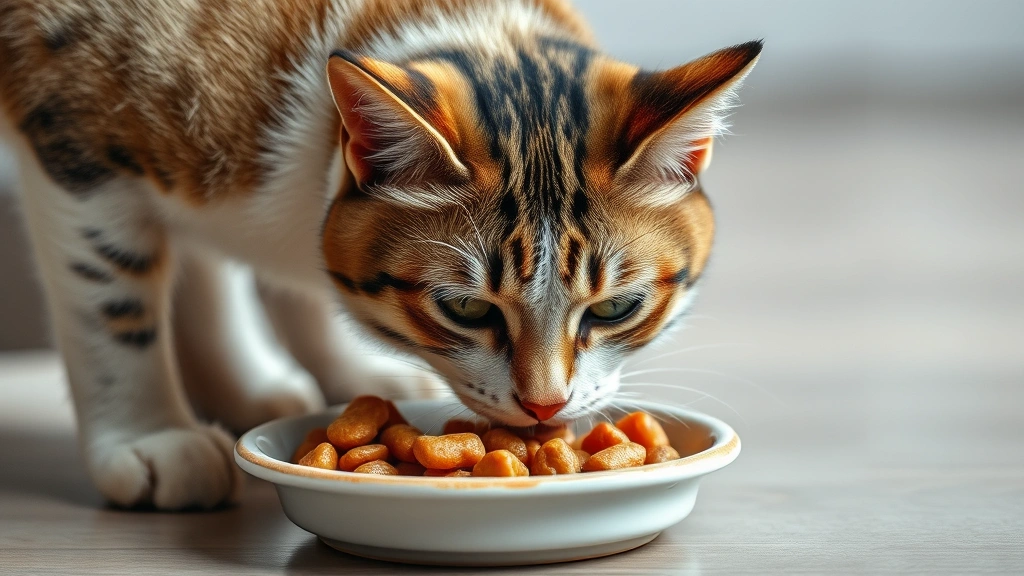
Supplements are most effective when paired with a kidney-appropriate diet. A renal diet is typically low in phosphorus and protein (moderate, high-quality protein), and carefully balanced in sodium and potassium. Your vet may recommend a prescription renal diet or suggest alternatives.
Some pet owners prefer preparing homemade renal diets for their cats, which allows complete control over ingredients. Others find that low phosphorus cat food options from commercial brands work well. The key is consistency—diet changes should be gradual and monitored by your vet.

If your cat also has other conditions like IBD, managing both simultaneously requires thoughtful planning. Check out guidance on IBD diet for cats if this applies to your situation. Your vet can help you find an approach that addresses multiple health concerns.
Monitoring Your Cat’s Response to Supplements
Start any new supplement slowly and watch for changes in appetite, energy, or litter box habits. Some cats experience mild digestive upset when first introduced to supplements, which usually resolves within a few days.
Regular bloodwork (typically every 3–6 months for cats with kidney disease) is essential. These tests show whether supplements are helping, whether adjustments are needed, and if any unwanted mineral imbalances are developing. Catching issues early puts you in a great position to help.

Keep a simple log of which supplements you’re giving, when you started them, and any observations about your cat’s response. This information helps your vet fine-tune your cat’s supplement plan over time.
Common Mistakes to Avoid When Supplementing
One major mistake is adding multiple supplements without vet approval. Too many supplements can create mineral imbalances or interact in unexpected ways. Always discuss your full supplement plan with your veterinarian before starting.
Another pitfall is assuming over-the-counter supplements are automatically safe because they’re available without a prescription. Quality, purity, and appropriate dosing vary widely. Stick with reputable brands and products specifically formulated for cats with kidney disease.

Don’t delay starting a therapeutic diet while waiting for supplements to “kick in.” Diet is the foundation of kidney disease management, and supplements enhance that foundation—not the other way around. Work with your vet to implement both simultaneously.
When to Consider a Telehealth Consultation
If you’re unsure which supplements are right for your cat, or if your cat’s kidney disease seems to be progressing despite current treatment, a telehealth consultation can be incredibly helpful. If you are unsure whether your pet needs urgent care, a quick telehealth check-in can give you peace of mind—no appointment needed.
Telehealth is especially useful for reviewing bloodwork results, discussing supplement options, or troubleshooting if your cat isn’t tolerating their current plan. You get expert guidance without the stress of a car ride for your already-compromised cat.

Creating a Long-Term Kidney Care Plan
Managing feline kidney disease is a marathon, not a sprint. A comprehensive plan includes regular vet visits, consistent diet, appropriate supplements, and ongoing monitoring. Different cats respond differently, so flexibility and patience are essential.
Work closely with your vet to establish a schedule for bloodwork, physical exams, and supplement adjustments. As your cat’s kidney function changes, their supplement needs may change too. What works beautifully at stage 2 CKD might need tweaking at stage 3.
Remember that you’re not alone in this journey. Many cat owners navigate kidney disease successfully for years, maintaining their cat’s comfort and quality of life. Your dedication to learning about supplements and treatment options is already making a real difference.

Summary: Taking Action for Your Cat’s Kidney Health
Cat kidney supplements can be a valuable part of a comprehensive approach to managing feline kidney disease. Omega-3 fatty acids, phosphate binders, potassium supplements, and antioxidants all have research supporting their use. The most effective strategy combines supplements with a kidney-appropriate diet, regular monitoring, and close partnership with your veterinarian.
Start by having a detailed conversation with your vet about your cat’s specific kidney stage and health profile. They can recommend which supplements make sense, help you avoid interactions or imbalances, and set up a monitoring schedule. Your cat is lucky to have someone so committed to their wellbeing.
Frequently Asked Questions
Can supplements alone treat feline kidney disease?
No, supplements cannot reverse or cure kidney disease. They work best as part of a complete plan that includes diet, medication, and regular veterinary monitoring. Think of them as supportive tools, not primary treatments.

How long does it take to see improvement from kidney supplements?
Some cats show subtle improvements in energy or appetite within 2–4 weeks, while benefits like slowed disease progression take months to assess. Your vet will use bloodwork to measure meaningful changes.
Are there supplements I should avoid if my cat has kidney disease?
Yes—avoid supplements high in phosphorus, sodium, or potassium without vet approval. Also skip unproven or heavily marketed supplements without clinical backing. Your vet can review any product you’re considering.
Can I give my cat kidney supplements without a vet’s permission?
While many supplements are available over-the-counter, it’s risky to start them without bloodwork and vet guidance. Mineral imbalances can worsen kidney disease, so professional oversight is important.

What’s the difference between prescription and over-the-counter kidney supplements?
Prescription supplements are often more concentrated and tailored to specific kidney stages, with stricter quality control. Over-the-counter options vary widely in quality and potency. Your vet can recommend which type suits your cat best.
What To Do Now
- Schedule a vet appointment to discuss your cat’s current kidney stage, recent bloodwork results, and whether supplements are appropriate for their situation.
- Request a supplement recommendation list from your vet, including specific brands they trust and any they advise against for your cat’s condition.
- Review your cat’s current diet with your vet to ensure it’s kidney-appropriate; if not, discuss transitioning to a therapeutic renal diet or alternatives.
- Establish a monitoring schedule with your vet for bloodwork and check-ins, typically every 3–6 months, to track how supplements and diet are working.
- Keep detailed records of which supplements you’re giving, start dates, and any changes you notice in your cat’s behavior, appetite, or litter box habits to share with your vet.