
When your cat hasn’t used the litter box in a day or two, constipation can become a real source of worry—and understanding proper cat laxative dosage is your first step toward helping your feline friend feel better. Constipation in cats is more common than many pet owners realize, and while it’s often manageable at home, knowing the right approach matters tremendously for your cat’s safety and comfort.
Table of Contents
- Why Cat Constipation Happens
- Types of Laxatives Available for Cats
- Never Guess on Cat Laxative Dosage
- How Your Vet Determines the Right Approach
- Natural and Over-the-Counter Options
- Signs Your Cat Needs Immediate Veterinary Care
- Preventing Constipation Long-Term
- The Role of Hydration in Feline Health
- When to Consider Telehealth Support
- Working With Your Vet on an Ongoing Plan
- Frequently Asked Questions
- Summary: Taking Action for Your Cat’s Comfort
- What To Do Now
This article is for informational purposes only and is not a substitute for professional veterinary advice. Always consult a licensed veterinarian for diagnosis and treatment.
Why Cat Constipation Happens
Cats can experience constipation for several reasons, from dehydration and lack of exercise to dietary changes or underlying health conditions. Indoor cats are particularly prone to constipation because they tend to move less and drink less water than their outdoor counterparts.
Understanding the root cause is essential before reaching for any laxative. Sometimes what looks like constipation might actually signal something more serious that needs veterinary attention.
Types of Laxatives Available for Cats
Not all laxatives work the same way, and not all are appropriate for every cat. Your veterinarian can help determine which type suits your cat’s specific situation.
- Bulk-forming laxatives: These add fiber and help absorb water, making stools softer and easier to pass.
- Stool softeners: These help retain moisture in the stool, reducing straining and discomfort.
- Osmotic laxatives: These draw water into the intestines, encouraging bowel movements.
- Stimulant laxatives: These work by increasing intestinal muscle contractions, though they’re typically reserved for more stubborn cases.
Each category has different considerations, and some may be safer for long-term use than others. Dietary adjustments like an IBD diet for cats can sometimes complement laxative therapy when constipation is tied to digestive sensitivities.
Never Guess on Cat Laxative Dosage
This is crucial: never administer any laxative without veterinary guidance. Dosing depends on your cat’s weight, age, overall health, kidney function, and the specific product being used. What’s safe for a 15-pound adult cat could be harmful for a 6-pound senior or a kitten.
Overdosing on laxatives can lead to dehydration, electrolyte imbalances, and other serious complications. Catching constipation early and working with your vet puts you in a great position to help your cat safely.
How Your Vet Determines the Right Approach
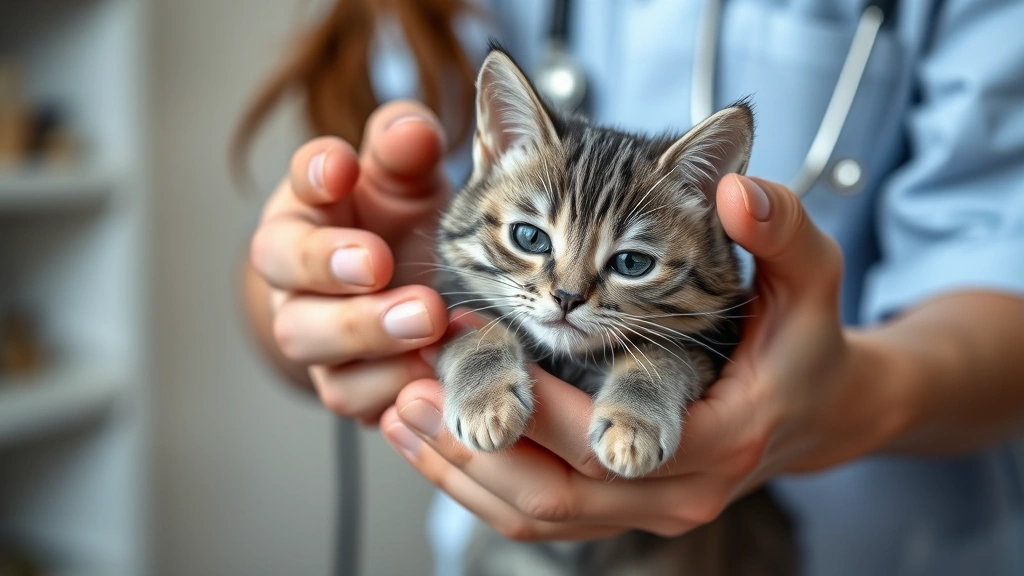
When you bring your cat in for constipation concerns, your veterinarian will perform a physical exam and may recommend imaging (like X-rays) to assess how severe the blockage is. They’ll also review your cat’s medical history and current medications, as some drugs can contribute to constipation.
Only after this evaluation will they recommend a specific laxative type and discuss safe administration methods with you. They might also suggest avoiding certain foods cats should avoid that could worsen the problem.
Natural and Over-the-Counter Options
Many pet owners prefer starting with gentler, over-the-counter options. Pumpkin puree (plain, not pie filling) is a popular home remedy that adds fiber and moisture to your cat’s diet.
Increasing water intake through wet food, water fountains, or bone broth can also help. However, even these seemingly harmless approaches should be discussed with your vet first, especially if your cat has kidney disease or other chronic conditions.
Signs Your Cat Needs Immediate Veterinary Care
While mild constipation is often manageable, certain symptoms warrant urgent attention. If your cat shows signs of pain, vomiting, loss of appetite, or hasn’t had a bowel movement in more than 48-72 hours, contact your veterinarian right away.
Severe constipation can develop into a life-threatening condition called megacolon, where the colon becomes enlarged and loses its ability to function. Getting prompt care prevents this progression.
Preventing Constipation Long-Term
Once your cat recovers, prevention becomes your best tool. Ensure fresh water is always available—consider a proper age-appropriate feeding frequency that supports digestive health.
Encourage exercise through play, maintain a consistent routine, and monitor litter box habits closely. Many vets recommend a diet higher in moisture and fiber for cats prone to constipation.
The Role of Hydration in Feline Health
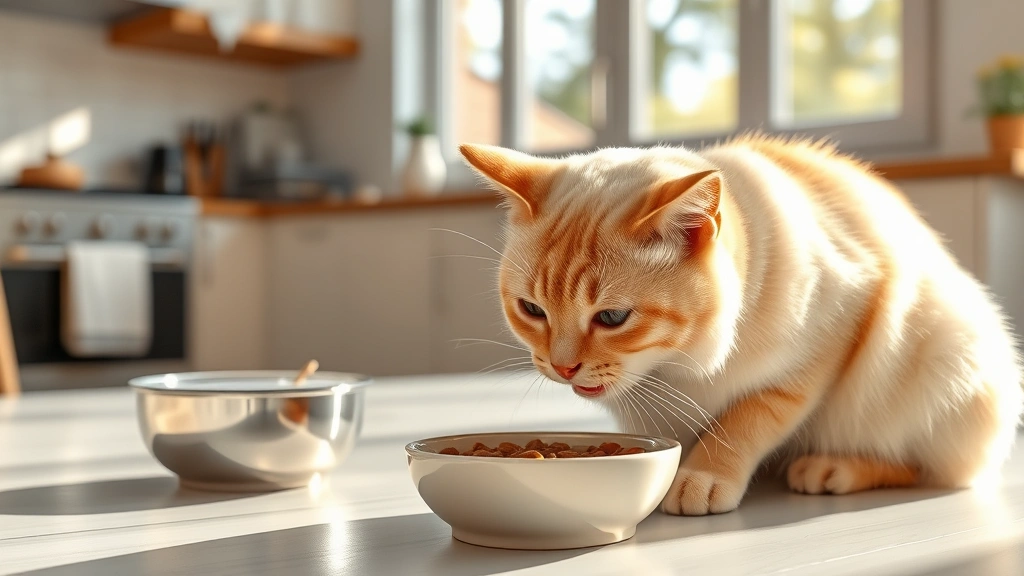
Dehydration is one of the biggest culprits behind cat constipation. Cats have a naturally low thirst drive, so they rely heavily on moisture from food. Switching to wet food or adding water to dry kibble can make a real difference.
Some cats respond well to water fountains, which encourage drinking through movement and fresh, aerated water. Proper hydration supports not just digestive health but overall wellness.
When to Consider Telehealth Support
If you’re unsure whether your cat needs urgent in-person care or just want to discuss constipation concerns without scheduling a full appointment, a quick telehealth check-in can give you peace of mind—no appointment needed. Many pet owners find this helpful for getting professional guidance on whether home management is appropriate or if a vet visit is necessary.
Working With Your Vet on an Ongoing Plan
Constipation in cats often requires a multi-faceted approach. Your veterinarian might recommend a combination of dietary changes, increased hydration, appropriate laxative therapy, and behavioral modifications.
Regular follow-up appointments help ensure the plan is working and allow your vet to adjust recommendations as needed. Some cats benefit from periodic check-ins to monitor their digestive health.
Frequently Asked Questions
Can I give my cat the same laxative I use?
No. Human laxatives are formulated differently and can be dangerous for cats. Always use products specifically designed for feline use, and only under veterinary guidance.
How long does it take for a laxative to work in cats?
This depends on the type of laxative and your cat’s individual response. Some work within hours, while others take a day or two. Your vet will explain what to expect with the specific product prescribed.
Is constipation in cats ever an emergency?
Yes. If your cat hasn’t had a bowel movement in 48-72 hours, shows signs of pain, or is vomiting, seek veterinary care immediately. Severe constipation can become life-threatening.
Should I try home remedies before calling the vet?
Minor constipation might improve with increased water intake and fiber. However, contact your vet before trying anything new, especially if your cat has other health conditions or takes medications.
Can diet changes alone prevent future constipation?
Often yes, but it depends on the underlying cause. A vet-approved diet rich in moisture and fiber, combined with proper hydration, prevents constipation in many cats. Your vet can recommend the best approach for your cat’s specific needs.
Summary: Taking Action for Your Cat’s Comfort
Understanding cat laxative dosage and constipation management empowers you to help your feline friend when they’re struggling. The key takeaway is simple: never self-prescribe laxatives, always consult your veterinarian, and focus on prevention through hydration and diet.
Constipation is treatable, and with the right professional guidance, most cats bounce back quickly. Your attentiveness to your cat’s litter box habits and overall wellness makes all the difference.
What To Do Now
- Monitor your cat’s litter box habits daily and note any changes in frequency or consistency.
- Schedule a veterinary appointment if your cat hasn’t had a bowel movement in 48 hours or shows discomfort.
- Increase your cat’s water intake by offering wet food, a water fountain, or adding water to dry kibble.
- Ask your vet about dietary adjustments, such as low phosphorus cat food or higher-fiber options suited to your cat’s age and health status.
- If you’re uncertain whether your cat needs urgent care, use The Pet Vet telehealth service for a quick professional consultation and peace of mind.
For additional guidance on feeding practices and safety, review our food safety feeding timeline to ensure your cat’s digestive routine supports optimal health.