
If your cat is straining to urinate, crying in the litter box, or having accidents outside their box, you may be dealing with a cat urinary tract infection home treatment situation that feels urgent and stressful. A urinary tract infection (UTI) in cats can be painful and uncomfortable, and it can feel overwhelming when you’re watching your beloved pet suffer. The good news? Catching this early puts you in a great position to help your cat feel better, and there are several evidence-based approaches you can use alongside professional veterinary care.
Table of Contents
- Table of Contents
- Understanding Feline UTIs
- When to Seek Veterinary Care
- 7 Home Remedies and Support Strategies
- Hydration: The Foundation of Recovery
- Dietary Adjustments for Urinary Health
- Environmental and Behavioral Support
- Monitoring and Prevention
- Frequently Asked Questions
- What To Do Now
- Summary: You’re in a Great Position to Help
This article is for informational purposes only and is not a substitute for professional veterinary advice. Always consult a licensed veterinarian for diagnosis and treatment.
Table of Contents
- Understanding Feline UTIs
- When to Seek Veterinary Care
- 7 Home Remedies and Support Strategies
- Hydration: The Foundation of Recovery
- Dietary Adjustments for Urinary Health
- Environmental and Behavioral Support
- Monitoring and Prevention
- Frequently Asked Questions
- What To Do Now
Understanding Feline UTIs
A urinary tract infection occurs when bacteria (or occasionally other pathogens) colonize your cat’s urethra, bladder, or urinary tract. Cats are particularly prone to urinary issues because of their naturally low thirst drive and concentrated urine. Understanding what’s happening in your cat’s body helps you respond with confidence and compassion.
UTIs are different from feline idiopathic cystitis (FIC), a condition where inflammation occurs without a bacterial infection. Both can cause similar symptoms, but they may require different treatment approaches. This is why a veterinary diagnosis is so important—your vet can run a urinalysis to determine the exact cause. You can learn more about what pet urinalysis color reveals about your cat’s urinary health.
When to Seek Veterinary Care
While home remedies can provide meaningful support, some situations require immediate professional attention. If your cat is unable to urinate at all, showing signs of extreme pain, has blood in the urine, or seems lethargic and unwell, contact your veterinarian or emergency clinic right away. A blocked urinary tract is a life-threatening emergency in male cats.
For other symptoms like frequent urination, straining, or accidents outside the box, scheduling a vet appointment within 24–48 hours is important. If you are unsure whether your pet needs urgent care, a quick telehealth check-in can give you peace of mind—no appointment needed. Your vet can confirm whether a UTI is present and discuss whether home care alone is appropriate or if antibiotics or other medications are necessary.
7 Home Remedies and Support Strategies
Home treatment for cat urinary tract infection focuses on creating an environment that supports healing and reduces recurrence. These seven approaches work best alongside—not instead of—professional veterinary guidance.
1. Increase Water Intake and Hydration
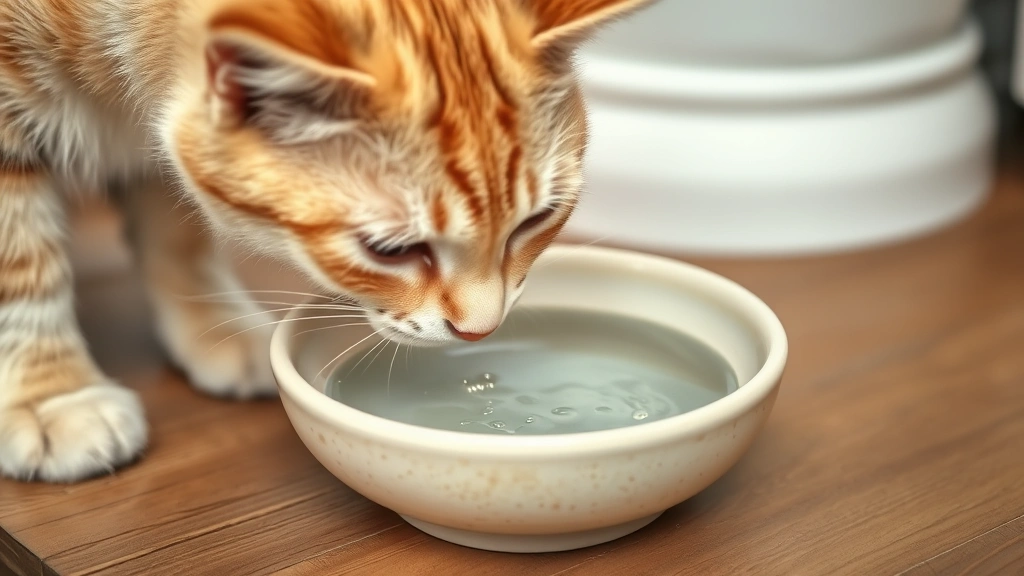
Hydration is the single most powerful tool you have. Dilute urine flows more freely and creates a less hospitable environment for bacteria. Encourage your cat to drink more by offering water in multiple locations, using a cat water fountain (many cats prefer moving water), or adding a small amount of low-sodium broth to their water bowl.
Some cats respond well to wet food, which increases overall fluid intake. Aim for your cat to produce pale, dilute urine rather than concentrated yellow urine. This simple shift can make a tremendous difference in recovery time.
2. Switch to a Moisture-Rich Diet
Wet or canned food is far superior to dry kibble for cats with urinary issues. Wet food naturally contains 70–80% moisture, while dry food contains only 10%. This higher moisture content supports kidney function and promotes urination, which helps flush bacteria from the system.
Look for high-quality, protein-rich wet foods formulated for urinary health. Some veterinarians recommend prescription diets designed specifically for cats with recurrent UTIs. Ask your vet whether adding cat kidney supplements might benefit your cat’s long-term urinary health.
3. Provide Cranberry or D-Mannose Supplements
Cranberry has long been used in human UTI prevention, and some evidence suggests it may help cats too. Cranberry contains compounds that may prevent bacteria from adhering to the urinary tract lining. D-mannose, a simple sugar, works on a similar principle.
These supplements come in powder or liquid form designed for cats. While they are not a cure for an active infection, they may help prevent recurrence when used consistently. Always check with your vet before starting any supplement, as interactions are possible.
4. Ensure Litter Box Cleanliness and Accessibility
A clean litter box encourages your cat to urinate regularly and completely, which helps flush the urinary system. Scoop daily and change litter every 2–3 days. Cats with UTIs may have increased urgency, so having multiple litter boxes in different locations reduces stress and ensures your cat can access one quickly.
The general rule is one box per cat plus one extra. Place boxes away from food and water bowls, and ensure they are large enough for your cat to move comfortably. A stressed cat may hold urine longer, which concentrates it and worsens inflammation.
5. Add Probiotics for Urinary Tract Health
Probiotics support the balance of healthy bacteria in your cat’s gut and urinary tract. A healthy microbiome can help prevent pathogenic bacteria from establishing infection. Look for feline-specific probiotic supplements formulated with strains beneficial to cats.
Probiotics work best as a preventive measure and may take 2–4 weeks to show full benefit. They are generally safe and well-tolerated, but discuss options with your vet to find the best product for your cat.
6. Use Warm Compresses for Comfort
While a warm compress won’t cure a UTI, it can ease discomfort and reduce inflammation. Soak a soft cloth in warm (not hot) water and gently apply it to your cat’s lower abdomen for a few minutes. This can be soothing during painful urination and may help your cat relax.
Never force your cat to accept a compress—comfort is the goal. If your cat resists, simply move on to other supportive measures.
7. Manage Stress and Create a Calm Environment
Stress is a major trigger for urinary issues in cats. Environmental changes, loud noises, or conflicts with other pets can worsen symptoms. Create a quiet, low-stress space where your cat can rest undisturbed during recovery.
Consider using feline pheromone diffusers (like Feliway) to reduce anxiety. Ensure your cat has hiding spots, perches, and enrichment activities. A calm cat is more likely to eat, drink, and urinate normally—all essential for healing.
Hydration: The Foundation of Recovery
You cannot overstate the importance of hydration in treating feline UTIs. Here’s why: dilute urine reduces bacterial concentration and promotes more frequent urination, which naturally flushes the urinary tract. Think of it this way—bacteria thrive in concentrated, stagnant urine. Flowing, dilute urine is their enemy.
Beyond water bowls and fountains, try these hydration boosters:
- Add a splash of low-sodium chicken or fish broth to wet food
- Offer ice chips as a treat (some cats enjoy batting and licking them)
- Place water bowls in multiple rooms to reduce distance to water
- Try a cat water fountain—the movement encourages drinking
- Mix wet food with a small amount of water to increase moisture further
Monitor your cat’s urine color. Pale, clear urine indicates good hydration. Dark yellow or amber urine suggests your cat needs more fluids. Early intervention here makes a real difference in recovery speed.
Dietary Adjustments for Urinary Health
What your cat eats directly impacts urinary health. Cats are obligate carnivores, and a high-protein, moisture-rich diet supports their natural physiology and urinary function.
Best Food Choices:
- High-quality wet or canned foods with named meat as the first ingredient
- Prescription urinary diets formulated by veterinarians
- Raw or cooked meat options (consult your vet about safe preparation)
- Foods with controlled mineral levels (magnesium, phosphorus, calcium)
Avoid dry kibble during acute infection and recovery. If your cat has been on dry food long-term, transition slowly to wet food over 7–10 days to prevent digestive upset. Mix increasing amounts of wet food with decreasing amounts of dry food until the transition is complete.
Some cats benefit from foods with added taurine and omega-3 fatty acids, which support bladder health and reduce inflammation. Your veterinarian can recommend specific brands or prescription options tailored to your cat’s needs.
Environmental and Behavioral Support
Your cat’s environment plays a huge role in urinary health. Cats are sensitive creatures, and stress directly triggers or worsens UTI symptoms. Creating a supportive space accelerates recovery and reduces recurrence.
Environmental Checklist:
- Provide 1+ litter box per cat, placed in quiet, accessible locations
- Keep litter boxes away from food, water, and high-traffic areas
- Use unscented, soft litter (some cats dislike perfumed or clay litters)
- Maintain consistent daily routines to minimize stress
- Use feline pheromone diffusers to promote calm
- Offer vertical spaces (cat trees, shelves) for security and territory control
- Ensure adequate playtime and mental enrichment
If you have multiple cats, ensure each has its own resources and escape routes. Tension between cats increases stress-related urinary issues. Separating cats temporarily during acute infection can help your affected cat recover in a peaceful environment.
Monitoring and Prevention
Once your cat begins recovering, consistent monitoring helps catch any recurrence early. Keep a simple log of litter box visits, urine color, and any behavioral changes. This information is invaluable if you need to follow up with your vet.
Prevention is always easier than treatment. Long-term strategies include:
- Maintaining high water intake year-round
- Feeding primarily wet, high-moisture food
- Keeping stress levels low through consistent routines and enrichment
- Regular veterinary check-ups (annual or semi-annual for cats with recurrent issues)
- Monitoring urine color and litter box behavior
- Continuing probiotics or supplements recommended by your vet
If your cat experiences recurrent UTIs (more than 2–3 per year), your vet may recommend additional diagnostics or imaging to rule out underlying issues like stones or anatomical abnormalities. Early detection of patterns allows you to be proactive rather than reactive.
Frequently Asked Questions
How long does it take for a cat UTI to resolve with home treatment?
With supportive home care and veterinary treatment (if prescribed), most cats show improvement within 5–7 days. Complete resolution typically takes 2–3 weeks. However, timeline varies depending on infection severity and your cat’s overall health.
Can I treat a cat UTI without antibiotics?
Some mild cases or stress-related urinary issues may resolve with hydration, diet changes, and environmental support alone. However, bacterial UTIs typically require antibiotics prescribed by a vet. Your vet will determine whether antibiotics are necessary based on urinalysis results.
Is a cat UTI contagious to other pets or humans?
No, feline UTIs are not contagious. However, if you have multiple cats, stress from one cat’s illness can trigger urinary issues in others. Maintain separate spaces and monitor all cats closely during this time.
What’s the difference between a UTI and feline idiopathic cystitis?
A UTI is a bacterial infection confirmed by urinalysis. Feline idiopathic cystitis (FIC) is bladder inflammation without infection, often stress-related. Symptoms are similar, but treatment differs—antibiotics help UTIs but not FIC. Your vet’s urinalysis determines which condition your cat has.
Should I give my cat supplements even after the UTI clears?
Probiotics and cranberry supplements may help prevent recurrence if your cat is prone to UTIs. Discuss long-term supplementation with your vet, as individual cats have different needs. Some cats benefit greatly from ongoing support, while others do fine without it.
What To Do Now
Your cat needs care, and you have real tools to help. Here are your next steps:
- Schedule a veterinary appointment within 24–48 hours to confirm a UTI diagnosis and rule out more serious conditions like urinary blockage. If your cat shows signs of severe distress or inability to urinate, seek emergency care immediately.
- Start increasing hydration today by offering water in multiple locations, setting up a water fountain, and switching to wet food if possible. These changes support recovery regardless of whether antibiotics are prescribed.
- Clean and assess litter boxes to ensure your cat has clean, accessible options. Add an extra box if you have multiple cats, and place them in quiet locations away from food and water.
- Reduce stress by creating a calm environment with hiding spots, minimal noise, and consistent routines. Consider a feline pheromone diffuser to support relaxation during recovery.
- If you’re unsure whether your cat needs urgent care, use a telehealth consultation with The Pet Vet to get professional guidance quickly. A vet can assess symptoms, discuss home care options, and advise whether in-person evaluation is necessary—all without the stress of traveling to a clinic.
Summary: You’re in a Great Position to Help
A cat urinary tract infection home treatment approach works best when combined with professional veterinary care. Hydration, dietary adjustments, environmental support, and targeted supplements create a powerful foundation for recovery. Your cat’s discomfort is real, but so is your ability to help them feel better.
The key is acting quickly, staying consistent with supportive care, and working closely with your vet. Most cats recover fully from UTIs when caught early and treated appropriately. By implementing these strategies now, you’re giving your cat the best chance at a speedy, complete recovery.
Remember: your observations matter. You know your cat best, and your attention to their litter box habits, behavior, and comfort level provides invaluable information to your veterinarian. Trust your instincts, reach out for professional guidance, and know that early intervention puts you in a strong position to help your beloved pet.