
If your cat is straining to urinate, making frequent trips to the litter box, or crying out in pain, you’re likely dealing with a cat urinary tract infection home treatment situation that needs your immediate attention. UTIs in cats are frustrating for pet owners because the discomfort can affect your furry friend’s bathroom habits, mood, and overall well-being. The good news? Catching this early puts you in a great position to help your cat feel better quickly—and there are several evidence-based home care strategies that work alongside professional veterinary guidance.
Table of Contents
- Understanding Cat Urinary Tract Infections
- Common Signs Your Cat May Be Experiencing a UTI
- Why Professional Diagnosis Matters First
- Remedy 1: Increase Water Intake and Hydration
- Remedy 2: Optimize Litter Box Hygiene and Accessibility
- Remedy 3: Support Urinary Health With Proper Nutrition
- Remedy 4: Apply Warmth and Comfort Measures
- Remedy 5: Use Probiotics and Urinary Supplements
- Remedy 6: Monitor Urine Output and Keep Records
- Remedy 7: Stress Reduction and Environmental Enrichment
- When to Seek Urgent Veterinary Care
- Supporting Your Cat Through Treatment and Recovery
- Frequently Asked Questions
- Summary: Your Cat’s Path to Recovery
- What To Do Now
This article is for informational purposes only and is not a substitute for professional veterinary advice. Always consult a licensed veterinarian for diagnosis and treatment.
Understanding Cat Urinary Tract Infections
A urinary tract infection in cats occurs when bacteria or other pathogens colonize the bladder, urethra, or kidneys. Cats are particularly prone to UTIs because of their unique urinary system and the way they concentrate urine. Understanding what’s happening inside your cat’s body helps you respond with confidence rather than panic.
UTIs are painful and can escalate quickly if left untreated. However, most cases respond well to a combination of professional veterinary care and supportive home treatment. Your vet will determine the underlying cause—whether it’s bacterial infection, crystals, or something more complex—and you’ll provide the comfort and hydration support at home.
Common Signs Your Cat May Be Experiencing a UTI
Recognizing the symptoms early is half the battle. Here are the most common warning signs:
- Straining or difficulty urinating (even if only small amounts come out)
- Frequent trips to the litter box, especially at night
- Crying out or vocalizing during urination
- Blood or cloudiness in the urine
- Inappropriate urination outside the litter box
- Excessive grooming of the genital area
- Lethargy or loss of appetite
- Strong-smelling urine
If you notice any of these signs, don’t wait. A vet visit is essential to confirm a UTI and rule out more serious conditions like kidney stones or feline idiopathic cystitis. Catching this early puts your cat in the best position for a quick recovery.
Why Professional Diagnosis Matters First
Before you implement any home treatment strategy, your veterinarian needs to confirm the diagnosis. A urinalysis and possibly a urine culture will identify whether bacteria are present and which antibiotics (if needed) will be most effective. This step is non-negotiable because UTI-like symptoms can mask other serious conditions.
Once your vet has confirmed a UTI and prescribed any necessary treatment, home care becomes your secret weapon. Think of home treatment as the supportive foundation that helps medication work better and prevents recurrence.
Remedy 1: Increase Water Intake and Hydration
The single most important home remedy for cat UTI treatment is increasing your cat’s water consumption. More water means more frequent urination, which flushes bacteria from the urinary tract naturally. It’s simple, free, and incredibly effective.
Here’s how to encourage hydration:
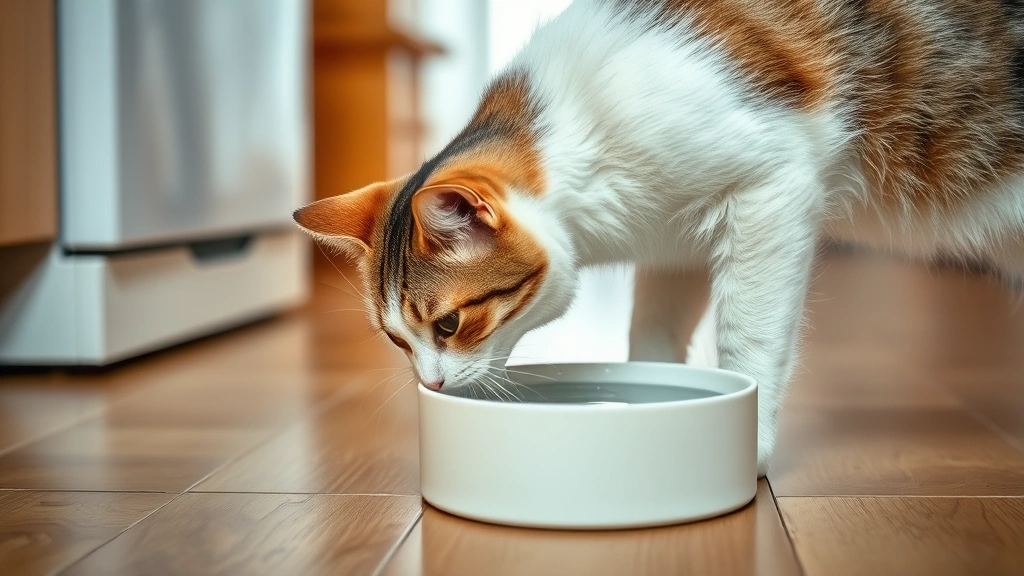
- Provide multiple water bowls in different locations around your home (cats are more likely to drink if water is convenient)
- Switch to a cat water fountain—the flowing water attracts many cats and encourages them to drink more
- Add wet food to meals—canned or fresh food contains significant moisture and counts toward daily hydration
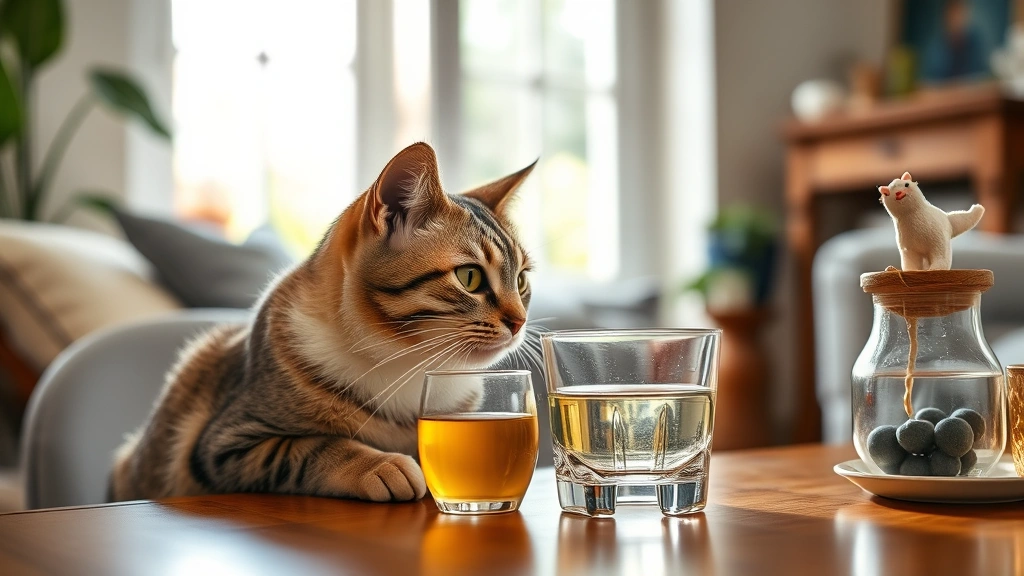
- Offer broth or diluted tuna juice (unsalted) to make water more appealing
- Keep water fresh and clean—change it daily to maintain palatability
Aim for your cat to drink enough to produce regular urine output. Your vet can advise on what “normal” looks like for your individual cat. This hydration strategy works beautifully alongside any medication your vet prescribes.
Remedy 2: Optimize Litter Box Hygiene and Accessibility
A clean litter box reduces stress and encourages your cat to urinate regularly—both critical factors in UTI recovery. Cats with UTIs may be reluctant to use a dirty box, which can lead to urine retention and worsening symptoms.
Follow these litter box best practices:
- Scoop daily (ideally twice daily during UTI treatment)
- Change litter completely at least once a week
- Use unscented, clumping litter to make monitoring easier
- Place litter boxes in quiet, accessible locations away from food and water
- Provide one litter box per cat, plus one extra (so a two-cat household should have three boxes)
- Ensure boxes are large enough for comfortable entry and exit
A stressed cat with a UTI may avoid the litter box altogether, leading to incomplete emptying of the bladder. Excellent litter box hygiene removes that barrier and supports faster recovery.
Remedy 3: Support Urinary Health With Proper Nutrition
What your cat eats directly impacts urinary health. During and after a UTI, nutrition becomes a powerful tool for prevention and recovery. Many cats benefit from a diet formulated to support urinary tract function.
Consider these nutritional adjustments:
- Increase moisture content—wet or raw diets support hydration better than dry kibble
- Choose urinary-support formulas—these are designed to maintain healthy urine pH and reduce crystal formation
- Limit magnesium and phosphorus if your vet recommends it (high levels can contribute to crystal formation)
- Ensure adequate protein—cats are obligate carnivores and need quality protein for immune function
Learn more about low-phosphorus cat food options that support urinary health. Your vet can recommend specific brands or formulations tailored to your cat’s needs. Nutrition is one of the most underrated home treatment tools available.
Remedy 4: Apply Warmth and Comfort Measures
Cats experiencing UTI pain benefit from gentle warmth and comfort. While this won’t cure the infection, it can ease discomfort and help your cat relax during the healing process.
Try these comfort strategies:
- Provide a warm, quiet space away from household activity
- Use a heating pad on low setting (never direct contact with skin) near their resting area
- Offer soft, cozy bedding to encourage rest
- Keep handling minimal during acute phases
- Maintain a calm household environment to reduce stress
Stress is a known trigger for feline urinary issues, so creating a peaceful environment supports both immediate comfort and long-term prevention. Your calm, reassuring presence matters more than you might think.
Remedy 5: Use Probiotics and Urinary Supplements
Certain supplements can support urinary tract health and may help prevent recurrent infections. While supplements aren’t a replacement for veterinary care, they work well as complementary support.
Common supportive supplements include:
- Probiotics—beneficial bacteria that support urinary and digestive health
- Cranberry extract—may help prevent bacteria from adhering to urinary tract walls (though evidence is mixed)
- D-mannose—a natural sugar that may reduce bacterial adhesion
- Urinary support formulas—designed specifically for feline urinary health
Always discuss supplements with your vet before starting them. Some can interact with medications or may not be appropriate for your cat’s specific situation. Learn more about cat kidney supplements that support overall urinary and renal function.
Remedy 6: Monitor Urine Output and Keep Records
Detailed observation is a powerful home treatment tool. By tracking your cat’s bathroom habits, you’ll notice improvements faster and can report meaningful data to your vet. This information helps your veterinarian adjust treatment if needed.
Keep a simple log that includes:
- Number of litter box visits per day
- Approximate volume of urine produced
- Presence of blood or cloudiness
- Signs of straining or pain
- Any changes in appetite or behavior
- Medication administration times and dates
This record becomes invaluable at follow-up vet appointments. You’ll have concrete evidence of improvement or any lingering concerns. Many vets appreciate owners who provide this level of detail—it makes treatment adjustments easier and faster.
Remedy 7: Stress Reduction and Environmental Enrichment
Stress is a major trigger for feline lower urinary tract disease (FLUTD) and UTIs. Creating a low-stress environment isn’t just comfortable—it’s therapeutic. Environmental enrichment keeps your cat mentally engaged and emotionally balanced during recovery.
Implement these stress-reduction strategies:
- Provide vertical spaces (cat trees, shelves) for climbing and observation
- Offer interactive toys and puzzle feeders for mental stimulation
- Maintain consistent daily routines to minimize anxiety
- Use Feliway or other feline pheromone diffusers to promote calm
- Limit exposure to new pets, loud noises, or household disruptions
- Spend quality time with your cat through gentle play and interaction
A relaxed cat is a healing cat. The mind-body connection is powerful in felines, and reducing stress directly supports urinary tract recovery.
When to Seek Urgent Veterinary Care
While home treatment is valuable, some situations require immediate professional attention. Don’t delay if you notice:
- Complete inability to urinate (straining with no output)
- Severe lethargy or collapse
- Vomiting or loss of appetite lasting more than a few hours
- Fever or signs of systemic illness
- Worsening symptoms despite treatment
- Bloody urine in large amounts
Male cats with UTI symptoms are at particular risk for urinary blockage, which is a medical emergency. If your male cat is straining to urinate, seek immediate veterinary care. This is not a situation for home treatment alone—it requires urgent professional intervention.
Supporting Your Cat Through Treatment and Recovery
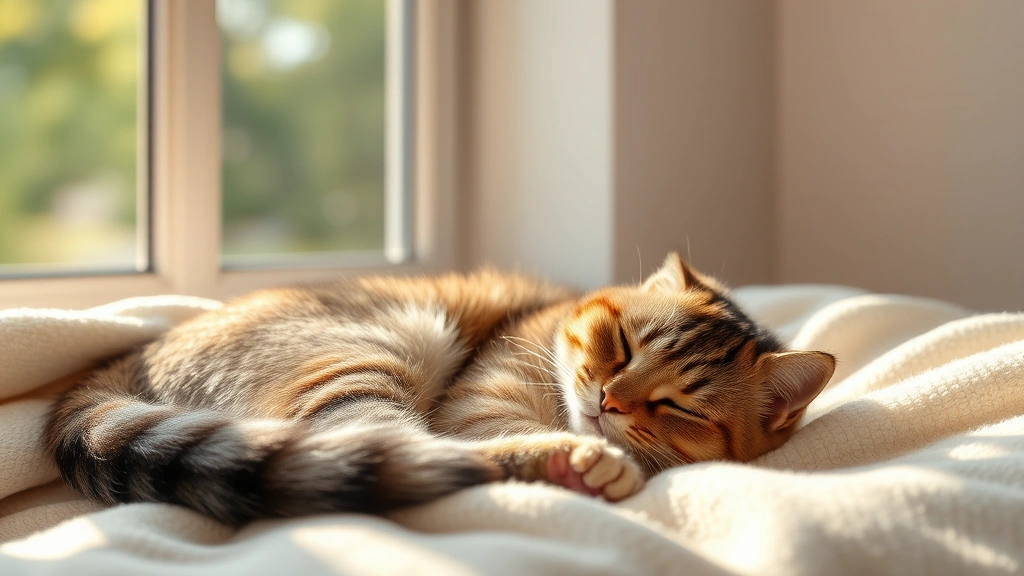
Recovery from a UTI typically takes 7-14 days with proper treatment, though some cases resolve faster. During this window, your home care efforts make the biggest difference. Stay consistent with hydration, litter box management, and any prescribed medications your vet recommends.
Follow-up vet visits are important to confirm the infection has cleared. Your vet may recommend a repeat urinalysis to ensure the UTI is completely resolved. This step prevents relapse and catches any lingering issues early.
If your cat experiences recurrent UTIs, work with your vet to identify underlying causes. Chronic issues may require dietary changes, ongoing supplements, or investigation into anatomical or metabolic factors. Each cat is unique, and your vet can help create a personalized prevention plan.
Frequently Asked Questions
Can I treat a cat UTI at home without seeing a vet?
No. While home remedies support recovery, a veterinary diagnosis is essential to confirm a UTI and rule out serious conditions. Your vet may prescribe antibiotics or recommend other treatments based on the underlying cause.
How long does it take for a cat UTI to go away with home treatment?
With proper veterinary care and home support, most UTIs improve within 7-14 days. However, timelines vary depending on severity and whether antibiotics are needed. Your vet will provide a more specific estimate based on your cat’s situation.
Is cranberry juice safe for cats with UTIs?
Cranberry extract supplements designed for cats may be helpful, but cranberry juice is too acidic and sugary for feline consumption. Always use cat-specific formulations and discuss them with your vet first.
What’s the difference between a UTI and feline idiopathic cystitis?
A UTI is a bacterial infection, while feline idiopathic cystitis (FIC) is bladder inflammation without a bacterial cause. Both present with similar symptoms, which is why veterinary diagnosis is crucial—the treatment approaches differ.
How can I prevent my cat from getting another UTI?
Focus on hydration, stress reduction, clean litter boxes, and urinary-supportive nutrition. Regular vet check-ups and monitoring for early symptoms also help catch issues before they become serious infections.
Summary: Your Cat’s Path to Recovery
A cat urinary tract infection home treatment plan works best as a partnership between you and your veterinarian. Professional diagnosis confirms the problem, while your consistent home care accelerates healing and prevents recurrence. The seven remedies outlined here—hydration, litter box hygiene, proper nutrition, comfort measures, supplements, careful monitoring, and stress reduction—form a comprehensive support system for your cat’s recovery.
Remember: home treatment is not a substitute for veterinary care, but it’s an essential complement to it. Your dedication to these practices shows your cat how much you care and directly impacts their comfort and healing speed.
What To Do Now
- Schedule a veterinary appointment immediately if you haven’t already—a confirmed diagnosis is the foundation for all effective treatment. If you’re unsure whether your cat needs urgent care, a quick telehealth check-in with The Pet Vet can give you peace of mind—no appointment needed.
- Increase water accessibility by placing multiple bowls around your home and considering a cat water fountain to encourage drinking today.
- Deep clean the litter box and establish a daily scooping routine to support your cat’s comfort and recovery immediately.
- Review your cat’s current diet with your vet and discuss whether a urinary-supportive food formula might benefit your cat long-term.
- Start a simple symptom log tracking bathroom habits and behavior changes so you have concrete data to share with your vet at follow-up visits.
This article is for general education and is not a substitute for care from your own veterinarian. Learn about The Pet Vet and our editorial policy.