
If you’ve noticed your cat stumbling, swaying, or moving with an unusual lack of coordination, you may be dealing with cerebellar hypoplasia in cats—a neurological condition that can feel alarming but is often more manageable than you’d think. This guide will walk you through what this condition means, how to recognize it, and what steps you can take to give your cat the best quality of life possible.
Table of Contents
- What Is Cerebellar Hypoplasia in Cats?
- How Cerebellar Hypoplasia Develops
- Recognizing the Signs and Symptoms
- Diagnosis: What Your Vet Will Do
- Living with Cerebellar Hypoplasia: Home Modifications
- Nutrition and Health Support
- Managing Secondary Health Concerns
- Behavioral and Emotional Considerations
- Prognosis and Long-Term Outlook
- When to Seek Veterinary Care
- Frequently Asked Questions
- What To Do Now
- Summary: Embracing Your Cat’s Unique Needs
This article is for informational purposes only and is not a substitute for professional veterinary advice. Always consult a licensed veterinarian for diagnosis and treatment.
What Is Cerebellar Hypoplasia in Cats?
Cerebellar hypoplasia is a developmental condition where a cat’s cerebellum—the part of the brain responsible for balance and coordination—doesn’t fully develop. This can happen before birth or during early kittenhood, often due to viral infections (like feline panleukopenia) that the mother experienced during pregnancy.
The good news? This condition is not progressive, meaning it won’t get worse over time. Your cat’s brain isn’t degenerating; rather, they’re working with the neurological hardware they were born with.
How Cerebellar Hypoplasia Develops
Most cases of cerebellar hypoplasia occur when a pregnant cat contracts feline panleukopenia virus. This virus can damage the developing cerebellum in kittens still in the womb, leading to underdevelopment of this critical brain region.
Additionally, certain infections, nutritional deficiencies, or toxins during pregnancy can contribute to cerebellar underdevelopment. Some cats are simply born with this condition without a clear cause ever being identified.
The severity varies widely—some cats show mild signs, while others have more noticeable balance and coordination challenges. Catching this early puts you in a great position to help your cat adapt and thrive.
Recognizing the Signs and Symptoms
The most telltale sign is a lack of coordination. You might notice your cat:
- Walking with a wide, unsteady gait
- Swaying or bobbing their head
- Having difficulty jumping or landing awkwardly
- Trembling, especially when attempting precise movements
- Overshooting or undershooting when trying to reach something
- Falling or stumbling more than typical cats
These symptoms are often most noticeable when your cat is young and learning to move. Some cats improve slightly as they mature and develop compensatory strategies, while others maintain stable symptoms throughout their lives.
Diagnosis: What Your Vet Will Do
Your veterinarian will start with a thorough physical and neurological examination. They’ll observe your cat’s gait, reflexes, and coordination to assess the severity of the condition.
In some cases, your vet may recommend advanced imaging like MRI or CT scans to rule out other neurological conditions and confirm cerebellar hypoplasia. However, diagnosis is often made based on clinical signs and history alone.
If you’re unsure whether your pet needs urgent care or a full workup, a quick telehealth check-in can give you peace of mind—no appointment needed. This can be especially helpful if you want a second opinion or initial guidance before scheduling an in-person visit.
Living with Cerebellar Hypoplasia: Home Modifications
Since your cat’s coordination challenges are permanent but non-progressive, the focus shifts to creating a safe, accessible environment. Here are practical steps to support your cat:
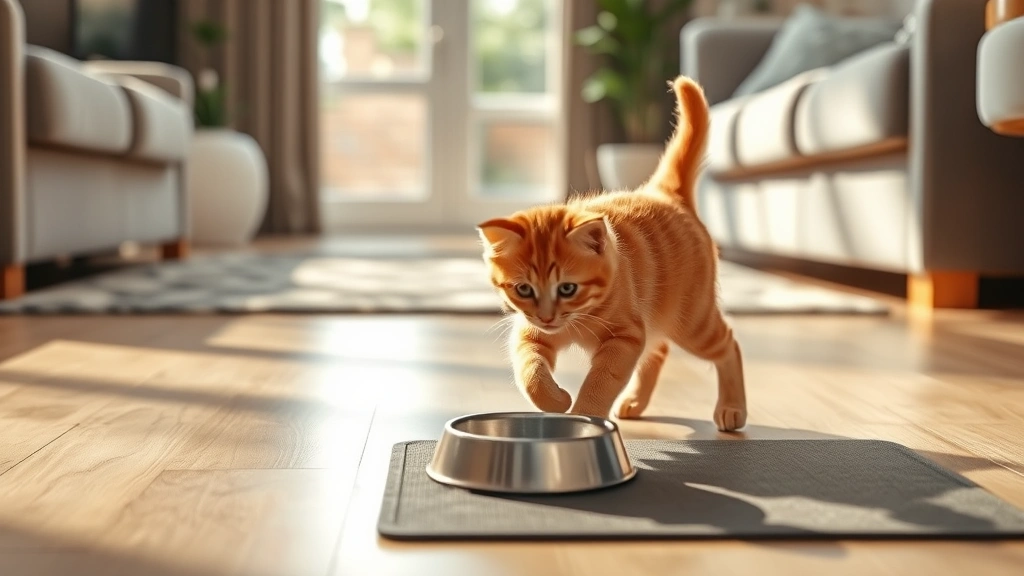
- Lower litter boxes and food bowls: Use shallow, wide-based dishes and low-entry litter boxes to reduce the need for precise balance.
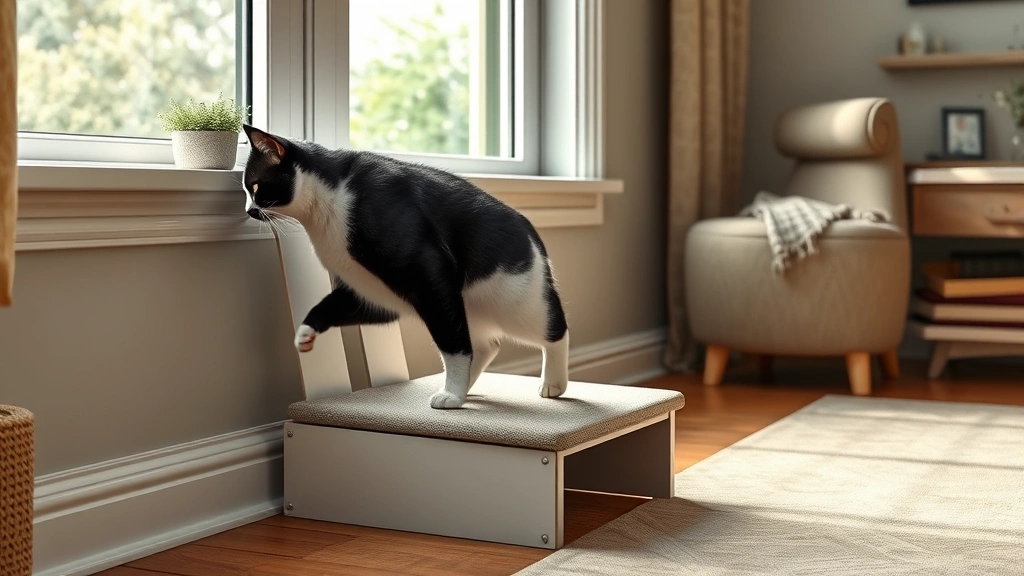
- Install ramps or steps: Reduce the height cats need to jump to reach favorite perches, beds, or window seats.
- Remove obstacles: Keep pathways clear of clutter that could trip your cat or cause falls.
- Use non-slip surfaces: Place rugs or mats on slippery floors to give your cat better traction.
- Create a confined, cat-proofed space: If your cat’s coordination is severely affected, a single room with all necessities nearby can prevent injuries.
Nutrition and Health Support
While cerebellar hypoplasia itself doesn’t require specific dietary interventions, maintaining overall health is crucial. A balanced, high-quality diet supports brain health and general wellness.
Some cat owners explore feeding for immune support to bolster their cat’s overall resilience. Additionally, if your cat develops secondary conditions, specialized diets for conditions like IBD may become relevant.
Always consult your veterinarian before introducing supplements or making major dietary changes. Your vet can recommend appropriate nutrition tailored to your cat’s specific needs and any comorbid conditions.
Managing Secondary Health Concerns
Cats with cerebellar hypoplasia may develop other health issues over time, unrelated to the original condition. For instance, some cats experience urinary or digestive challenges that benefit from dietary management or supplementation.
If your cat shows signs of kidney issues, resources on cat kidney supplements can provide helpful context. Similarly, if your cat develops thyroid concerns, understanding feeding routines for thyroid conditions becomes valuable.
Regular veterinary check-ups help catch and address these secondary issues before they compound your cat’s quality of life.
Behavioral and Emotional Considerations
Many cats with cerebellar hypoplasia develop remarkable resilience and adapt beautifully to their limitations. They often don’t perceive themselves as “disabled”—they simply navigate the world differently.
However, some cats may experience frustration or anxiety related to their coordination challenges. Providing enrichment through interactive play, puzzle feeders, and safe exploration opportunities can boost confidence and mental stimulation.
Creating a calm, predictable environment also helps reduce stress. Your cat’s emotional well-being directly impacts their overall health and longevity.
Prognosis and Long-Term Outlook
The prognosis for cerebellar hypoplasia is generally positive, especially when compared to progressive neurological diseases. Since the condition is non-progressive, your cat’s symptoms will remain stable or may even improve slightly as they develop compensatory movement patterns.
Many cats with cerebellar hypoplasia live full, happy lives with appropriate environmental modifications and supportive care. Lifespan is typically unaffected by the condition itself, though overall health management remains important.
The key is early recognition and adaptation. Cats are remarkably resilient creatures, and most adjust well to their unique needs when given proper support.
When to Seek Veterinary Care
While cerebellar hypoplasia itself is stable, certain situations warrant immediate veterinary attention:
- Sudden worsening of coordination or new neurological symptoms
- Difficulty eating, drinking, or using the litter box
- Signs of pain or distress
- Seizures or unusual behavior changes
- Injuries from falls or accidents
If you notice any of these red flags, contact your veterinarian right away. If you’re unsure whether your cat needs urgent evaluation, The Pet Vet’s telehealth service can help you assess the situation quickly and determine the best next steps.
Frequently Asked Questions
Is cerebellar hypoplasia in cats contagious or hereditary?
It’s not contagious after birth, but it can be prevented through maternal vaccination. It’s not typically hereditary, though maternal infection during pregnancy is the primary risk factor.
Can cerebellar hypoplasia be cured?
No, there’s no cure because the underdevelopment is permanent. However, the condition is non-progressive, and most cats adapt well with supportive care and environmental modifications.
Will my cat’s quality of life be significantly impacted?
Many cats with cerebellar hypoplasia enjoy excellent quality of life. With proper home modifications and supportive care, most adapt remarkably well and live happy, full lives.
How often should my cat with cerebellar hypoplasia see a vet?
At least annually for wellness checks, though more frequent visits may be needed if secondary health issues develop. Your vet can recommend a schedule based on your cat’s specific needs.
Are there medications that help cerebellar hypoplasia?
There’s no medication to treat cerebellar hypoplasia itself, but medications may help manage secondary symptoms or comorbid conditions. Your veterinarian can discuss options tailored to your cat’s situation.
What To Do Now
- Schedule a veterinary examination: If you haven’t already, have your cat evaluated by a licensed veterinarian to confirm the diagnosis and rule out other conditions.
- Assess your home environment: Walk through your living space and identify areas where your cat might struggle with balance or coordination. Start implementing modifications like ramps, low bowls, and clear pathways.
- Document your observations: Keep notes on your cat’s symptoms, triggers, and any improvements over time. This information is valuable for your vet and helps track stability.
- Explore supportive resources: Research nutrition and enrichment options that support your cat’s overall health. Consider consulting your vet about dietary optimization.
- Connect with your vet for ongoing support: Establish a relationship with a veterinarian who understands cerebellar hypoplasia and can guide you through long-term care decisions. If you need quick guidance or reassurance, telehealth consultations offer convenient support.
Summary: Embracing Your Cat’s Unique Needs
Cerebellar hypoplasia in cats is a lifelong condition, but it’s not a life-limiting one. Understanding what this diagnosis means—and what it doesn’t—empowers you to provide the best possible care for your feline companion.
The condition is stable, non-progressive, and highly manageable with thoughtful environmental adaptations and consistent veterinary support. Thousands of cats with cerebellar hypoplasia thrive in loving homes, proving that a diagnosis doesn’t define a cat’s capacity for joy and connection.
By staying informed, proactive, and compassionate, you’re already giving your cat the greatest gift: a caregiver who understands their needs and is committed to their well-being. Your cat may navigate the world a little differently, but with your support, they’ll navigate it beautifully.