
If your cat has been diagnosed with chronic pancreatitis in cats, you’re probably feeling worried and overwhelmed right now. This condition affects the pancreas—a small but vital organ responsible for producing digestive enzymes and regulating blood sugar. When it becomes inflamed and stays that way, it can significantly impact your cat’s quality of life. The good news? With proper management and the right approach, many cats go on to live comfortably for years.
Table of Contents
- Understanding Chronic Pancreatitis in Cats
- Common Signs Your Cat May Be Experiencing Pancreatitis
- Diagnostic Steps Your Vet Will Take
- Medication Management for Chronic Pancreatitis
- Dietary Changes: A Cornerstone of Treatment
- Nutritional Support and Supplements
- Monitoring and Ongoing Care
- Preventing Flare-Ups and Complications
- When to Seek Urgent Care
- Living Well With Chronic Pancreatitis: Your Cat’s Quality of Life
- Frequently Asked Questions
- What To Do Now
- Summary
This article is for informational purposes only and is not a substitute for professional veterinary advice. Always consult a licensed veterinarian for diagnosis and treatment.
Understanding Chronic Pancreatitis in Cats
Chronic pancreatitis occurs when the pancreas remains persistently inflamed over weeks, months, or even years. Unlike acute pancreatitis—which comes on suddenly—chronic cases develop slowly and may go unnoticed for a while. Your vet might discover it during routine bloodwork or imaging, or your cat’s symptoms might finally prompt a closer look.
The tricky part? Many cats hide their discomfort well. By the time you notice something is wrong, the inflammation may have been brewing for quite some time. Catching this early puts you in a great position to help your cat feel better faster.
Common Signs Your Cat May Be Experiencing Pancreatitis
Symptoms of chronic pancreatitis in cats can be subtle and easy to miss. Here’s what to watch for:
- Loss of appetite or decreased interest in food
- Weight loss over time
- Vomiting (occasional or frequent)
- Diarrhea or soft stools
- Lethargy and reduced activity levels
- Abdominal pain or discomfort (your cat may crouch or seem tense)
- Dehydration
- Yellowish tint to the skin or eyes (if the liver is also affected)
If you’ve noticed any of these signs in your cat, it’s worth discussing with your veterinarian. Early intervention can prevent complications and improve your cat’s comfort significantly.
Diagnostic Steps Your Vet Will Take
Your veterinarian will likely recommend several tests to confirm chronic pancreatitis. Blood tests measuring pancreatic enzymes (like lipase and amylase) are a standard starting point. However, these results can sometimes be normal even when pancreatitis is present, so your vet may also order ultrasound imaging to visualize the pancreas.
In some cases, more advanced imaging like CT scans or specialized blood tests for feline pancreatic lipase (fPL) may be recommended. These diagnostic tools help rule out other conditions and give your vet a complete picture of what’s happening inside your cat’s body.
Medication Management for Chronic Pancreatitis
While there’s no cure for chronic pancreatitis, medications can significantly reduce inflammation and manage symptoms. Your vet will tailor a treatment plan specifically for your cat’s needs. Let’s explore the main categories of medications used:
Pain Management and Anti-Inflammatory Options
Pain relief is often a priority because pancreatitis can be quite uncomfortable. Your veterinarian may recommend nonsteroidal anti-inflammatory drugs (NSAIDs) or other pain management strategies. Some cats respond well to these medications, though your vet will monitor your cat’s kidney and liver function regularly since long-term use requires careful oversight.
Gabapentin is another option your vet might discuss—it’s a nerve pain medication that can help cats feel more comfortable without the same monitoring concerns as NSAIDs.
Digestive Enzyme Supplements
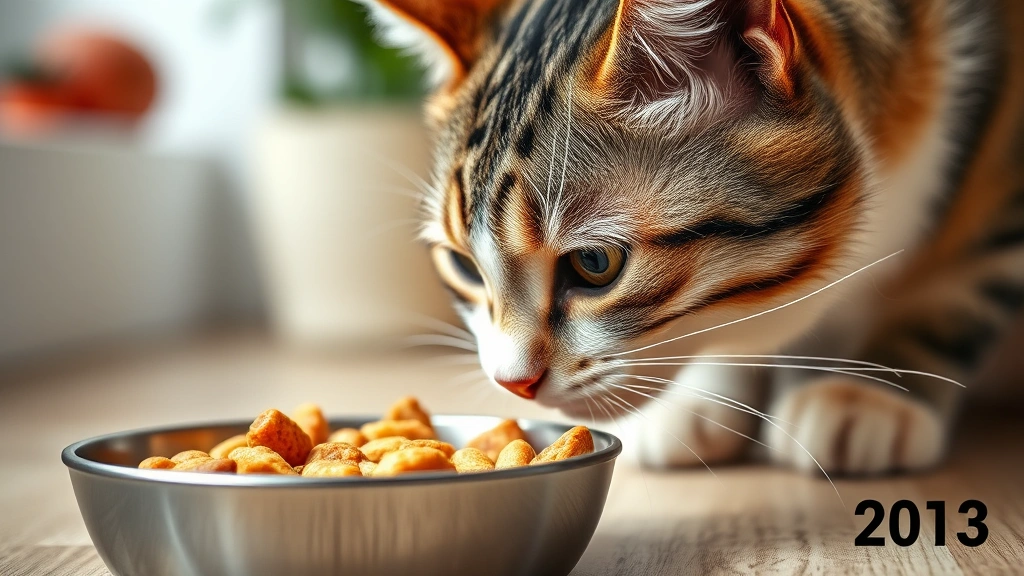
Since the pancreas isn’t producing enough digestive enzymes, supplementing with pancreatic enzymes can help your cat digest food more effectively. These supplements are sprinkled on food and can improve nutrient absorption while reducing digestive stress on the already-inflamed pancreas.
Many cat owners notice their cats eat better and have fewer digestive issues once enzyme supplementation begins. It’s a gentle, natural-feeling way to support your cat’s digestive system.
Antacids and Stomach Protectants
Cats with pancreatitis often develop secondary stomach issues. Medications that reduce stomach acid or protect the stomach lining can help prevent vomiting and improve appetite. These are typically well-tolerated and work quietly in the background to support your cat’s comfort.
Medications for Associated Conditions
Chronic pancreatitis in cats frequently occurs alongside other conditions like inflammatory bowel disease (IBD) or diabetes. Your vet may recommend additional medications to address these interconnected issues. For example, if your cat develops diabetes, insulin management becomes part of the overall treatment strategy.
It’s important to understand that treating the whole picture—not just the pancreas—often leads to better outcomes.
Dietary Changes: A Cornerstone of Treatment
Medication is just one piece of the puzzle. Diet plays an equally important role in managing chronic pancreatitis in cats. Most vets recommend a low-fat diet, as high fat content can trigger inflammation and worsen symptoms.
Your vet may suggest prescription digestive diets or discuss working with a veterinary nutritionist to create a custom meal plan. Some cats do better with frequent, smaller meals rather than one or two large feedings. You might also explore an IBD diet for cats if inflammatory bowel disease is also present, as these conditions often overlap.
Consistency matters tremendously. Once you find a diet your cat tolerates well, stick with it. Sudden food changes can trigger flare-ups, so any dietary transitions should be gradual.
Nutritional Support and Supplements
Beyond prescription diets, certain supplements can support your cat’s pancreatic health and overall well-being. Cat liver supplements may be recommended if liver function is affected, as the liver and pancreas are closely connected.
Omega-3 fatty acids have anti-inflammatory properties and are often recommended for cats with pancreatitis. Probiotics may also help improve gut health and digestion. Always discuss supplements with your vet before starting them, as some can interact with medications or worsen certain conditions.
Additionally, exploring feeding for immune support can help strengthen your cat’s overall resilience while managing this chronic condition.
Monitoring and Ongoing Care
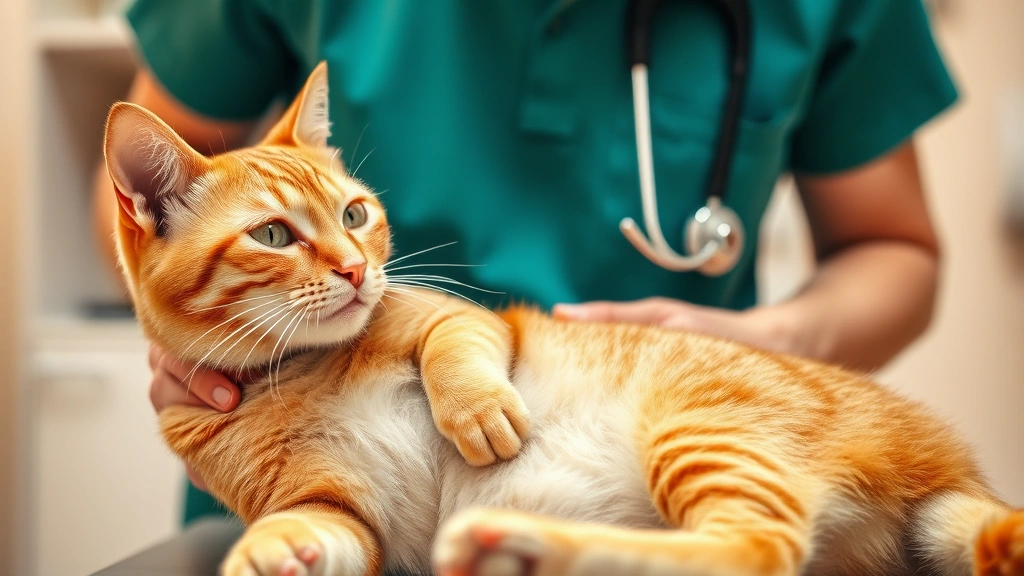
Managing chronic pancreatitis in cats is a long-term commitment. Your vet will likely recommend regular check-ups—typically every 3 to 6 months—to monitor your cat’s condition and adjust medications as needed.
Between visits, keep detailed notes about your cat’s appetite, weight, energy levels, and any vomiting or digestive issues. These observations help your vet fine-tune the treatment plan. Blood tests may be repeated periodically to ensure medications aren’t causing any side effects.
If you notice sudden changes in your cat’s condition—like increased vomiting, loss of appetite, or lethargy—don’t wait for the next scheduled appointment. Contact your vet promptly or consider a telehealth consultation for quick guidance.
Preventing Flare-Ups and Complications
While you can’t eliminate pancreatitis, you can reduce the frequency and severity of flare-ups by being proactive:
- Maintain consistent medication schedules: Give medications exactly as prescribed, even when your cat seems to be doing well.
- Stick to the recommended diet: Avoid foods cats should avoid, especially high-fat treats and human foods.
- Keep your cat at a healthy weight: Obesity increases pancreatic stress and inflammation.
- Minimize stress: Environmental stress can trigger flare-ups in some cats. Provide a calm, stable home environment.
- Stay current with preventive care: Regular vet visits catch problems early before they escalate.
When to Seek Urgent Care
Most of the time, chronic pancreatitis in cats is manageable at home with medication and diet. However, certain situations warrant urgent veterinary attention:
- Severe, persistent vomiting
- Complete loss of appetite lasting more than 24 hours
- Signs of severe abdominal pain
- Lethargy or collapse
- Jaundice (yellowing of skin or eyes)
- Difficulty breathing
If you are unsure whether your pet needs urgent care, a quick telehealth check-in can give you peace of mind — no appointment needed. The Pet Vet’s telehealth service can help you determine whether your cat needs emergency care or if symptoms can be managed at home.
Living Well With Chronic Pancreatitis: Your Cat’s Quality of Life
Here’s the encouraging truth: many cats with well-managed chronic pancreatitis live happy, comfortable lives. Yes, it requires ongoing attention and medication, but most owners find the routine becomes second nature.
Your cat may have good days and challenging days, just like any chronic condition. The key is staying consistent with treatment and remaining alert to changes. Celebrate the good days—they’re often more frequent than you might expect.
Building a strong relationship with your vet and staying educated about your cat’s condition empowers you to be the best advocate for your pet’s health.
Frequently Asked Questions
Can chronic pancreatitis in cats be cured?
No, chronic pancreatitis cannot be cured, but it can be effectively managed with medication, diet, and ongoing care to keep your cat comfortable and improve quality of life.
How long can a cat live with chronic pancreatitis?
Many cats live several years or longer with well-managed chronic pancreatitis. Lifespan depends on the severity, associated conditions, and how well the treatment plan works for your individual cat.
Is chronic pancreatitis painful for cats?
Yes, pancreatitis can cause abdominal discomfort and pain. This is why pain management medications are often an important part of the treatment plan to keep your cat comfortable.
What’s the difference between acute and chronic pancreatitis in cats?
Acute pancreatitis comes on suddenly and can be life-threatening, while chronic pancreatitis develops slowly over time and is managed long-term with medication and diet.
Can diet alone manage chronic pancreatitis?
Diet is crucial and plays a major role, but most cats require medication alongside dietary management to effectively control inflammation and symptoms.
What To Do Now
- Schedule a comprehensive vet appointment: If your cat hasn’t been recently evaluated, book an appointment to discuss symptoms and get baseline bloodwork and imaging.
- Review your cat’s current diet: Work with your vet to transition to a low-fat, digestive-friendly diet appropriate for pancreatitis management.
- Create a medication and monitoring log: Track medication times, appetite, weight, and any symptoms to share with your vet at check-ups.
- Discuss a long-term management plan: Ask your vet about the specific medications, supplements, and follow-up schedule tailored to your cat’s needs.
- Save The Pet Vet’s contact information: Keep telehealth access available for quick questions or concerns between scheduled appointments.
Summary
Chronic pancreatitis in cats is a serious but manageable condition. While there’s no cure, the combination of appropriate medications, a carefully chosen diet, and consistent monitoring allows most cats to live comfortably for years. Understanding your cat’s condition, staying engaged with your veterinary team, and remaining patient with the treatment process are your best tools for success.
Your cat is counting on you, and the fact that you’re seeking information shows you’re already taking the right steps. With proper care and attention, your cat can continue to enjoy a good quality of life despite this diagnosis.