
If your cat is experiencing persistent diarrhea, vomiting, or abdominal discomfort, a clostridium infection in cats could be the culprit behind their distress. This bacterial infection is more common than many cat owners realize, and while it sounds scary, catching it early and working with your vet puts you in a great position to help your feline friend feel better quickly.
Table of Contents
- What Is Clostridium and Why Does It Affect Cats?
- Common Signs Your Cat May Have a Clostridial Infection
- How Vets Diagnose Clostridium Infection in Cats
- Treatment Options for Clostridial Infections
- Dietary Management During and After Recovery
- Preventing Clostridium Infection Recurrence
- When to Seek Urgent Veterinary Care
- Supporting Your Cat’s Recovery at Home
- Understanding Long-Term Outlook and Prognosis
- Frequently Asked Questions
- What To Do Now
- Summary: Taking Care of Your Cat With Clostridium Infection
This article is for informational purposes only and is not a substitute for professional veterinary advice. Always consult a licensed veterinarian for diagnosis and treatment.
What Is Clostridium and Why Does It Affect Cats?
Clostridium is a type of bacterium that naturally exists in the environment and can sometimes colonize your cat’s digestive tract. When conditions are right—like after antibiotic use, dietary changes, or stress—these bacteria can multiply and cause inflammation in the intestines.
The most common culprit is Clostridium perfringens or Clostridium difficile. These bacteria produce toxins that irritate the gut lining, leading to the uncomfortable symptoms cat owners often notice first.
Your cat isn’t at fault here. This infection can happen to any cat, regardless of age or living situation, though kittens and senior cats may be slightly more vulnerable.
Common Signs Your Cat May Have a Clostridial Infection
Recognizing the early warning signs helps you get your cat to the vet faster. Here’s what to watch for:
- Diarrhea: Often watery or mucus-like, sometimes with a foul odor
- Vomiting: May occur alongside digestive upset
- Abdominal discomfort: Your cat may crouch, seem tense, or avoid their litter box
- Loss of appetite: Reduced interest in food or treats
- Lethargy: Unusual tiredness or lack of playfulness
- Fever: In some cases, though not always obvious without a thermometer
If your cat shows these signs for more than a day or two, reaching out to your vet is the right call. Early intervention prevents complications and gets your kitty back to normal faster.
How Vets Diagnose Clostridium Infection in Cats
Your veterinarian will start with a thorough history and physical exam. They’ll ask about your cat’s diet, recent antibiotic use, and when symptoms started.
To confirm a clostridial infection, your vet may recommend a fecal test that looks for clostridial toxins or spores in your cat’s stool. Blood work can also help rule out other conditions and assess your cat’s overall health.
Sometimes, your vet may suggest additional diagnostics if symptoms persist or don’t improve with initial treatment. This helps ensure nothing else is going on.
Treatment Options for Clostridial Infections
The good news? Clostridial infections in cats are typically very treatable. Your vet will create a treatment plan tailored to your cat’s specific situation.
Antibiotics are the primary treatment, chosen based on the specific clostridial species and your cat’s health history. Your vet will select the most appropriate option and discuss any potential side effects.
Probiotics may be recommended to help restore healthy gut bacteria and support recovery. These beneficial microorganisms can help prevent the infection from returning.
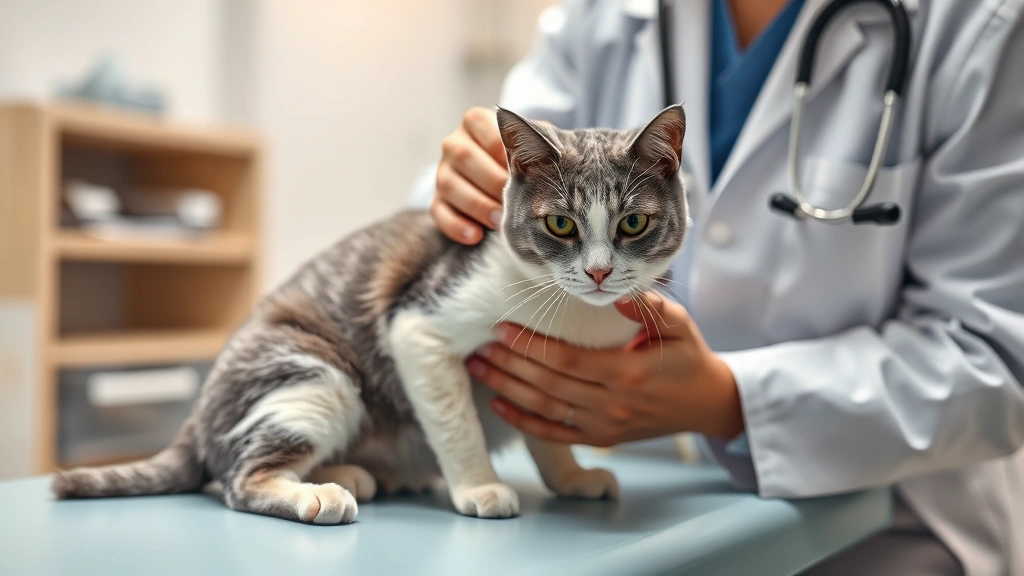
Dietary adjustments often play a crucial role. Many cats benefit from easily digestible foods during recovery. You might explore options like our IBD Diet for Cats guide or consider an Elimination Diet Feeding Plan to identify any food triggers.
Supportive care keeps your cat comfortable while their body heals. This may include ensuring adequate hydration and monitoring their recovery progress.
Dietary Management During and After Recovery
What your cat eats matters tremendously when fighting a clostridial infection. During the acute phase, your vet may recommend a bland, easily digestible diet to reduce stress on the digestive system.
Once your cat begins improving, transitioning back to their regular food should happen gradually—typically over 7-10 days. This slow reintroduction helps prevent flare-ups.
Some cats benefit from long-term dietary adjustments. High-quality proteins and limited ingredients can support gut health. Learn more about supporting your cat’s immune system through nutrition with our Feeding for Immune Support resource.
It’s also worth reviewing Foods Cats Should Avoid to ensure nothing in their diet is triggering ongoing issues.
Preventing Clostridium Infection Recurrence
Once your cat recovers, preventing another infection is key. Here’s what helps:
- Use antibiotics wisely: Only when truly necessary, and complete the full course as prescribed
- Maintain consistent nutrition: Avoid sudden diet changes that can disrupt gut bacteria
- Manage stress: Keep your cat’s environment calm and predictable
- Practice good hygiene: Regular litter box cleaning reduces bacterial exposure
- Support gut health: Consider ongoing probiotics if your vet recommends them
Your cat’s digestive health is interconnected with their overall wellness. Small preventive steps now can save you worry and vet visits later.
When to Seek Urgent Veterinary Care
While most clostridial infections respond well to treatment, certain situations require immediate attention:
- Severe or bloody diarrhea
- Repeated vomiting that prevents eating or drinking
- Signs of dehydration (dry gums, lethargy, sunken eyes)
- Severe abdominal pain or distension
- Fever over 103°F (39.4°C)
- No improvement after 48 hours of treatment
If you’re unsure whether your cat needs urgent care, a quick telehealth check-in with a vet can give you peace of mind—no appointment needed. The Pet Vet’s telehealth service makes it easy to get professional guidance when you need it most.
Supporting Your Cat’s Recovery at Home
Beyond medication and diet, your care at home makes a real difference. Keep your cat in a quiet, comfortable space where they can rest undisturbed.
Ensure fresh water is always available—hydration is critical when dealing with diarrhea. Monitor their litter box habits and note any changes to report to your vet.
Be patient with your cat during recovery. Some cats feel anxious or uncomfortable, and extra attention and gentle handling help them heal emotionally and physically.
Understanding Long-Term Outlook and Prognosis
The prognosis for clostridium infection in cats is generally excellent. Most cats recover completely within 1-2 weeks of starting appropriate treatment.
Some cats may experience occasional recurrence, particularly if they have underlying conditions like inflammatory bowel disease. Your vet can discuss long-term management strategies if this becomes a pattern.
The key is staying vigilant about diet, stress management, and following your vet’s recommendations for ongoing care.
Frequently Asked Questions
Can clostridium infection in cats spread to humans?
While clostridial bacteria exist in the environment, direct transmission to humans from infected cats is rare. Standard hygiene practices like handwashing after handling your cat or their litter box provide excellent protection.
How long does treatment typically take?
Most cats show improvement within 3-5 days of starting treatment, with complete recovery in 1-2 weeks. Your vet will confirm when it’s safe to stop medications.
Is clostridium infection contagious to other cats?
It can be transmitted through fecal contamination, so practicing good litter box hygiene and keeping infected cats’ areas clean helps protect other household pets.
Will my cat need antibiotics forever?
No. Most cases require antibiotics for 7-14 days. Your vet will determine the appropriate duration based on your cat’s response to treatment.
Can diet alone treat clostridium infection?
Diet is supportive but not a replacement for veterinary treatment. Antibiotics are typically necessary to eliminate the infection, while diet helps with recovery and prevention.
What To Do Now
- Schedule a vet appointment: If your cat shows signs of diarrhea, vomiting, or abdominal discomfort lasting more than 24 hours, contact your veterinarian or use telehealth for a quick assessment.
- Document symptoms: Note when symptoms started, their frequency, and any other changes in behavior or appetite to share with your vet.
- Avoid diet changes: Keep your cat on their current food unless your vet recommends otherwise, as sudden changes can worsen digestive upset.
- Ensure hydration: Provide fresh water at all times and monitor your cat’s water intake during illness.
- Follow treatment plans completely: If prescribed medication, give the full course even if your cat seems better, and attend follow-up appointments.
Summary: Taking Care of Your Cat With Clostridium Infection
Clostridium infection in cats is treatable and manageable with proper veterinary care. By recognizing early symptoms, seeking prompt diagnosis, and following your vet’s treatment recommendations, you’re giving your cat the best chance at a quick, complete recovery.
Remember that your cat’s digestive health is connected to their overall wellness. Supporting their gut through proper nutrition, stress management, and preventive care helps protect them from future infections.
Your veterinarian is your best partner in this journey. Don’t hesitate to reach out with questions or concerns—whether through a traditional appointment or a convenient telehealth consultation. Your cat is lucky to have an owner who cares enough to learn about their health.