
If your dog or cat is scratching relentlessly, sneezing constantly, or seems anxious before a car ride, you might wonder whether diphenhydramine for dogs and cats could help—and whether it’s actually safe for your furry friend. Many pet owners have heard about this common antihistamine and want to know if it’s a good option for their pets.
Table of Contents
- What Is Diphenhydramine and How Does It Work?
- Common Reasons Vets Consider Diphenhydramine for Pets
- Safety Considerations for Dogs and Cats
- Potential Side Effects in Dogs and Cats
- Understanding Overdose and Toxicity Risks
- Diphenhydramine vs. Other Allergy Solutions for Pets
- When to Seek Veterinary Care
- What About Using Human Diphenhydramine Products?
- Key Takeaways and Summary
- Frequently Asked Questions
- What To Do Now
This article is for informational purposes only and is not a substitute for professional veterinary advice. Always consult a licensed veterinarian for diagnosis and treatment.
What Is Diphenhydramine and How Does It Work?
Diphenhydramine is a first-generation antihistamine that blocks histamine receptors in the body. When your pet’s immune system reacts to allergens, parasites, or stress, it releases histamine—the chemical responsible for itching, swelling, and inflammation. This medication works by reducing those histamine effects.
You’ve probably seen diphenhydramine in human products like Benadryl. While the active ingredient is the same, using human formulations for pets requires careful consideration and veterinary guidance. Many over-the-counter versions contain additional ingredients that may not be safe for animals.
Common Reasons Vets Consider Diphenhydramine for Pets
Veterinarians may recommend antihistamines like diphenhydramine for several legitimate reasons. Understanding when and why it might be suggested can help you have a more informed conversation with your vet.
- Allergic reactions: Seasonal allergies, food sensitivities, or environmental triggers causing itching and hives
- Anxiety and stress: Some pets benefit from the mild sedative effect during travel or thunderstorms
- Itching from parasites or skin conditions: While treating the underlying cause, antihistamines can provide relief
- Insect bite reactions: Swelling or itching from bee stings or mosquito bites
- Pre-anesthetic medication: Sometimes used as part of preparation for surgical procedures
Safety Considerations for Dogs and Cats
While diphenhydramine is generally considered safer than some alternatives, it’s not without risks—especially for certain pets. Cats and dogs metabolize medications differently than humans do, and individual sensitivities vary widely.
Older pets, those with heart conditions, liver disease, or urinary issues may be at higher risk for complications. Similarly, pregnant or nursing dogs and cats should not receive this medication without explicit veterinary approval. Catching these contraindications early puts you in a great position to protect your pet’s health.
If your pet has glaucoma, seizure disorders, or hyperthyroidism, diphenhydramine could potentially worsen these conditions. Always provide your vet with a complete medical history before any new medication is introduced.
Potential Side Effects in Dogs and Cats
Most pets tolerate diphenhydramine reasonably well, but side effects can occur. The most common is drowsiness—which is sometimes desired (like before travel) but may be concerning in other situations.
Other possible side effects include:
- Dry mouth
- Urinary retention (difficulty urinating)
- Increased heart rate
- Restlessness or hyperactivity (paradoxical reaction in some pets)
- Gastrointestinal upset
- Loss of appetite
If you notice any unusual behavior or physical changes after your pet receives this medication, contact your veterinarian promptly. Most side effects are mild and temporary, but your vet needs to know what’s happening.

Understanding Overdose and Toxicity Risks
Accidental overdose is a real concern, especially with small cats or toy breed dogs. Toxicity signs may include extreme drowsiness, rapid heart rate, tremors, or seizures. If you suspect your pet has received too much diphenhydramine, seek veterinary care immediately.
For detailed information on medication overdose risks and what to do if you’re concerned, check out our guide on pet medication overdose. Knowing the warning signs helps you respond quickly if something goes wrong.
Never give your pet human medications without veterinary dosing instructions. Even “pet-safe” doses found online may not be appropriate for your individual animal.
Diphenhydramine vs. Other Allergy Solutions for Pets
Modern veterinary medicine offers several alternatives to diphenhydramine. Newer antihistamines like cetirizine or loratadine may have fewer side effects. Prescription options like apoquel or cytopoint target allergies differently and sometimes work better for chronic conditions.
Your vet might also recommend topical treatments, omega-3 supplements, or addressing underlying causes like parasites or food sensitivities. A comprehensive approach often works better than medication alone.
The best choice depends on your pet’s specific situation, medical history, and how well they respond to treatment. This is why professional guidance matters so much.
When to Seek Veterinary Care
Contact your vet if your pet shows signs of an allergic reaction that doesn’t improve, experiences severe itching affecting quality of life, or displays anxiety that impacts daily activities. These situations warrant professional evaluation and a tailored treatment plan.
If you’re unsure whether your pet needs urgent care after taking diphenhydramine, a quick telehealth check-in can give you peace of mind—no appointment needed. The Pet Vet offers convenient access to licensed veterinarians who can assess your pet’s symptoms and guide your next steps.
What About Using Human Diphenhydramine Products?
Many pet owners are tempted to use over-the-counter human antihistamines like Benadryl. While the active ingredient may be the same, commercial formulations often contain additives that are harmful to pets. Some versions include xylitol (a sugar substitute toxic to dogs), acetaminophen, or other ingredients that can cause serious problems.
If your vet suggests diphenhydramine, ask specifically about which product is safest or whether a prescription veterinary formulation would be better. Never assume that “available at the pharmacy” means “safe for my pet.”
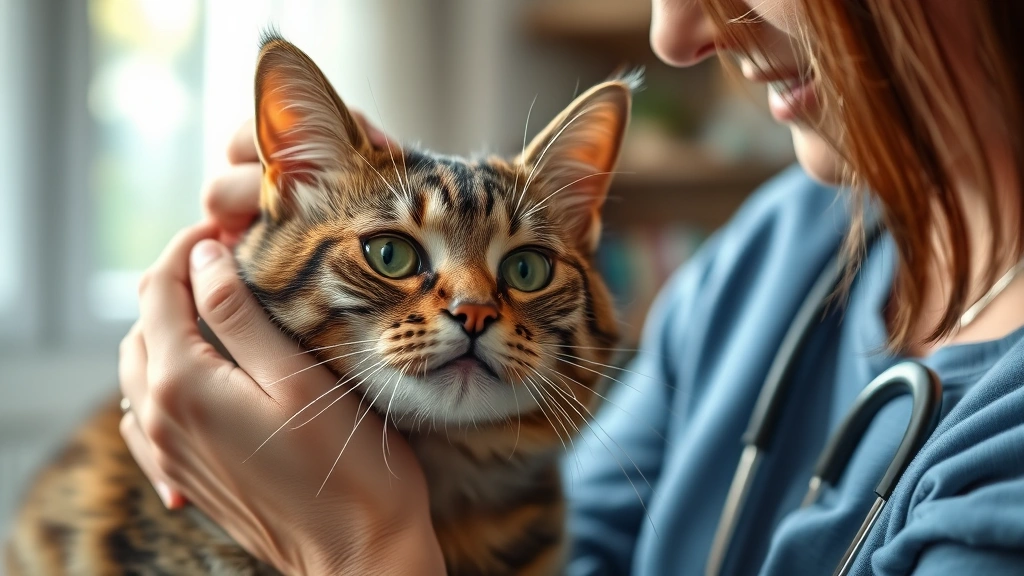
Key Takeaways and Summary
Diphenhydramine for dogs and cats can be a helpful tool when used appropriately under veterinary supervision. It’s effective for certain allergies, anxiety, and reactions, but it’s not right for every pet or every situation.
The safest approach involves:
- Consulting your veterinarian before giving any new medication
- Providing complete medical history and current medication information
- Following dosing instructions precisely
- Monitoring your pet closely for side effects
- Exploring underlying causes of symptoms rather than relying on medication alone
Your vet is your best resource for determining whether diphenhydramine is appropriate for your pet’s specific needs. When in doubt, ask questions and seek professional guidance.
Frequently Asked Questions
Can I give my dog or cat Benadryl from my medicine cabinet?
Not without veterinary approval. Many over-the-counter formulations contain ingredients harmful to pets. Always consult your vet first, and ask about safe products or prescription alternatives.
How quickly does diphenhydramine work in pets?
Most pets show effects within 30 minutes to an hour, though this varies by individual and route of administration. Your vet can explain what timeline to expect for your pet.
Is diphenhydramine safe for kittens and puppies?
Young animals require careful dosing and medical oversight. Always consult your veterinarian before giving any medication to kittens or puppies, as their bodies process drugs differently than adult pets.
What should I do if my pet accidentally overdoses on diphenhydramine?
Contact your veterinarian or emergency animal hospital immediately. Provide information about the amount ingested and when it happened so they can provide appropriate care.
Are there natural alternatives to diphenhydramine for pet allergies?
Options include omega-3 supplements, quercetin, and addressing environmental or dietary triggers. However, these work differently and may not be suitable for acute reactions—discuss alternatives with your vet.
What To Do Now
- Schedule a veterinary consultation: If your pet is experiencing itching, anxiety, or allergic symptoms, contact your vet to discuss whether diphenhydramine or another treatment is appropriate.
- Gather medical records: Compile your pet’s complete medical history, current medications, and any known allergies or sensitivities to share with your veterinarian.
- Avoid self-medicating: Don’t give your pet over-the-counter human antihistamines without explicit veterinary approval and dosing guidance.
- Monitor closely: If your vet does recommend diphenhydramine, watch for side effects and keep track of how your pet responds to treatment.
- Explore underlying causes: Work with your vet to identify and address the root cause of your pet’s symptoms rather than relying solely on medication for long-term relief.
Your pet’s health and safety are worth the extra effort of professional guidance. Taking these steps now puts you in the best position to help your furry friend feel better.