
Noticing your dog moving a little slower or limping after playtime can be heartbreaking, and you might be wondering if dog arthritis early signs are starting to show. The good news? Catching these symptoms early gives you the best chance to slow progression and keep your furry friend comfortable and active for years to come.
Table of Contents
- What Is Canine Arthritis and Why It Matters
- Sign #1: Limping or Favoring One Leg
- Sign #2: Stiffness, Especially in the Morning
- Sign #3: Reluctance to Jump, Climb Stairs, or Play
- Sign #4: Swelling or Heat Around the Joints
- Sign #5: Excessive Licking or Chewing at Joints
- Sign #6: Changes in Gait or Posture
- Sign #7: Behavioral Changes and Irritability
- Risk Factors That Increase Arthritis Risk
- What To Do Now: Your Action Plan
- Early Management Strategies
- When to Seek Urgent Care
- The Importance of Professional Diagnosis
- Summary: Don’t Wait to Act
- Frequently Asked Questions
This article is for informational purposes only and is not a substitute for professional veterinary advice. Always consult a licensed veterinarian for diagnosis and treatment.
What Is Canine Arthritis and Why It Matters
Arthritis in dogs is inflammation of the joints that causes pain, stiffness, and reduced mobility. It’s one of the most common conditions affecting older dogs, but it can develop at any age—especially in larger breeds or those with joint injuries.
The earlier you spot dog arthritis early signs, the more treatment options are available to you. From physical therapy to supplements, catching it before severe damage occurs makes a real difference in your dog’s quality of life.
Sign #1: Limping or Favoring One Leg
One of the most obvious dog arthritis early signs is when your dog starts limping or putting less weight on one leg. You might notice this most after they’ve been resting, or it could be more pronounced after exercise.
This limping often improves as your dog “warms up” during the day, then gets worse again by evening. Catching this pattern early puts you in a great position to help before the limp becomes permanent.
Sign #2: Stiffness, Especially in the Morning
Does your dog seem creaky or stiff when they first wake up? This is a classic indicator of joint problems. Many dogs with arthritis take several minutes to loosen up after sleeping.
You might see them struggle to stand from their bed, take a few wobbly steps, or move more carefully than usual. This morning stiffness often eases as they move around, but it’s definitely worth noting and mentioning to your vet.
Sign #3: Reluctance to Jump, Climb Stairs, or Play
If your normally energetic dog suddenly avoids jumping on the couch or hesitates at stairs, joint pain could be the reason. Dogs experiencing arthritis discomfort often lose interest in activities they once loved.
Watch for:
- Avoiding jumping into the car or onto furniture
- Taking stairs one step at a time or refusing them entirely
- Playing less frequently or for shorter periods
- Declining invitations for walks or fetch
These behavioral changes are often among the first dog arthritis early signs pet owners notice.
Sign #4: Swelling or Heat Around the Joints
Gently feel your dog’s joints—knees, hips, elbows, and shoulders. If you notice swelling, warmth, or your dog flinches when you touch certain areas, this could indicate inflammation.
You might see visible puffiness around the joint or feel heat radiating from the area. This is your dog’s body signaling that something needs attention, and early intervention can help manage inflammation effectively.
Sign #5: Excessive Licking or Chewing at Joints
Dogs often lick or chew at areas that hurt. If you catch your pup obsessively licking their paws, legs, or other joints, they may be trying to self-soothe arthritic pain.
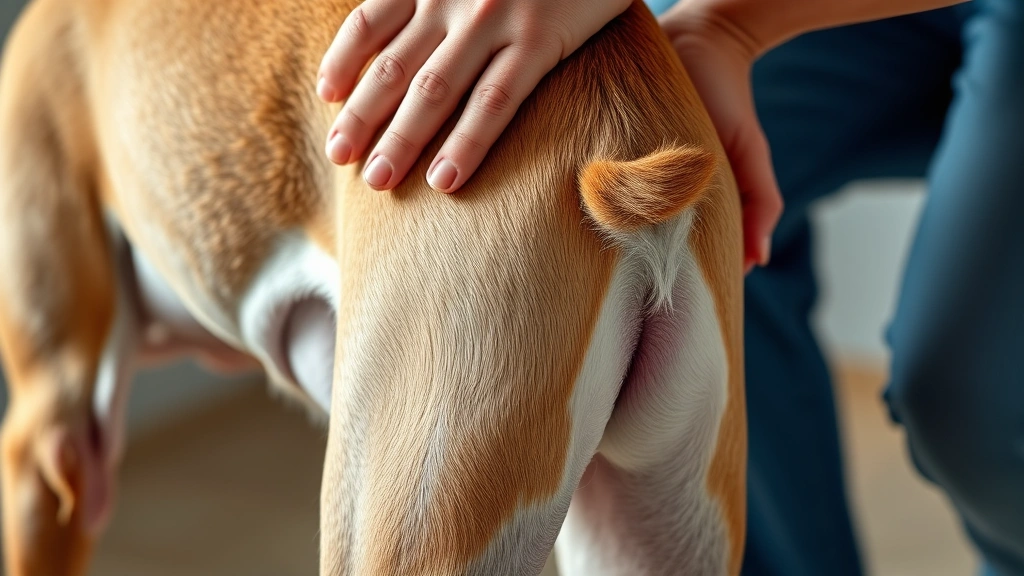
This behavior can lead to secondary skin issues, so addressing the underlying joint pain early prevents complications. Your vet can help determine if joint discomfort is driving this behavior.
Sign #6: Changes in Gait or Posture
Arthritis can change how your dog walks. You might notice a bunny-hop gait (where they move both back legs together), a shortened stride, or a hunched posture.
Some dogs shift their weight forward to take pressure off their hind legs, or they might walk with a wider stance for stability. These postural changes develop gradually, so comparing recent videos of your dog to older ones can help you spot the difference.
Sign #7: Behavioral Changes and Irritability
Chronic pain changes personality. A dog experiencing joint discomfort may become irritable, anxious, or less social. They might snap when touched in sensitive areas or seem withdrawn and depressed.
You might also notice sleep disturbances—difficulty settling down or frequent position changes throughout the night. These behavioral shifts are easy to miss, but they’re important dog arthritis early signs that warrant a vet visit.
Risk Factors That Increase Arthritis Risk
Some dogs are more prone to arthritis than others. Understanding your dog’s risk factors helps you stay vigilant.
- Breed: Large and giant breeds like German Shepherds, Labs, and Golden Retrievers develop arthritis more frequently
- Age: Older dogs are more susceptible, though arthritis can appear in younger dogs too
- Weight: Overweight dogs put extra stress on joints, accelerating wear and tear
- Previous Injuries: Old fractures or ligament damage increase arthritis risk
- Genetics: Some dogs inherit a predisposition to joint problems
If your dog falls into any of these categories, monitoring for dog arthritis early signs becomes even more important.
What To Do Now: Your Action Plan
If you’re noticing any of these symptoms, here’s what to do:
- Schedule a veterinary exam: Your vet can perform a physical exam and may recommend X-rays to confirm arthritis and rule out other conditions
- Document symptoms: Keep notes on when limping occurs, which joints seem affected, and how symptoms progress—this information helps your vet tremendously
- Consider a telehealth consultation: If you are unsure whether your pet needs urgent care, a quick telehealth check-in can give you peace of mind—no appointment needed. The Pet Vet’s online veterinarian consultation lets you describe symptoms and get professional guidance from home
- Discuss treatment options: Work with your vet to explore management strategies tailored to your dog’s needs and stage of arthritis
- Start preventive measures: Maintain healthy weight, provide joint-supporting supplements, and adjust exercise to low-impact activities
Early Management Strategies
Once you’ve identified dog arthritis early signs, several approaches can help:
Physical modifications: Ramps or steps reduce jumping stress, orthopedic beds support arthritic joints, and non-slip flooring prevents slipping.
Exercise adjustments: Switch to shorter, more frequent walks rather than long play sessions. Swimming and controlled walking are gentler on joints than running or jumping.
Weight management: Maintaining a healthy weight is one of the most impactful things you can do. Extra pounds accelerate joint deterioration.
Supplements and diet: Many vets recommend joint-supporting supplements. Your veterinarian can suggest options appropriate for your dog’s situation.

Pain management: Your vet may discuss various pain management approaches during your consultation. Early intervention often means you have more options available.
When to Seek Urgent Care
Most dog arthritis early signs develop gradually, but certain situations warrant urgent attention. Seek immediate veterinary care if your dog:
- Suddenly cannot bear weight on a leg
- Shows signs of severe pain (crying, aggression when touched, inability to move)
- Has a swollen, hot, or visibly deformed joint
- Experiences sudden mobility loss after trauma or injury
These could indicate acute injury rather than progressive arthritis and need prompt evaluation.
The Importance of Professional Diagnosis
While these dog arthritis early signs can point toward joint problems, only a veterinarian can confirm arthritis through physical examination and imaging. Other conditions—like ligament injuries, infections, or neurological issues—can cause similar symptoms.
Your vet will also determine the severity and which joints are affected, which guides treatment decisions. This is why professional evaluation is so important, even if you’re fairly certain arthritis is the culprit.
Summary: Don’t Wait to Act
Dog arthritis early signs often appear subtly—a slight limp here, morning stiffness there. But these small changes matter enormously. Catching arthritis in its early stages opens up more treatment options and gives you the best chance to maintain your dog’s quality of life.
Your dog depends on you to notice when something’s off. Trust your instincts, document what you observe, and reach out to your veterinarian. Early action truly makes a difference in managing this common condition.
Remember, you’re not alone in this. Many dog owners face arthritis, and modern veterinary care offers real solutions. Your attentiveness to these dog arthritis early signs puts your pup in the best possible position for a comfortable, active future.
Frequently Asked Questions
At what age do dogs typically develop arthritis?
While arthritis is more common in senior dogs (7+ years), it can develop at any age, especially in large breeds or dogs with previous injuries. Early detection matters regardless of age.
Can arthritis in dogs be cured?
Arthritis cannot be cured, but it can be effectively managed with proper treatment, exercise modification, and pain management to maintain quality of life.
Is limping always a sign of arthritis?
No—limping can result from injuries, infections, or other conditions. That’s why veterinary examination is essential to determine the actual cause.
How can I prevent arthritis in my dog?
Maintain healthy weight, provide appropriate exercise, avoid excessive jumping when young, and ensure proper nutrition. These preventive steps reduce arthritis risk significantly.
Should I stop exercising my dog if they have arthritis?
No—gentle, consistent exercise is beneficial. Your vet can recommend appropriate activities like swimming or short walks that keep joints mobile without causing pain.
For more on recognizing health changes in your dog, check out our guide on dog skin allergies: early signs and information about online vet for dog shaking. If you notice behavioral changes alongside mobility issues, our article on asking your vet about dog panting covers other signs worth monitoring. Have questions about your specific dog? Connect with an online veterinarian for personalized guidance.