
If your senior dog is limping up the stairs or seems reluctant to play fetch, you’re likely looking for ways to ease their pain—and dog arthritis home treatment can make a real difference in their quality of life.
Table of Contents
- Understanding Canine Arthritis: Why Home Treatment Matters
- 1. Optimize Your Dog’s Living Environment
- 2. Maintain a Healthy Weight Through Proper Nutrition
- 3. Incorporate Gentle, Regular Exercise
- 4. Apply Warm and Cold Therapy
- 5. Consider Massage and Physical Therapy Techniques
- 6. Use Joint Support Supplements Wisely
- 7. Manage Pain and Inflammation Naturally
- When to Seek Professional Veterinary Help
- Creating a Comprehensive Home Treatment Plan
- Summary: Your Dog’s Path to Greater Comfort
- Frequently Asked Questions
- What To Do Now
This article is for informational purposes only and is not a substitute for professional veterinary advice. Always consult a licensed veterinarian for diagnosis and treatment.
Arthritis in dogs is incredibly common, especially as they age. The good news? There are proven, practical steps you can take at home to help your furry friend feel more comfortable. Let’s explore seven methods that many pet owners have found genuinely helpful.
Understanding Canine Arthritis: Why Home Treatment Matters
Arthritis happens when the protective cartilage in your dog’s joints breaks down over time. This causes inflammation, stiffness, and pain—particularly noticeable when they first wake up or after exercise. Catching this early puts you in a great position to help.
Home treatment isn’t about replacing veterinary care; it’s about supporting your dog’s comfort between vet visits and managing the condition holistically. Many vets now recommend a multi-pronged approach combining environmental changes, movement, and therapeutic strategies.
1. Optimize Your Dog’s Living Environment
Simple environmental tweaks can dramatically reduce strain on arthritic joints. Start by assessing your home layout:
- Cushioned bedding: Invest in orthopedic dog beds that provide joint support and reduce pressure points. Memory foam is particularly helpful.
- Ramps and stairs: Install ramps leading to furniture or use pet stairs so your dog doesn’t have to jump or climb steep steps.
- Non-slip flooring: Hardwood and tile can be slippery for dogs with weak joints. Add rugs or yoga mats for better traction.
- Easy food access: Elevate food and water bowls to reduce bending, which can strain arthritic joints.
These changes require minimal investment but offer maximum comfort. Your dog will likely move around more freely when their environment supports their needs.
2. Maintain a Healthy Weight Through Proper Nutrition
Extra weight puts tremendous stress on arthritic joints. If your dog is overweight, working toward a healthier weight is one of the most impactful things you can do. Even a 5-10% reduction often leads to noticeable improvement in mobility.
Consult your vet about an appropriate diet and portion sizes. Some dogs benefit from foods with added omega-3 fatty acids and glucosamine, which support joint health. Always make dietary changes gradually to avoid digestive upset.
Quality matters more than quantity. A nutrient-dense diet helps maintain muscle mass, which is crucial for supporting arthritic joints.
3. Incorporate Gentle, Regular Exercise
It might seem counterintuitive, but movement is essential for arthritic dogs. Gentle exercise keeps joints mobile and maintains muscle strength that supports the joints. The key is consistency and low-impact activity.
- Short walks: Take multiple short walks throughout the day rather than one long walk. 10-15 minute walks are often ideal.
- Swimming: If you have access to a pool or dog-friendly swimming area, water therapy is excellent for arthritic joints because it reduces impact.
- Controlled play: Gentle fetch or tug games are fine, but avoid sudden sprinting or jumping.
Watch your dog’s response. If they seem stiff or painful after exercise, you may be overdoing it. The goal is to keep them moving without causing pain flare-ups.
4. Apply Warm and Cold Therapy
Temperature therapy is a simple, drug-free way to manage discomfort. Both heat and cold have their place in dog arthritis home treatment.
Heat therapy increases blood flow and relaxes muscles around stiff joints. Try warm (not hot) compresses applied for 10-15 minutes, or allow your dog to rest near a heating pad set on low. Many dogs find this soothing, especially after activity.
Cold therapy reduces inflammation and can numb pain temporarily. Use a cold pack wrapped in a towel for 10-15 minutes if you notice acute swelling. Alternate between heat and cold based on your dog’s response.
Some owners find that warm therapy in the morning helps with stiffness, while cold therapy after activity reduces inflammation.
5. Consider Massage and Physical Therapy Techniques
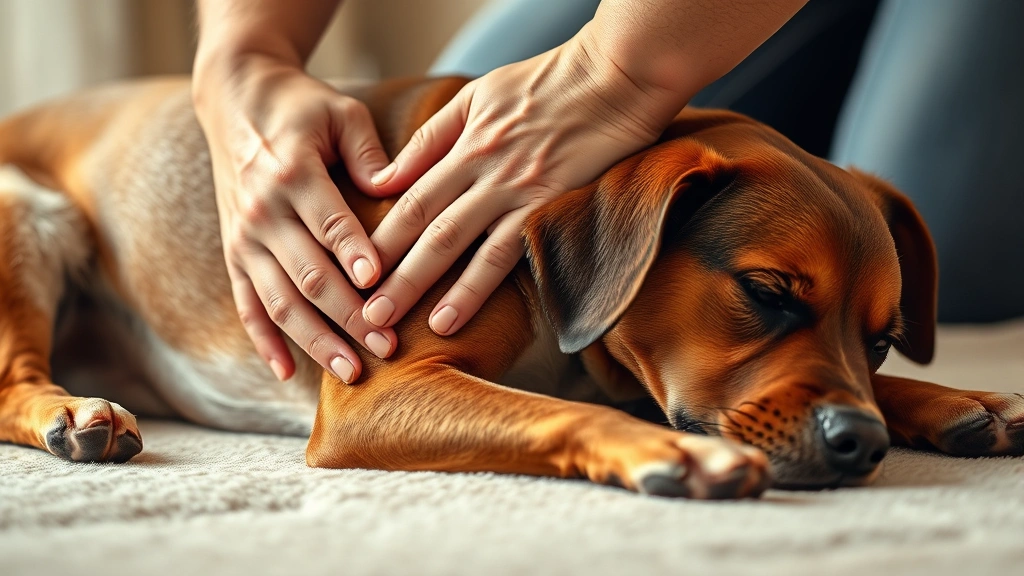
Gentle massage improves circulation, reduces muscle tension, and provides comfort to your arthritic dog. You don’t need formal training to help—simple techniques at home can work wonders.
- Gentle stroking: Use slow, firm strokes along the legs and joints, following the direction of the fur.
- Soft circular motions: Use your fingertips to gently massage around affected joints in small circles.
- Passive range of motion: Gently move your dog’s legs through their normal range of motion while they’re relaxed. Never force movement.
Aim for 5-10 minutes of massage daily. Your dog will likely enjoy this bonding time, and it can help them relax before bed. If massage causes pain or resistance, stop immediately.
6. Use Joint Support Supplements Wisely
Many pet owners explore supplements like glucosamine, chondroitin, and omega-3 fatty acids for joint health. These may be experiencing benefits in supporting joint function and reducing inflammation over time.
Before starting any supplement, talk with your veterinarian about which options might be appropriate for your dog’s specific situation. Quality varies significantly between brands, and your vet can recommend trusted products.
Supplements typically take 4-6 weeks to show noticeable effects, so patience is important. Keep detailed notes on your dog’s mobility to track whether supplements are helping.
7. Manage Pain and Inflammation Naturally
Beyond supplements, several natural approaches may help manage arthritis discomfort. Turmeric (curcumin) has anti-inflammatory properties, though dosing should be discussed with your vet. Green-lipped mussel is another option some owners explore for joint support.
Always prioritize your dog’s comfort and safety. If your dog seems to be experiencing significant pain, a quick telehealth check-in with a vet can help you understand whether additional pain management might be beneficial. If you are unsure whether your pet needs urgent care, a quick telehealth check-in can give you peace of mind—no appointment needed.
Pain that interferes with eating, sleeping, or bathroom habits may warrant professional evaluation.
When to Seek Professional Veterinary Help
Home treatment is wonderful, but it works best alongside professional guidance. Schedule a vet visit if you notice:

- Sudden lameness or inability to bear weight on a leg
- Severe swelling in joints
- Signs of extreme pain or behavioral changes
- No improvement after 2-3 weeks of home treatment
- Difficulty with bathroom habits or appetite changes
Your vet might recommend diagnostics like X-rays to confirm arthritis and rule out other conditions. They can also discuss prescription options if home treatment alone isn’t sufficient. If you have questions about whether your dog’s symptoms need urgent attention, you can talk to a vet about dog lethargy and other concerning changes online, making it easier to get professional input without leaving home.
Creating a Comprehensive Home Treatment Plan
The best approach combines multiple strategies tailored to your individual dog. Start by implementing environmental changes and gentle exercise, then add supplements and therapy techniques based on your dog’s response.
Keep a simple log tracking your dog’s mobility, energy level, and any pain signs. This helps you identify what’s working and what might need adjustment. Share this information with your vet at check-ups.
Remember that arthritis is progressive, so your treatment plan may need tweaking over time. What works beautifully for six months might need adjustment as the condition evolves. That’s completely normal and manageable with good communication with your veterinary team.
Summary: Your Dog’s Path to Greater Comfort
Dog arthritis home treatment doesn’t have to be complicated or expensive. By optimizing their environment, maintaining healthy weight, incorporating gentle movement, and exploring supportive therapies, you’re giving your dog the best chance at comfort and quality of life.
The most important thing is consistency. Small daily efforts add up to meaningful improvements in how your dog feels and moves. Your senior companion deserves to enjoy their golden years with as little pain as possible—and you’re already taking the right steps by seeking solutions.
Start with one or two strategies this week, then gradually add others. Your dog will thank you with more tail wags, better mobility, and a happier disposition.
Frequently Asked Questions
Can dog arthritis be cured at home?
Arthritis cannot be cured, but home treatment can significantly manage symptoms and improve quality of life. Most dogs experience meaningful relief through a combination of environmental changes, exercise, and supportive therapies.
How long does it take to see results from home treatment?
Environmental changes and exercise adjustments often show results within 1-2 weeks, while supplements typically take 4-6 weeks to demonstrate noticeable effects. Consistency matters more than speed.
Is it safe to give my dog supplements without vet approval?
While many supplements are generally safe, it’s wise to discuss them with your vet first. They can recommend appropriate products, dosages, and ensure supplements won’t interact with any medications your dog takes.
What’s the best exercise for an arthritic dog?
Short, gentle walks (10-15 minutes) and swimming are ideal. Avoid high-impact activities like jumping or sprinting. The goal is consistent, low-stress movement that keeps joints mobile without causing pain.
When should I call the vet about my dog’s arthritis?
Contact your vet if you notice sudden lameness, severe swelling, signs of extreme pain, or if home treatment doesn’t improve symptoms after 2-3 weeks. Changes in appetite or bathroom habits also warrant professional evaluation.
What To Do Now
- Schedule a vet appointment to confirm arthritis diagnosis and discuss your dog’s specific needs. Bring notes about any mobility changes you’ve observed.
- Assess your home environment this week—identify areas where you can add ramps, cushioned bedding, or non-slip surfaces to reduce joint strain.
- Start a gentle exercise routine with short 10-15 minute walks daily, adjusting based on your dog’s comfort level and response.
- Research joint support supplements your vet recommends and begin introducing them gradually, tracking any changes in your dog’s mobility over 4-6 weeks.
- Try one therapeutic technique like gentle massage or warm compresses this week to see how your dog responds and build it into a daily routine.