
When an older dog stops jumping onto the sofa or takes a long time to get comfortable, it is tempting to call it normal aging. Sometimes it is arthritis. Dogs often adjust their routine rather than show pain dramatically, which makes small changes worth noticing.
What arthritis can look like in a senior dog
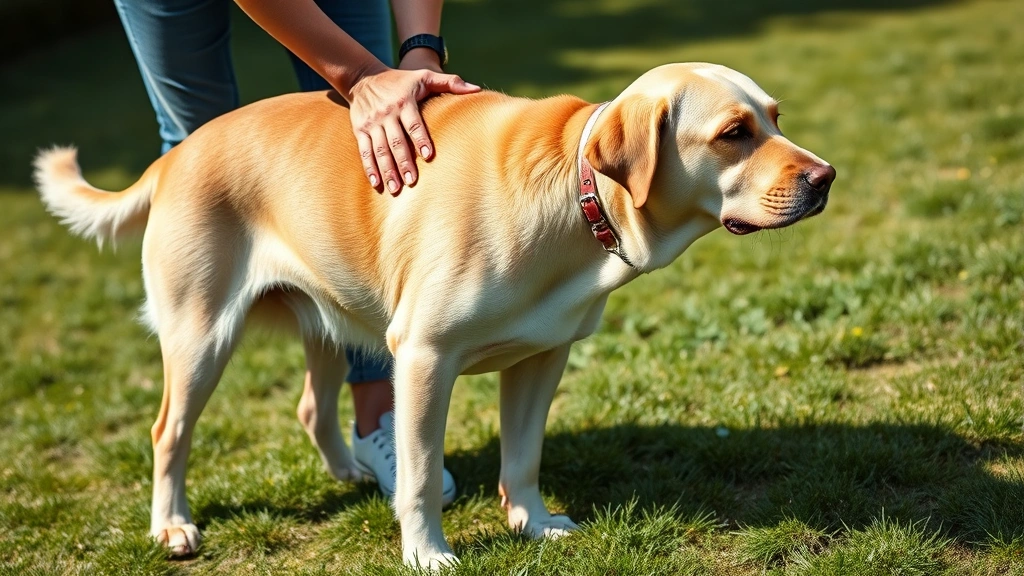
Watch for stiffness after naps, shorter walks, trouble climbing stairs, reluctance to be handled, or difficulty getting into a car. Some dogs lick a sore joint or shift their weight while standing. Less play and a change in temperament can also be clues. None of these signs proves arthritis by itself; muscle disease, neurologic problems, injuries, and other conditions can look similar.
Why a veterinary examination matters
A veterinarian can assess gait, joints, muscle mass, and pain. They may recommend imaging or bloodwork, especially before starting long-term medication. Age alone is not a diagnosis. A sudden severe limp, inability to stand, or new weakness warrants prompt care rather than assuming arthritis has progressed.
Making daily activities more comfortable
Start with traction: place nonslip mats where your dog rises, turns, or eats. A low ramp may be safer than jumping; a supportive bed and a clear path outside can reduce strain. Keep nails trimmed for grip, and consider a properly fitted harness if your dog needs help getting up. Ask about physical rehabilitation if muscle loss or weakness is noticeable.
Weight management is particularly important. Excess body fat can worsen stress and inflammation around painful joints. Your veterinarian can set a safe calorie target; abrupt diets are not a substitute for a supervised plan, especially if your dog has another illness.
Exercise that supports, rather than exhausts
Many older dogs do better with several short, predictable walks than one strenuous outing. Gentle activity helps maintain muscle and mobility. Avoid forcing a limping dog to ‘walk it off.’ Record what your dog comfortably does on typical days and discuss changes with the care team.
What about medication and supplements?
Veterinary-approved pain medicines, including certain anti-inflammatory medications, can meaningfully improve quality of life. The choice depends on other medications, kidney and liver function, and gastrointestinal risks. Follow the prescribed plan and report appetite changes, vomiting, diarrhea, or unusual lethargy promptly. Never give human pain relievers without veterinary instructions.
Joint supplements vary in evidence and quality. They may be discussed as adjuncts, not a replacement for appropriate pain control. Ask your vet whether the expected benefit justifies the cost for your individual dog.
Planning follow-up and quality of life
Agree on a few measurable goals: rising from bed, climbing a low step, walking comfortably, or resting through the night. Track progress over weeks, and request a reassessment if the plan stops helping. Our overview of arthritis progression explains why symptoms matter more than an arbitrary stage number.
Sources
AAHA Senior Care Guidelines: Pain Management; AAHA Pain Management Guidelines.
This guide is educational and cannot replace a veterinary examination.
This article is for general education and is not a substitute for care from your own veterinarian. Learn about The Pet Vet and our editorial policy.