
Understanding dog arthritis recovery time is one of the most important conversations you can have with your vet when your beloved companion starts showing signs of joint pain. If you’ve noticed your dog moving a little slower, hesitating on stairs, or seeming stiff after rest, you’re not alone—and the good news is that with the right approach, many dogs experience significant improvement in their quality of life.
Table of Contents
- What Is Canine Arthritis and Why Does Recovery Matter?
- How Long Does Dog Arthritis Recovery Time Actually Take?
- Strategy #1: Start Physical Therapy and Low-Impact Exercise
- Strategy #2: Optimize Weight Management for Joint Relief
- Strategy #3: Use Joint Supplements and Nutraceuticals
- Strategy #4: Implement Comfortable Environmental Modifications
- Strategy #5: Explore Therapeutic Treatments and Medications
- Strategy #6: Maintain Consistent Pain Management
- Strategy #7: Monitor Progress and Adjust Your Approach
- Common Questions About Dog Arthritis Recovery
- Frequently Asked Questions
- What To Do Now
- Summary: Your Dog’s Path to Comfort
This article is for informational purposes only and is not a substitute for professional veterinary advice. Always consult a licensed veterinarian for diagnosis and treatment.
What Is Canine Arthritis and Why Does Recovery Matter?
Arthritis in dogs is a degenerative joint condition where the protective cartilage breaks down over time. This leads to inflammation, pain, and reduced mobility. Unlike acute injuries that heal in weeks, arthritis is a chronic condition—but that doesn’t mean your dog can’t feel dramatically better.

The key difference is that arthritis recovery isn’t about a “cure.” Instead, it’s about managing the condition effectively so your dog can move comfortably, play again, and enjoy their golden years. Recovery time depends on your dog’s age, the severity of the arthritis, and how quickly you start treatment.
How Long Does Dog Arthritis Recovery Time Actually Take?
Most dogs show noticeable improvement within 2 to 6 weeks of starting a comprehensive arthritis management plan. However, some dogs may need 8 to 12 weeks to reach their full potential. The timeline varies based on several factors.

- Early-stage arthritis: Dogs may improve within 2-3 weeks with lifestyle changes and supplements.
- Moderate arthritis: Expect 4-8 weeks for meaningful progress with medication and physical therapy.
- Advanced arthritis: Recovery is slower, often 8-12 weeks, but improvement is still absolutely possible.
Catching arthritis early puts you in a great position to slow progression and keep your dog active for years to come.
Strategy #1: Start Physical Therapy and Low-Impact Exercise
Physical therapy is one of the fastest ways to support dog arthritis recovery time. Controlled movement helps maintain muscle strength, which protects the joints from further damage. Weak muscles force joints to work harder, accelerating arthritis progression.

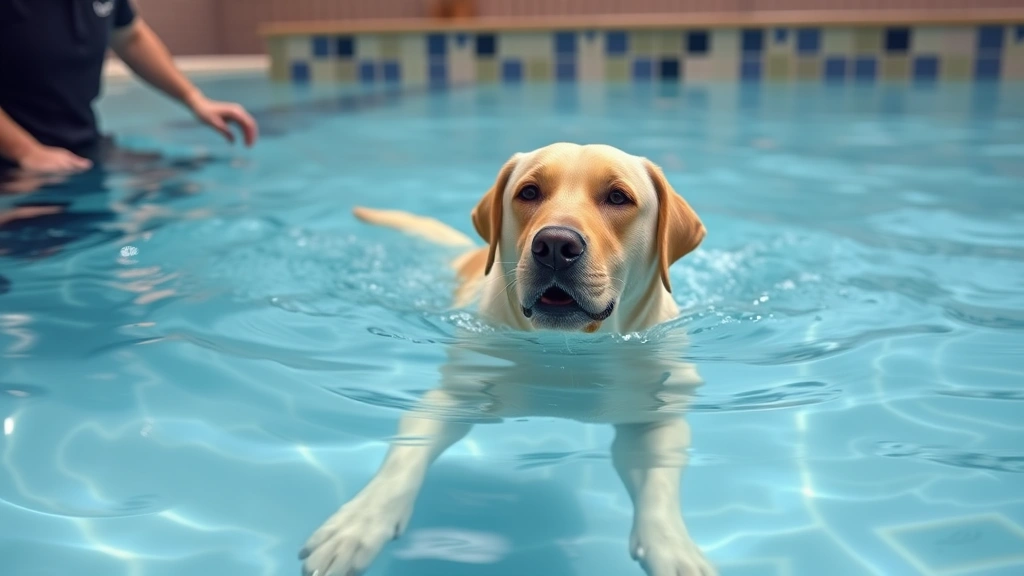
Gentle, consistent exercise is your friend here. Swimming and hydrotherapy are especially beneficial because water supports your dog’s weight while allowing full range of motion. Even 10-15 minutes of leash walking on soft surfaces (grass, dirt trails) several times a week makes a difference.
Avoid high-impact activities like jumping, running on hard surfaces, or repetitive fetch games. These can aggravate joints and slow recovery. Your vet or a certified canine rehabilitation therapist can design a custom exercise plan tailored to your dog’s specific needs.

Strategy #2: Optimize Weight Management for Joint Relief
Extra weight puts enormous pressure on arthritic joints. A dog carrying just 10 extra pounds experiences significantly increased joint stress. Weight loss is one of the most impactful interventions you can make—and it often produces results within 4-6 weeks.
Work with your vet to develop a sustainable weight loss plan. This might involve switching to a lower-calorie diet, reducing treat portions, or feeding joint-supporting nutrition specifically formulated for arthritic dogs. Even a 5-10% reduction in body weight can dramatically improve mobility and reduce pain.
The best part? Weight management has zero side effects and complements every other treatment strategy. Your dog will move better, feel better, and have more energy for playtime.
Strategy #3: Use Joint Supplements and Nutraceuticals
Supplements can significantly speed up dog arthritis recovery time when started early. Glucosamine, chondroitin, and omega-3 fatty acids work to reduce inflammation and support cartilage health. Many dogs show improvement within 3-4 weeks of consistent supplementation.
Green-lipped mussel, turmeric, and MSM are additional options that some pet owners find helpful. These work best as part of a comprehensive plan rather than as standalone treatments. Your vet can recommend which supplements align with your dog’s specific situation and any other medications they’re taking.
Quality matters significantly with supplements. Choose products from reputable manufacturers that have undergone third-party testing. This ensures your dog is getting the ingredients listed on the label.

Strategy #4: Implement Comfortable Environmental Modifications
Your home environment plays a huge role in how quickly your dog recovers. Simple changes remove pain triggers and allow your dog to rest comfortably, which accelerates healing.
Consider these modifications:

- Add orthopedic beds in favorite resting spots—these support joints and reduce pressure points.
- Use ramps or steps to help your dog access furniture or vehicles without jumping.
- Place food and water bowls on elevated stands to reduce neck and spine strain.
- Ensure easy access to outdoor potty areas without climbing stairs.
- Use non-slip rugs on hardwood or tile floors to prevent slipping and joint strain.
These changes might seem small, but they reduce pain throughout the day, allowing your dog to rest better and recover faster.
Strategy #5: Explore Therapeutic Treatments and Medications
Your vet may recommend various therapeutic options depending on your dog’s arthritis severity. Laser therapy, acupuncture, and massage can provide pain relief and improve circulation. Many dogs experience noticeable improvement after just a few sessions.

Medications prescribed by your vet may help manage inflammation and pain, making it easier for your dog to move and participate in physical therapy. When your dog is comfortable, they’re more likely to engage in the gentle exercise that supports recovery. Always follow your vet’s guidance on medication use and monitoring.
If you’re unsure whether your dog needs additional treatment options, a quick telehealth check-in with a vet can give you peace of mind and personalized recommendations—no appointment needed.

Strategy #6: Maintain Consistent Pain Management
Consistency is crucial for dog arthritis recovery time. Sporadic treatment won’t produce lasting results, but a steady, multi-faceted approach compounds benefits over time. This means sticking with supplements, maintaining exercise routines, and following medication schedules even when your dog seems to be improving.
Track your dog’s progress with a simple journal. Note improvements in mobility, energy levels, and willingness to play. This helps you and your vet identify what’s working and adjust strategies if needed. Most dogs respond well to consistent management, showing steady improvement over 6-12 weeks.

Your commitment to consistency during this recovery period can extend your dog’s comfortable, active years significantly.
Strategy #7: Monitor Progress and Adjust Your Approach
Recovery isn’t always linear. Some days your dog might seem better, other days a bit stiff. This is completely normal. What matters is the overall trend over weeks, not day-to-day fluctuations.
Schedule regular check-ins with your vet to assess progress and make adjustments. If your dog isn’t improving within 4-6 weeks, your vet might recommend additional diagnostics or different treatment approaches. Some dogs respond better to certain medications or therapies than others, and that’s okay.
The goal is finding the right combination of strategies that work for your individual dog. Understanding dog arthritis symptoms helps you recognize improvements and catch any setbacks early.

Common Questions About Dog Arthritis Recovery
Frequently Asked Questions
How can I tell if my dog’s arthritis is improving?
Look for increased mobility, more willingness to play or go for walks, less limping, and improved ability to climb stairs or jump on furniture. Your dog may also seem more energetic and comfortable overall.
Can arthritis in dogs be reversed?
Arthritis cannot be completely reversed, but symptoms can be managed very effectively. Many dogs experience dramatic improvements in pain and mobility with proper treatment and lifestyle modifications.
Is arthritis painful for dogs?
Yes, arthritis can be quite painful. However, with appropriate management—including medication, supplements, physical therapy, and environmental modifications—most dogs experience significant pain relief and improved quality of life.
What’s the difference between arthritis recovery time and other joint conditions?
Arthritis is chronic and requires ongoing management, while acute joint injuries may heal in weeks. Talking to your vet about dog limping helps determine whether you’re dealing with arthritis or another condition.
Should I stop exercise during arthritis recovery?
No—gentle, consistent exercise is essential for recovery. Avoid high-impact activities, but maintain low-impact movement like walking and swimming to keep joints mobile and muscles strong.
What To Do Now
- Schedule a vet appointment or telehealth visit: Get a proper diagnosis and discuss your dog’s specific arthritis stage. A virtual vet visit can provide guidance if you prefer convenient remote consultation.
- Start a weight management plan: If your dog is overweight, work with your vet to develop a sustainable diet and exercise program. Even small weight reductions produce noticeable improvements.
- Implement home modifications: Add orthopedic bedding, ramps, and elevated food bowls to reduce joint strain throughout the day.
- Begin gentle exercise: Start with 10-15 minute walks on soft surfaces daily, or explore swimming options in your area.
- Track progress: Keep a simple journal noting changes in mobility, energy, and comfort over the next 4-6 weeks to share with your vet.
Summary: Your Dog’s Path to Comfort
Dog arthritis recovery time is very real, and with the right approach, most dogs experience significant improvement within 2-12 weeks. The key is starting early, combining multiple strategies, and staying consistent with your plan. Weight management, physical therapy, supplements, environmental modifications, and appropriate medication work together to reduce pain and restore mobility.
Your dog’s arthritis diagnosis isn’t the end of their active, happy life—it’s the beginning of a new chapter where you’re equipped to help them feel their best. Every step you take now compounds into weeks and months of improved comfort and quality time together.
Remember, your vet is your partner in this journey. Don’t hesitate to reach out with questions or concerns as your dog’s recovery progresses. You’ve got this, and so does your dog.